

Midrand Dispatch for Fast Gauteng Turnaround
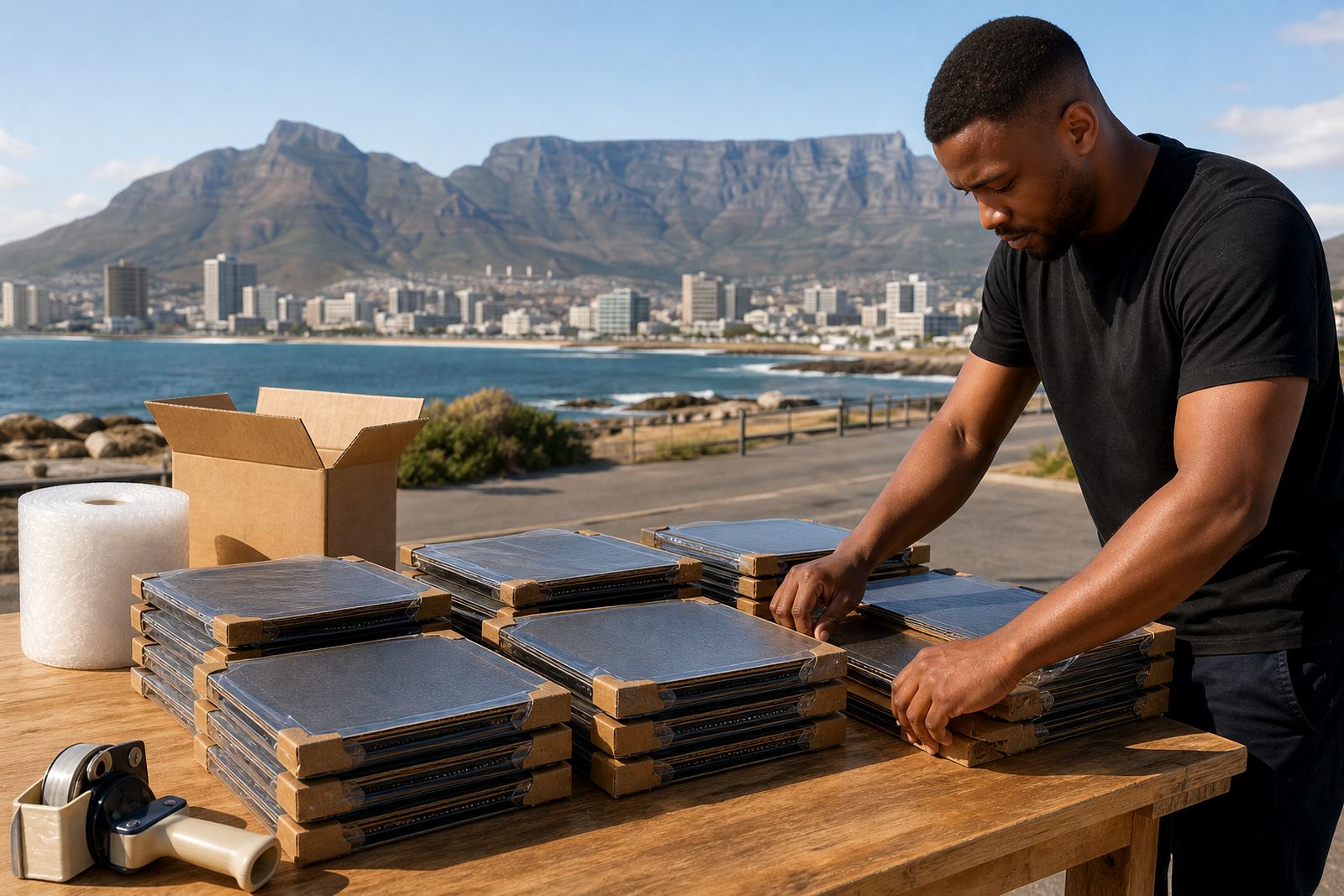
Midrand sits in a useful spot between Centurion, Sandton, Midrand, Pretoria and the greater Johannesburg side, which makes it practical for moving 3D printing supplies quickly. For customers running multiple machines, that central position helps when a print farm cannot wait days for a replacement plate or fresh adhesion surface. We coordinate orders here for prompt dispatch and local collection planning where needed.
Our Midrand coverage suits businesses that want their printer parts handled with care and supplied in workable sizes, not just standard off the shelf fits. If you are running a school lab, a small maker space or a production floor with several beds in use, we can help plan what goes where so you are not left juggling mismatched plates and worn surfaces. Turnaround is guided by stock on hand and the size of the order, with practical movement for Gauteng customers who need things sorted without fuss.
Because Midrand is busy, delivery timing is often affected by traffic on the N1 and the usual Gauteng peak hours. We factor that into dispatch so you get clearer expectations instead of vague promises, which matters when a machine is down and parts are waiting.
What We Keep Moving Through Midrand
The Midrand dispatch point handles the main items South African makers ask for most often: build plates, PEI sheets, magnetic bases and related bed adhesion products. We also support replacement planning for users who want to keep spares on hand, especially where production cannot stop for a single damaged surface.
- 3D-printer build plates for common benchtop and workshop setups
- PEI sheet fitting for smooth, clean bed surfaces
- Magnetic base fitting for quick plate changes
- Replacement planning for print farms and shared labs
- Consumables supply for ongoing use across multiple machines
Where a standard size is not suitable, we can assist with custom size cutting and surface refresh work. That is useful for users with older machines, imported frames, or modified beds that do not match the usual dimensions. We also look at plate condition, warping and wear patterns so the replacement is not just a like for like swap but a proper fit for the machine in use.
For many customers the goal is simple: get consistent first layers and avoid waste. A clean, well matched build surface saves filament, time and operator frustration, and that applies whether you print one part a week or dozens every day.
Typical Midrand Clients We Support
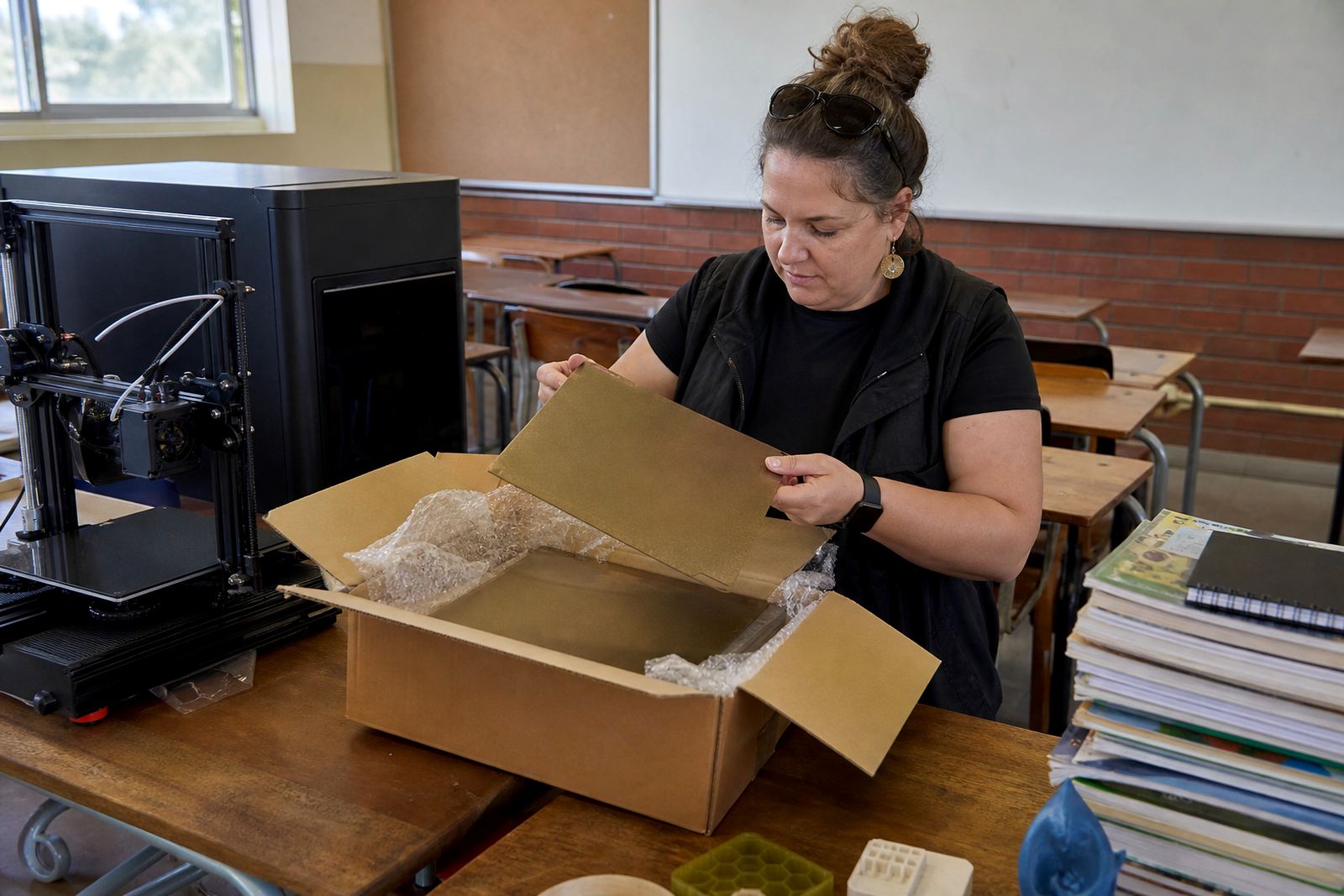
Midrand has a good mix of industrial units, office parks, maker businesses and education sites, so the kinds of enquiries we see there are varied. Some customers need one replacement plate for a single machine. Others need a repeat supply arrangement for several printers running across a shift. We also work with schools that are setting up lab rooms and need a sensible approach to bed care from the start.
Typical clients in this area include print farms, product developers, prototyping teams, technical colleges and after-school maker clubs. These users often need bed flatness checks, adhesion troubleshooting and training for staff or learners so the same issues do not keep coming back. If a team is changing operators often, a clear setup process helps keep results more consistent.
- Print farms with multiple beds and frequent plate swaps
- Schools and colleges building practical 3D printing labs
- Maker businesses doing short-run production
- R and D teams needing repeatable first-layer results
- Shared workshop spaces with mixed experience levels
We also see a fair amount of support requests from buyers who started with a basic machine and now need a better surface for more reliable printing. That can mean a move from a tired smooth bed to a refreshed PEI setup, or simply changing the way the plate is fitted and maintained.
Local Conditions That Affect Print Surfaces
Midrand customers deal with conditions that are common across Gauteng: dust, dry winter air, summer humidity and the odd load-shedding interruption that affects print schedules. Those things matter more than many people expect. A surface that worked well last month can start acting up if the machine is left off for too long, or if the plate is handled without proper cleaning between runs.
In busy units and home workshops alike, dust on the bed can cause poor adhesion and uneven first layers. In summer, moisture and temperature changes can affect how filament behaves and how a print releases from the plate. Coastal humidity is not the main issue here, but humidity still comes into play when materials are stored badly or printers sit open in dusty rooms. A simple bed care routine makes a real difference, especially when the machine is used every day.
We help customers manage these conditions with surface refresh work, adhesion troubleshooting and practical training. That includes advice on cleaning methods, plate handling and when to replace a worn sheet instead of pushing it for another few weeks. Small habits save material and reduce failed prints, which matters when power cuts already eat into production time.
Installation and Support Coordinated Through Midrand
From the Midrand point we coordinate practical support for customers who need more than a parcel in a box. That can include plate installation, PEI sheet fitting, magnetic base fitting and a bed flatness check before the next production run. Where needed, we also help teams think through setup changes so the machine can be used more reliably across different operators.
Our support is especially useful for school labs and shared print rooms where several people use the same equipment. If the bed is slightly off, if the surface is wearing unevenly, or if the magnet is not sitting right, print quality can vary from one user to the next. Sorting that out early saves time and avoids a string of failed starts. It also makes it easier to train new users properly.
For larger Gauteng customers, farm standardising is often the priority. We help align plate sizes, surface types and replacement planning across multiple machines so stock control is simpler and every printer is not running a different setup. That kind of order may sound small but it makes day to day operation much easier.
How Enquiries Move From Midrand
Enquiries for the Midrand dispatch point go through the contact page form. That allows us to check the machine type, bed size, current surface and the support needed before we confirm the next step. It also helps us guide customers towards the right product or service instead of sending something that is close but not quite right.
When you send an enquiry, include the printer model if you know it, the bed size if it has been modified, and whether you need a replacement, fitting or troubleshooting support. If the machine is in a school, workshop or farm setting, say how many units are involved so we can plan the right quantity. That detail helps us move faster and avoid back and forth.
- Confirm the machine and bed size
- Tell us whether you need supply, fitting or support
- Share whether it is for one printer or a larger setup
- Use the contact page form for all enquiries
Midrand works well for fast coordination, but the best results still come from clear information at the start. That way we can deal with the order properly and keep your printing moving.