


Makers Who Want Cleaner First Layers
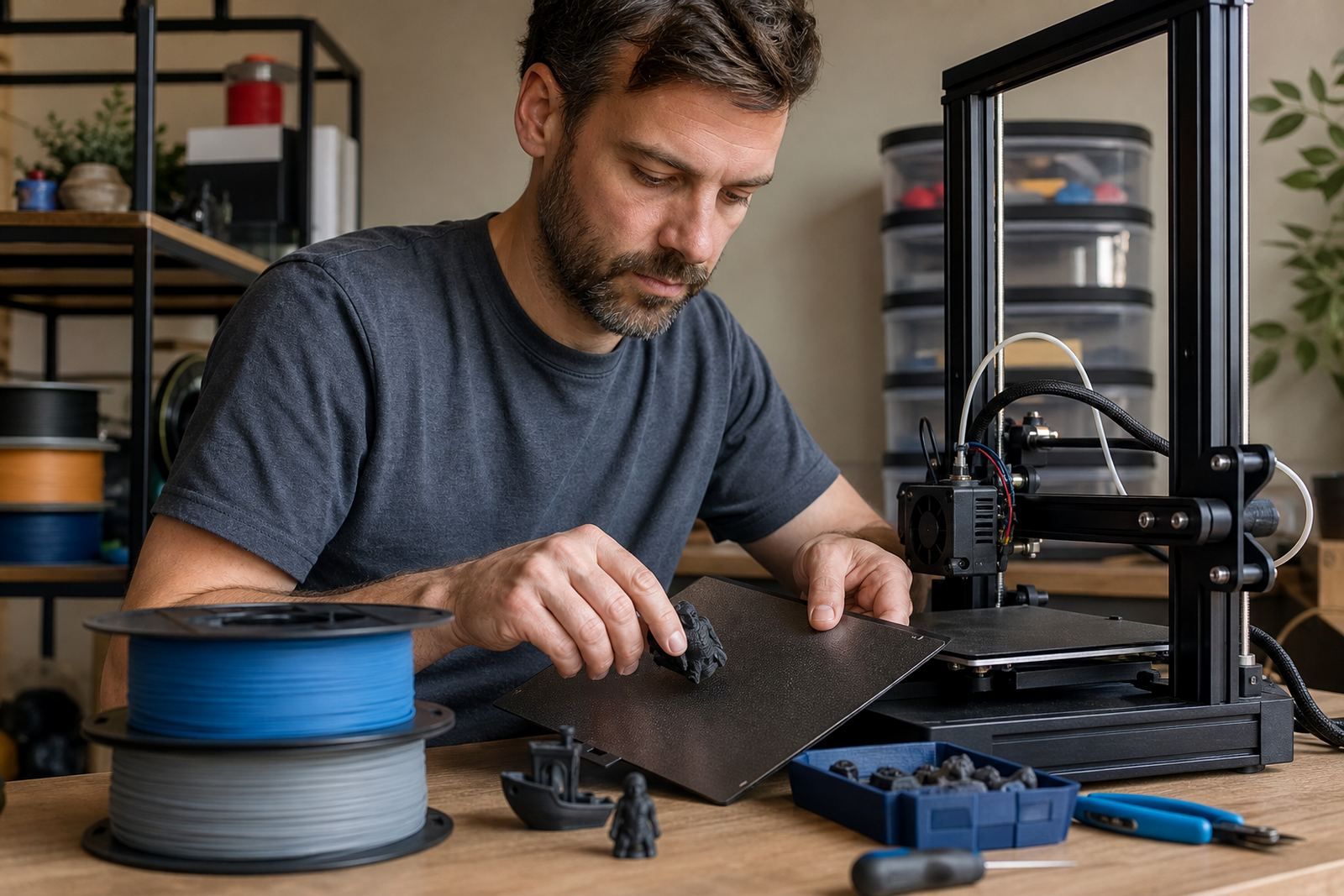
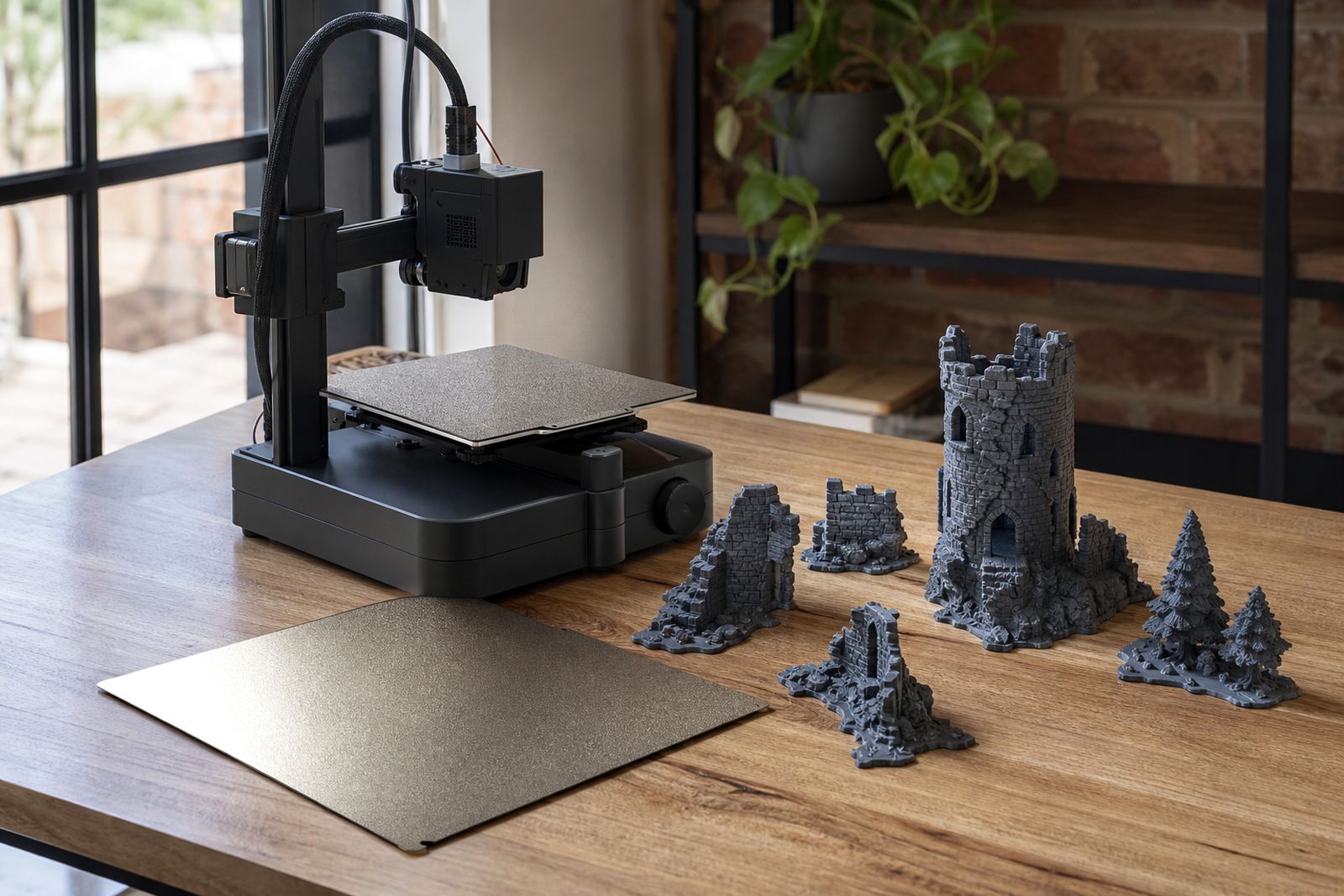
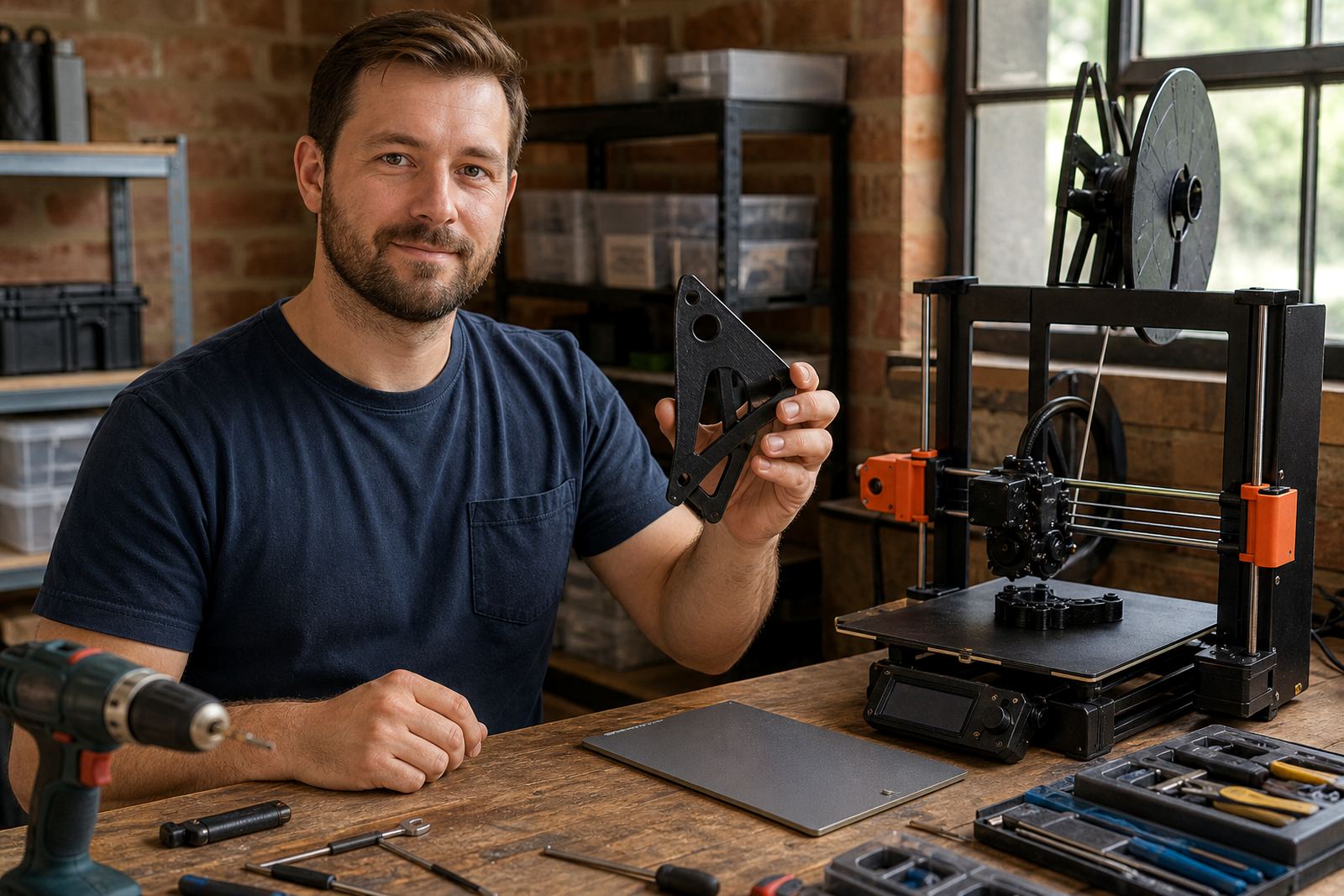
Many of our customers start with one printer on a workbench at home in Centurion, Pretoria or Johannesburg and want prints that stick without constant tweaking. For that group, the main need is simple: a build surface that is easy to fit, easy to care for, and ready for daily use. Good adhesion saves time, reduces failed prints and makes learning far less frustrating.
First-time users often ask for help choosing between smooth and textured surfaces, or between a new sheet and a replacement on an older machine. We look at the printer model, bed size, the materials being used, and how often the machine runs. That way the advice is practical, not guesswork.
Schools, Labs and Training Rooms
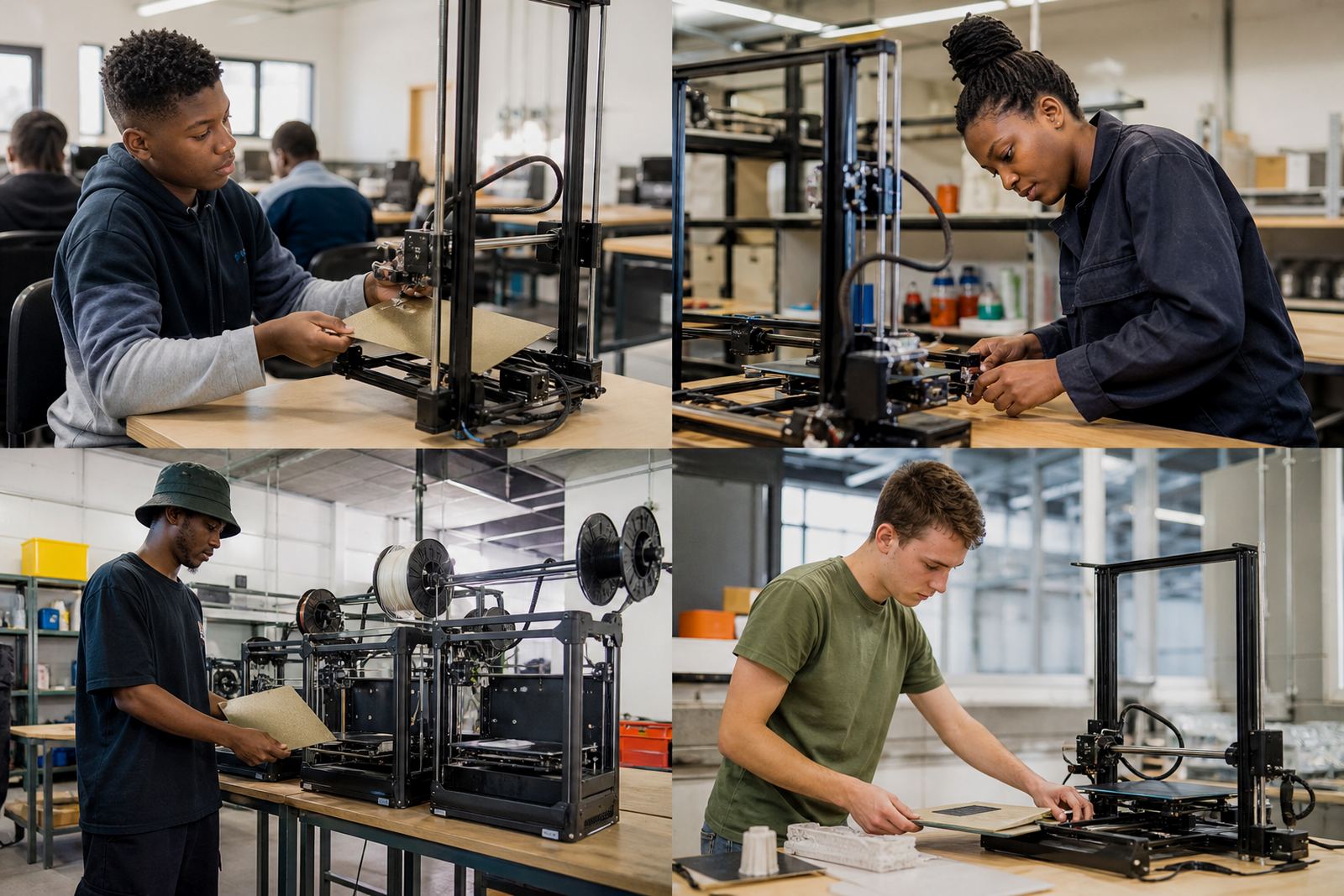
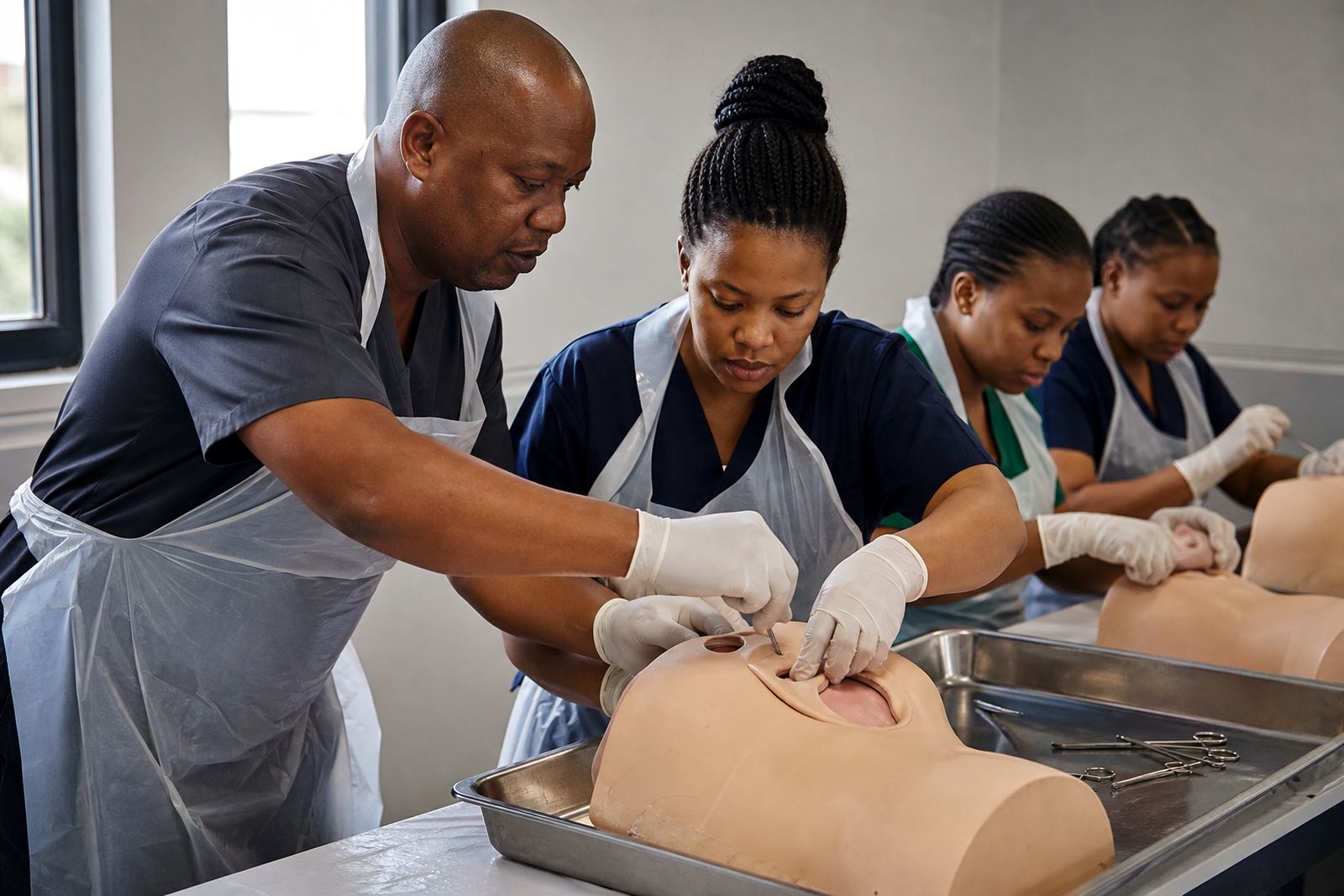
School labs and training centres need equipment that can take regular use by different people, some of them new to 3D printing. That means clear setup, predictable adhesion and parts that are simple to clean between classes. In these spaces, the goal is not only a good print but also a surface learners can understand and use with confidence.
We assist with school lab setup, bed care training and replacement planning so the machines stay useful through the term. For labs in Gauteng, the Western Cape, KwaZulu-Natal and the Free State, climate and power cuts can change print behaviour, so a sensible surface choice matters. Coastal humidity in Cape Town and Durban can affect how filaments behave on the bed, while load-shedding in many areas means the plate and magnet system need to be fitted well from the start.
- Simple, repeatable setup for different users
- Advice for shared machines and limited lab time
- Training on bed cleaning and surface care
- Support for standardising printers across a class or department
Print Farms That Need Consistency
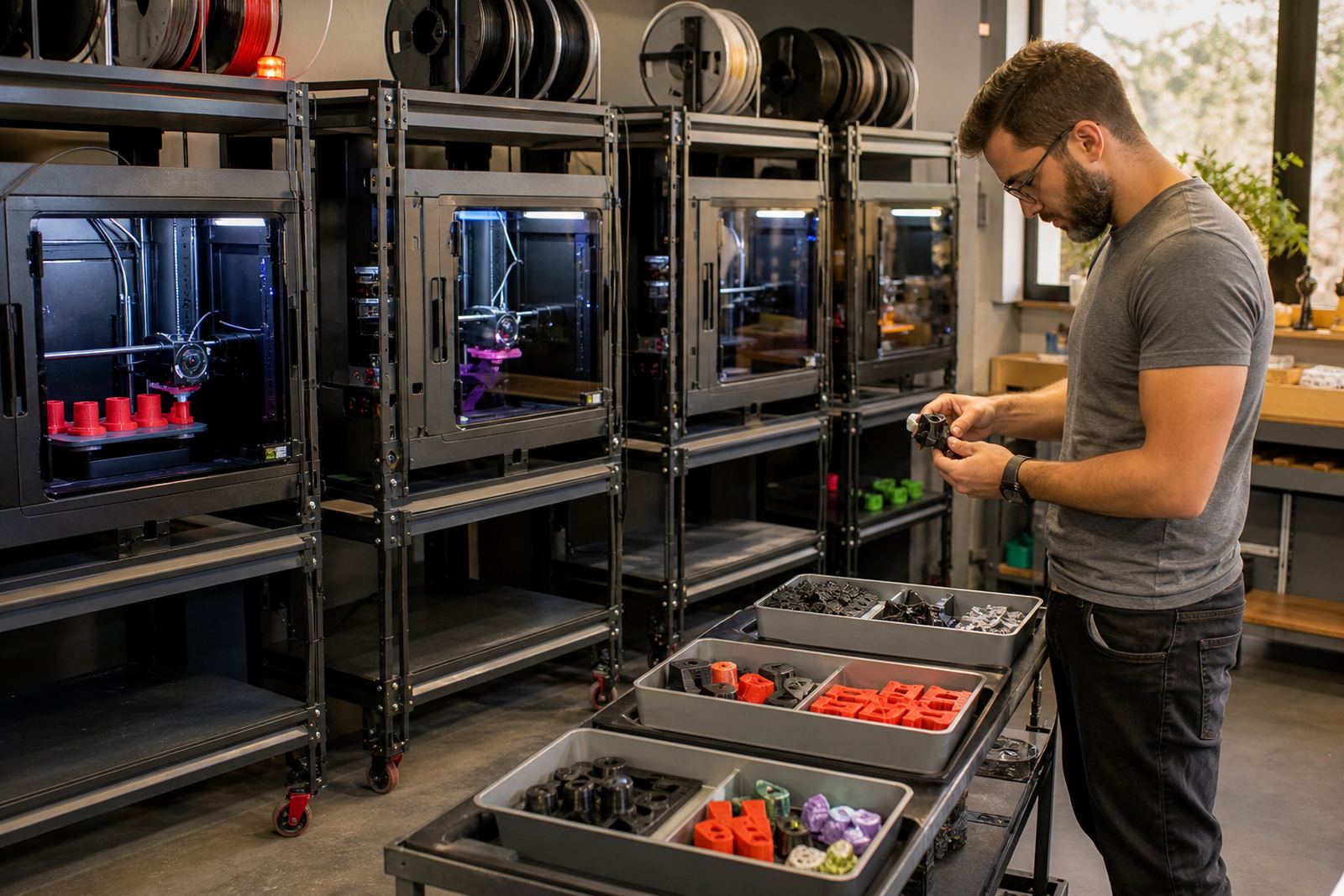
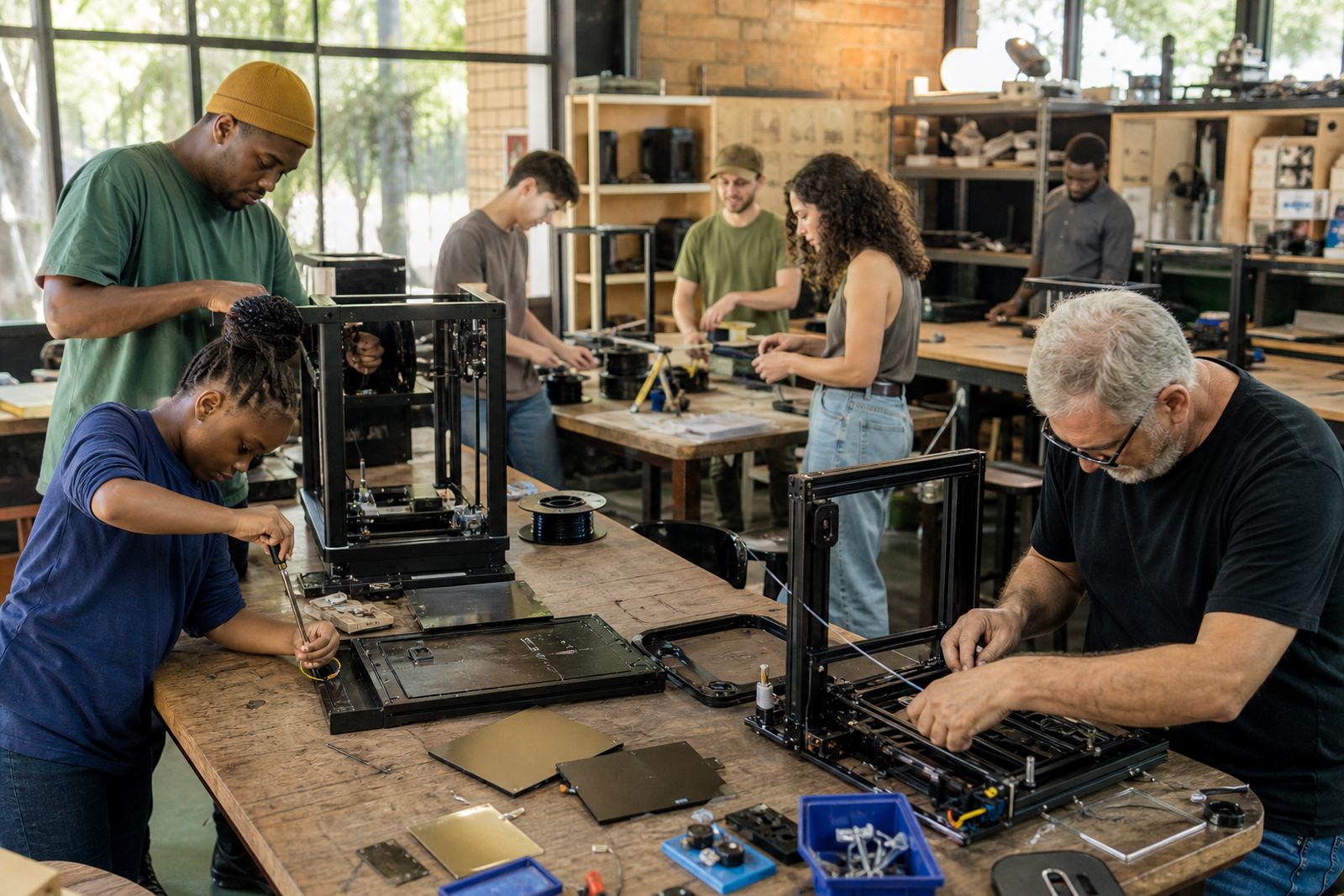
Busy print farms cannot afford a different result on every machine. They need surfaces that hold up under repeated use, with consistent release when the print is done and steady performance across the fleet. For these users, the main question is not just whether a sheet works, but whether it stays dependable across many jobs.
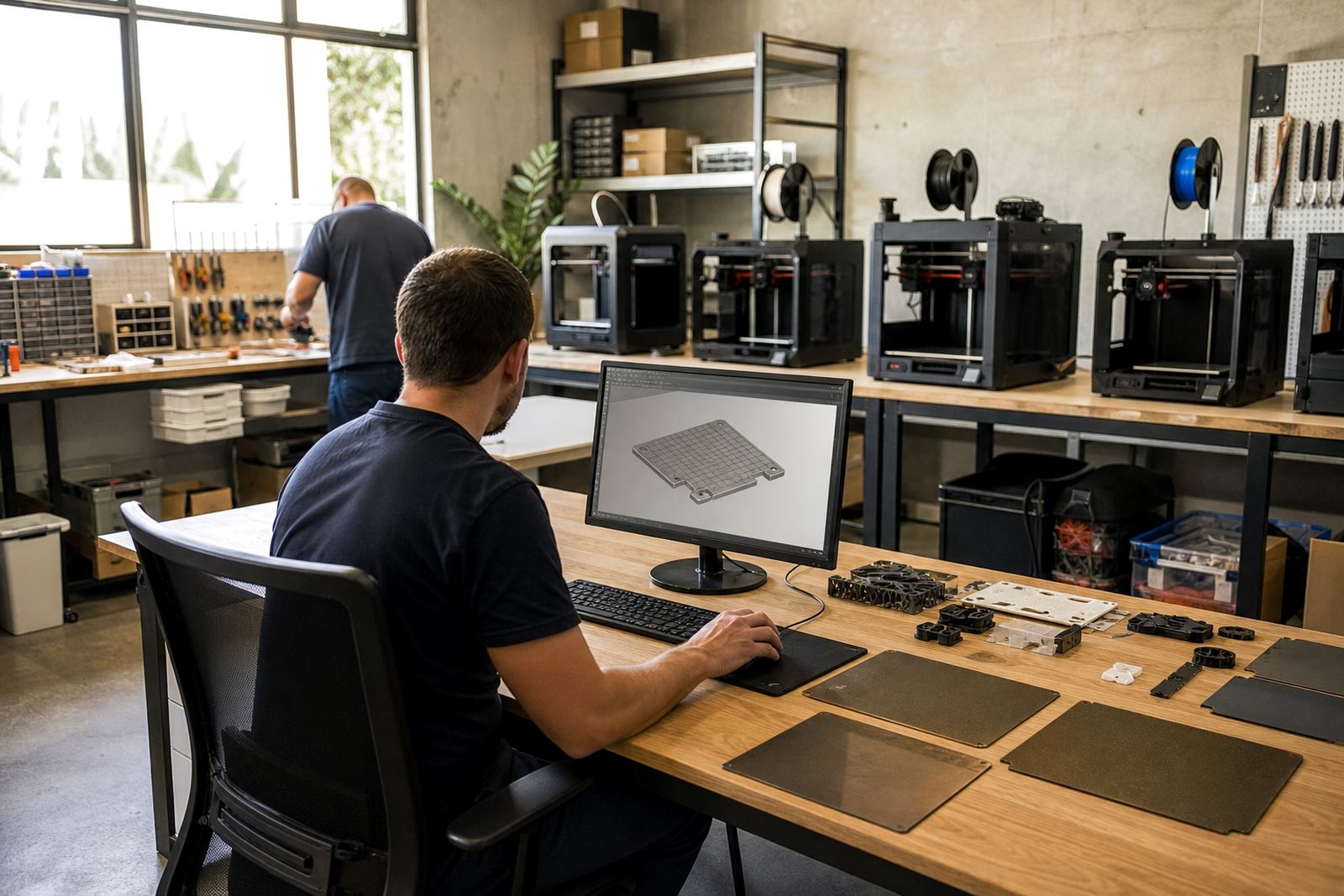
We help production teams with farm standardising, magnetic base fitting, custom size cutting and surface refresh work. That can include checking bed flatness before a new plate goes on, or planning replacement cycles so machines do not all fail at once. If a farm is running in Midrand, Pretoria East or Johannesburg, it helps to have the same setup on each unit, because that cuts down on operator error and waste.
- More consistent first layers across multiple machines
- Better planning for wear and replacement
- Support for shared settings and repeat jobs
- Less downtime from uneven or damaged surfaces
Professionals Printing for Clients
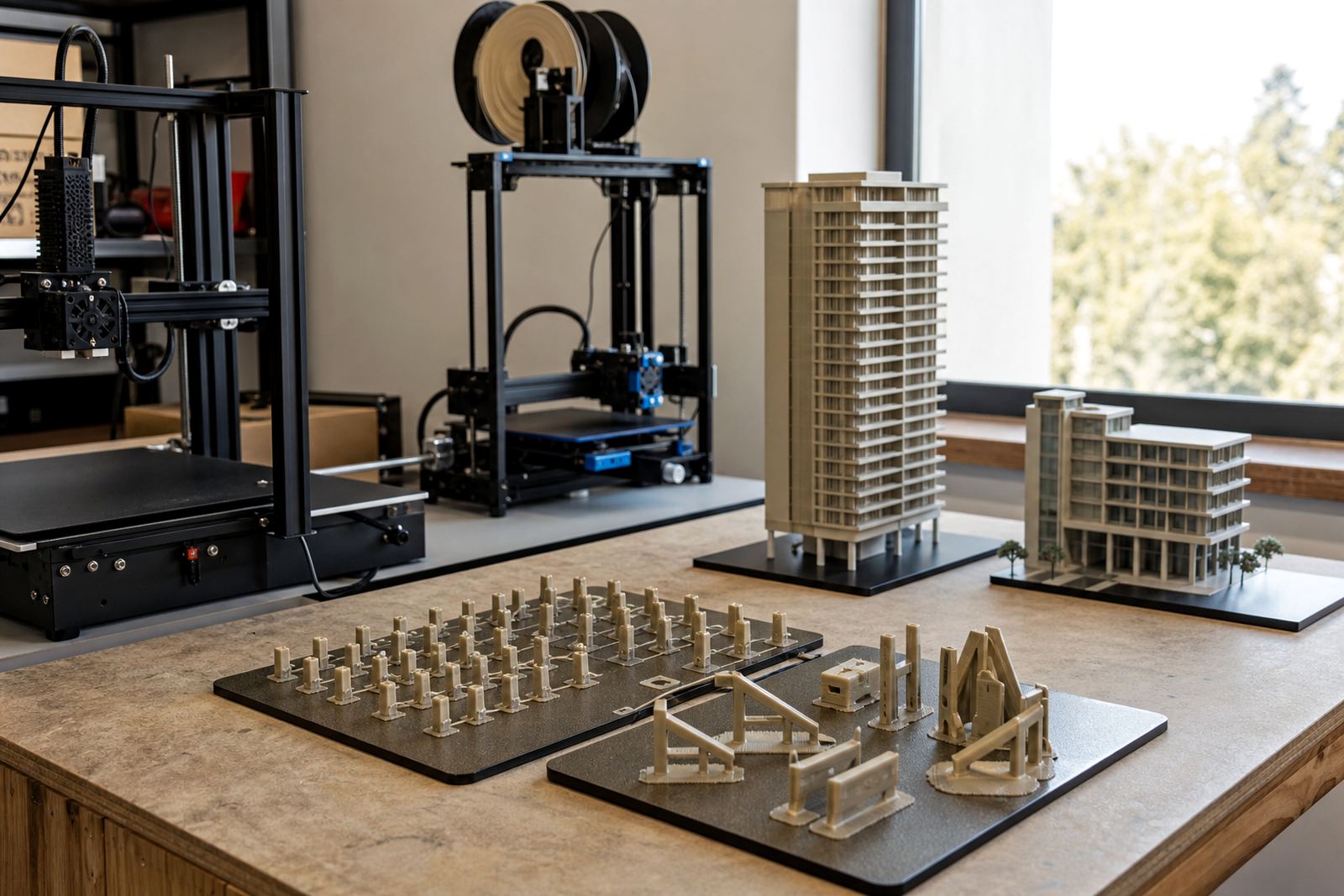
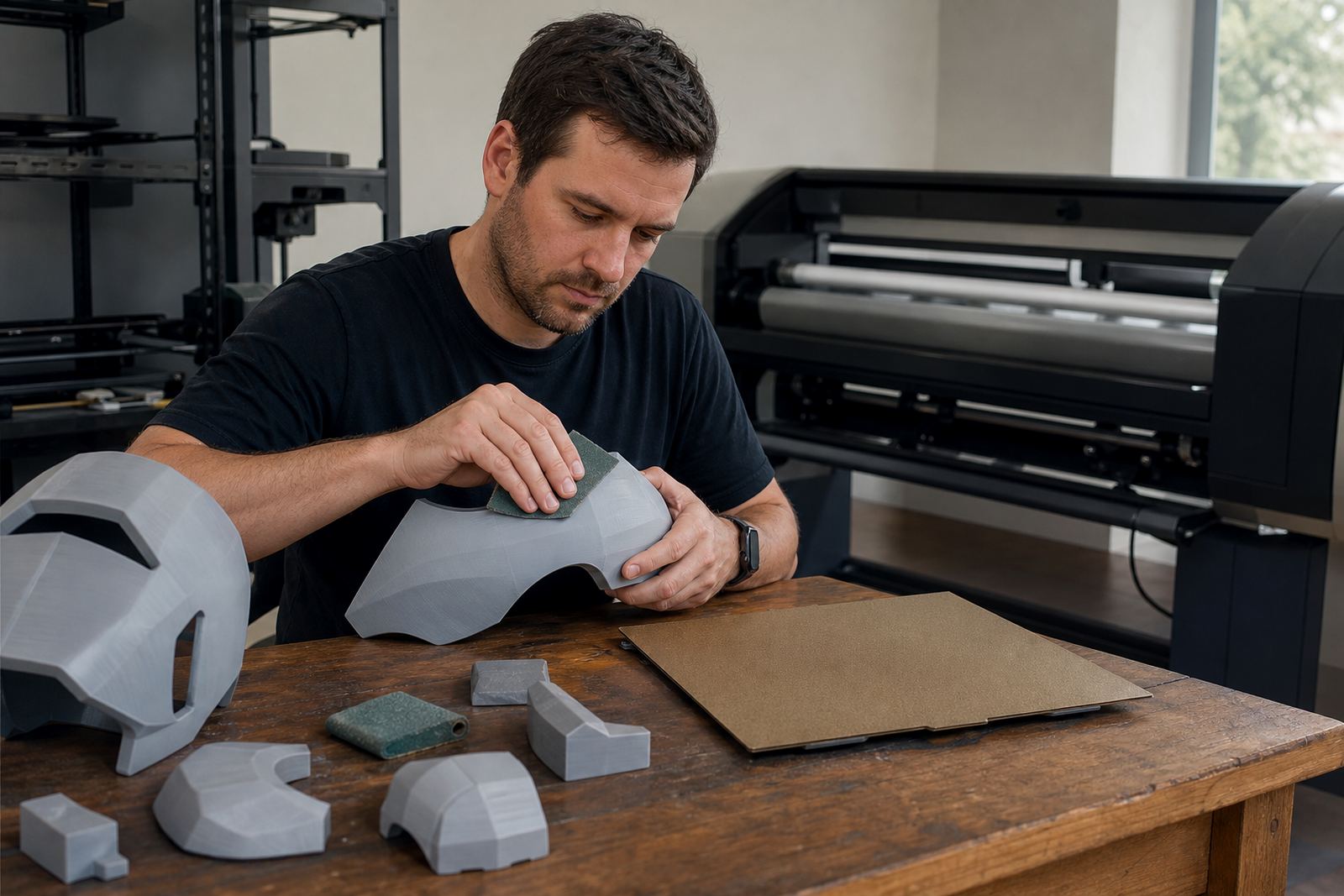
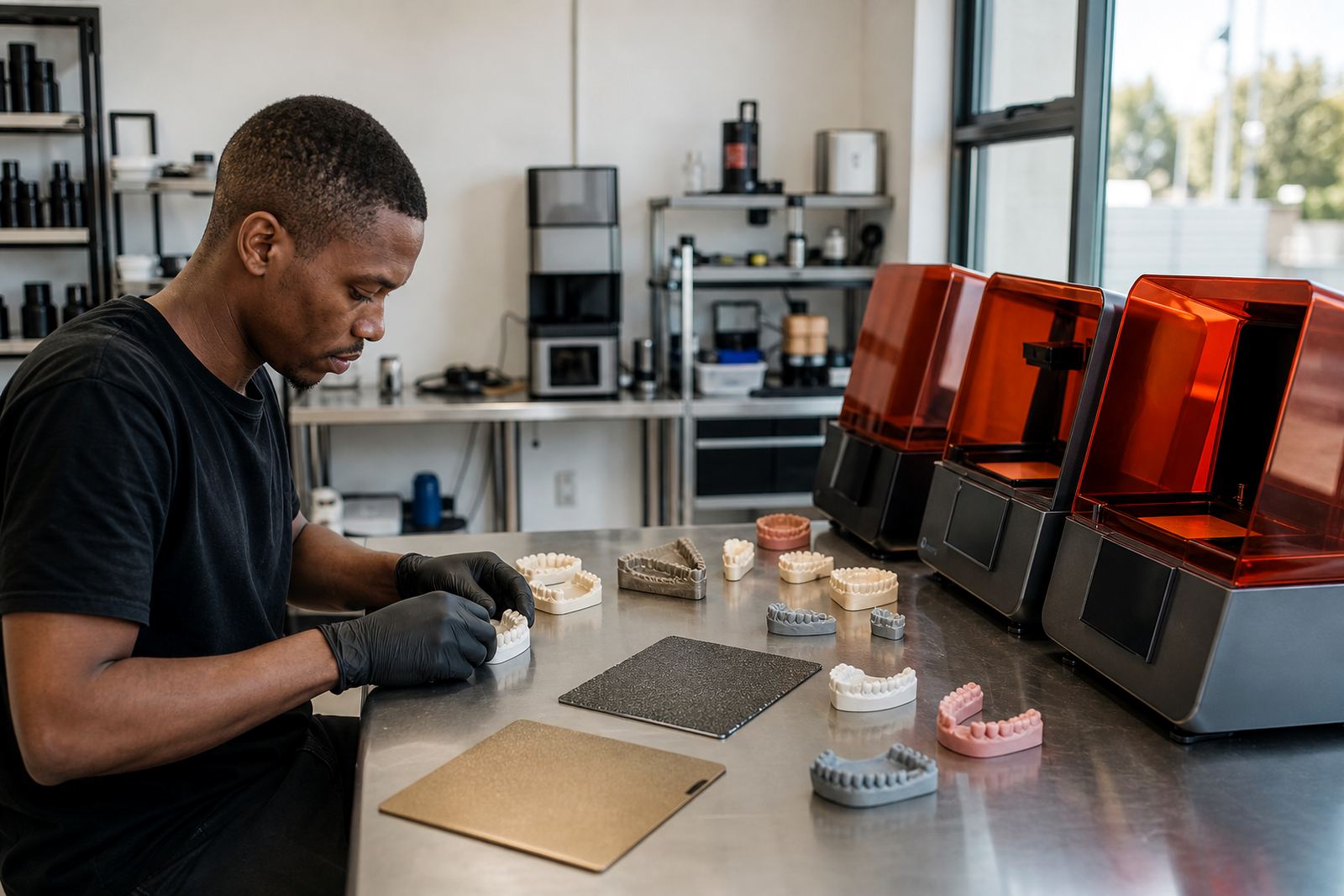
Some users print for paying clients and need finished parts to come off the bed cleanly, with less marking and less rework. These customers often print functional parts, prototypes or short runs, so the bed surface has to suit the job instead of forcing the job to suit the machine. A poor first layer can waste material and upset a delivery schedule very quickly.
We work with users who need plate installation, PEI sheet fitting and adhesion troubleshooting for a mix of materials and part sizes. In many cases, the right answer is a good fit on the bed and a surface matched to the printer, rather than more force or more heat. That keeps the process practical and repeatable.
Users Near the Coast and in Hot, Dry Areas
South African conditions are not the same everywhere. A setup that works well in Bloemfontein may behave differently in Durban, Cape Town or Gqeberha, where humidity and temperature swings can affect how filament behaves and how parts release. In dry inland areas dust can also build up faster on open machines, which affects adhesion if the surface is not cared for.
That is why our advice takes location into account. We look at the printer, the room, the material and the working routine. In some cases a surface refresh is enough, in others a replacement plate or a magnet fitting gives a better result. Small changes can make the machine far easier to live with day after day.
How To Choose the Right Support
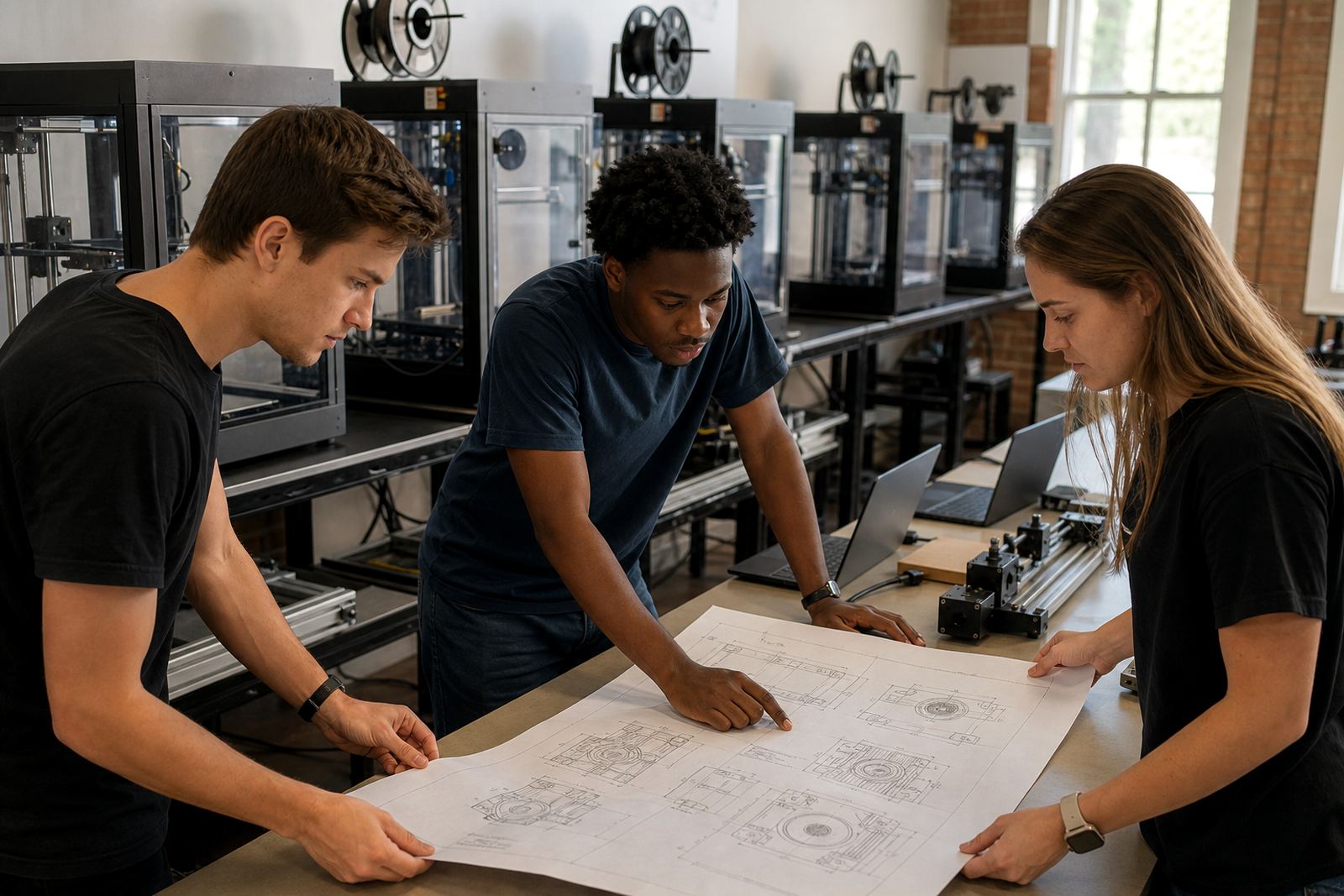
If you are not sure where you fit in, start with the way you print. A home maker, a school lab and a production team may all use the same printer size, but they do not need the same support. One might want a basic replacement plate, another may need custom cutting and training, while a third needs a full fleet plan. We keep the advice focused on the machine and the job, not on selling more than is needed.
Clients reach us through the enquiry form on our contact page, and we use that to guide the next step. If you need one plate or a full set for several machines, tell us the printer model, bed size and what you print most often. That gives us enough detail to recommend the right path, without wasting your time.
From Centurion to Cape Town, people come to LayerPad because they want adhesion that holds when it should and releases when it must. That is the point for beginners, schools and print farms alike.