

Practical reading for better first layers
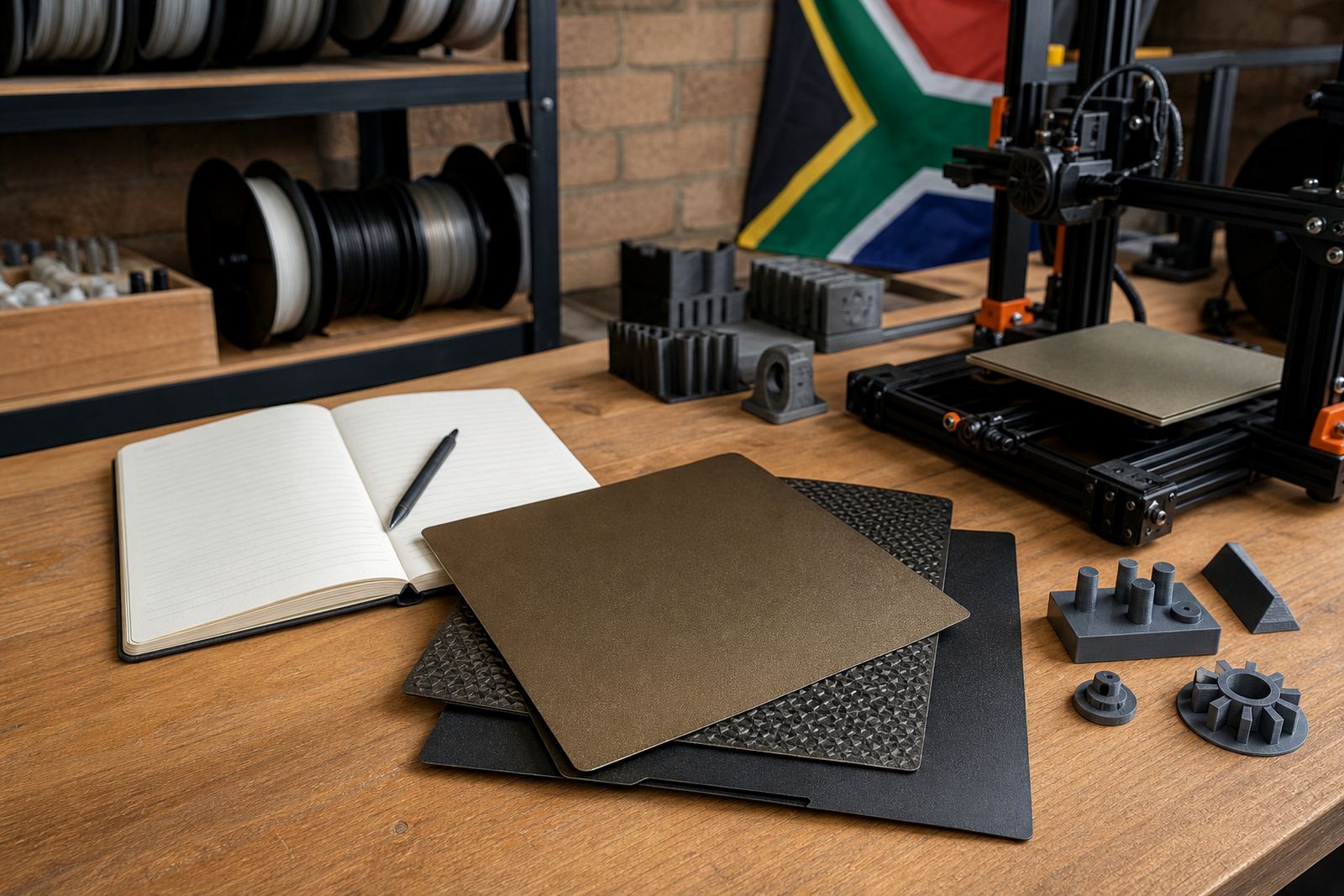
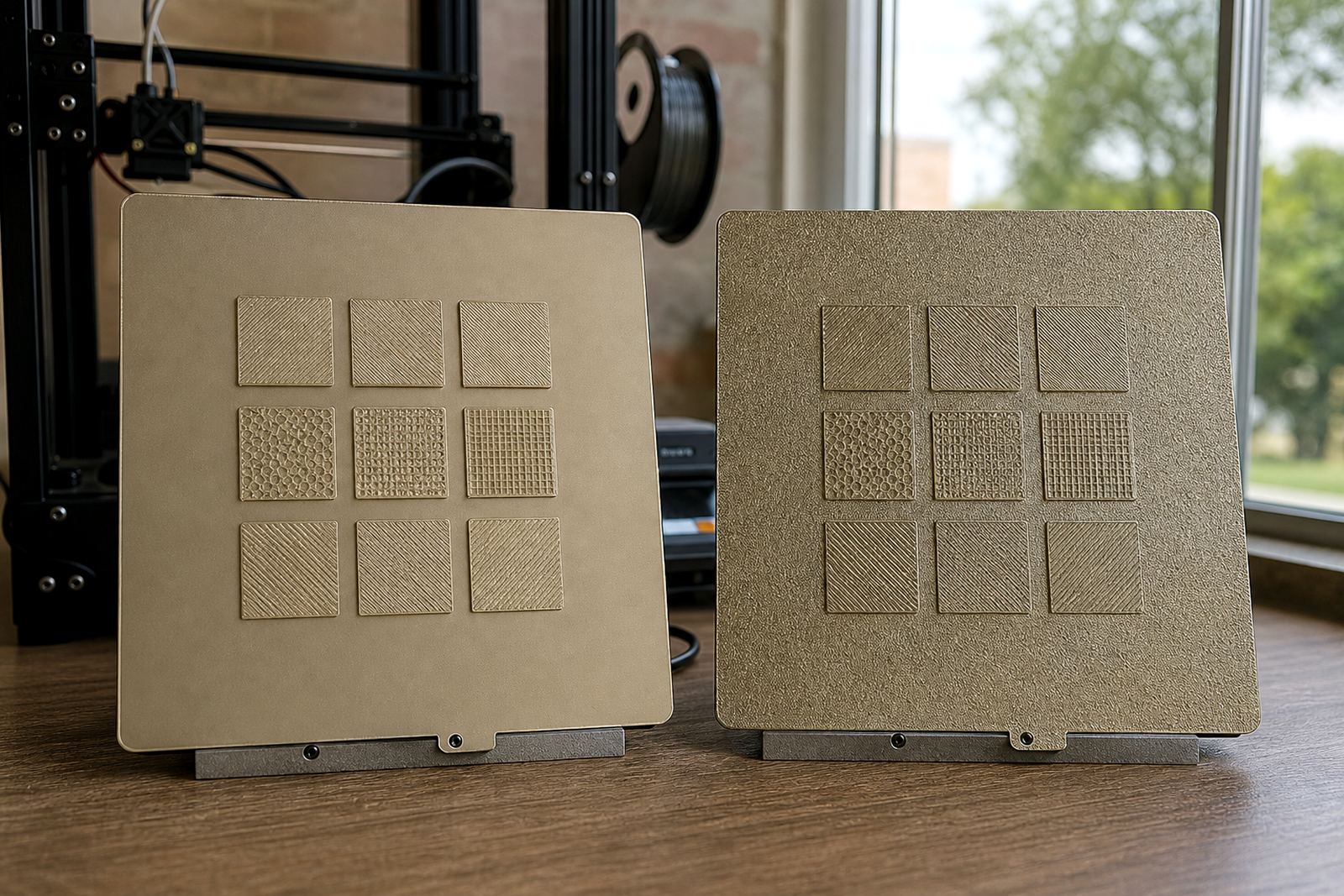
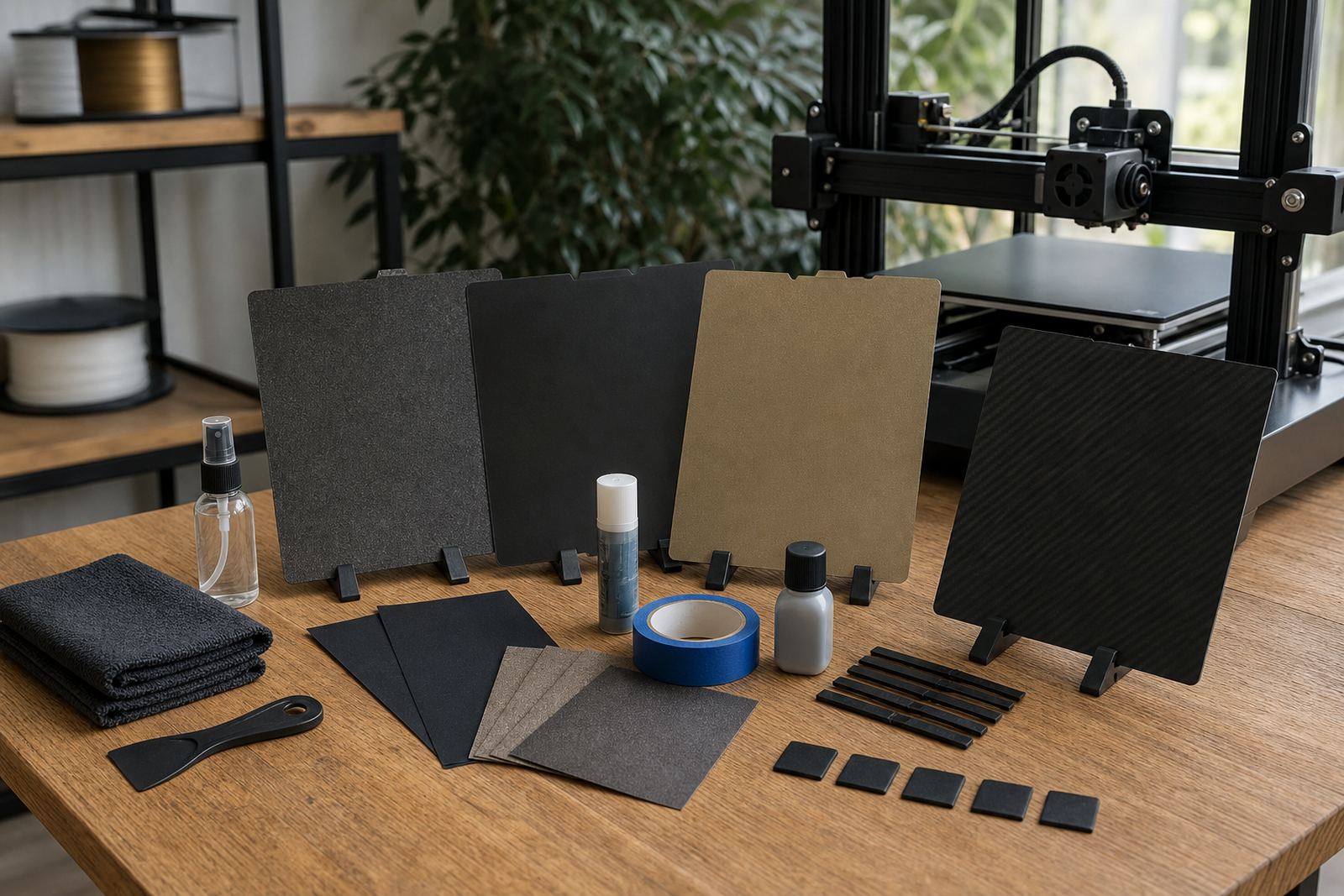
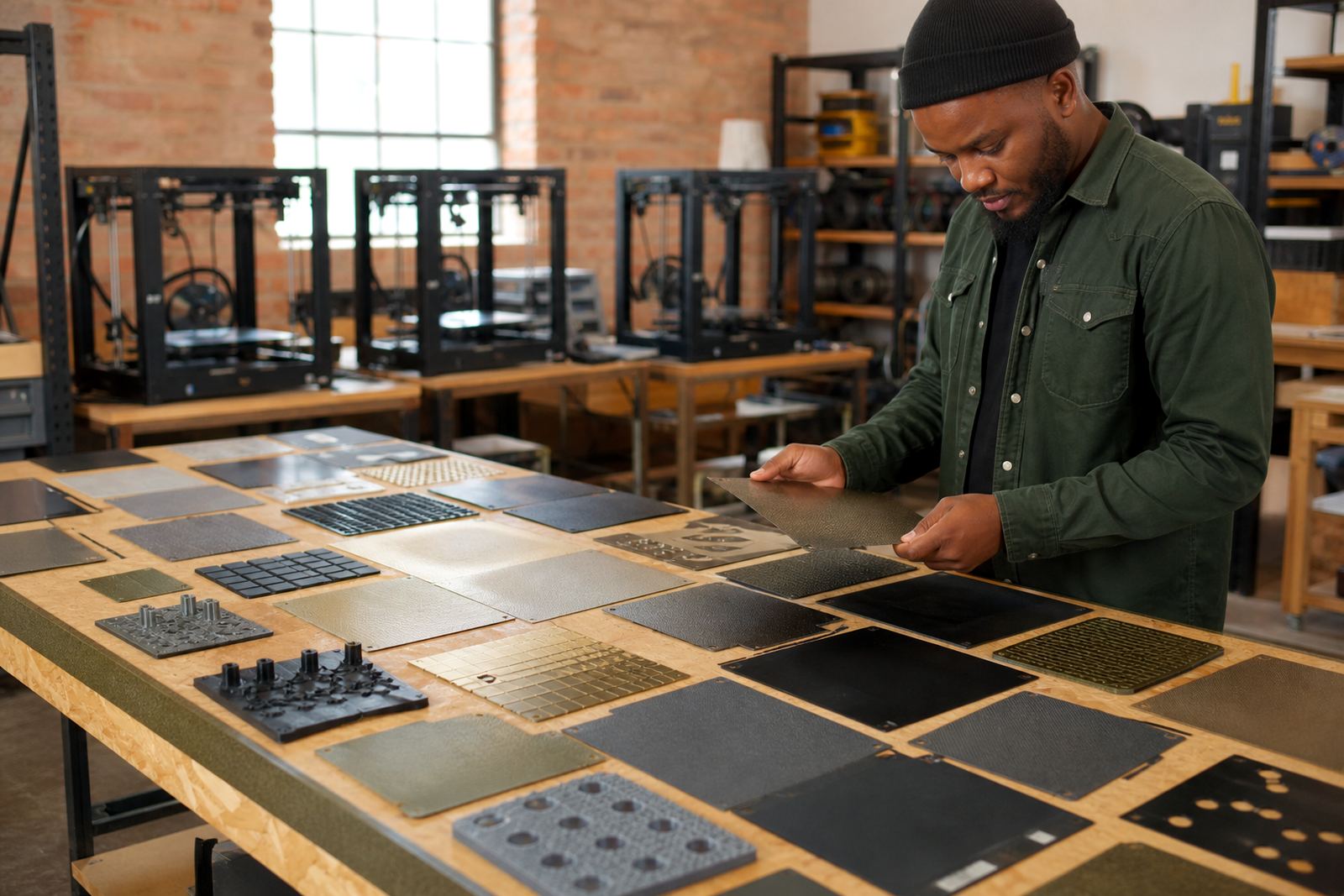
This journal brings together clear, workshop-ready articles for people who print at home, in classrooms, and on production lines. If you are comparing PEI sheets, checking whether a smooth or textured surface suits your parts, or trying to cut down on failed starts after a power cut, the aim is to give you useful steps not theory for its own sake.
South African printing conditions can change quickly. A job that runs well in dry Gauteng air may behave differently in coastal humidity in Cape Town or Durban, so the articles focus on everyday settings, part release, and how to keep your build surface consistent between batches. The listings below are added separately, while this hub helps you decide where to start.
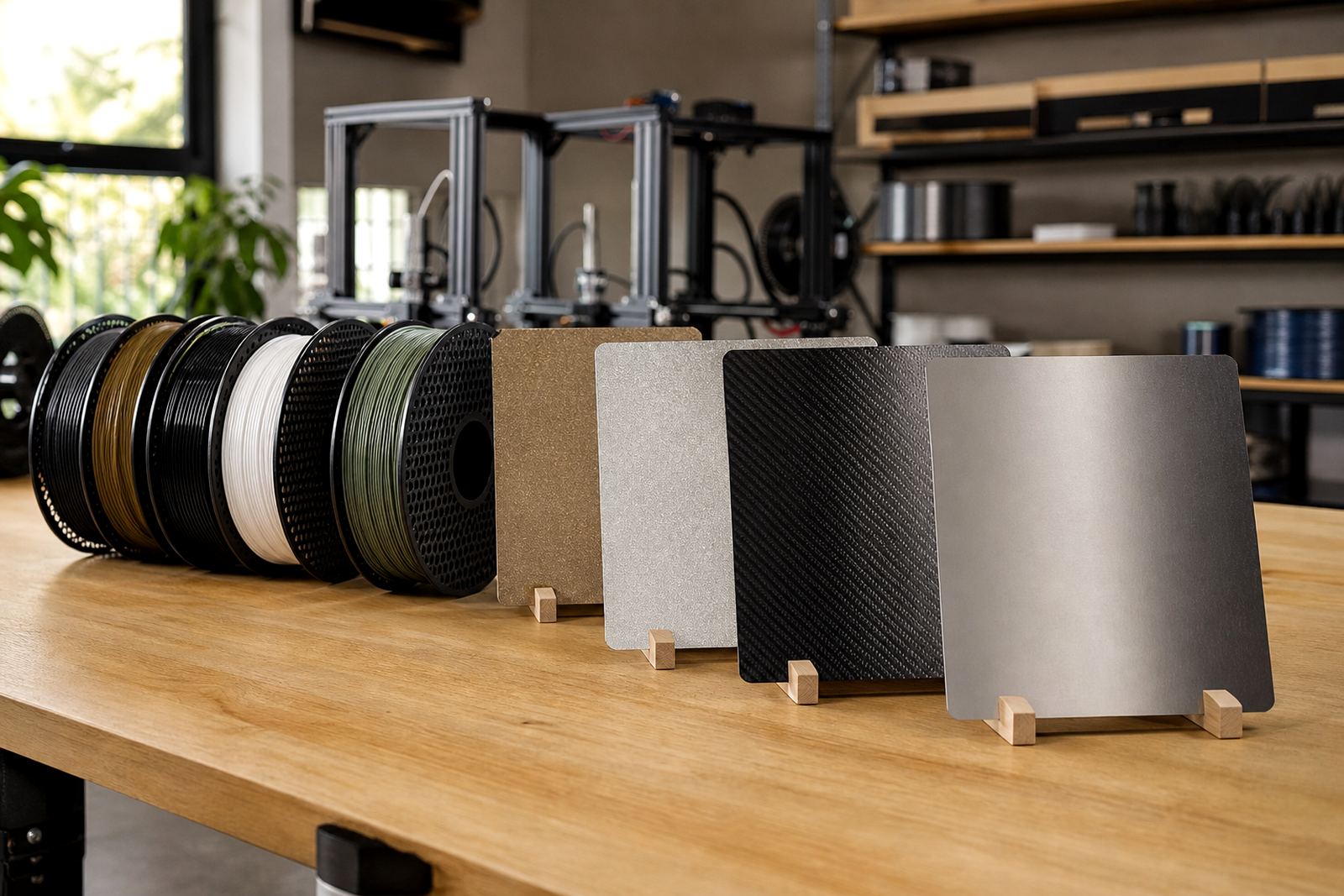
How to choose the right article for your setup
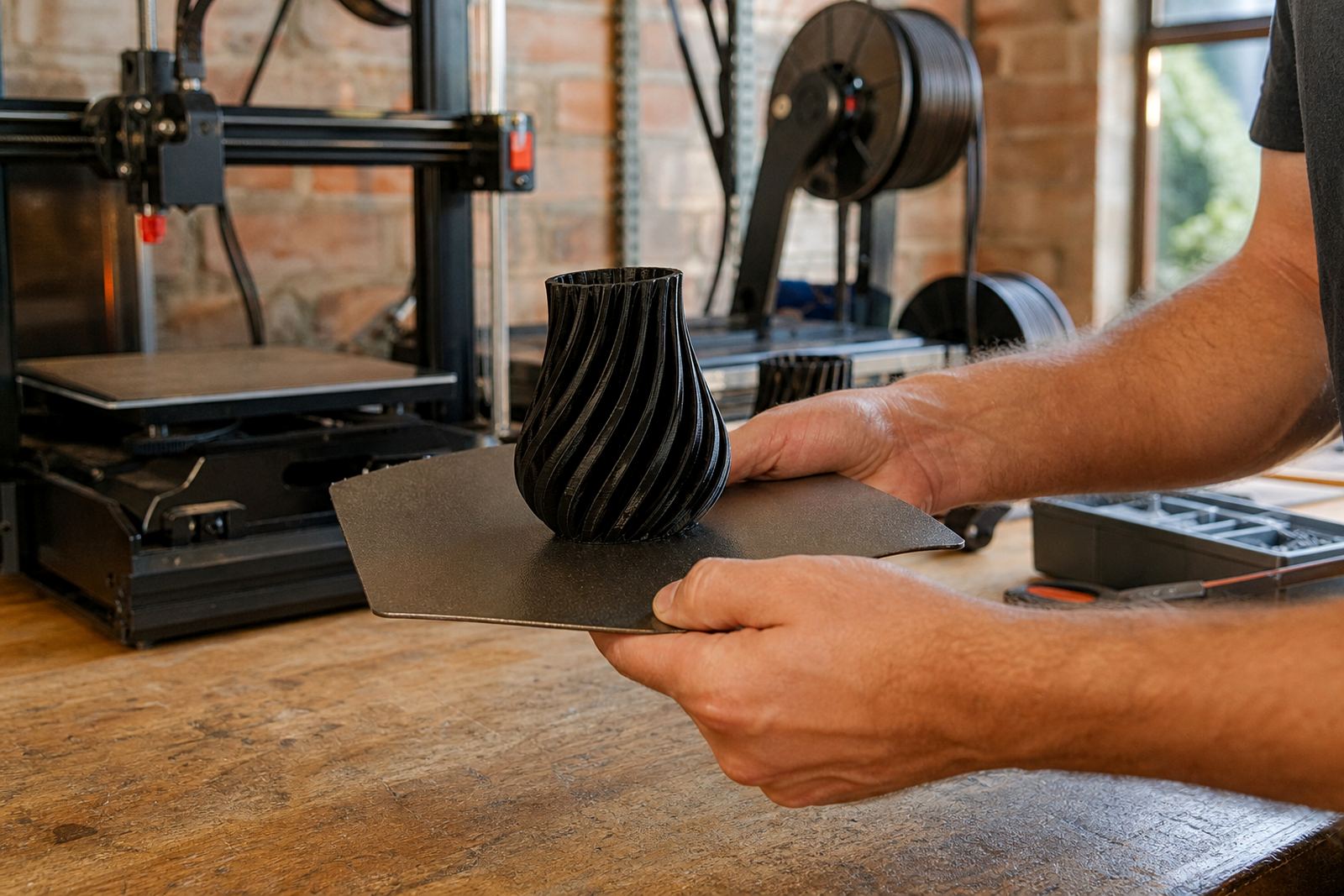
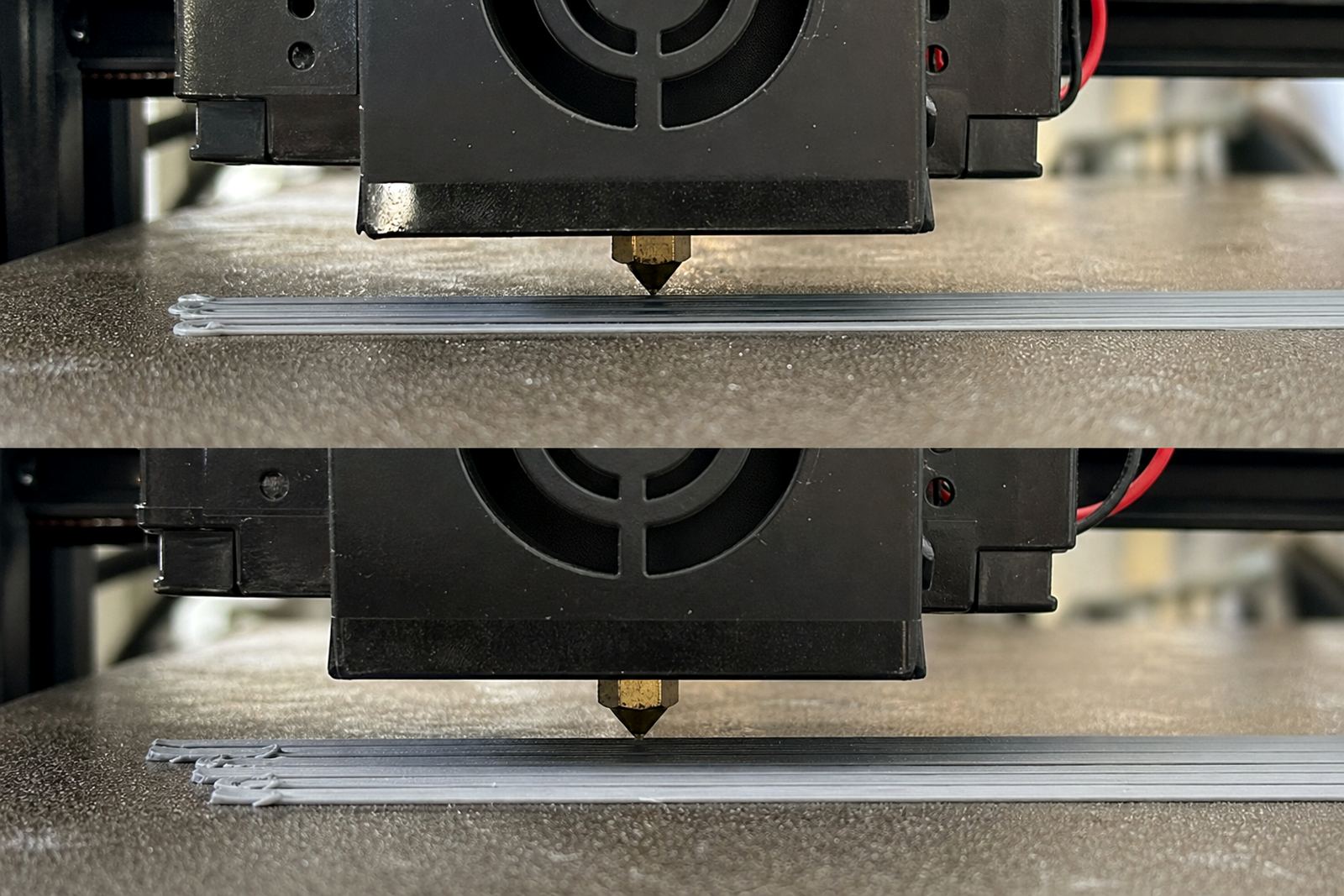
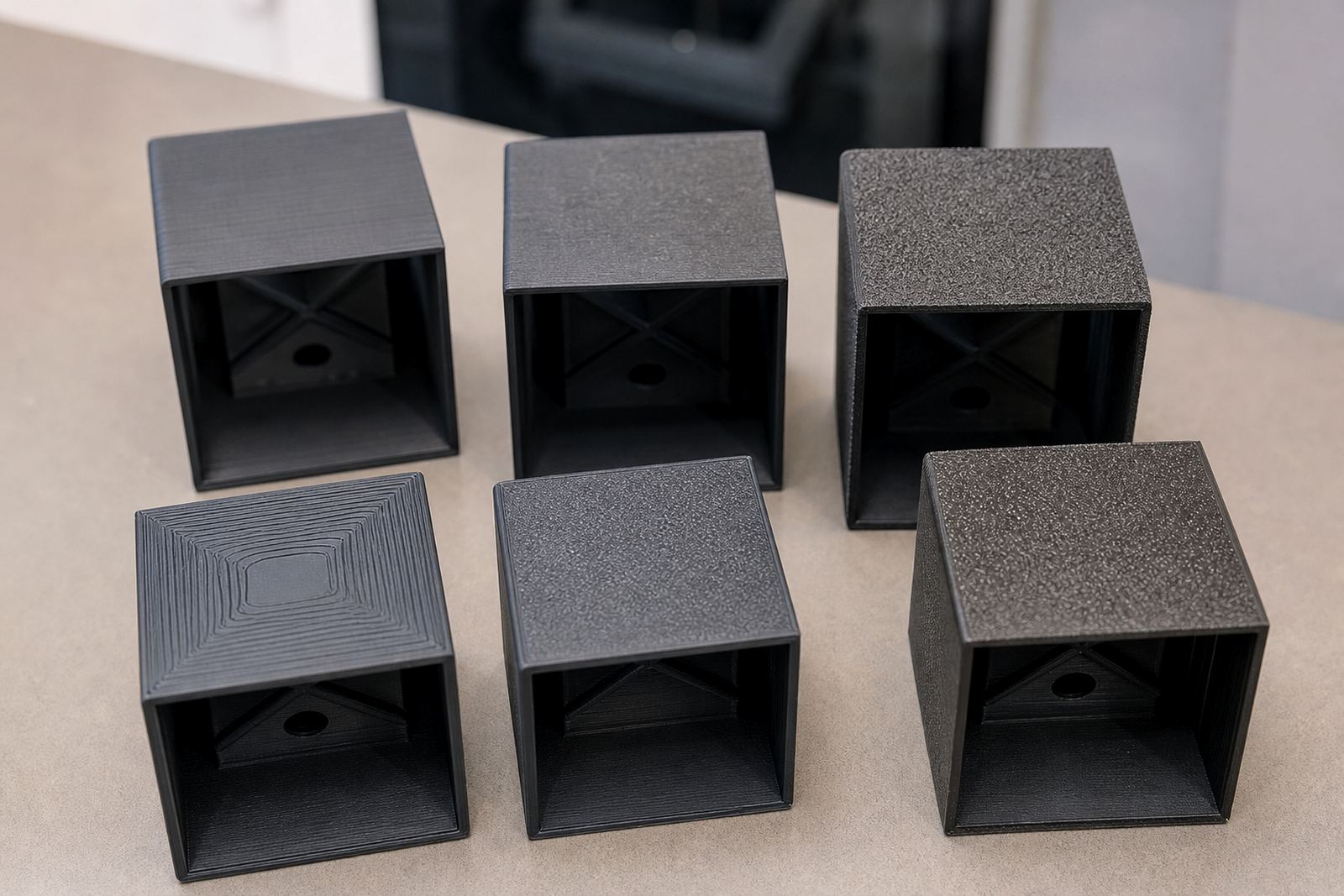
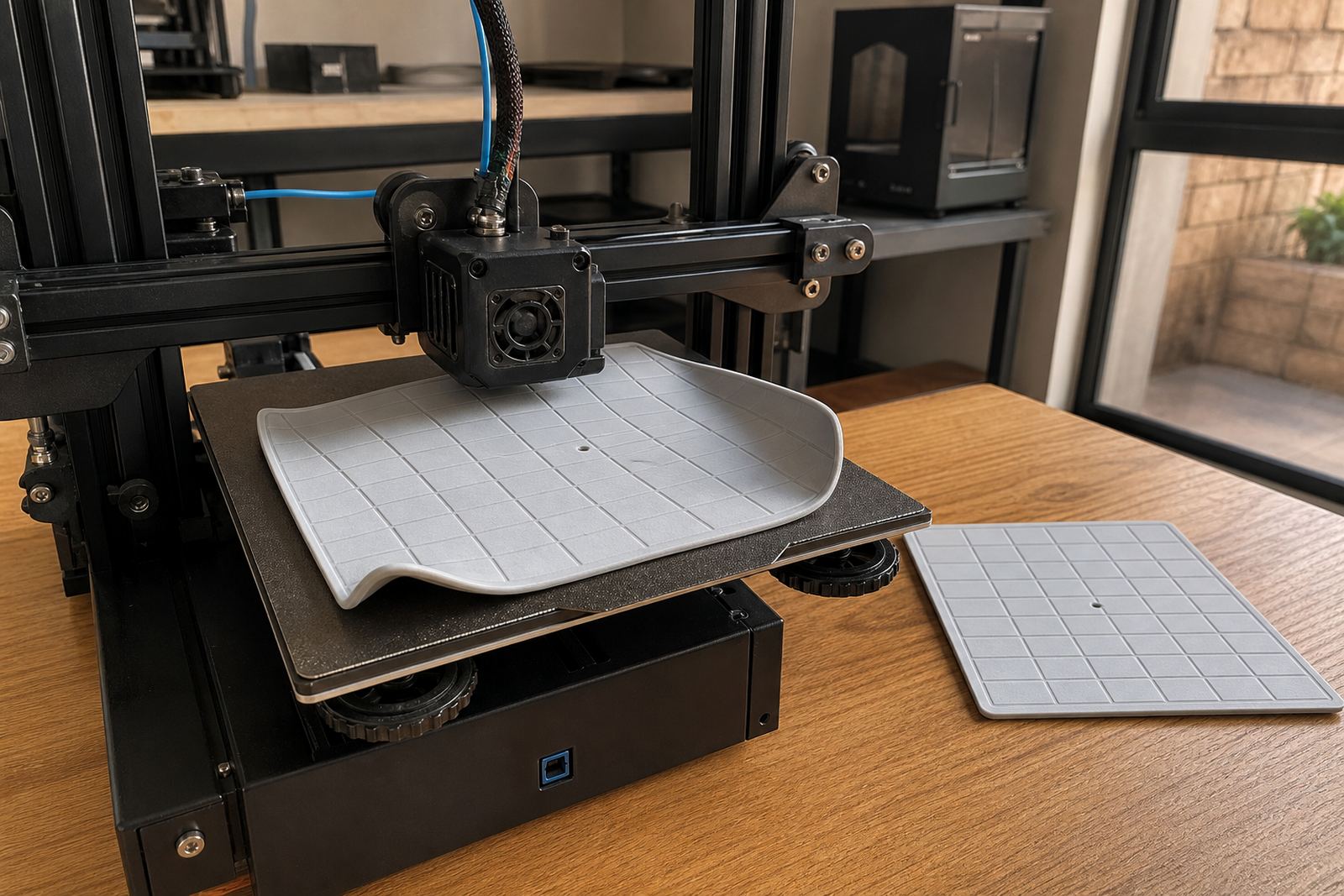
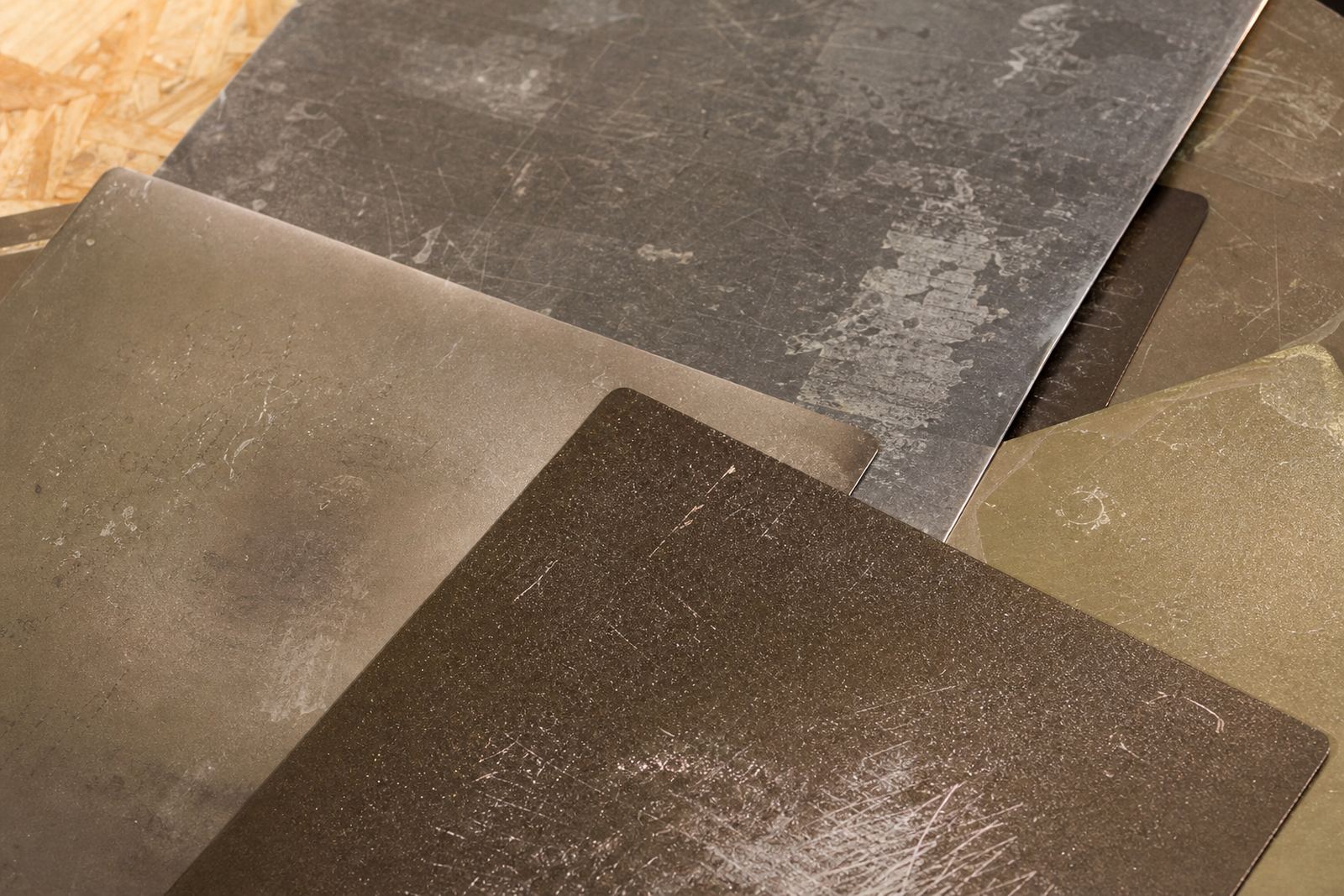
Start with the issue in front of you. If the problem is warping, look for adhesion guidance. If the print sticks too hard or leaves marks, read about surface selection and release behaviour. If your plate has a worn centre spot after months of use, maintenance and replacement planning will be more helpful than a general buying guide.
- New users: begin with bed adhesion basics and plate care.
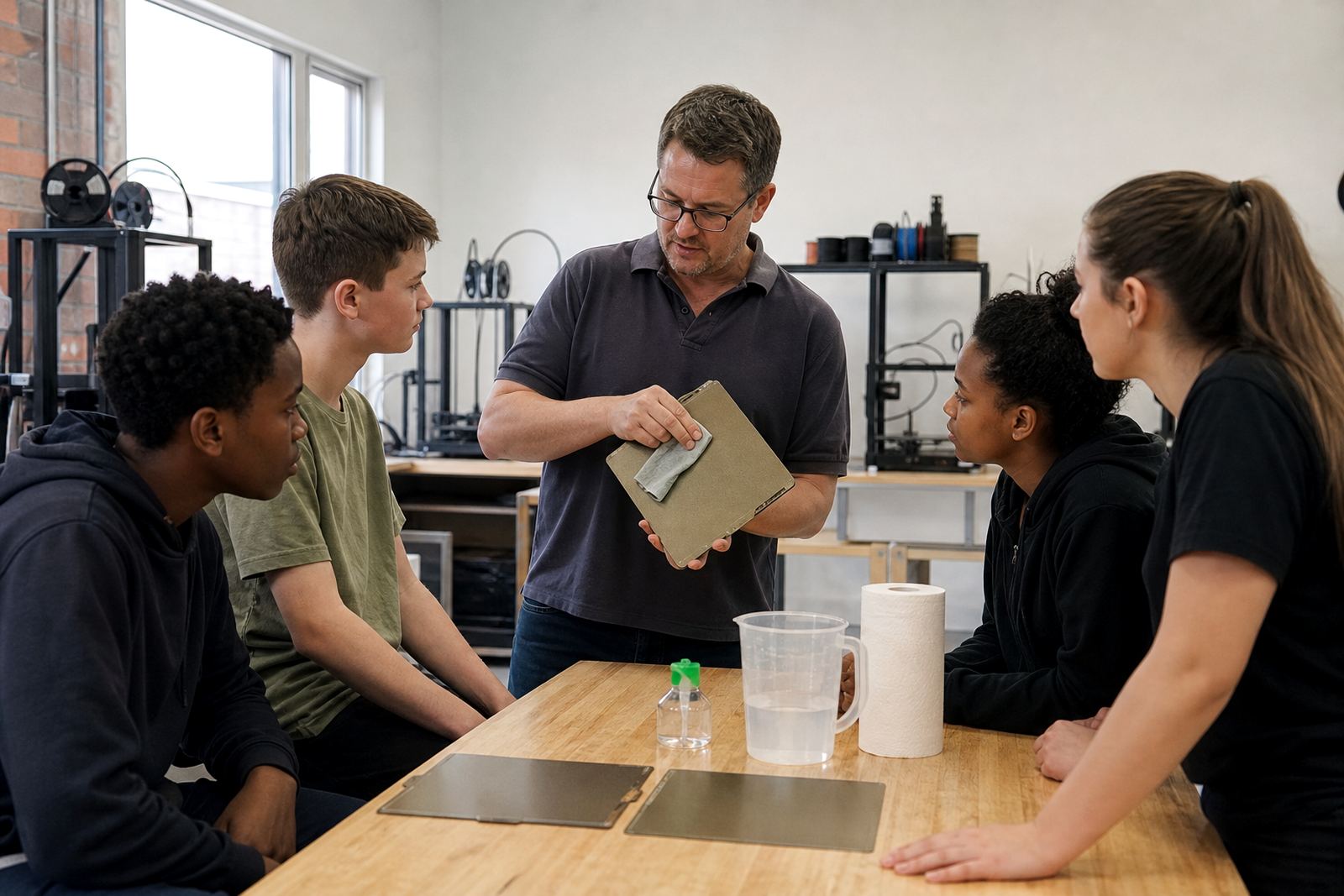
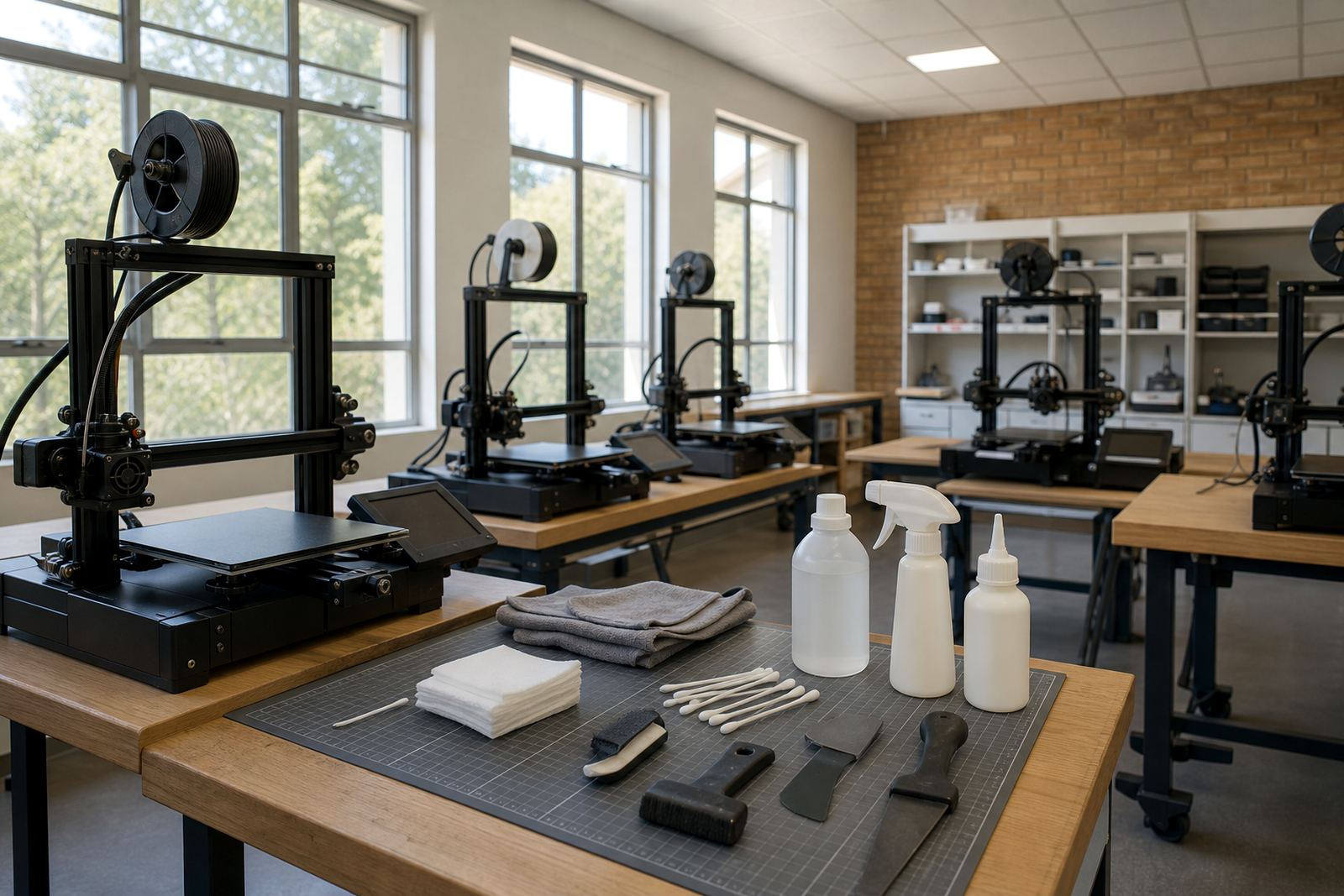
- Schools: look for simple setup notes, safe handling and repeatable classroom routines.
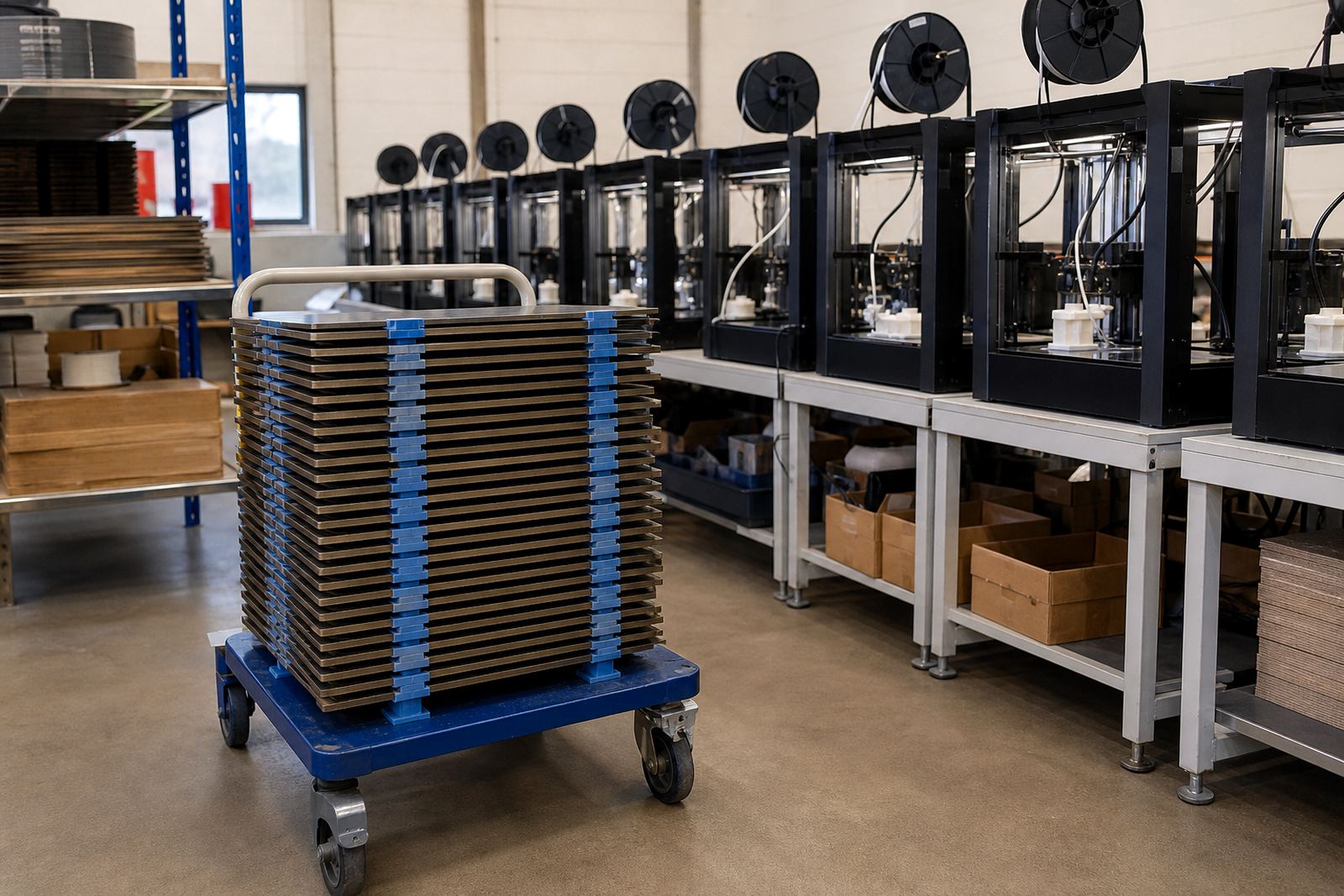
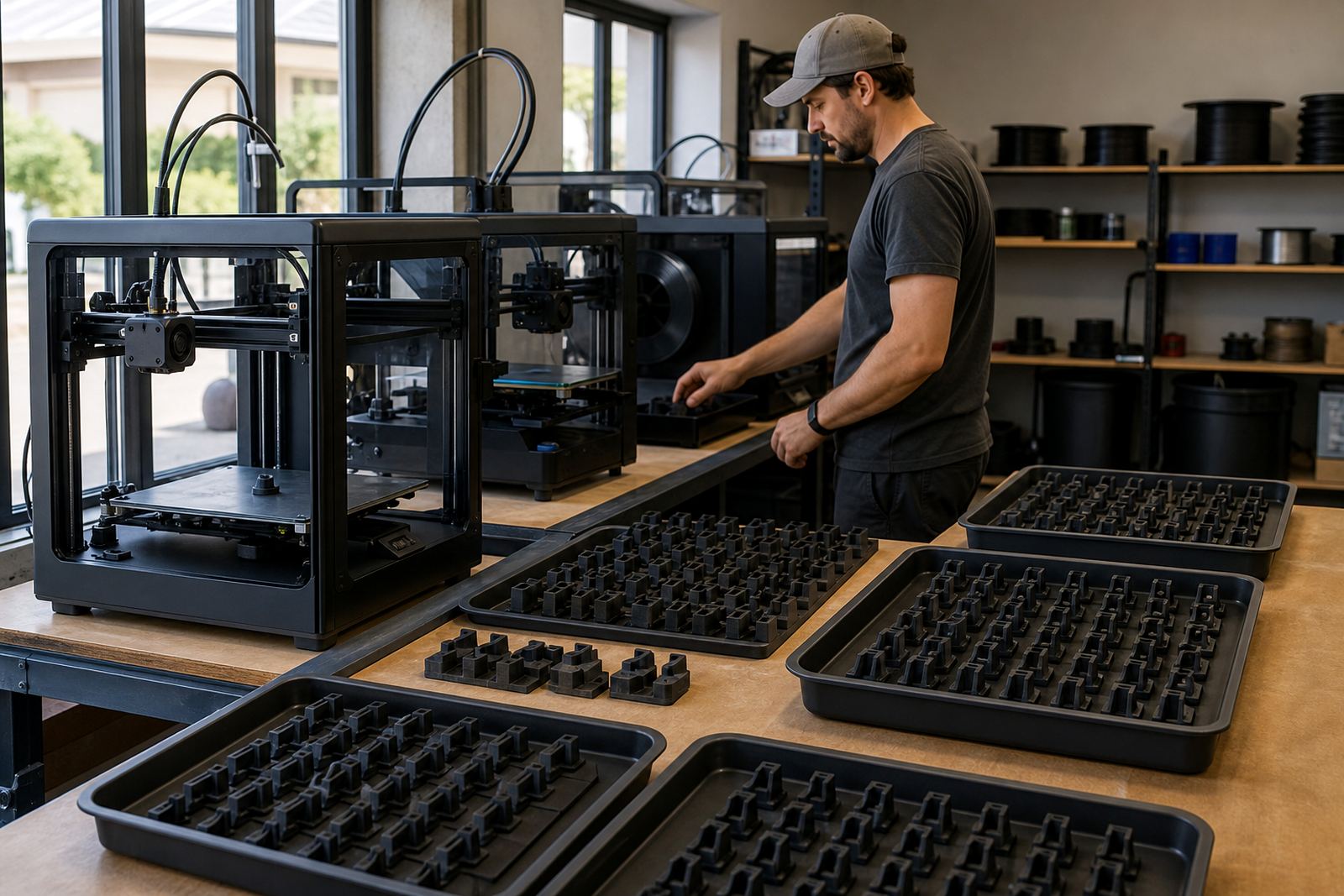
- Print farms: focus on standardising surfaces, changeover timing and replacement planning.
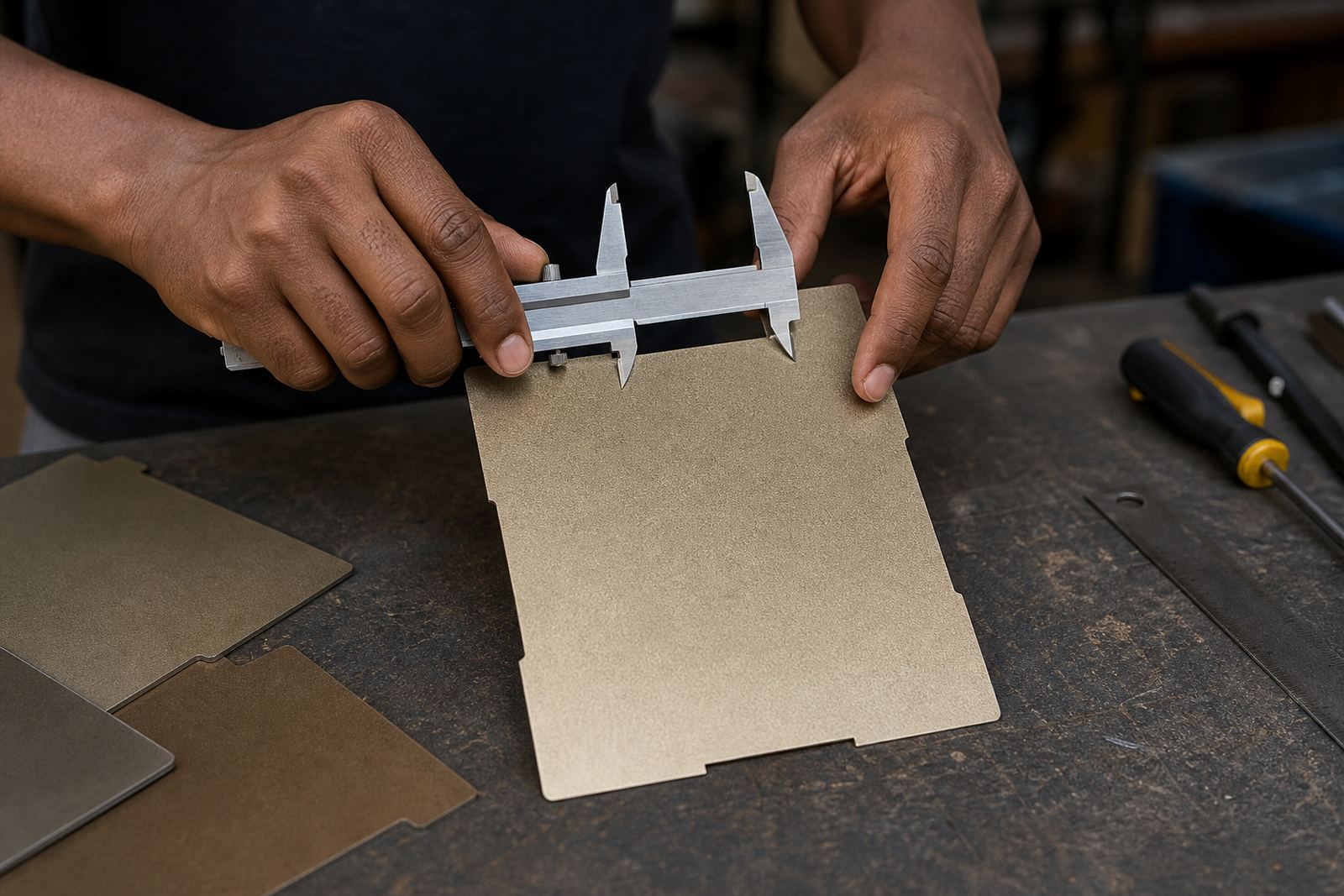
- Custom work: use the sections on size choice, fit checks and part release control.
We keep the advice practical for Centurion, Pretoria, Johannesburg and further afield, because a reliable setup matters whether you are printing a single prototype or a full tray of parts before courier collection.
What you will find in the journal
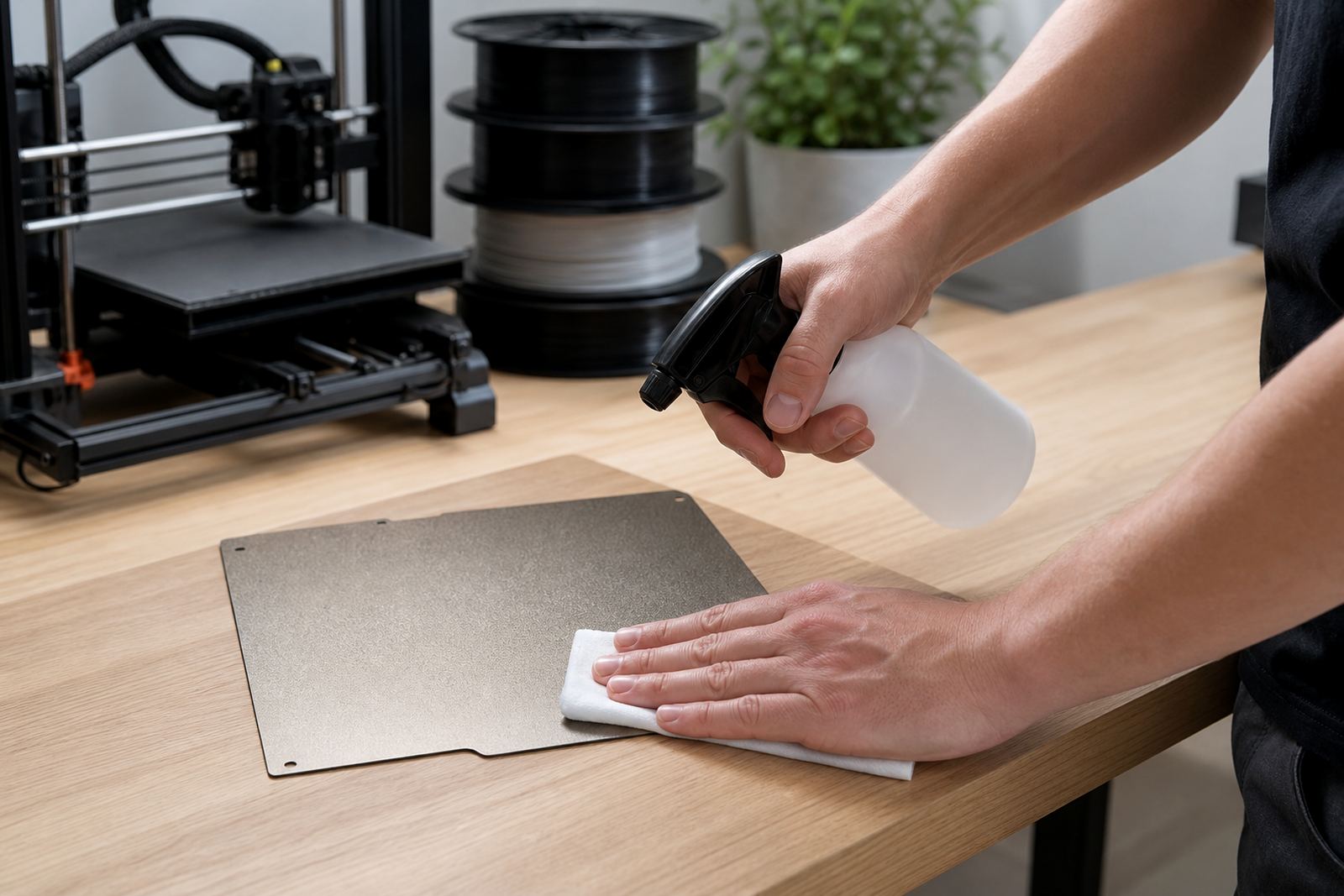
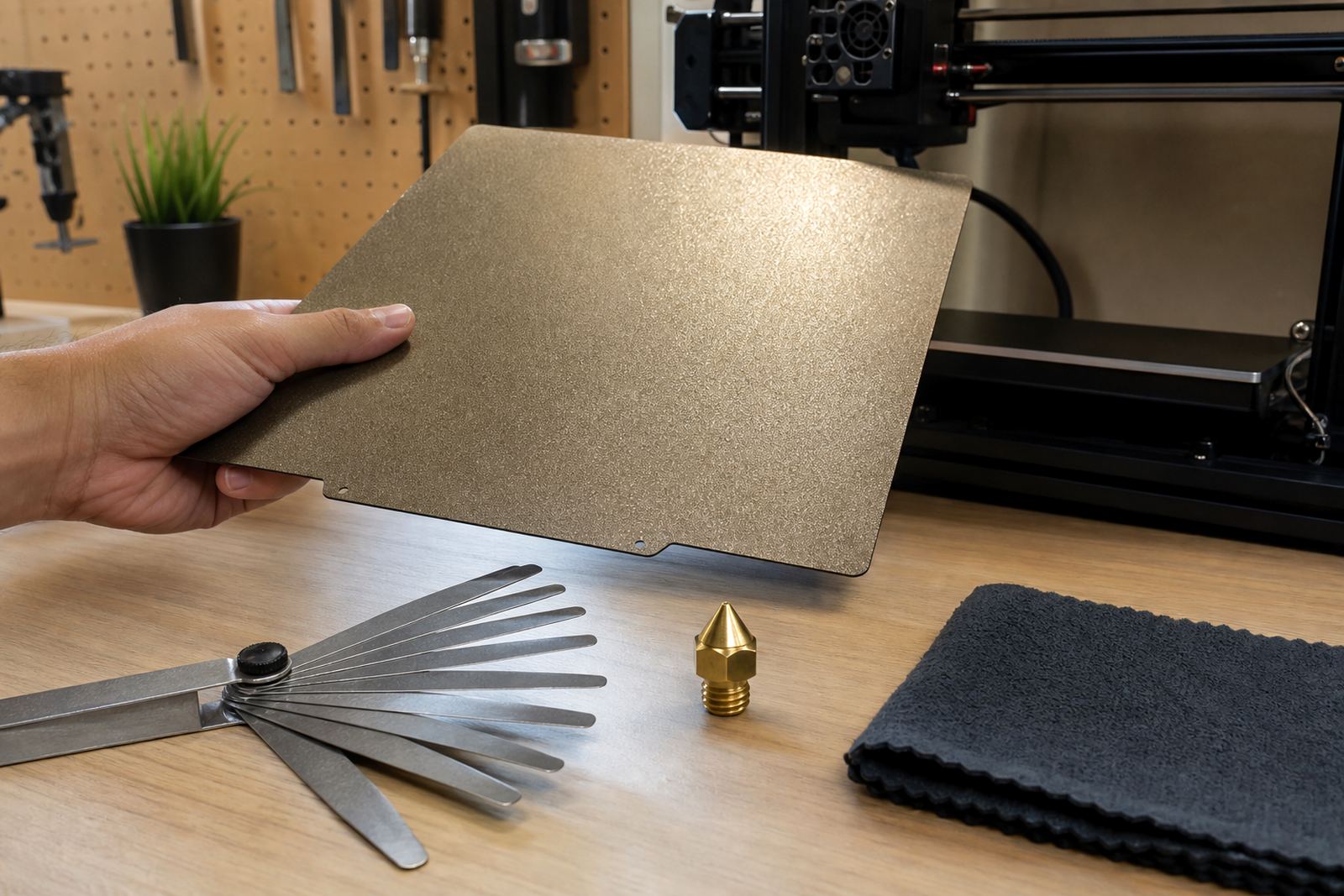
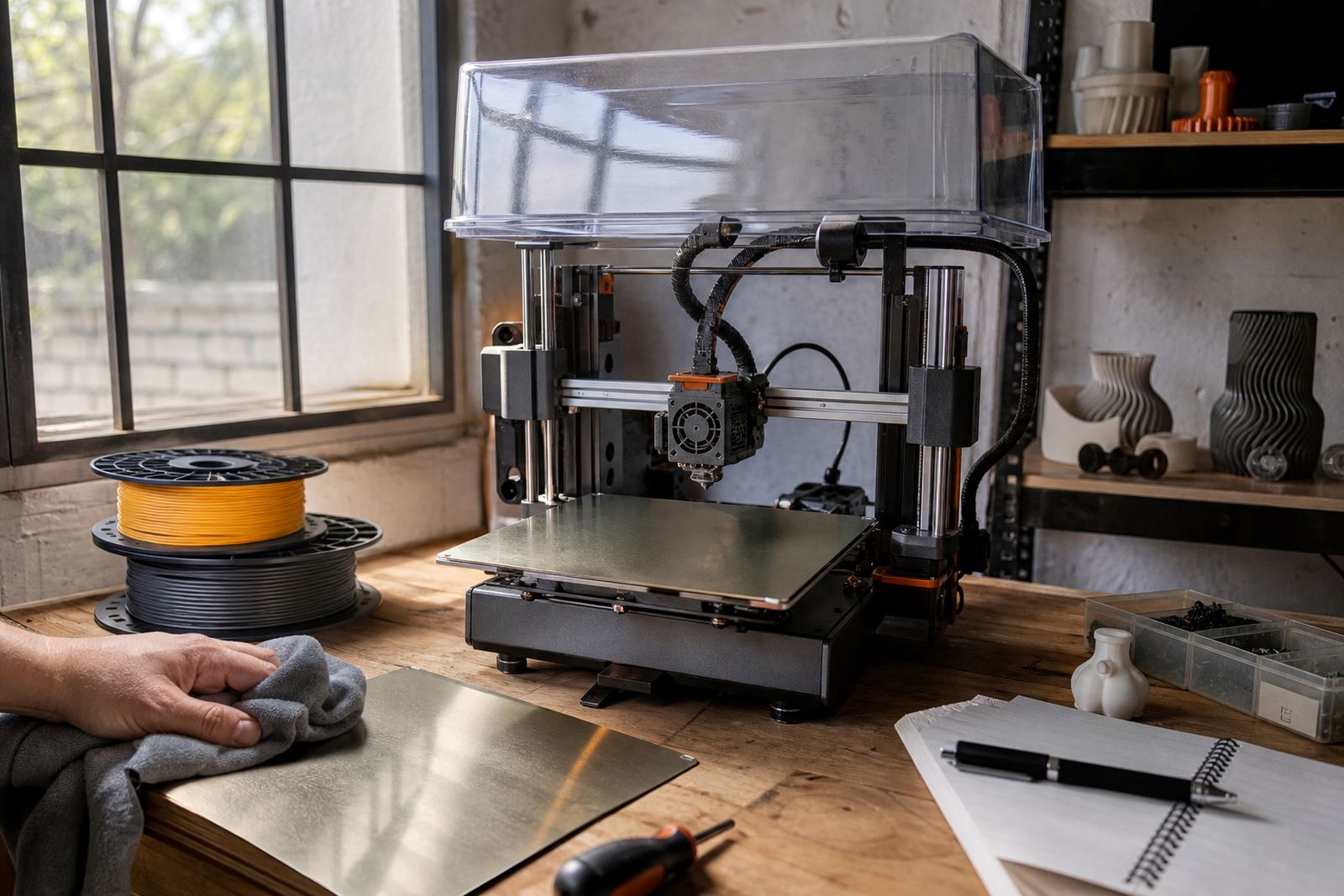
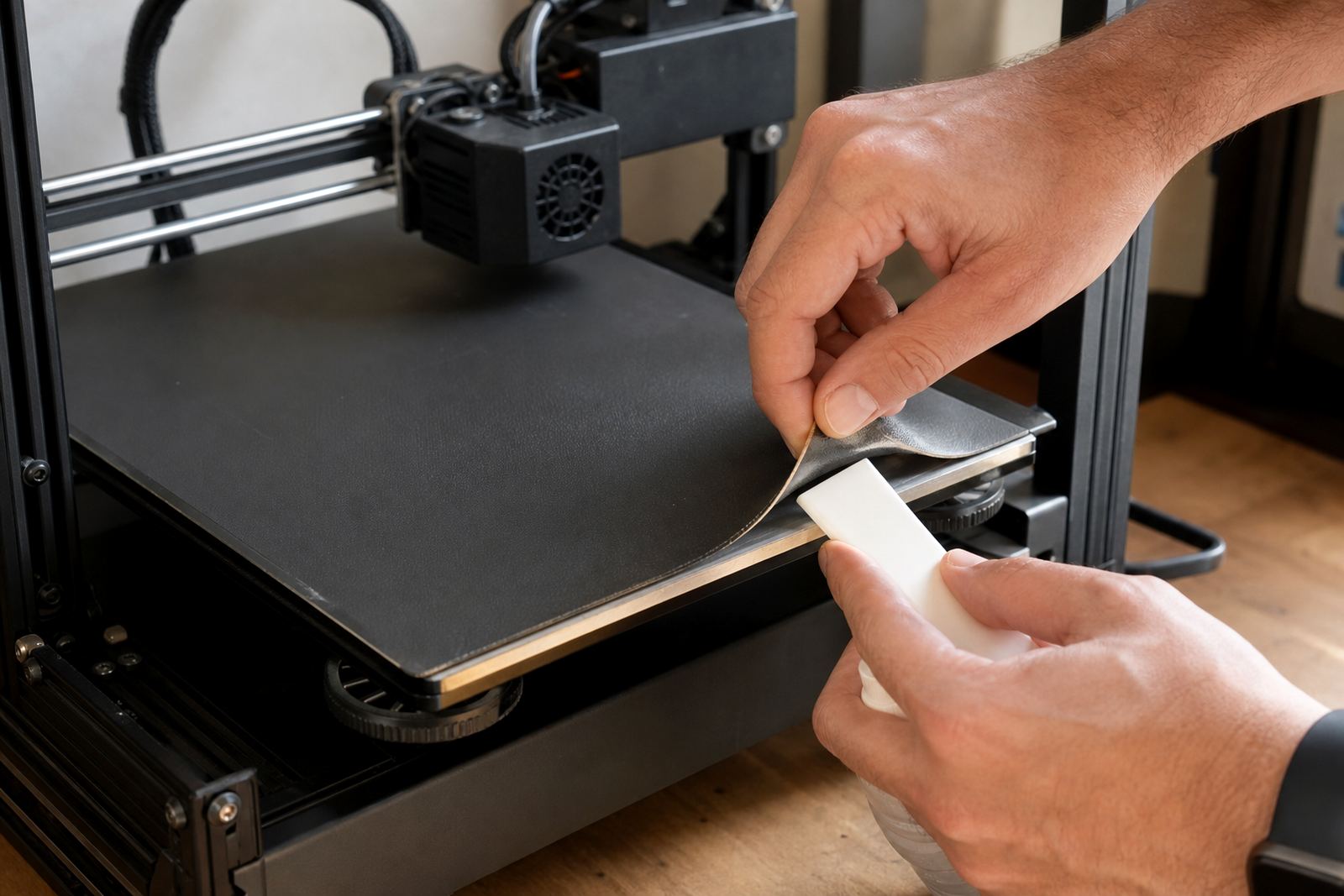
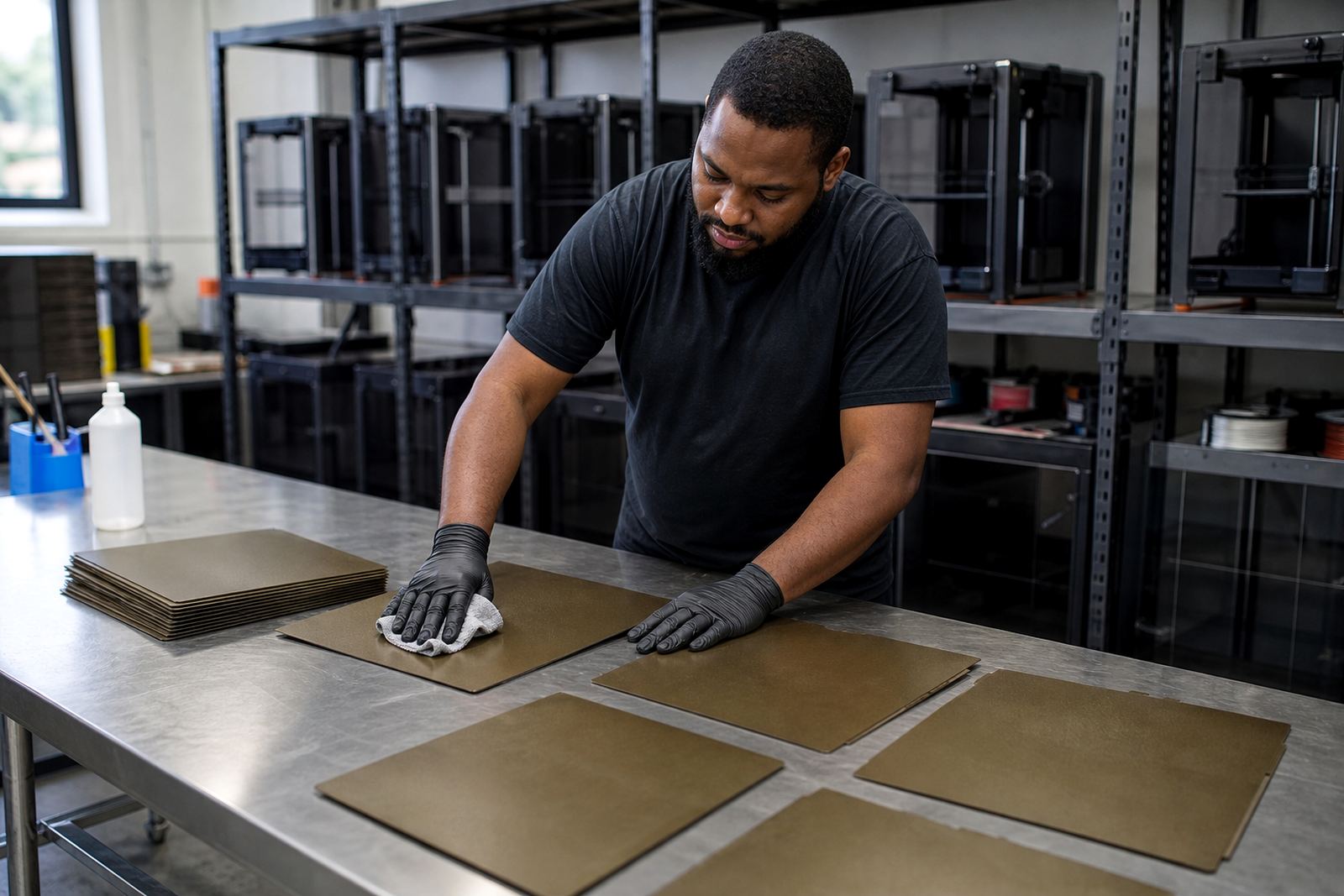
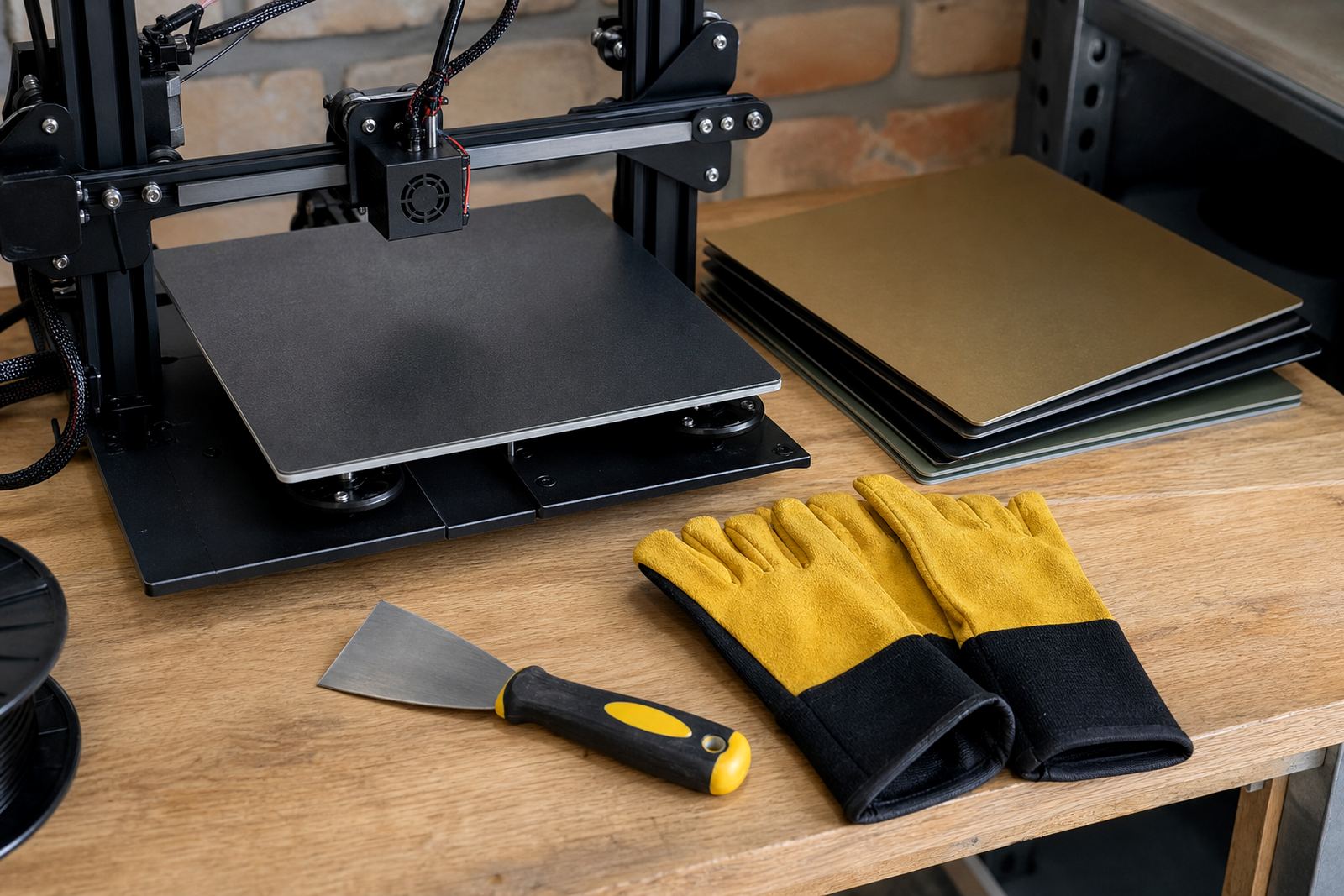
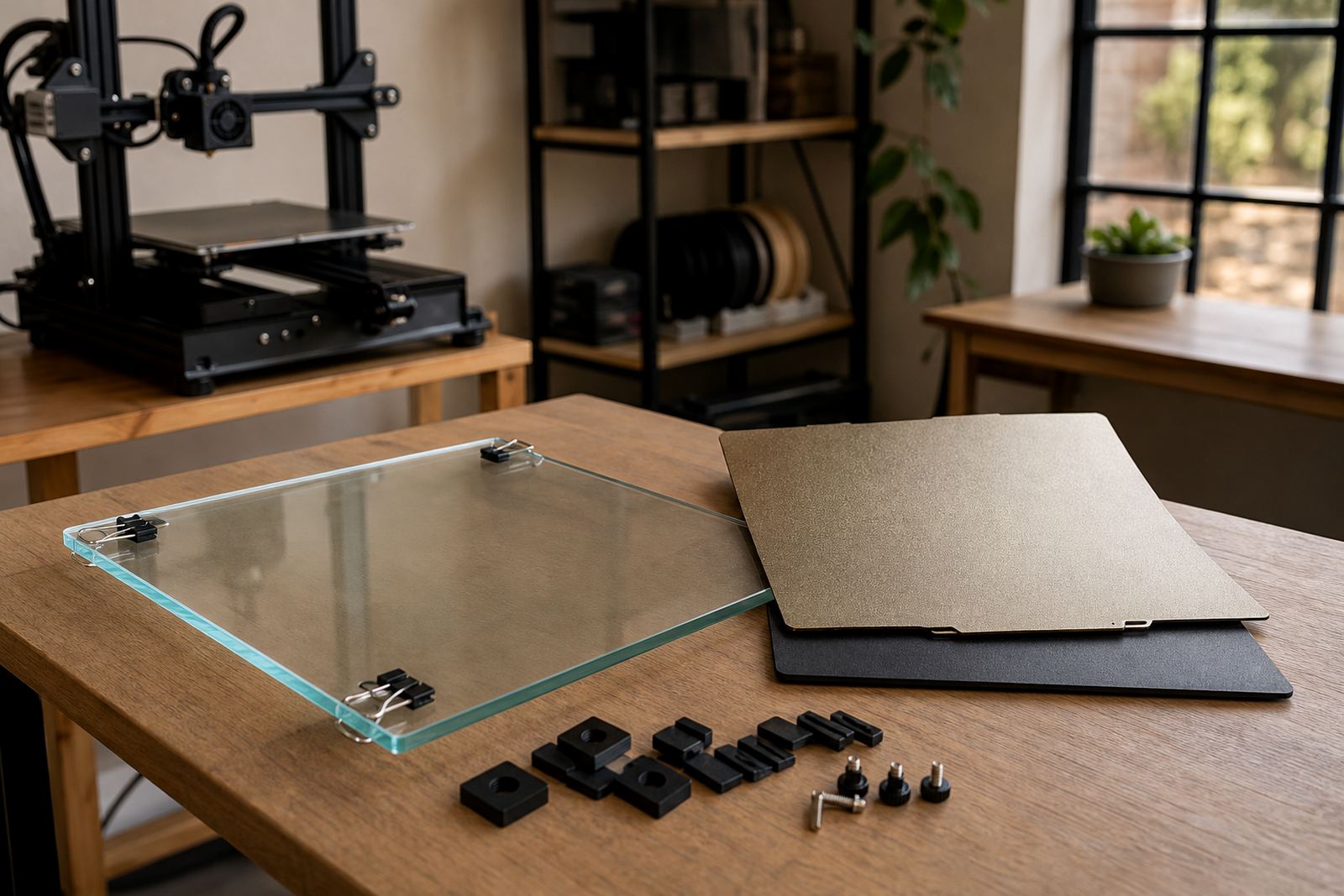
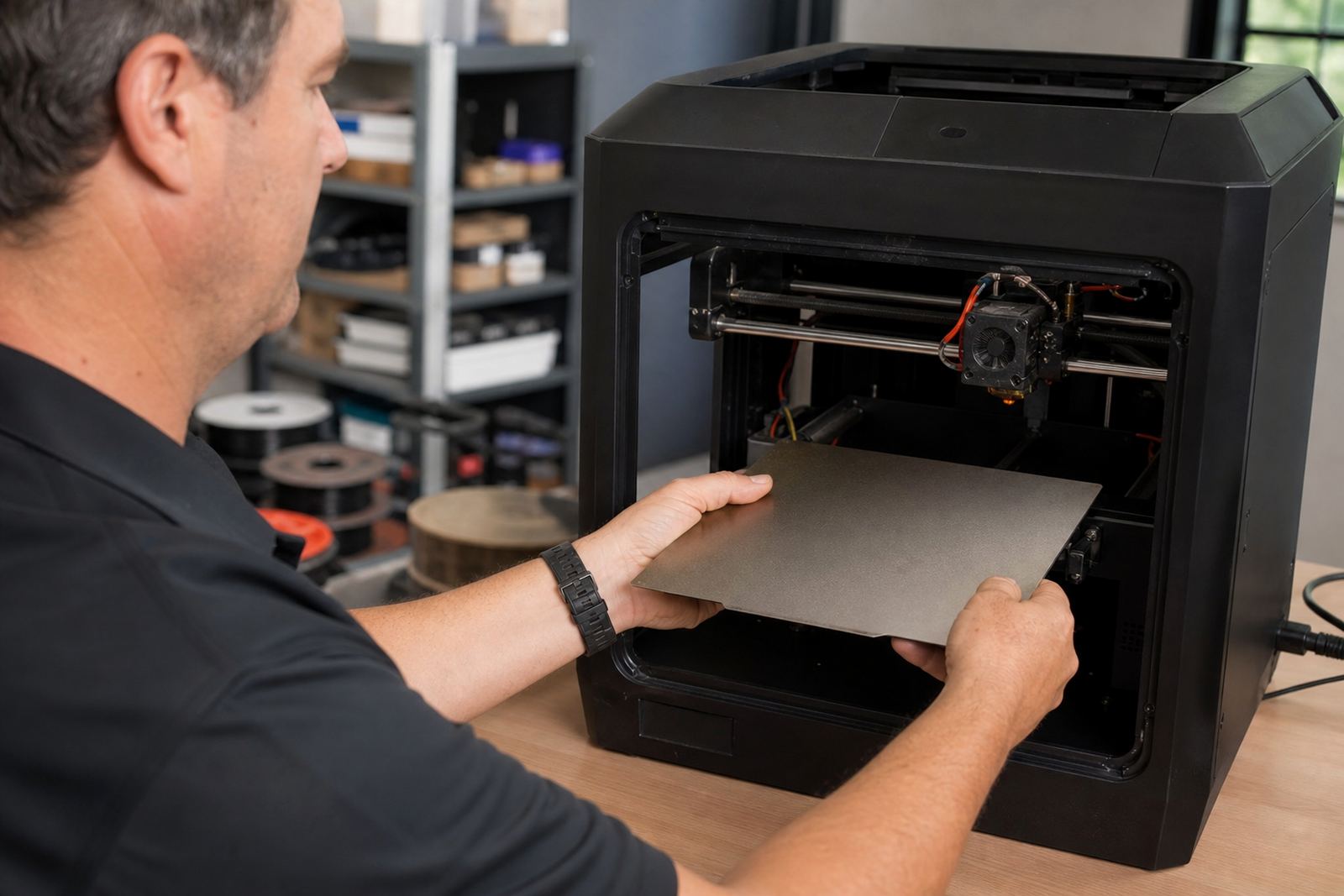
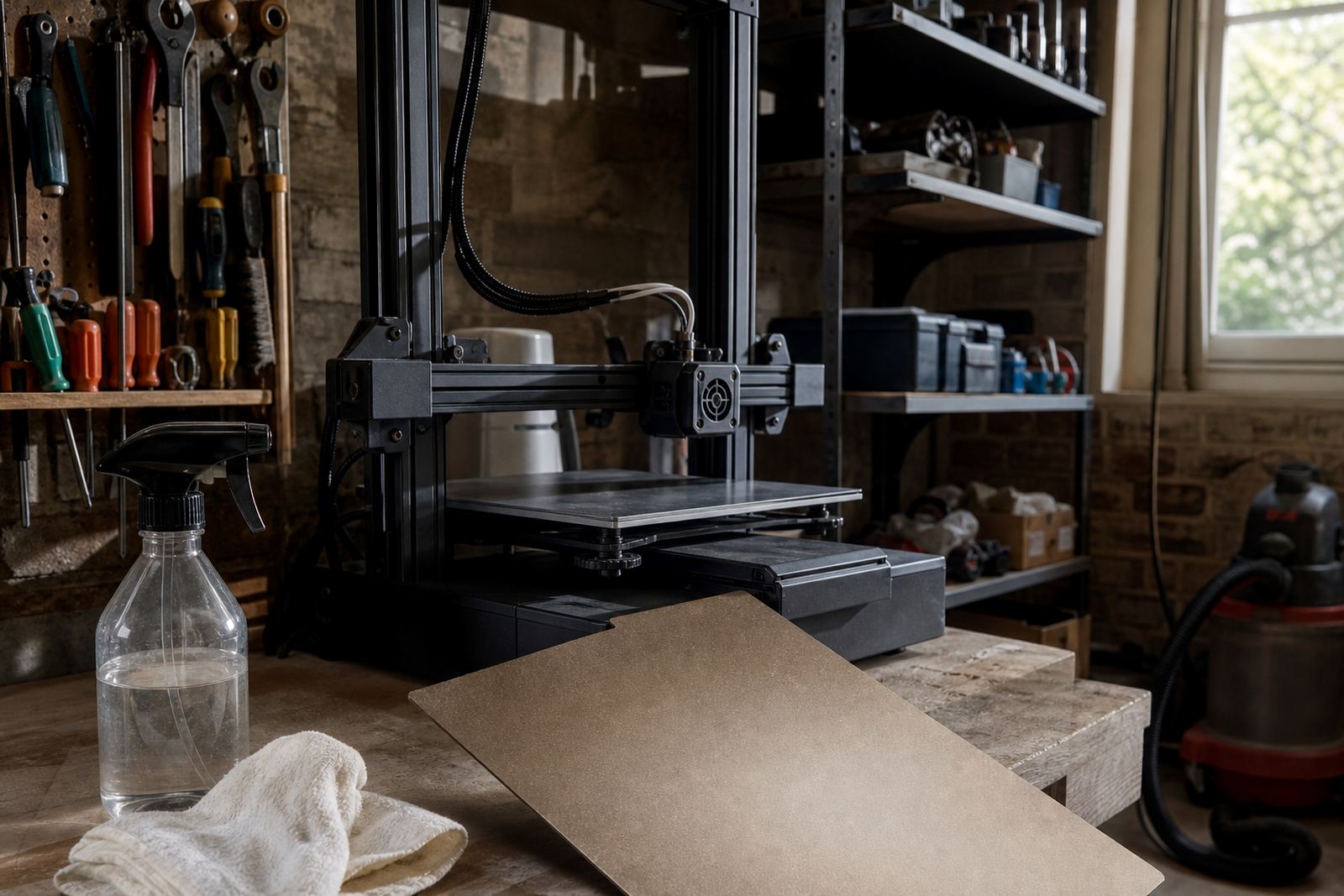
The journal covers the topics that come up most often at the workbench and in production rooms. That includes surface wear, magnetic base fitting, bed flatness checks, and how different materials respond when the bed is hot, cold or not quite level. It also covers routine care, since a clean plate usually gives better results than a heavily scrubbed one with residue left behind.
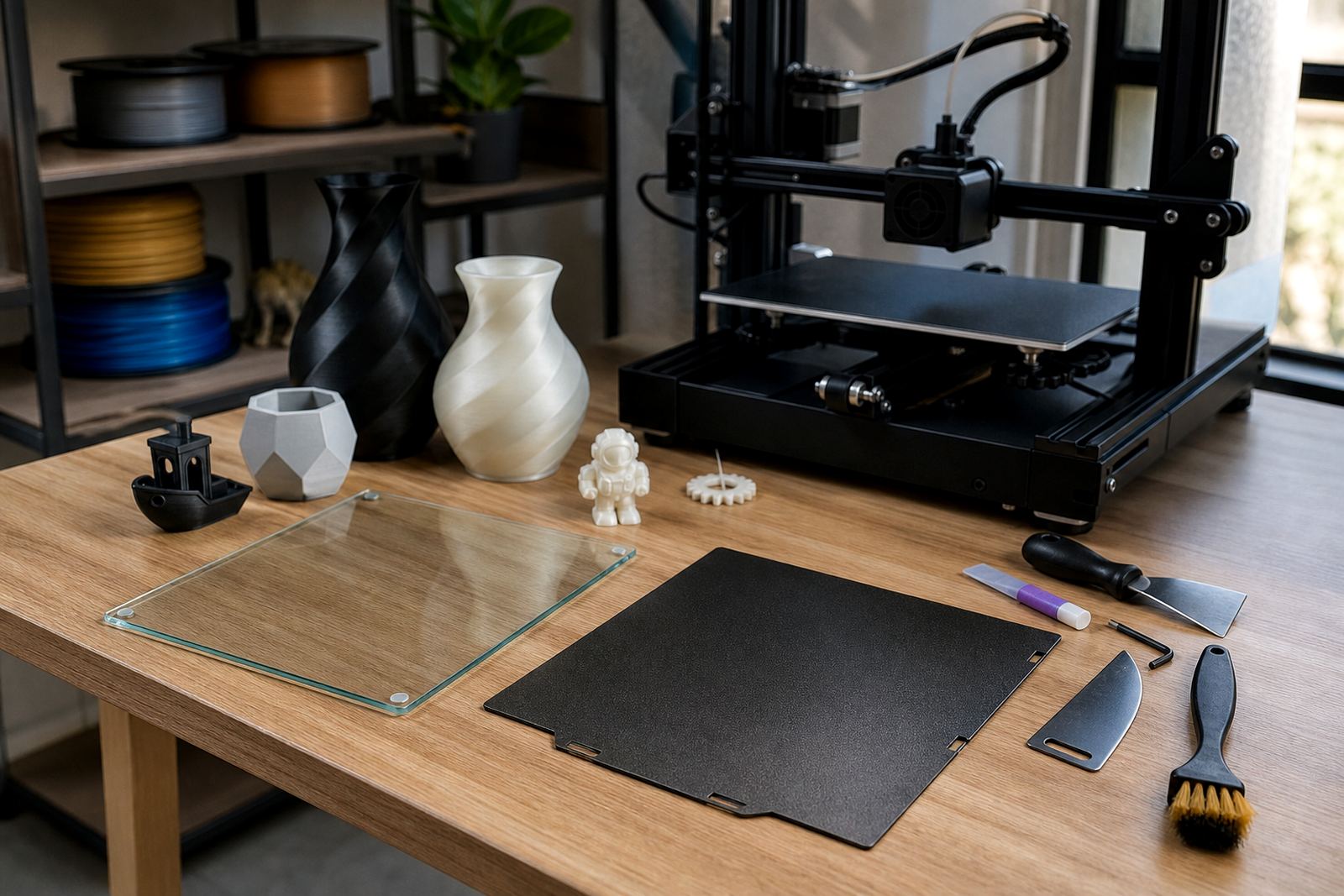
- Maintenance notes for PEI and other build surfaces
- Adhesion tips for PLA, PETG and higher temperature materials
- Flatness checks before long runs
- Surface refresh and replacement planning
- Training notes for schools and small labs
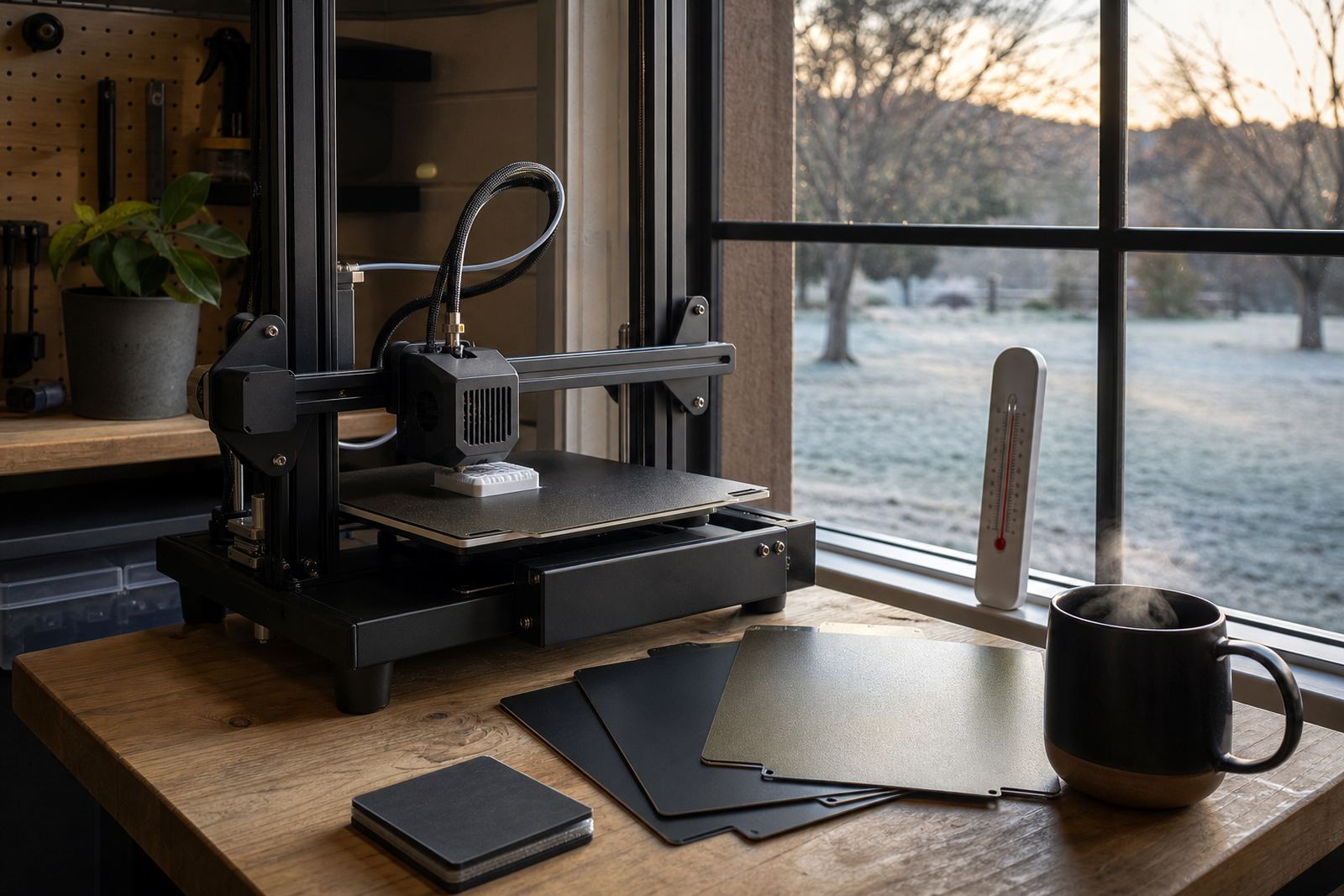
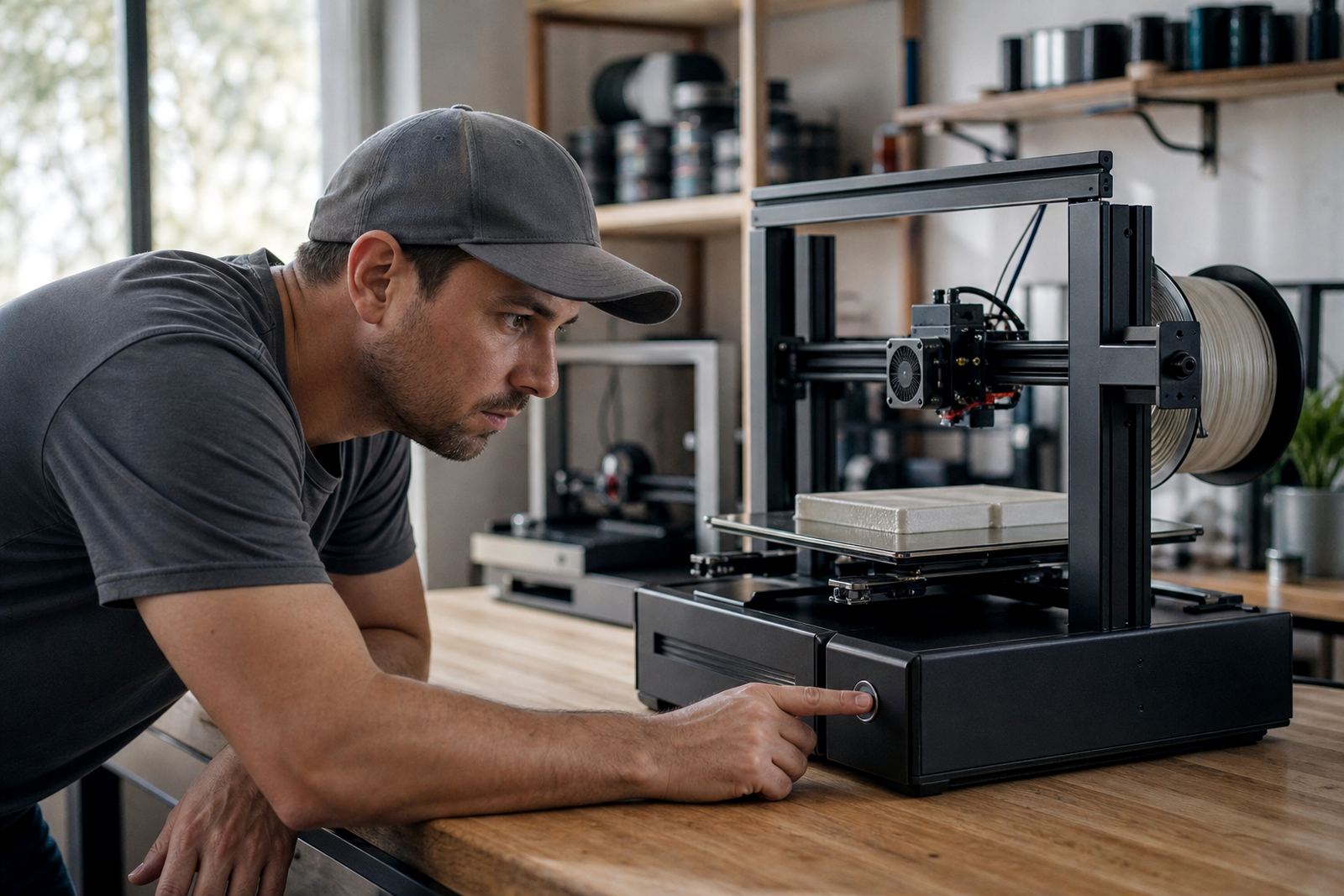
Some articles also speak to the realities of load shedding, so you can plan restarts, recovery and reheat timing without wasting filament or time.
Advice shaped for South African printing conditions
South African users often need practical guidance that takes local conditions into account. Humidity near the coast can change how materials stick and release. Dust in busy spaces can affect surface prep. On shared machines, one person’s habits can affect the next user, especially when plates are swapped often or cleaned with the wrong cloth or solvent.
The journal points out these everyday issues and gives direct steps to reduce them. That may mean cleaning more lightly, checking bed temperatures after a restart, or choosing a surface finish that suits your part geometry. For schools and maker spaces, we also cover safe handling and simple routines that learners can follow without confusion.
For educators, print farms and growing teams
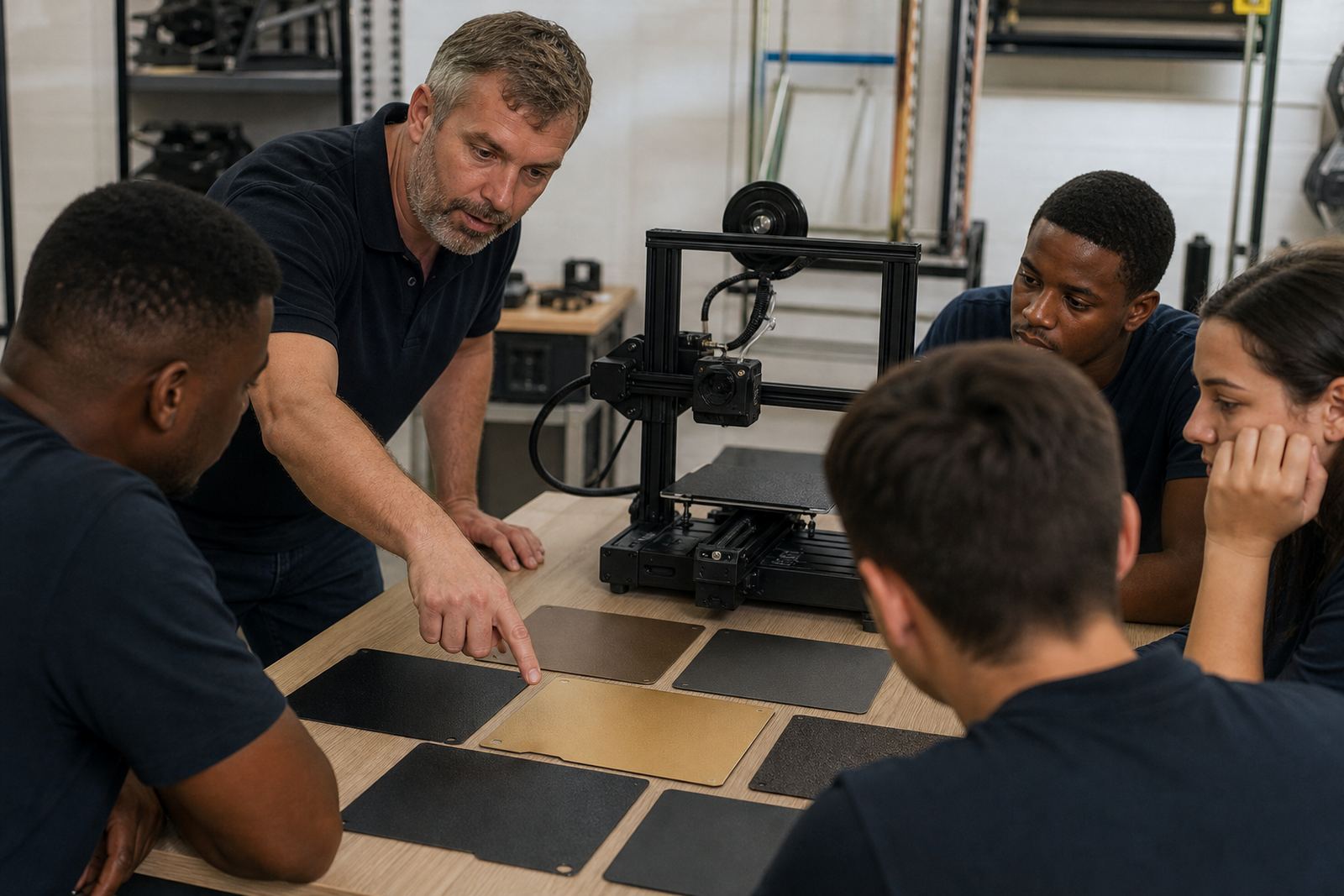
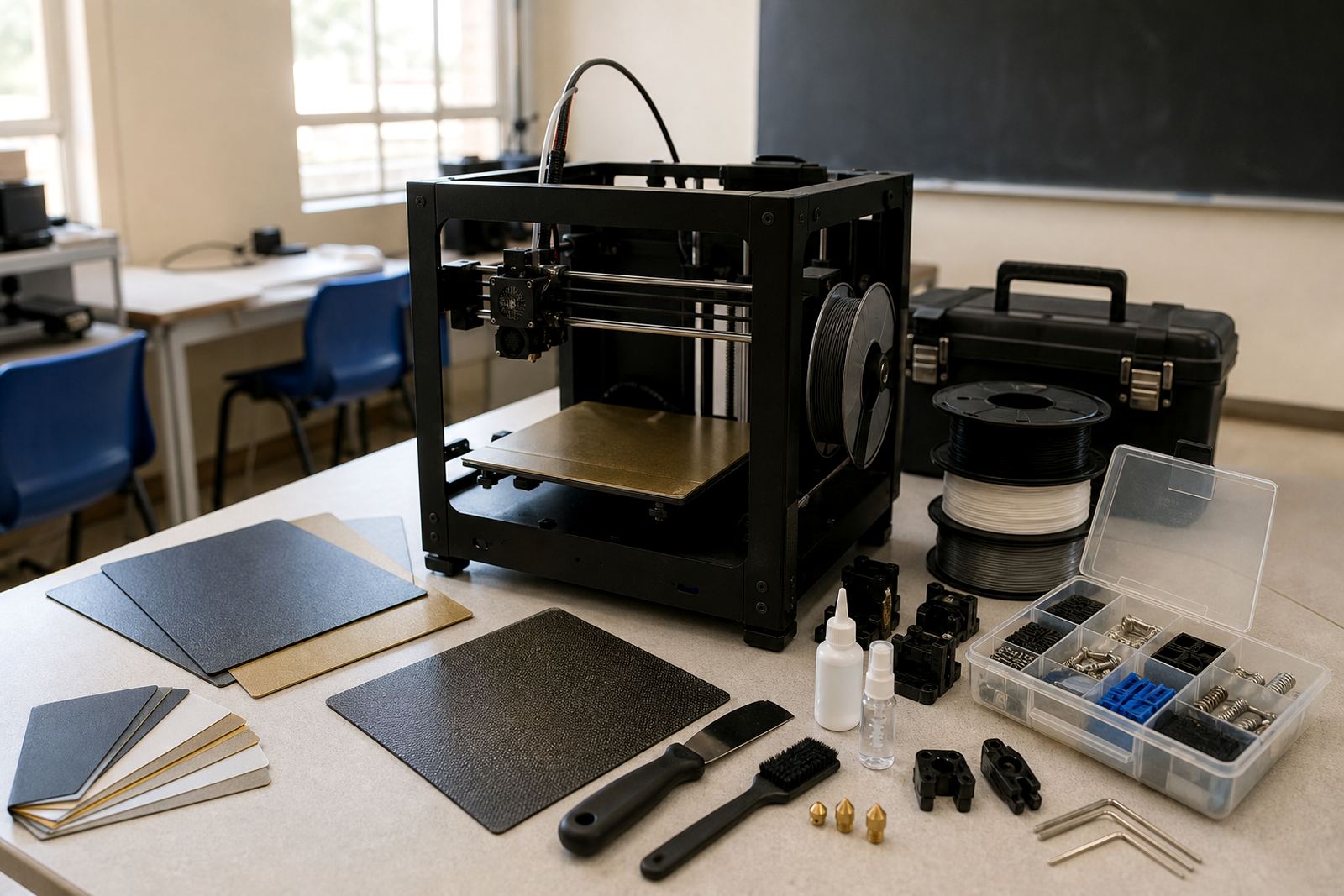
If you manage a school lab or a small production room, the right setup saves time. A consistent plate choice makes training easier and helps learners or staff repeat the same process from machine to machine. For print farms, standardising surfaces can reduce failed starts and keep replacement stock predictable.
- School lab setup guidance for repeatable lessons
- Farm standardising for mixed machine fleets
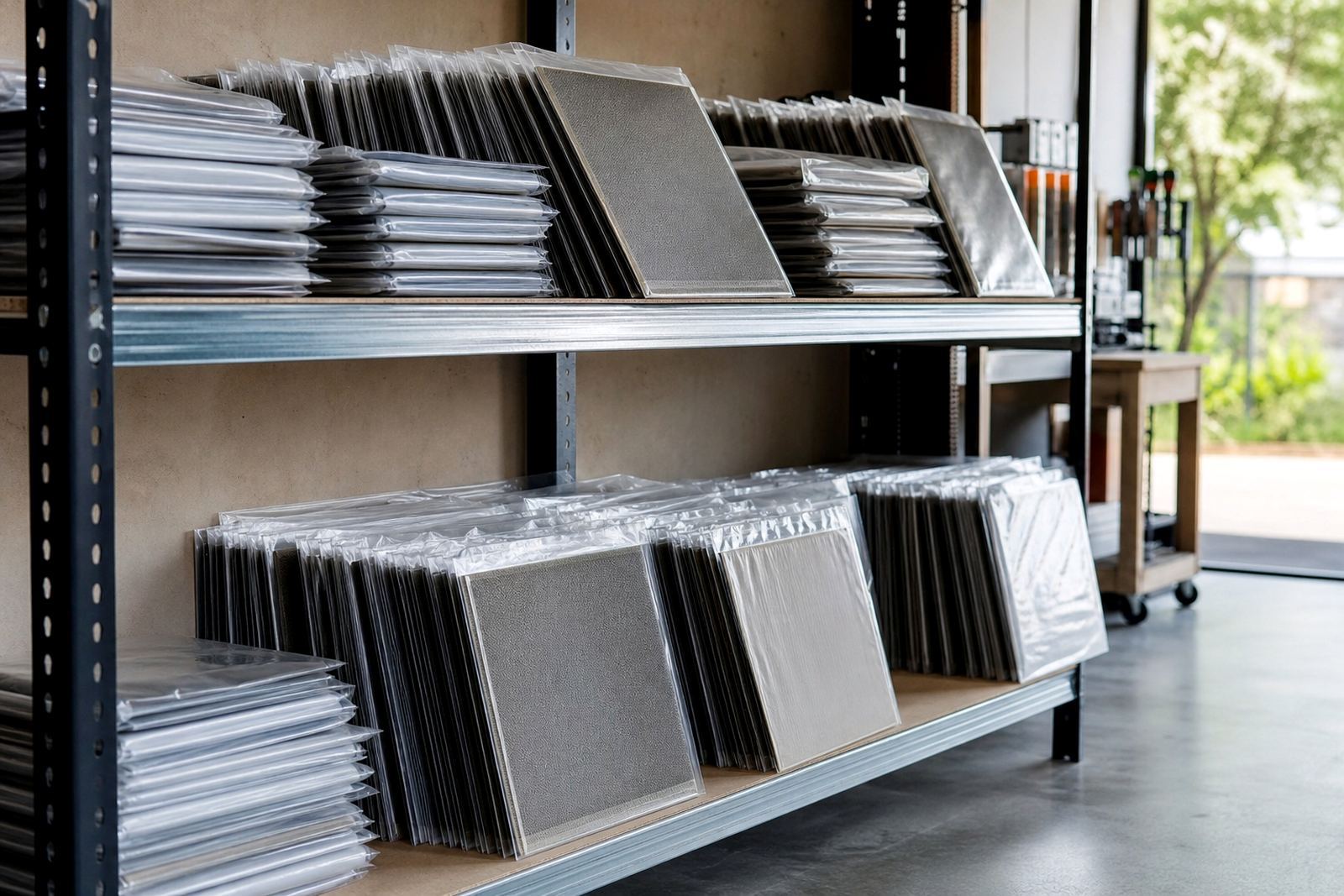
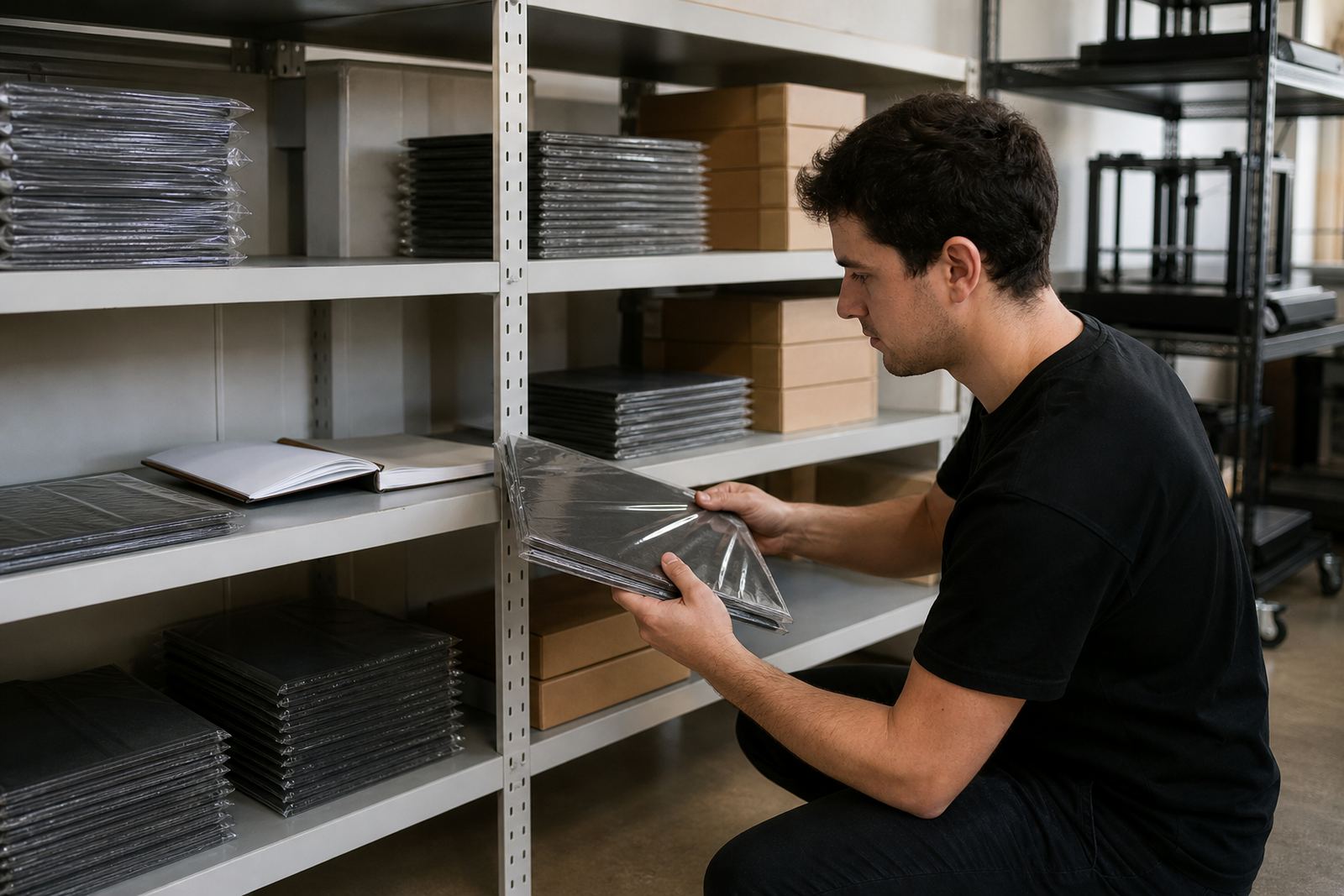
- Consumables planning for regular production cycles
- Bed care training for new operators and learners
We write with practical use in mind, from Pretoria East support needs to dispatch planning for Johannesburg, Cape Town, Durban, Bloemfontein and Gqeberha. The goal is a smoother workflow, not more clutter on the shelf.
When to refresh, repair or replace
Not every issue means a new plate. Sometimes a surface refresh, a better clean, or a bed flatness check is enough. Other times the plate has reached the point where replacement is the cheaper option. The journal helps you tell the difference, so you can spend money where it actually improves print quality.
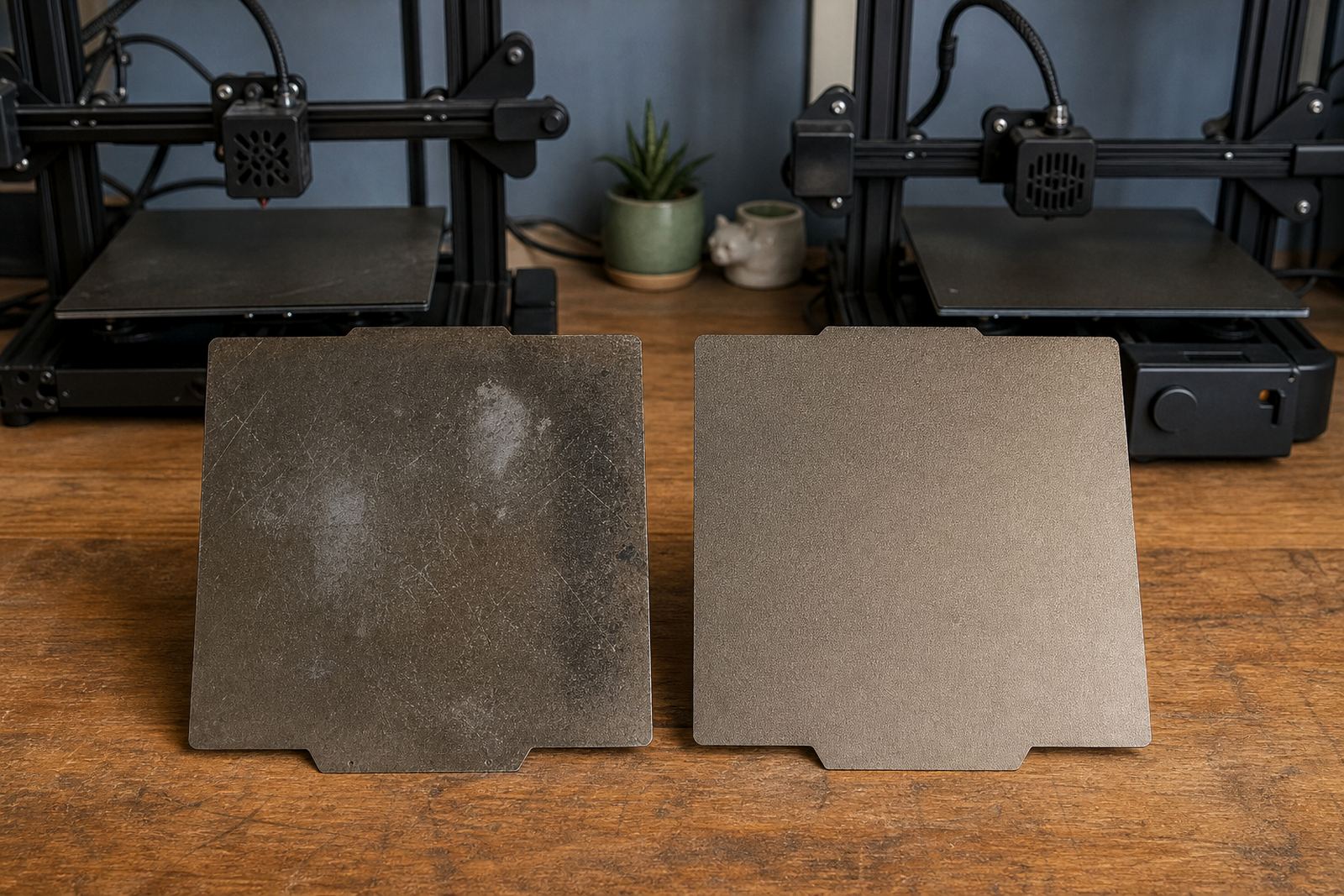
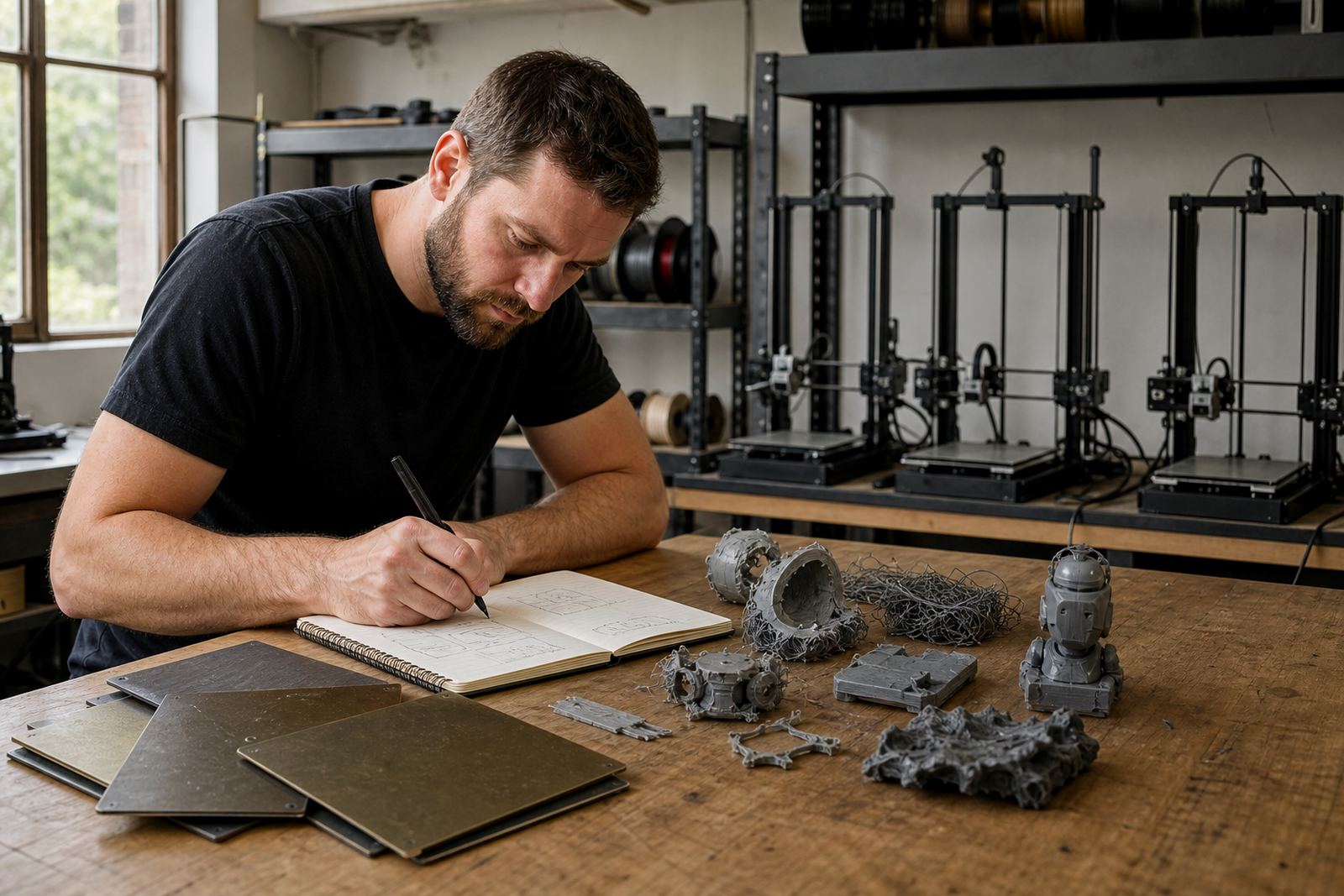
If your prints have started lifting at the corners, leaving uneven marks, or sticking too hard in one area, that is usually a sign to check the whole bed setup. Our articles explain what to look for, how to spot wear patterns, and when to plan a replacement before the next big run.
Keeping your workflow steady from one job to the next
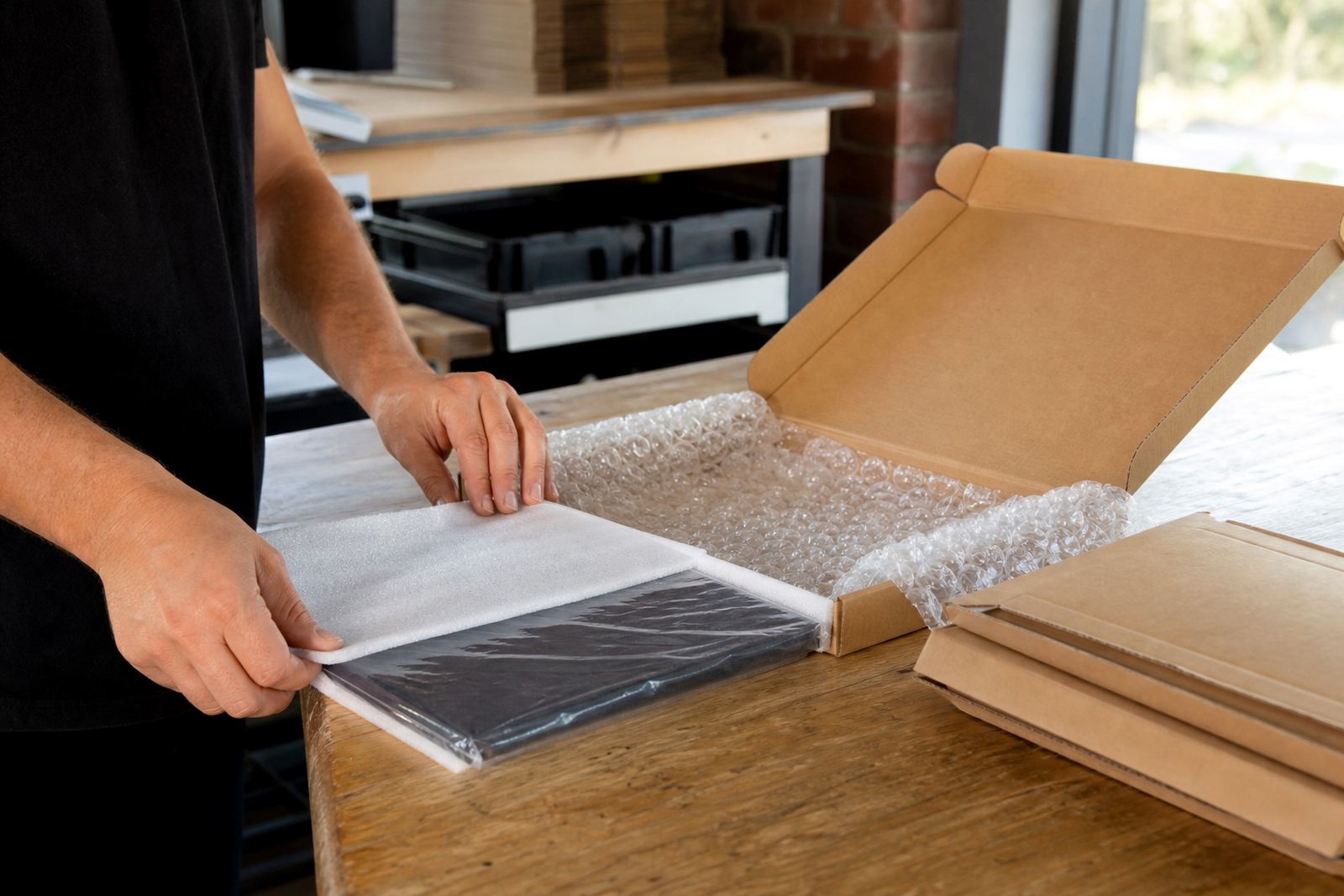
The best print results usually come from repeatable habits. That means checking the plate, confirming the surface is ready, and keeping a simple routine for removal and cleaning. Whether you run a hobby printer in Centurion or a small production room in Cape Town, those habits save time and reduce wasted filament.
Use this journal as a practical guide when choosing between surfaces, planning maintenance, or training a new operator. It is written for South African makers who want straight answers and dependable results, not guesswork.