

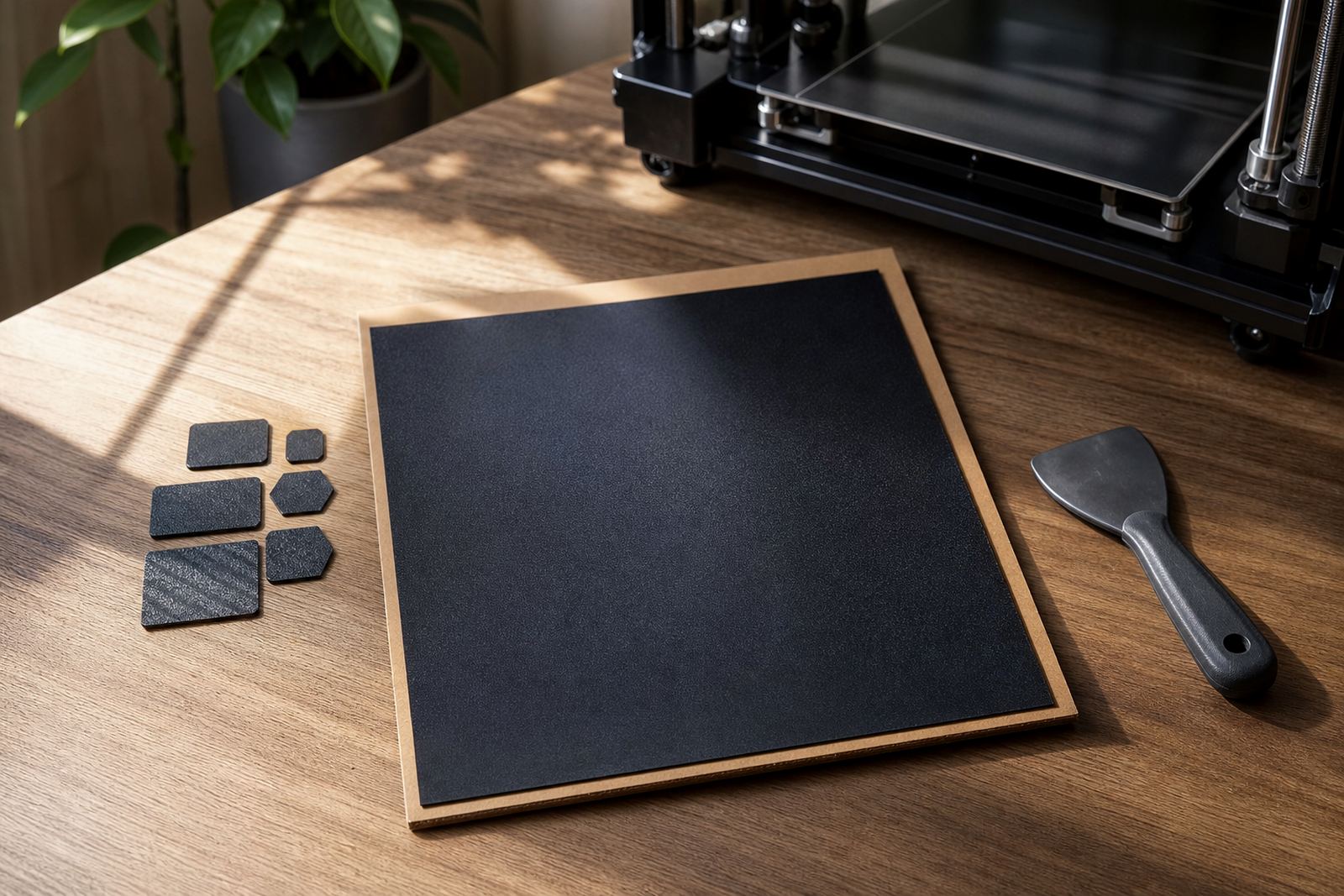
Choose the Right Build Plate for the Job
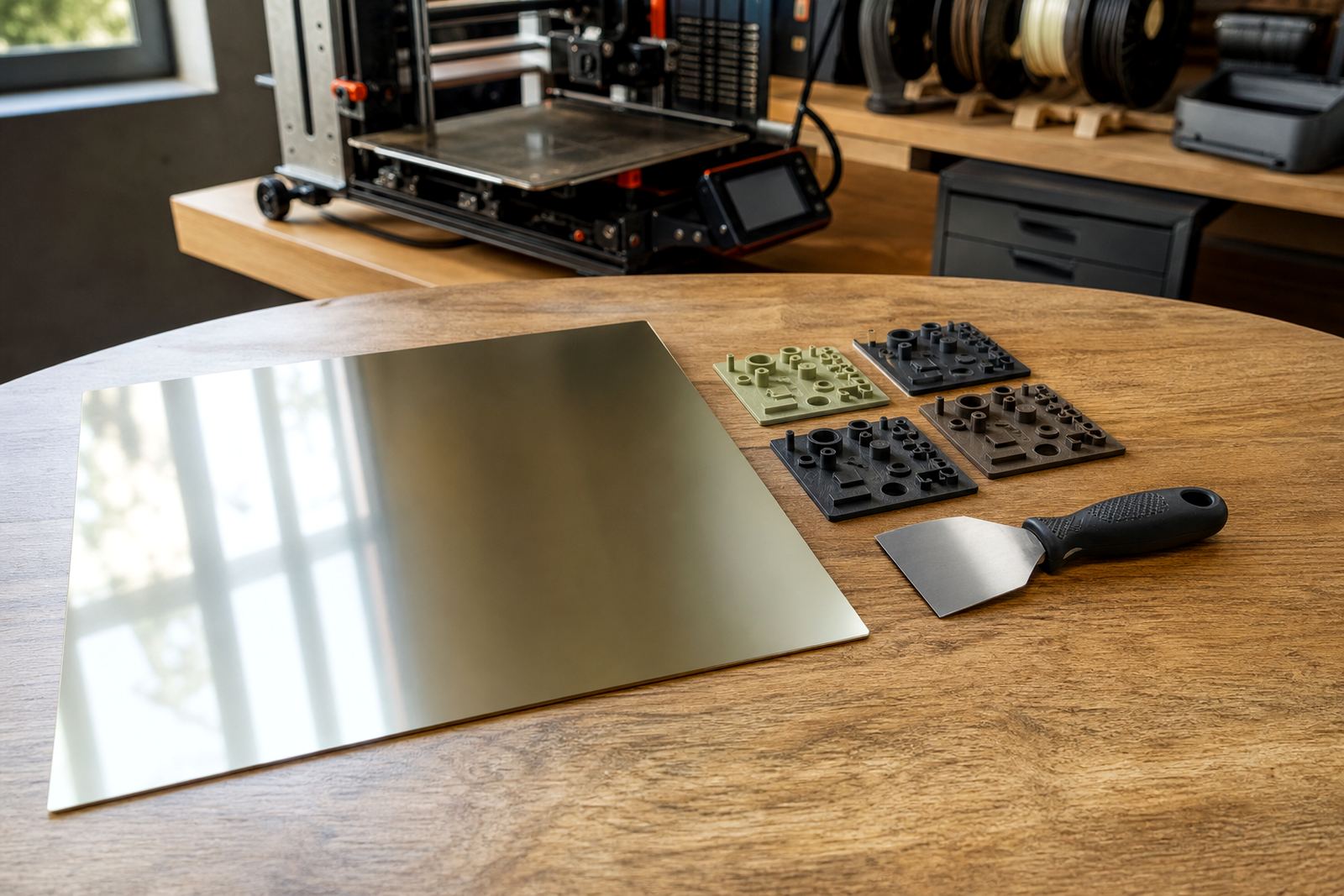
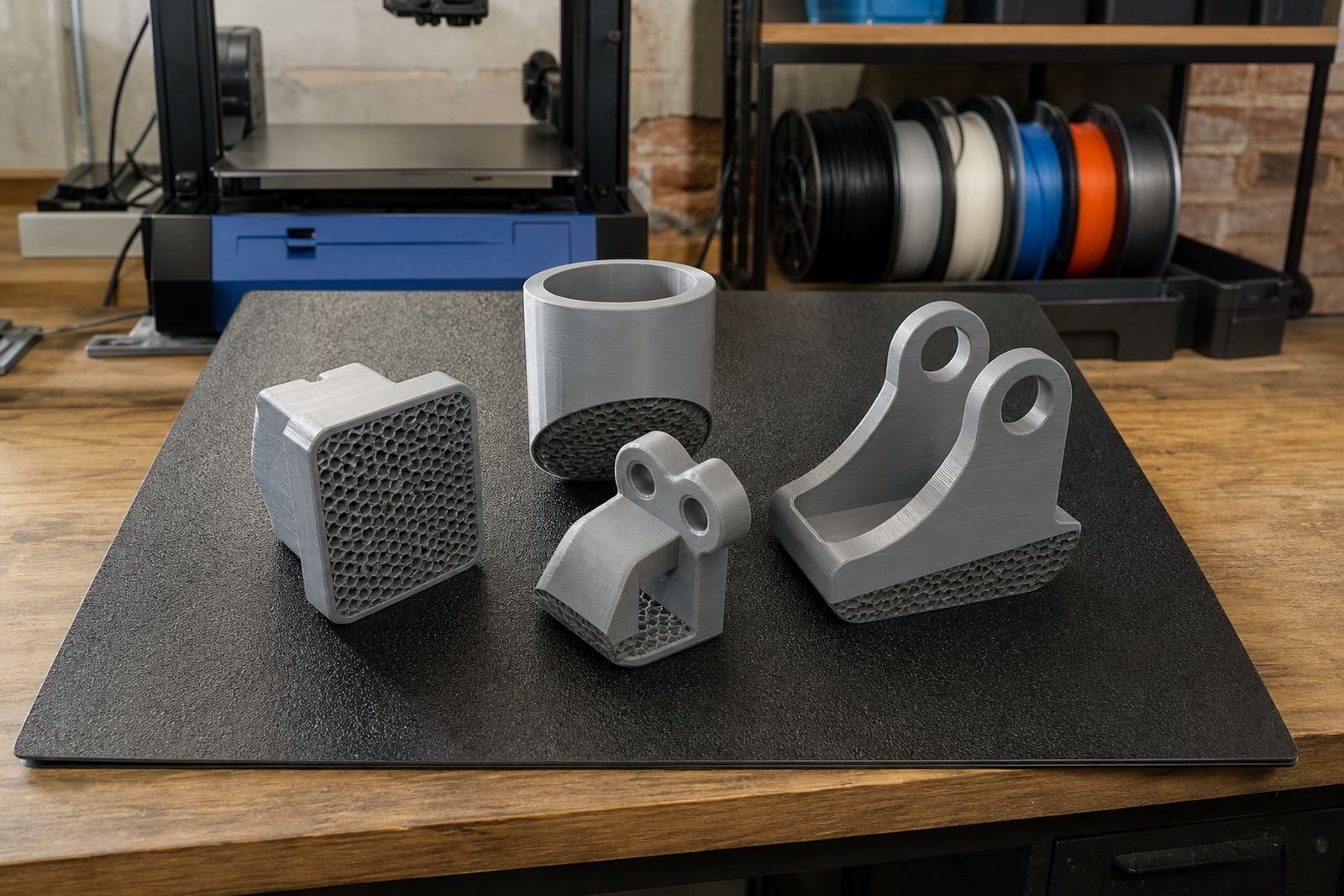
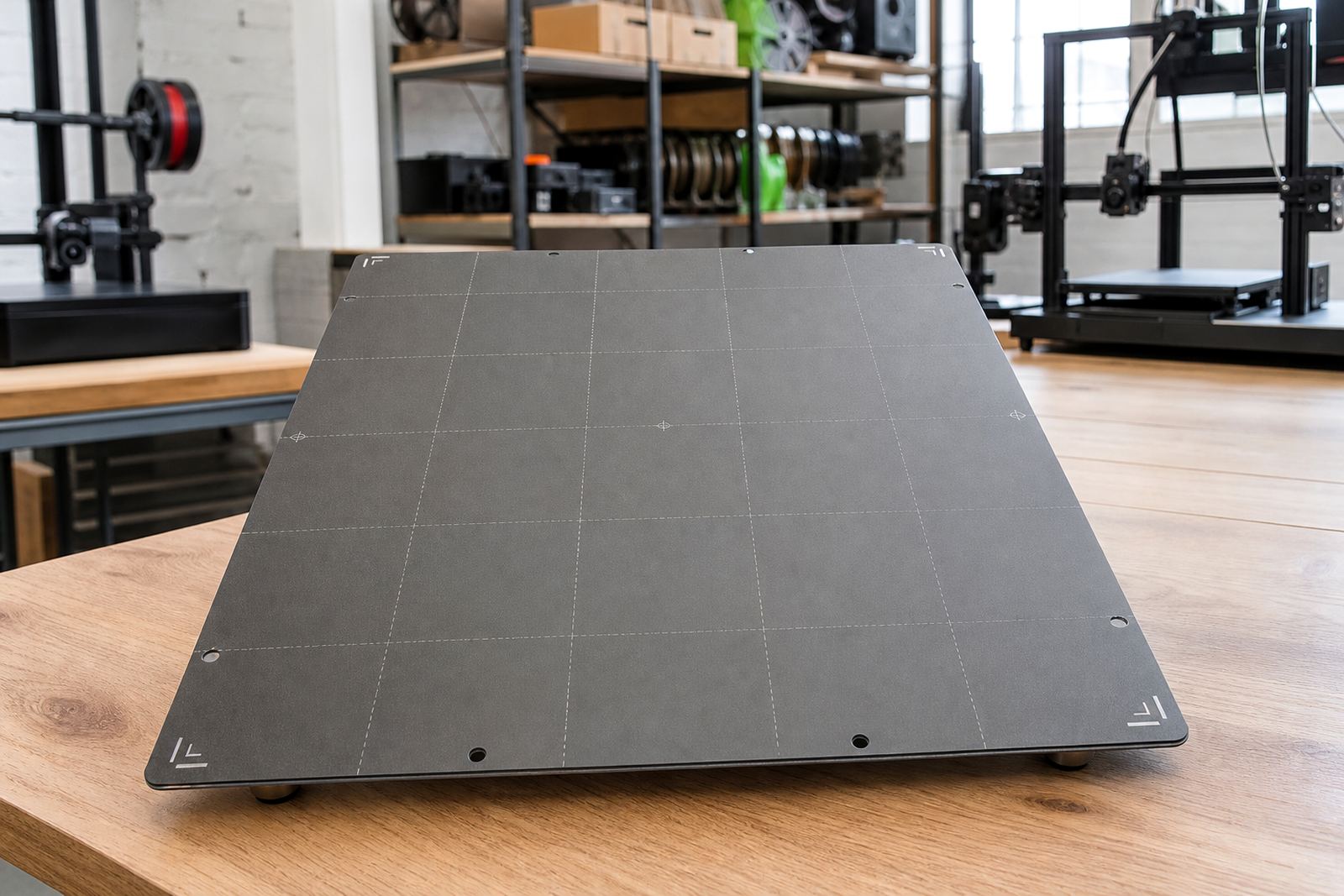
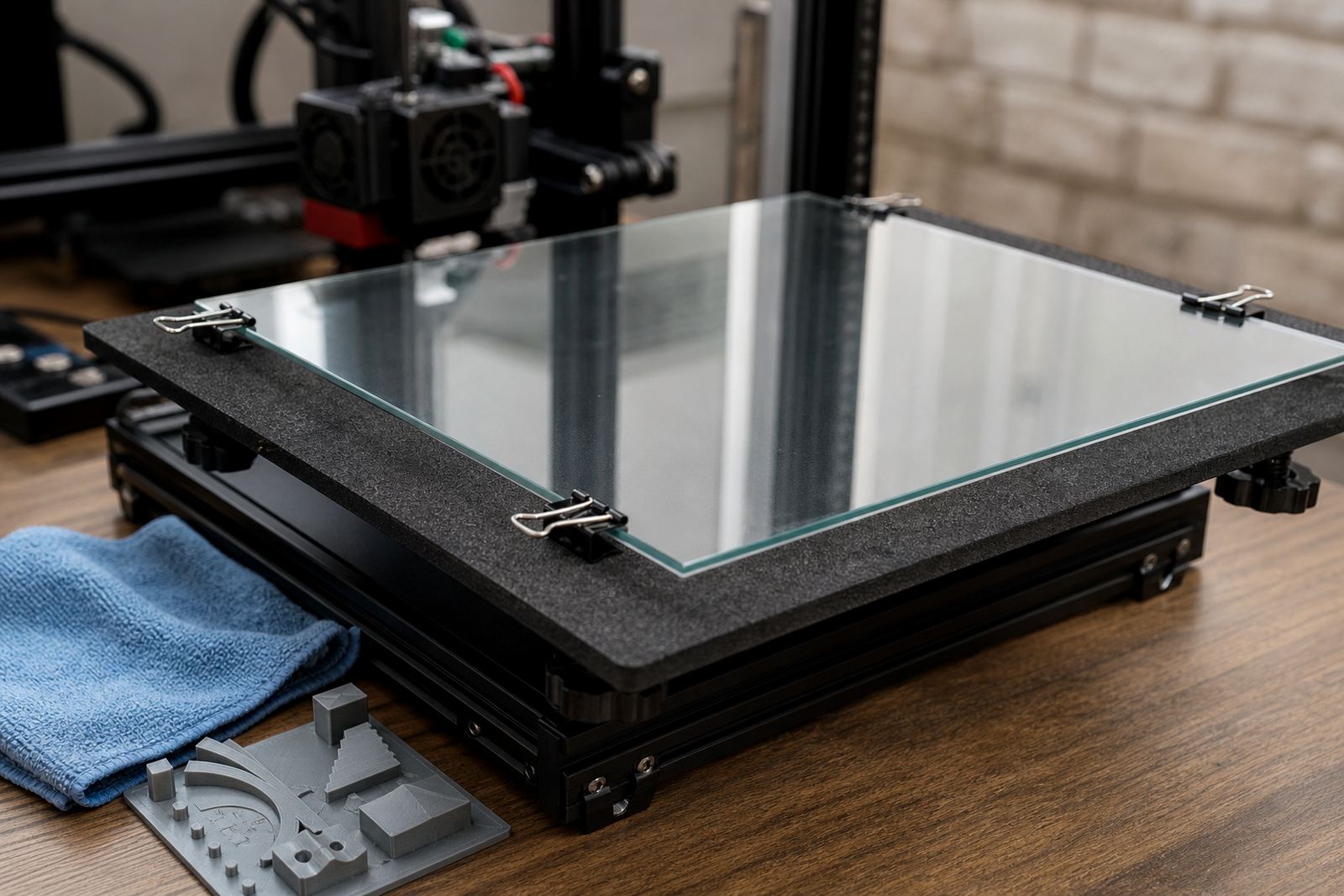
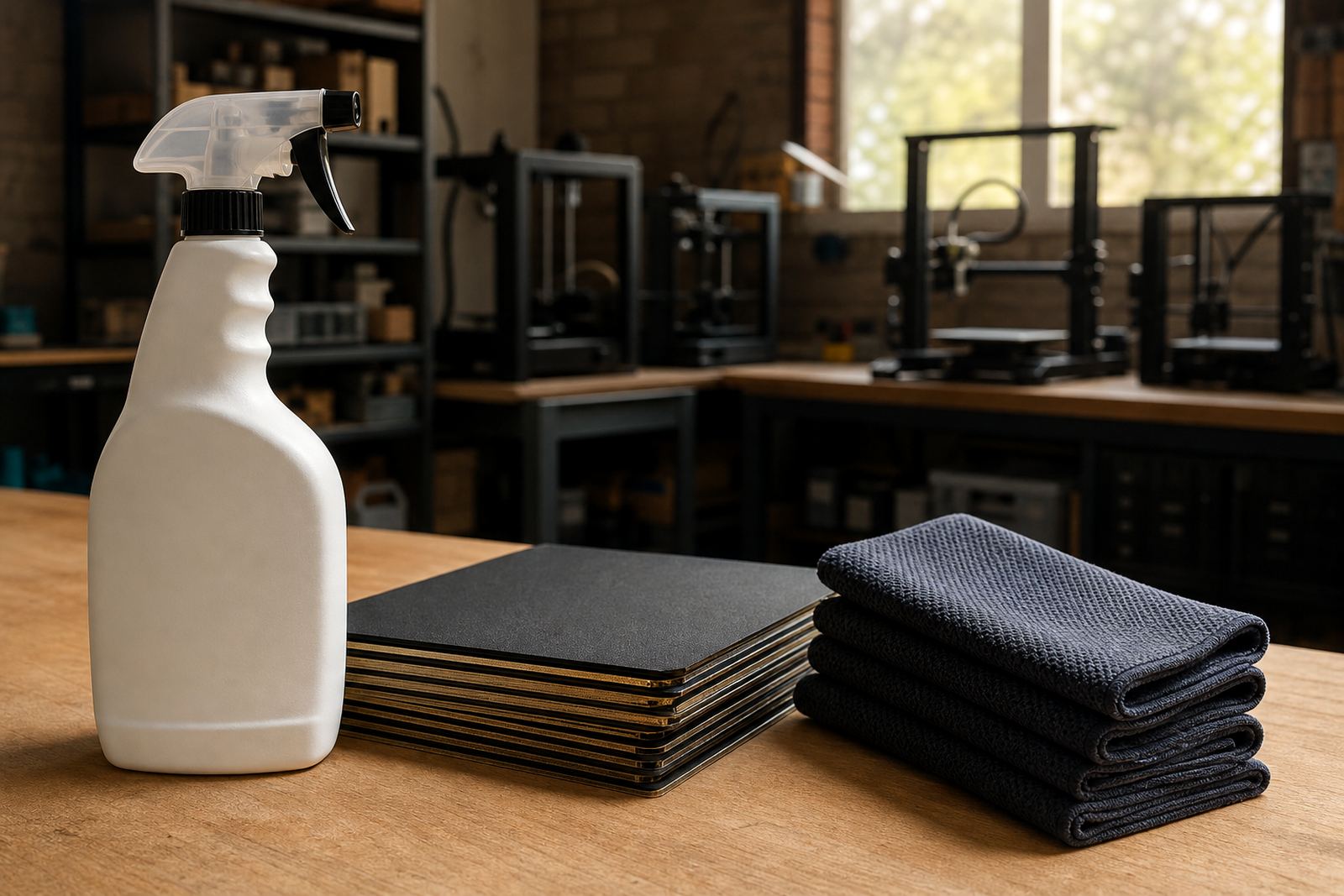
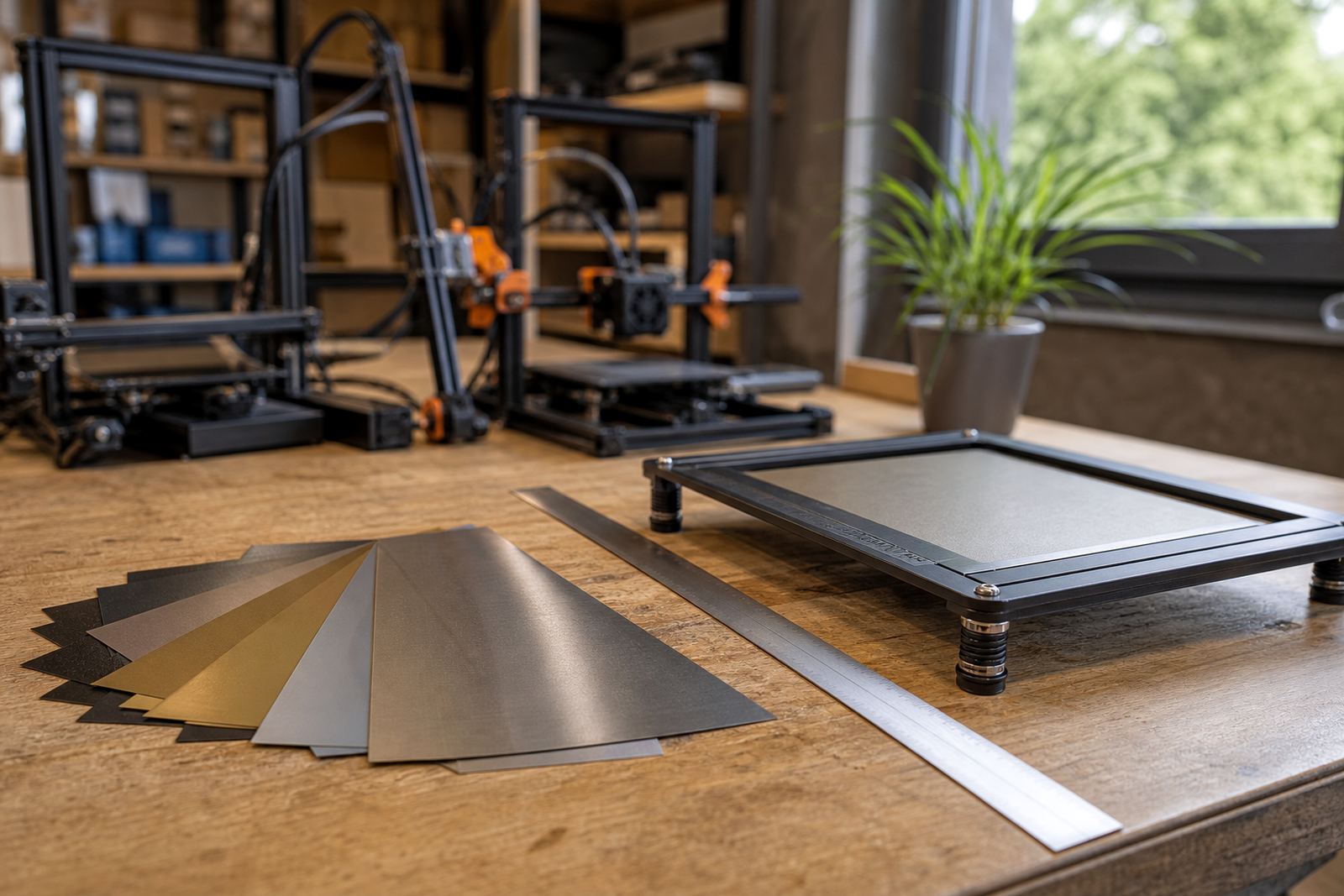
A build plate is not just a flat sheet under the print. It affects first-layer grip, part finish, removal effort, and how much time you spend correcting failed starts. If you are printing small classroom parts in Pretoria East, high-volume brackets in Johannesburg, or repeat production in a Cape Town print farm, the right surface saves time and material.
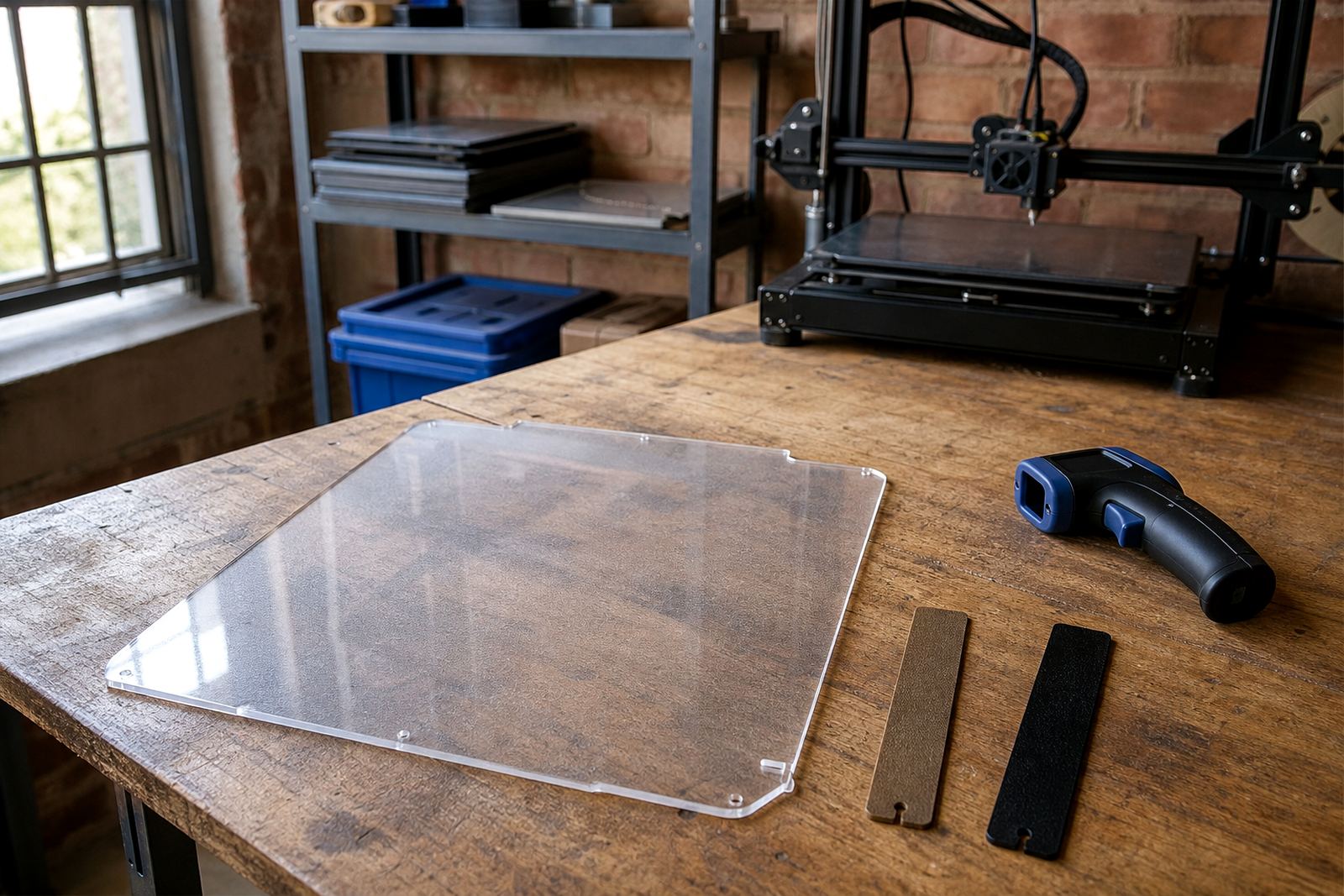
When choosing a plate, start with the printer size, then check the surface type you need. Some users want strong grip for tricky models, while others need quick release for batch printing. If you run a farm or school lab, consistency matters just as much as adhesion, because the same setup needs to work across multiple machines and operators.
- Match the plate size to the actual print area, not just the outer frame
- Check whether you need smooth, textured, or dual-sided performance
- Decide if you want a flexible spring steel plate or a fixed surface
- Think about removal speed, cleaning routine, and part finish
PEI Sheets for Reliable First-Layer Grip
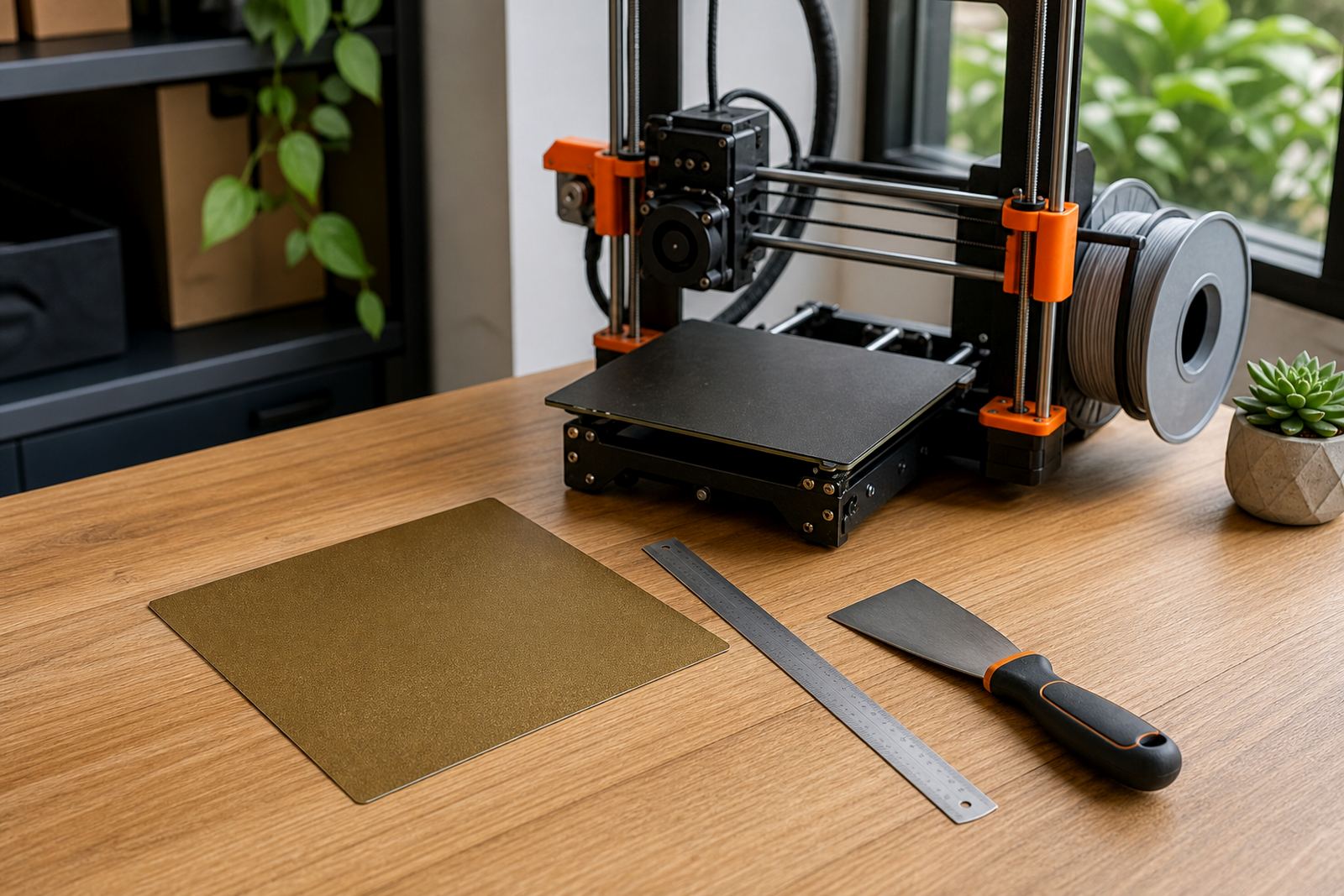
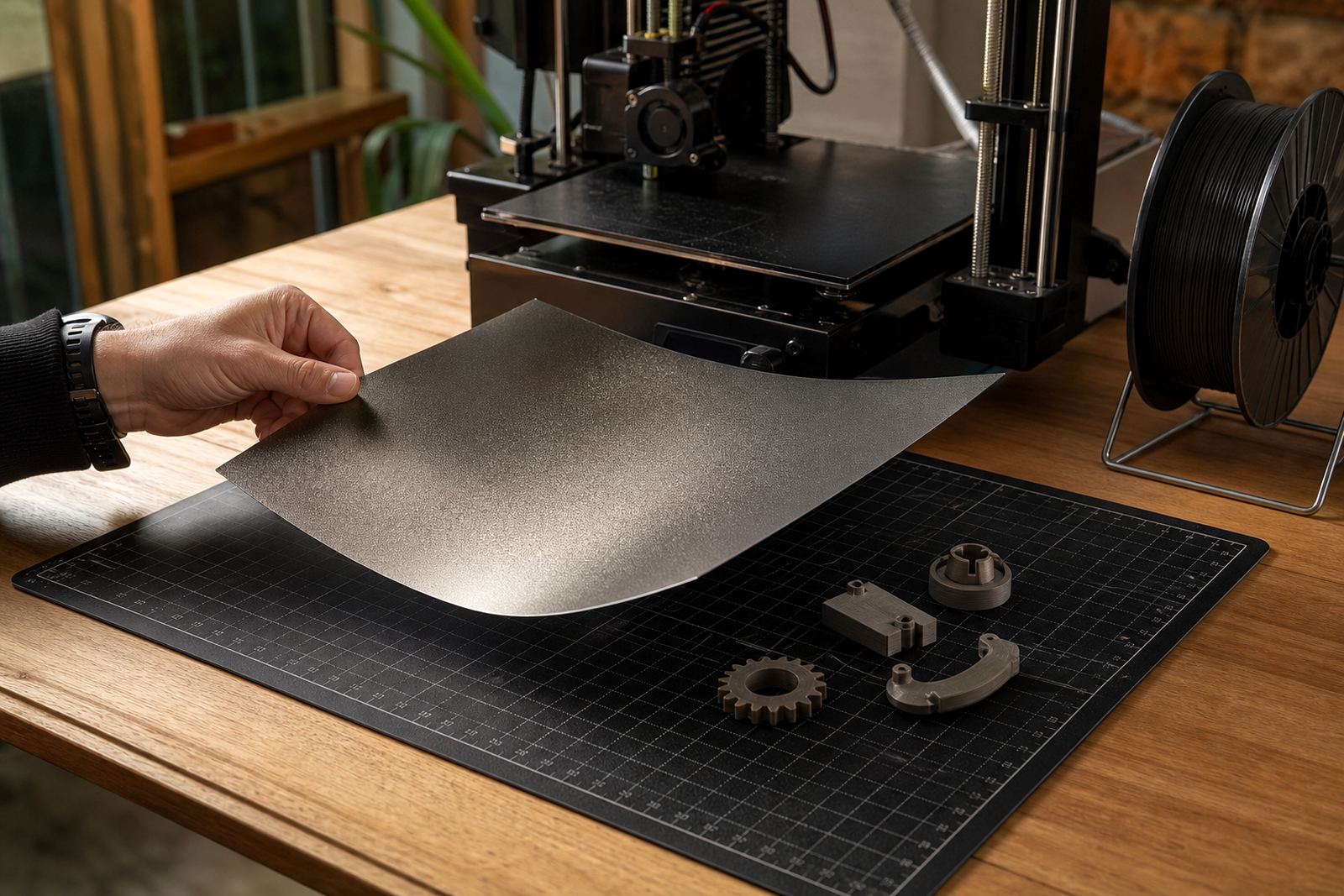
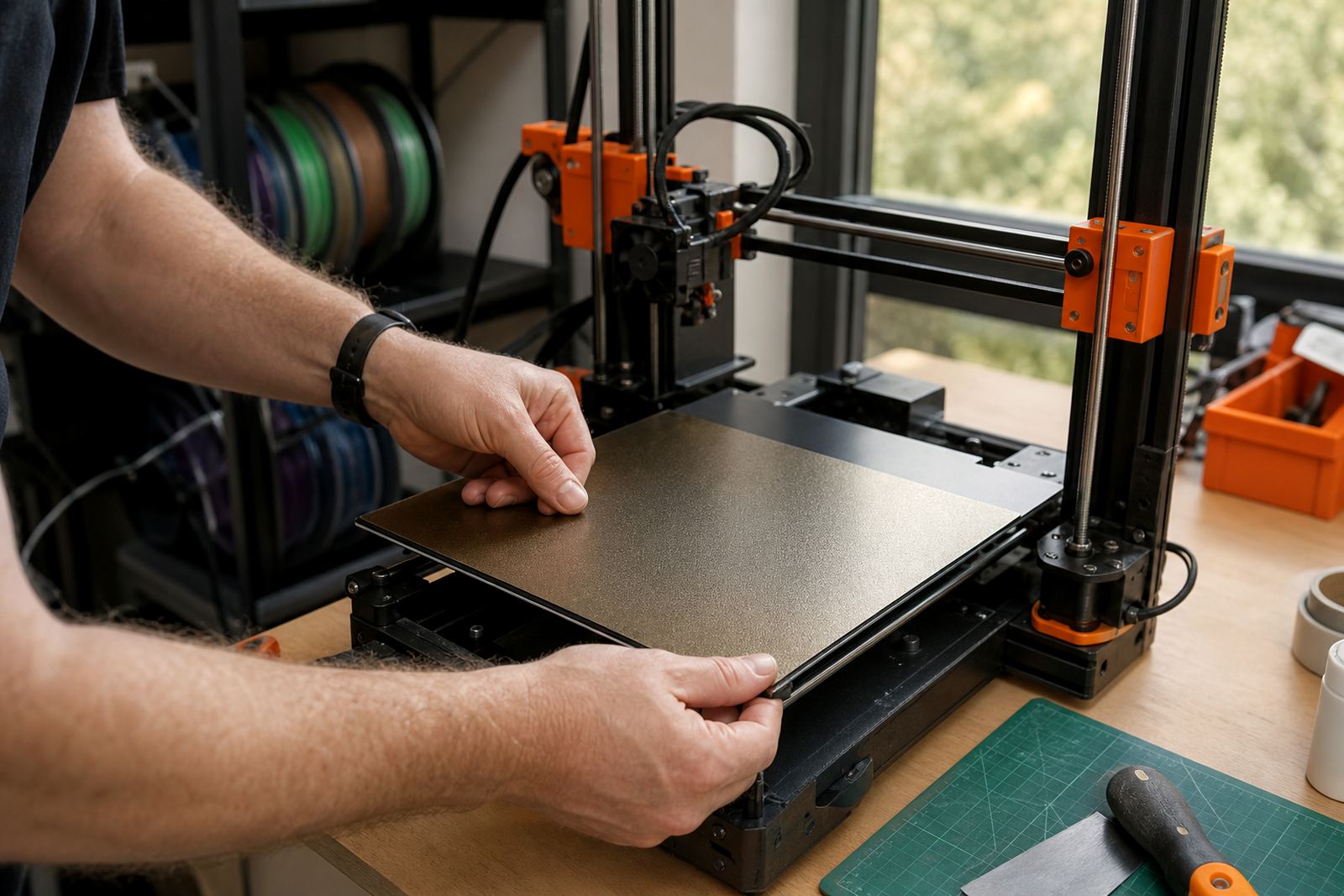
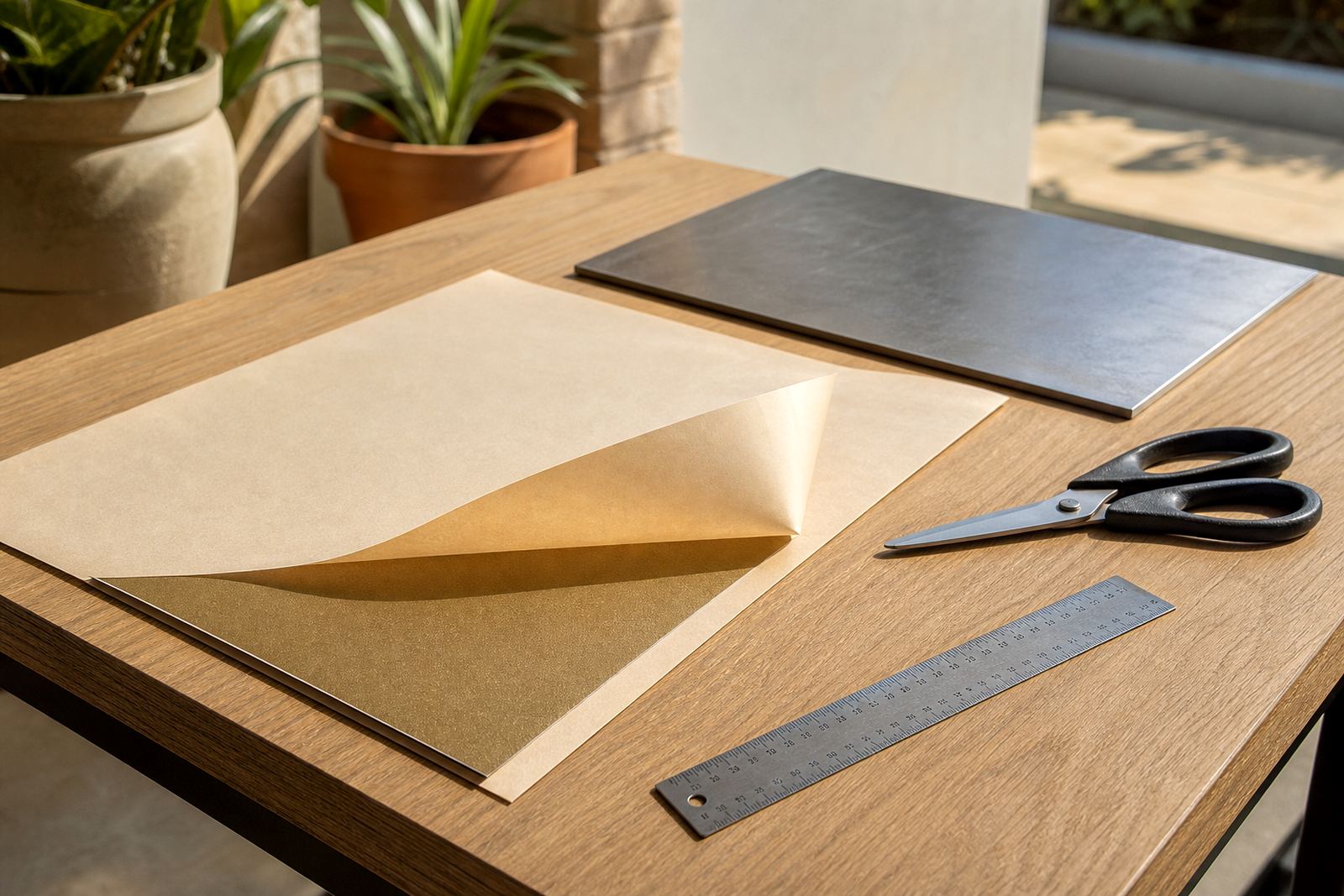
PEI sheets are a popular choice for users who want dependable first-layer adhesion with a clean release once the bed cools. They suit everyday printing across PLA, PETG and other common materials, provided the plate is kept clean and the first layer is set up properly. For many users, PEI is the most practical all round option because it balances grip and release without constant fuss.
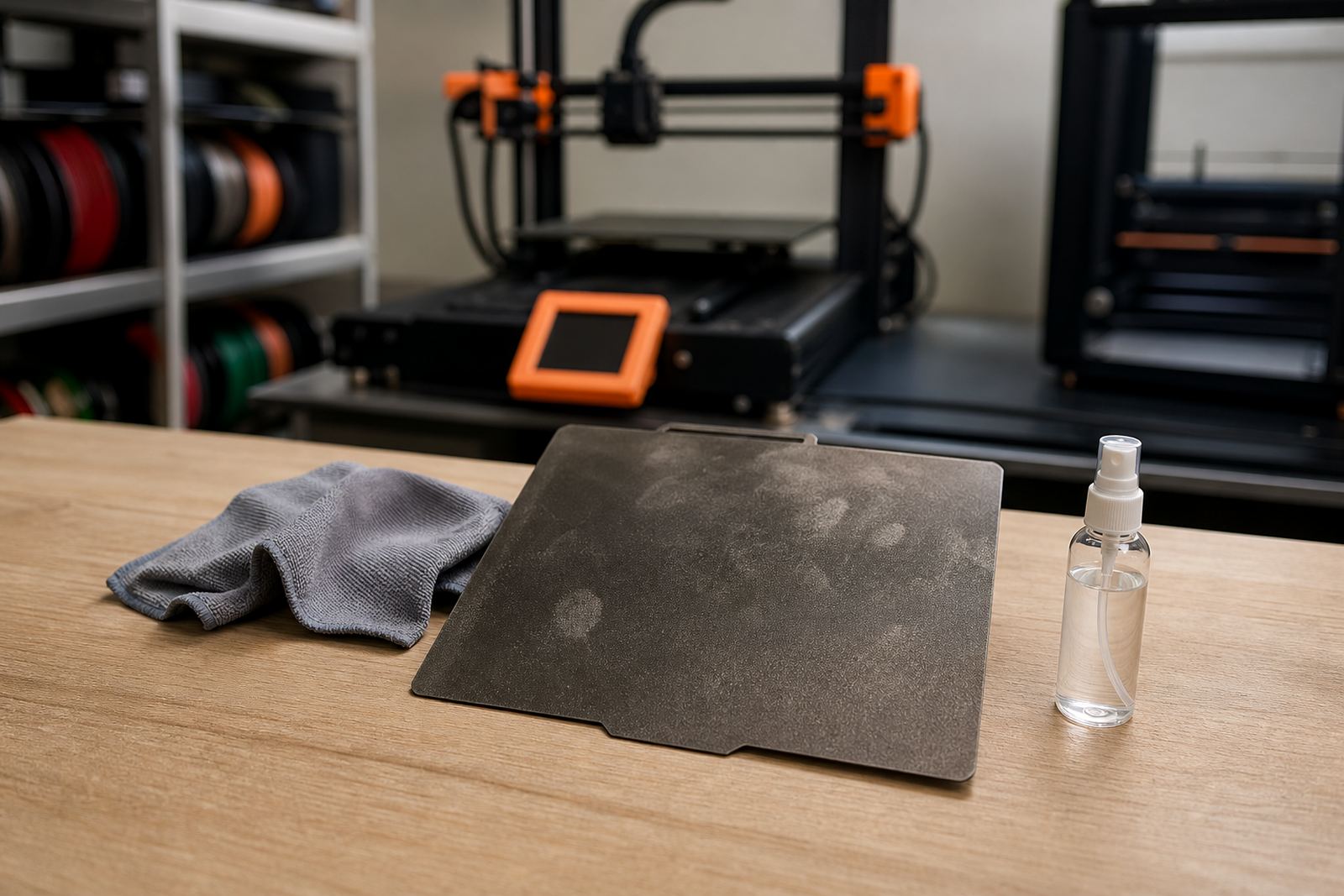
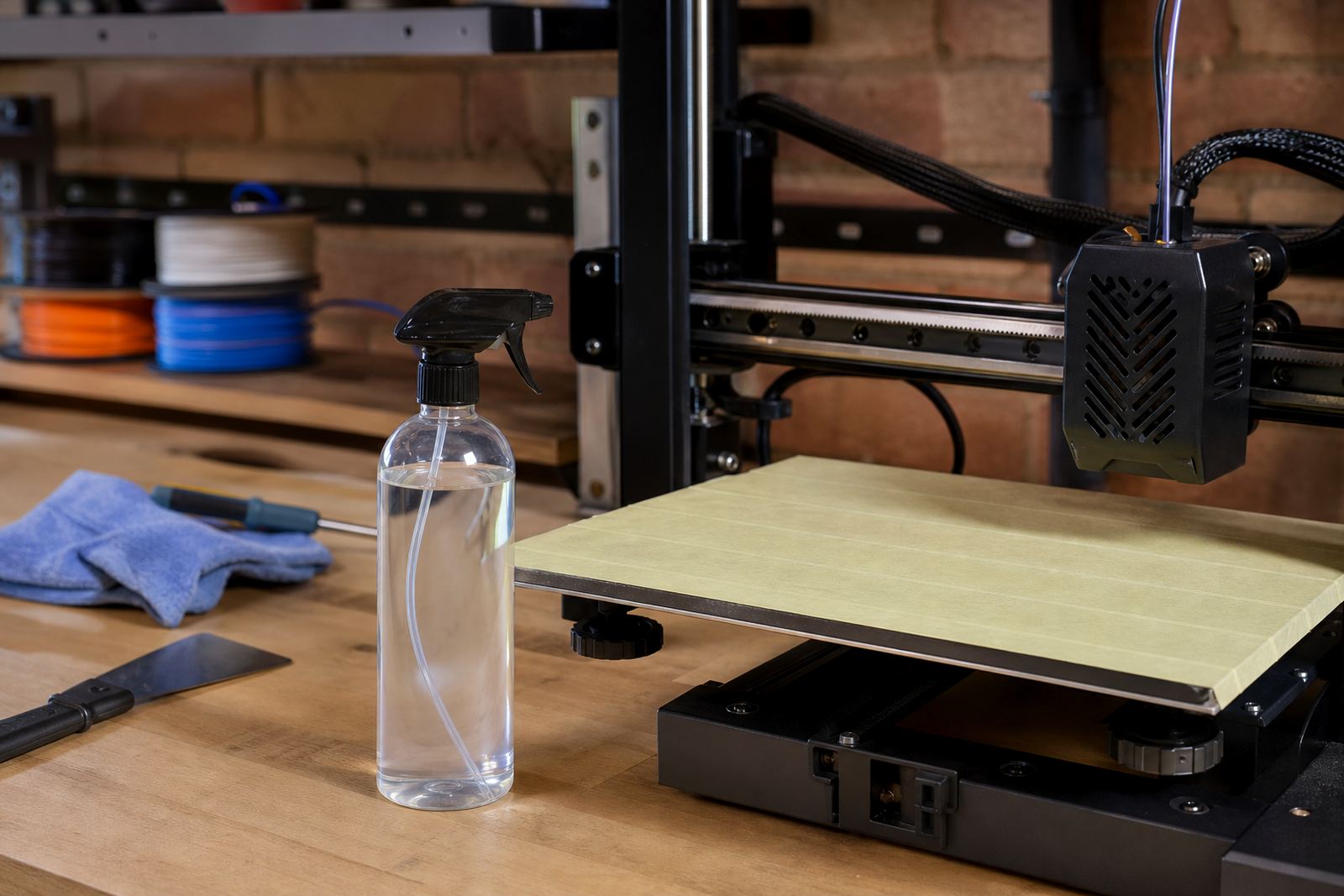
In South African conditions, dust and humidity can affect how a surface behaves. Coastal areas like Durban and Gqeberha often need more regular cleaning, while indoor school labs may need a simple routine so learners can reset the bed properly between prints. A good PEI surface should handle repeated use, but it still needs care. Wipe off oils, keep fingerprints off the print area, and avoid scratching the sheet with sharp tools.
- Good for repeat printing where the first layer must be consistent
- Works well on flexible removable systems and direct-mounted plates
- Suitable for hobby use, classrooms, and production work
- Needs correct bed temperature and clean handling for best results
Magnetic Systems and Flexible Removal
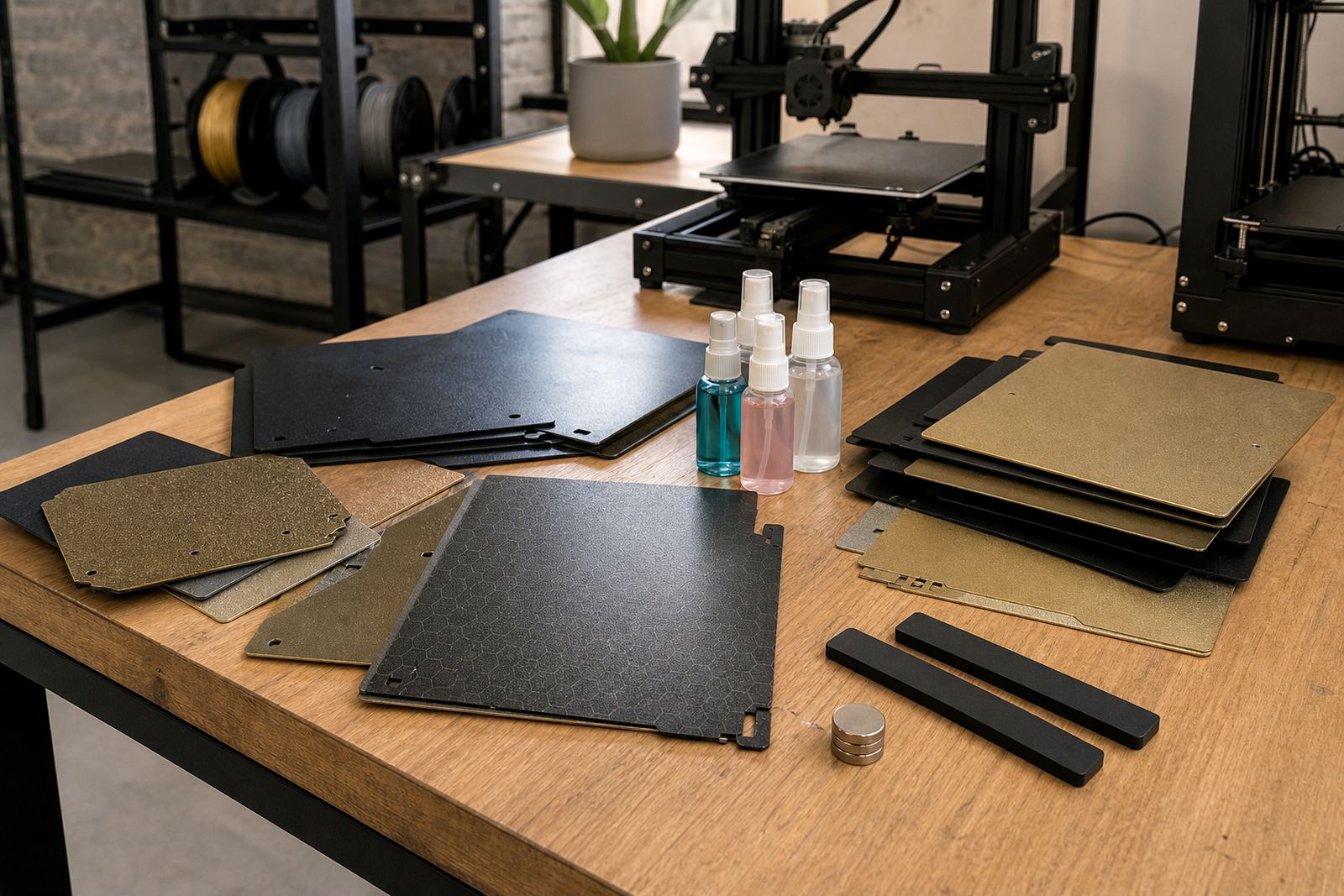
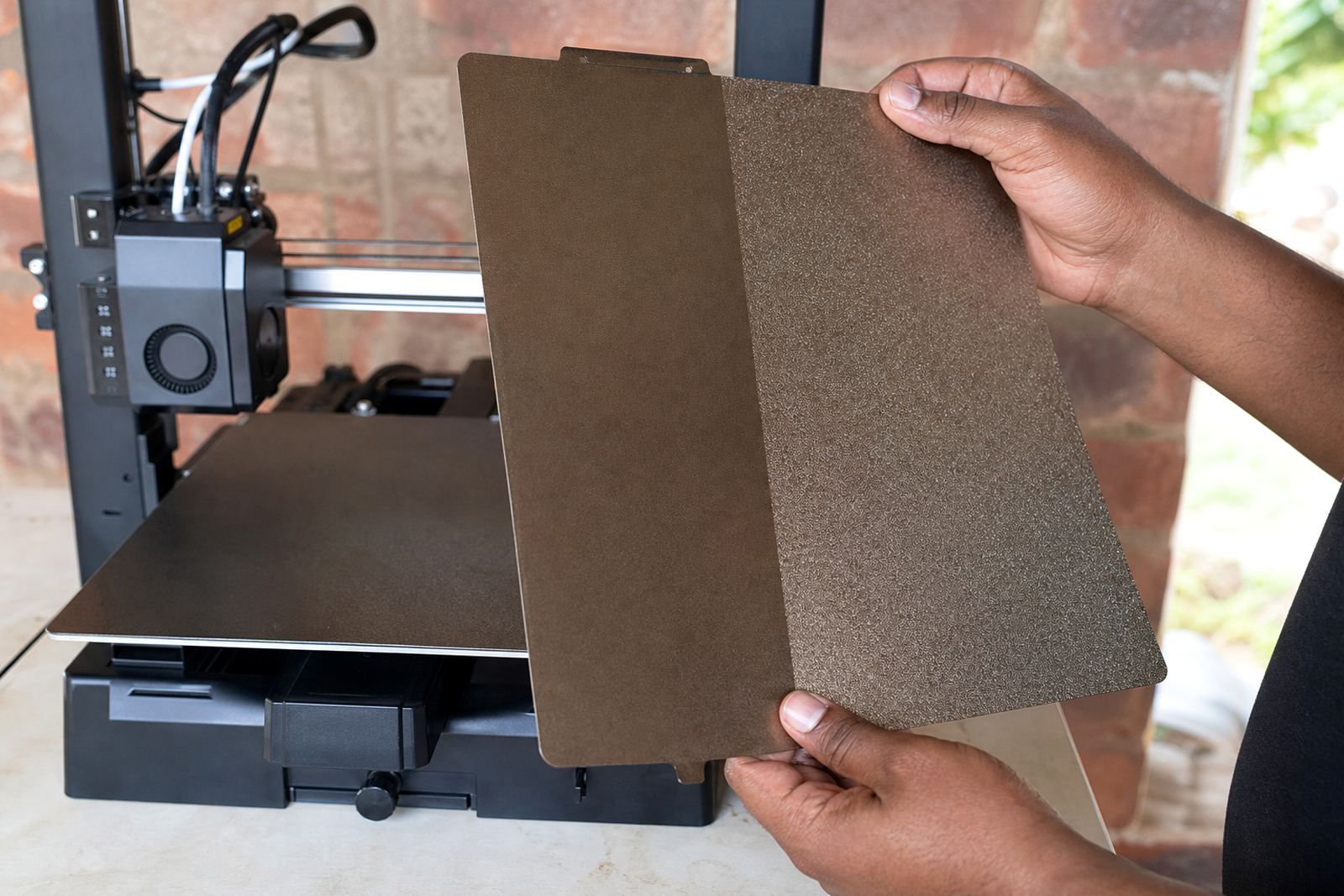
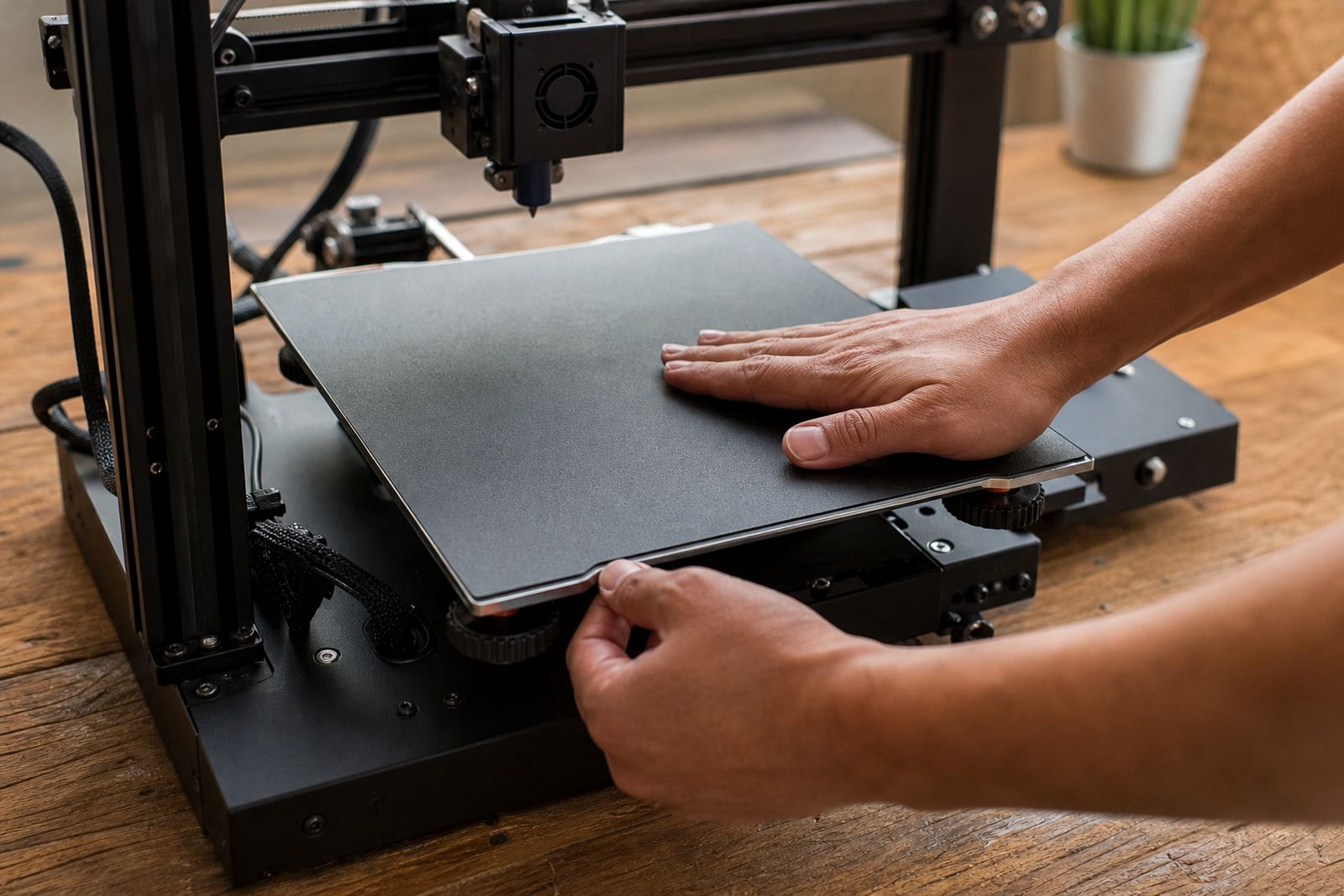
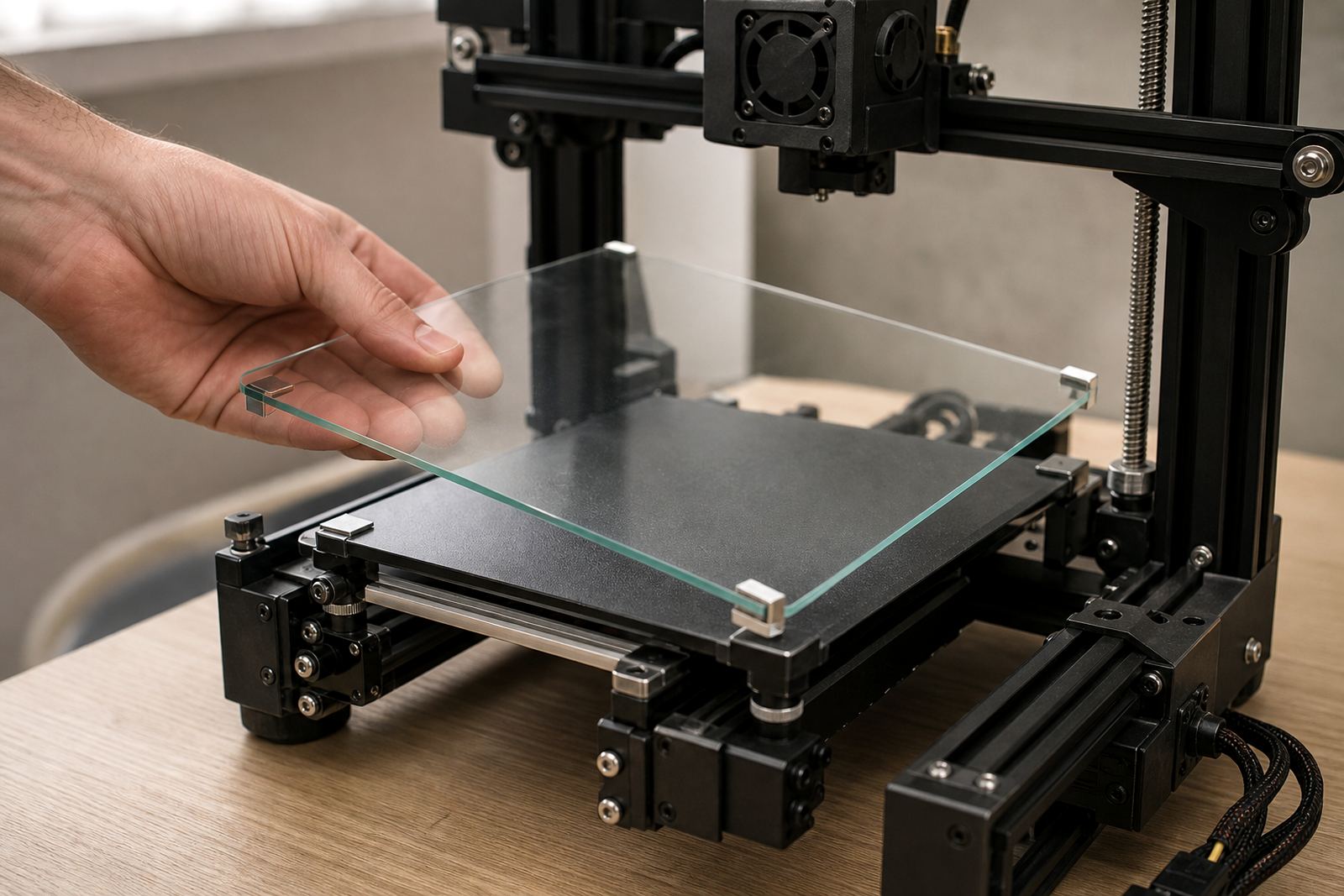
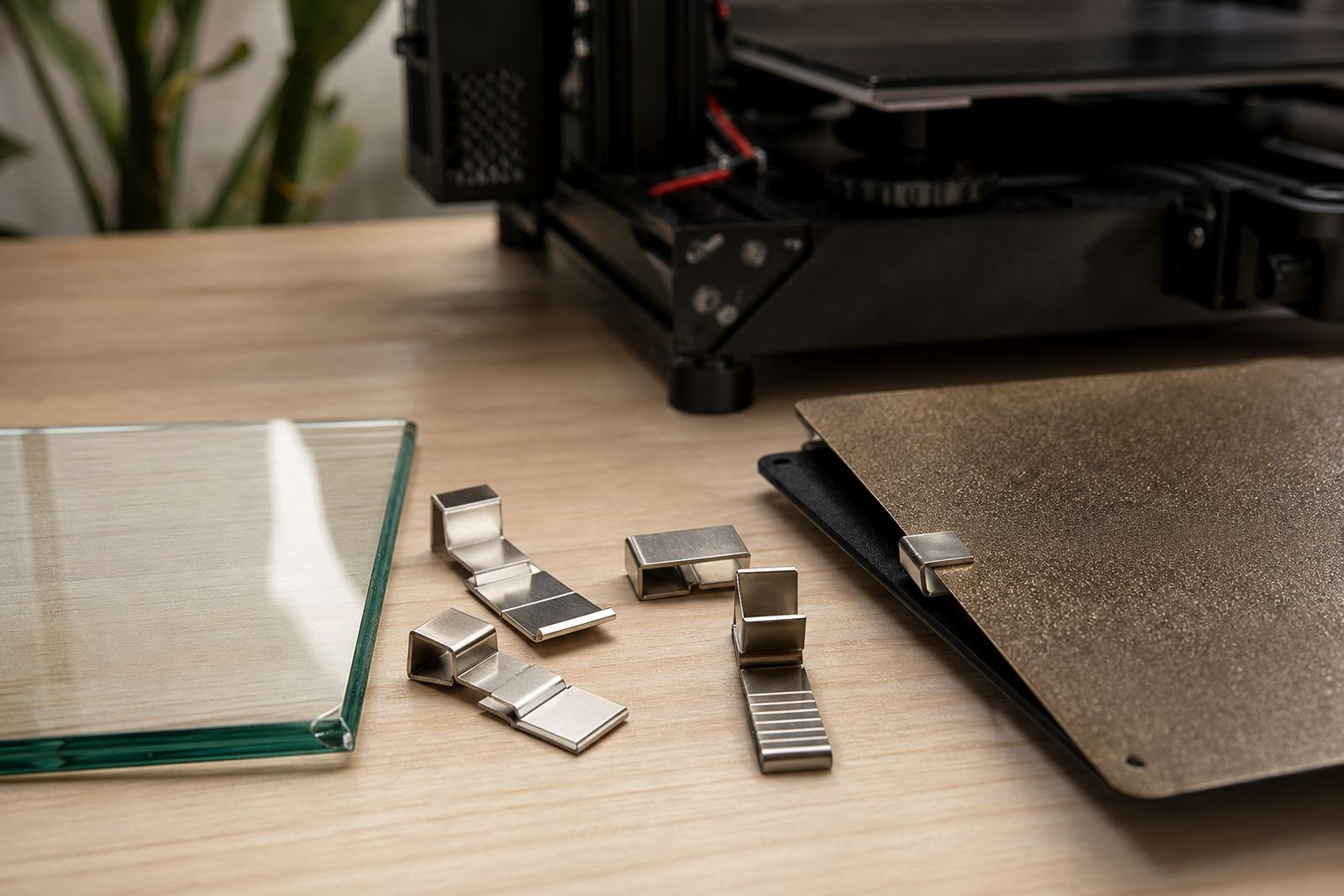
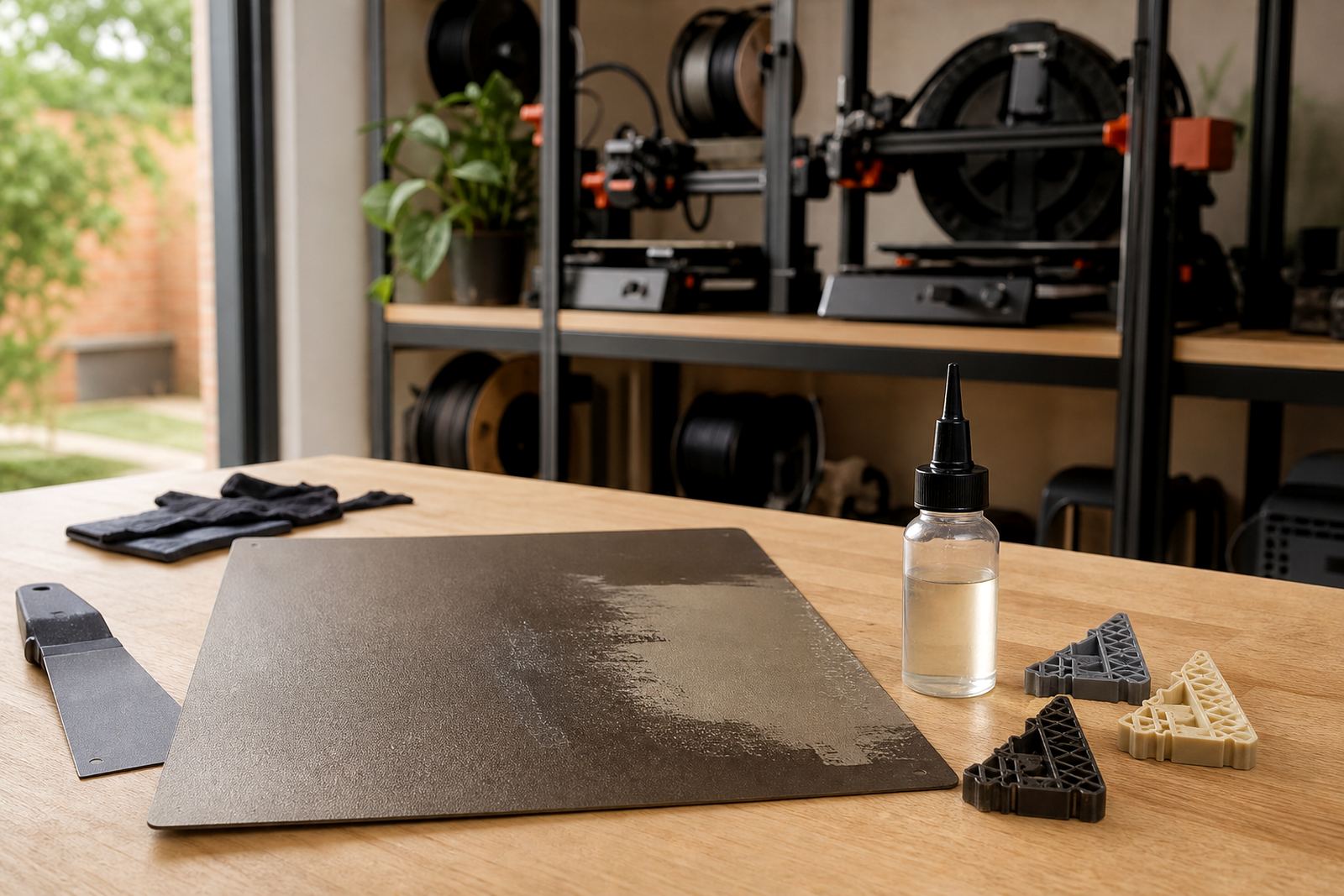
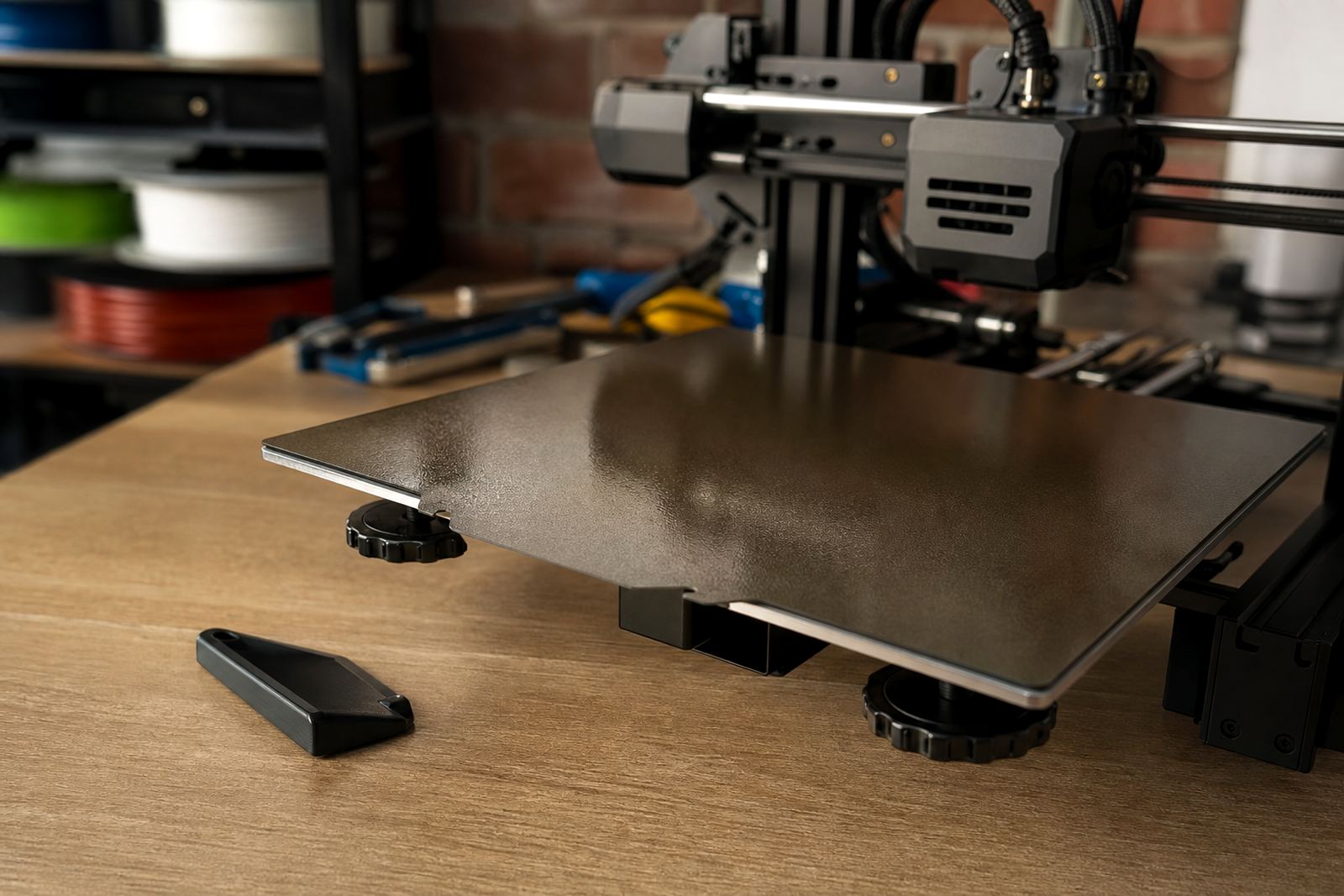
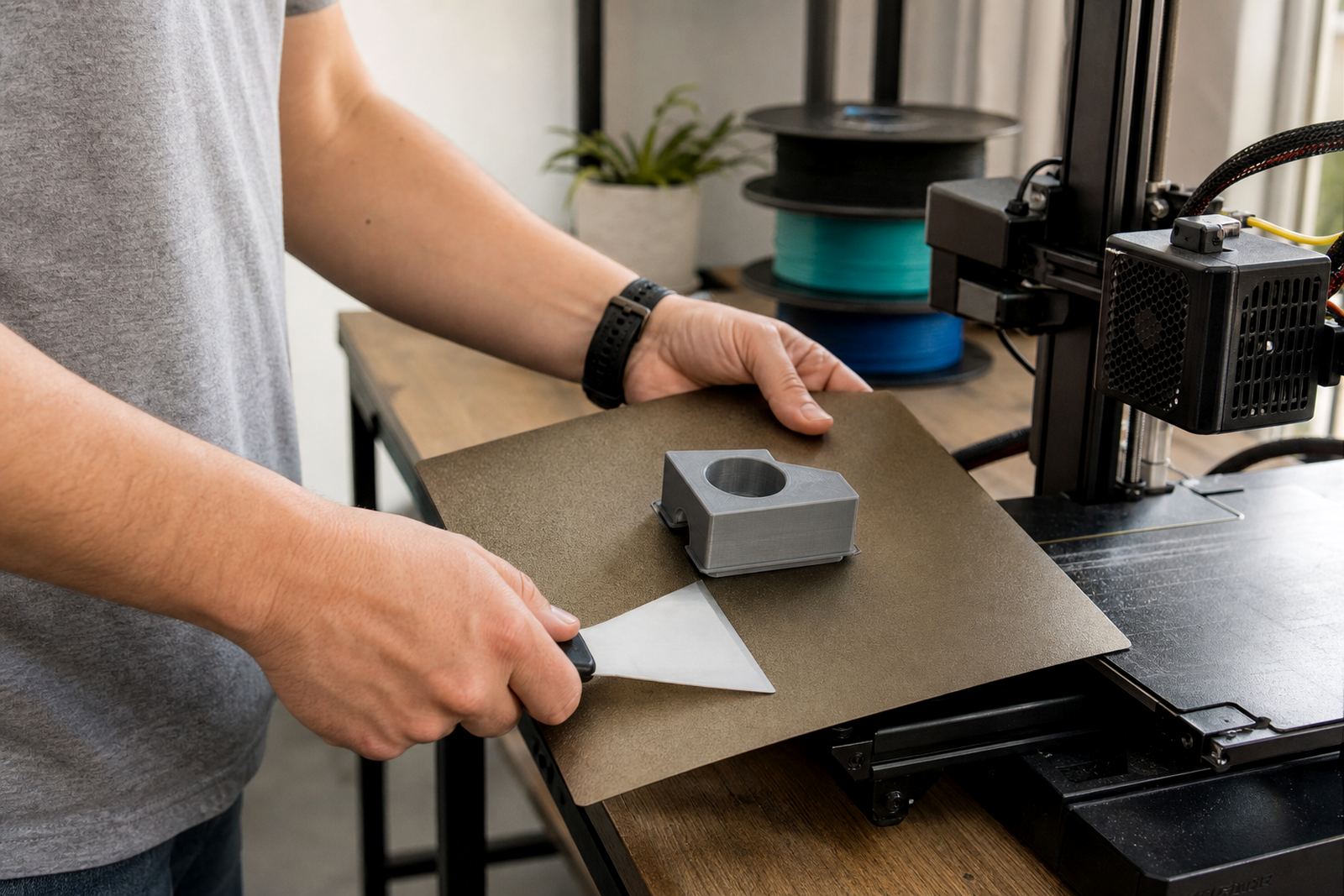
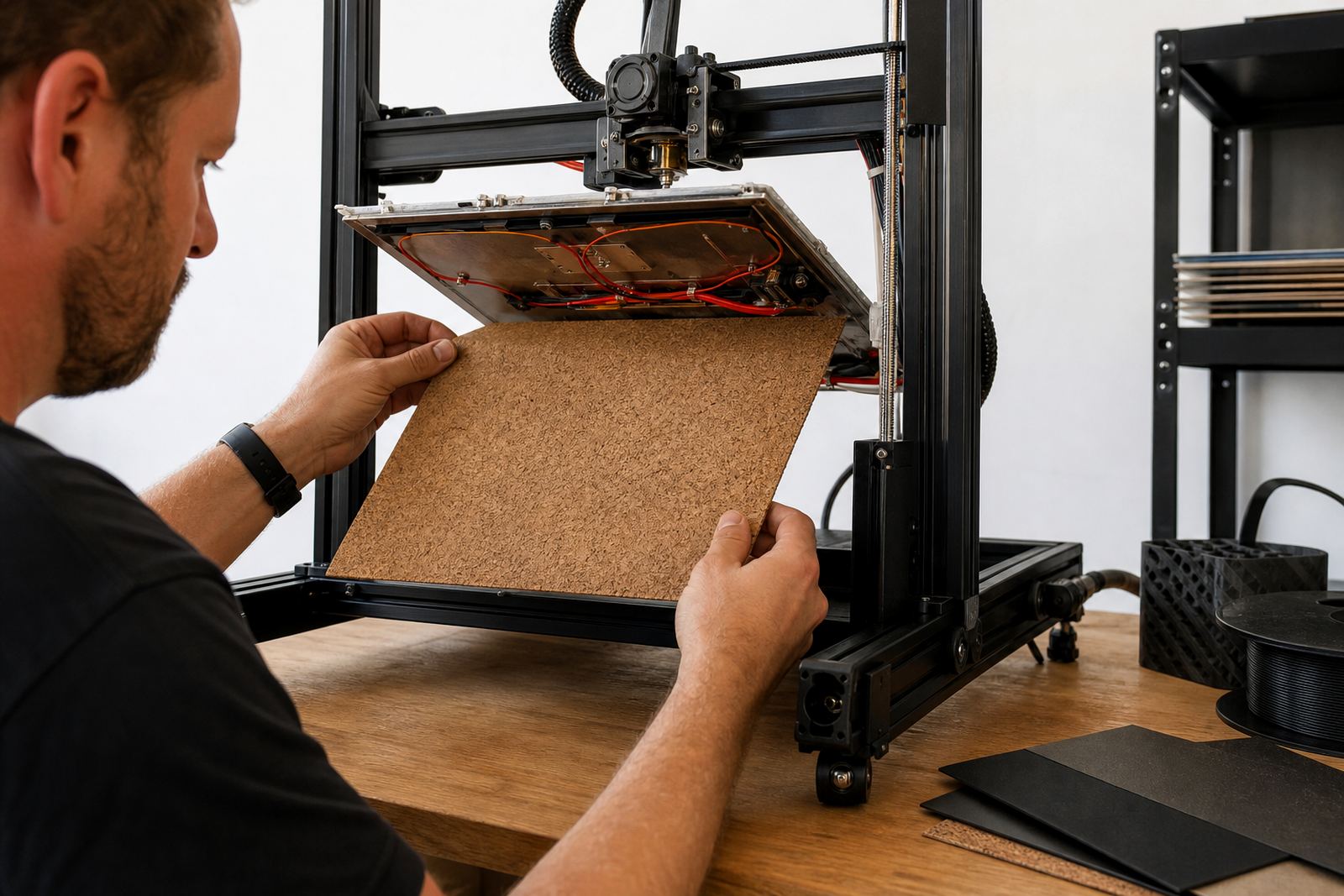
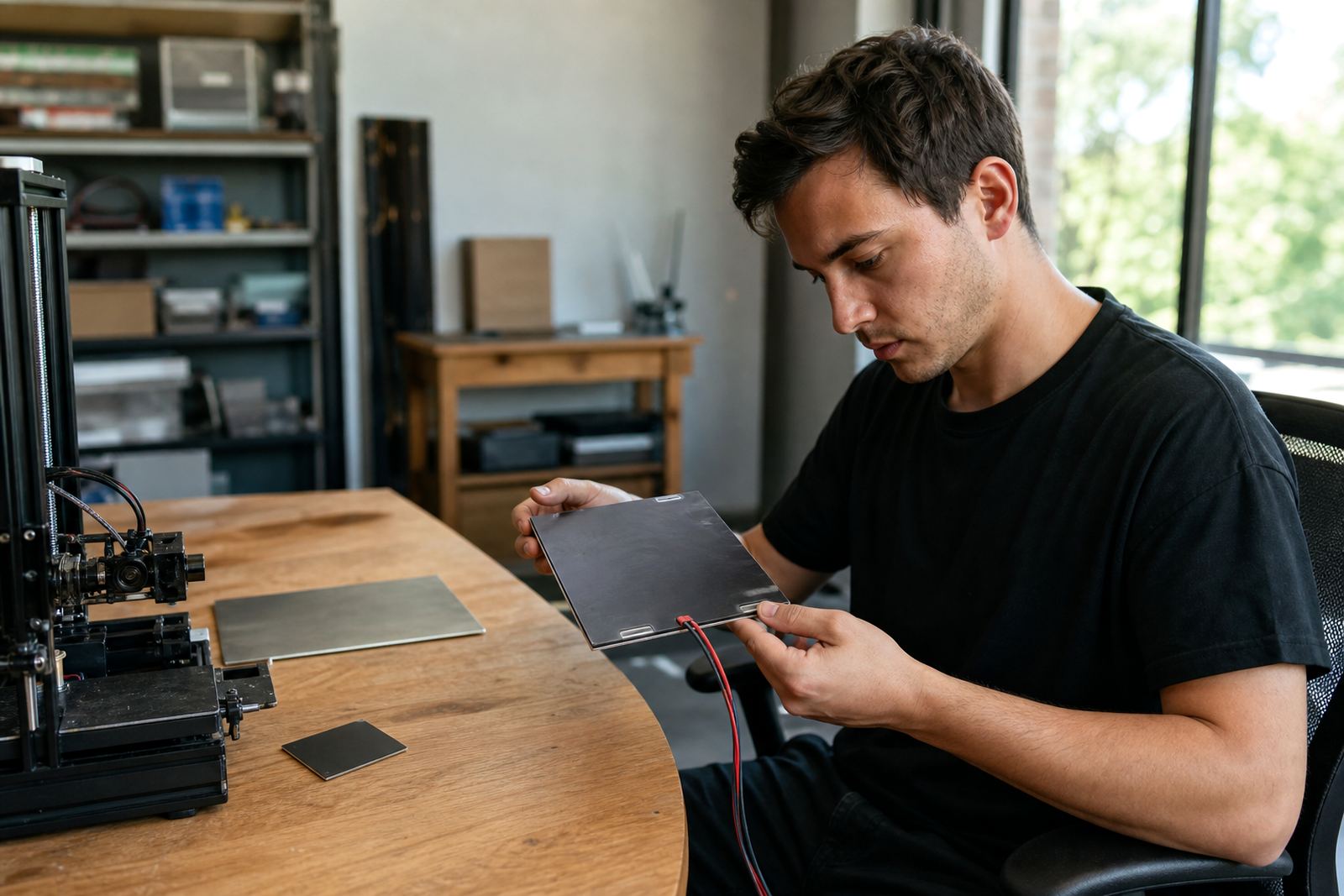
Many makers prefer a magnetic base with a removable spring steel plate because it makes part removal easier and speeds up turnaround between jobs. This is useful in print farms, maker spaces, and schools where several prints may be due on the same machine in one day. A flexible plate can help reduce scraping and bending pressure on the printer bed, which is useful for long-term machine care.
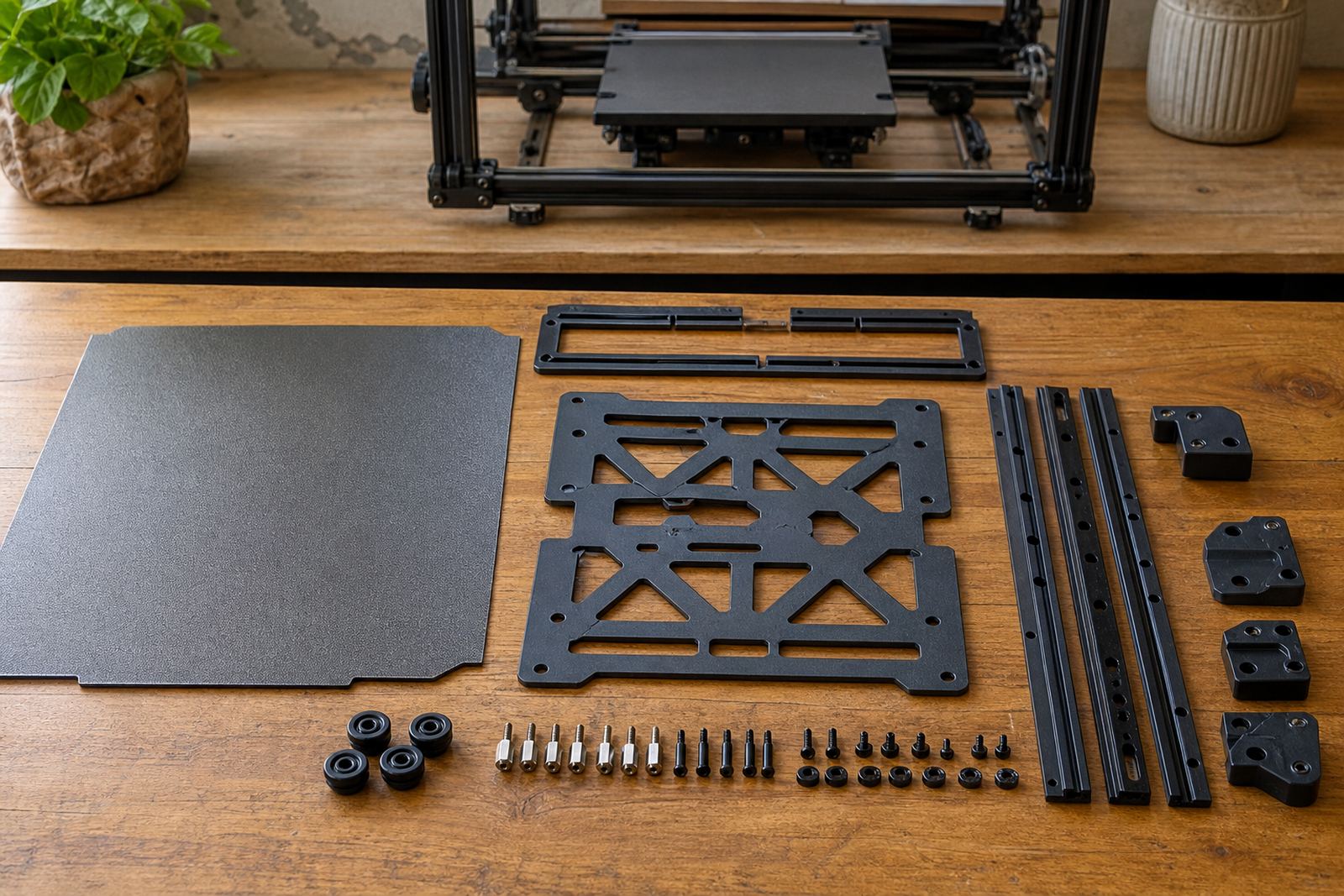
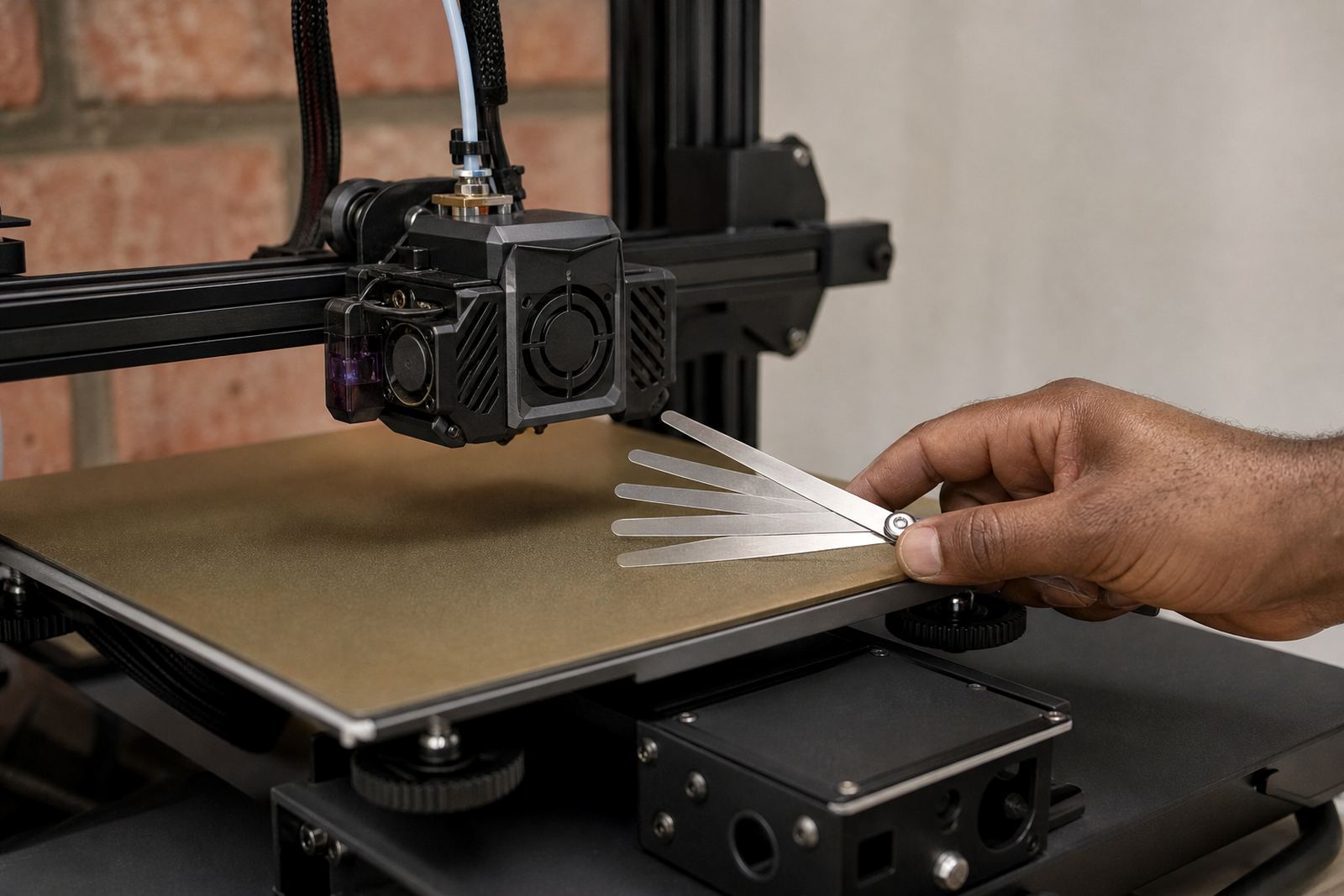
Before fitting a magnetic system, check that the bed is flat and the machine has enough clearance for the added thickness. If the bed is uneven or the nozzle height is not set correctly, even a good surface will not perform well. We support users with magnetic base fitting, bed flatness checks, and replacement planning so the setup works properly from the start.
- Useful for fast part release after the bed cools
- Helps reduce blade use and damage to the surface
- Best paired with a clean, level and correctly set bed
- Handy for shared machines where operators change often
Bed Adhesion Products That Support the Surface
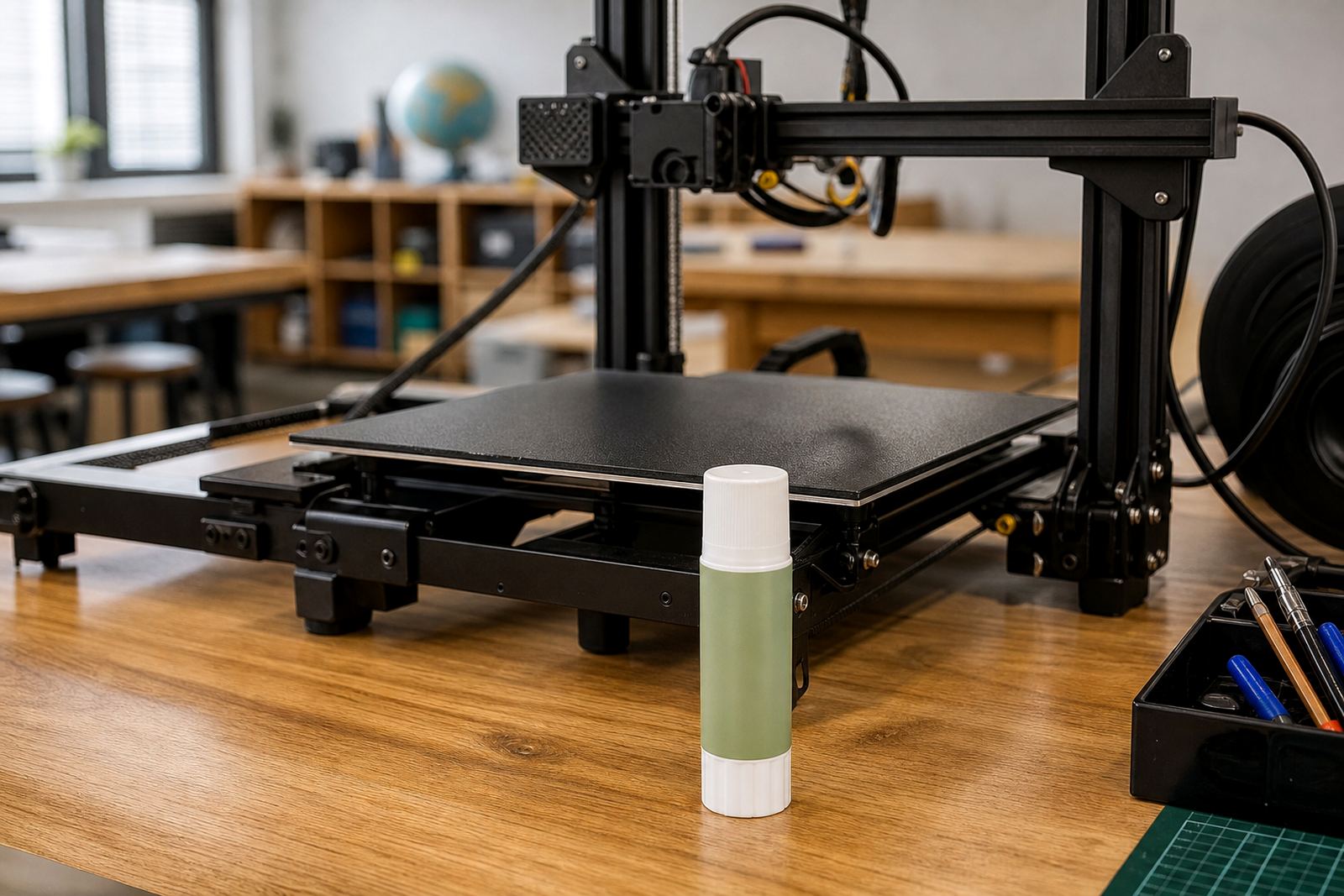
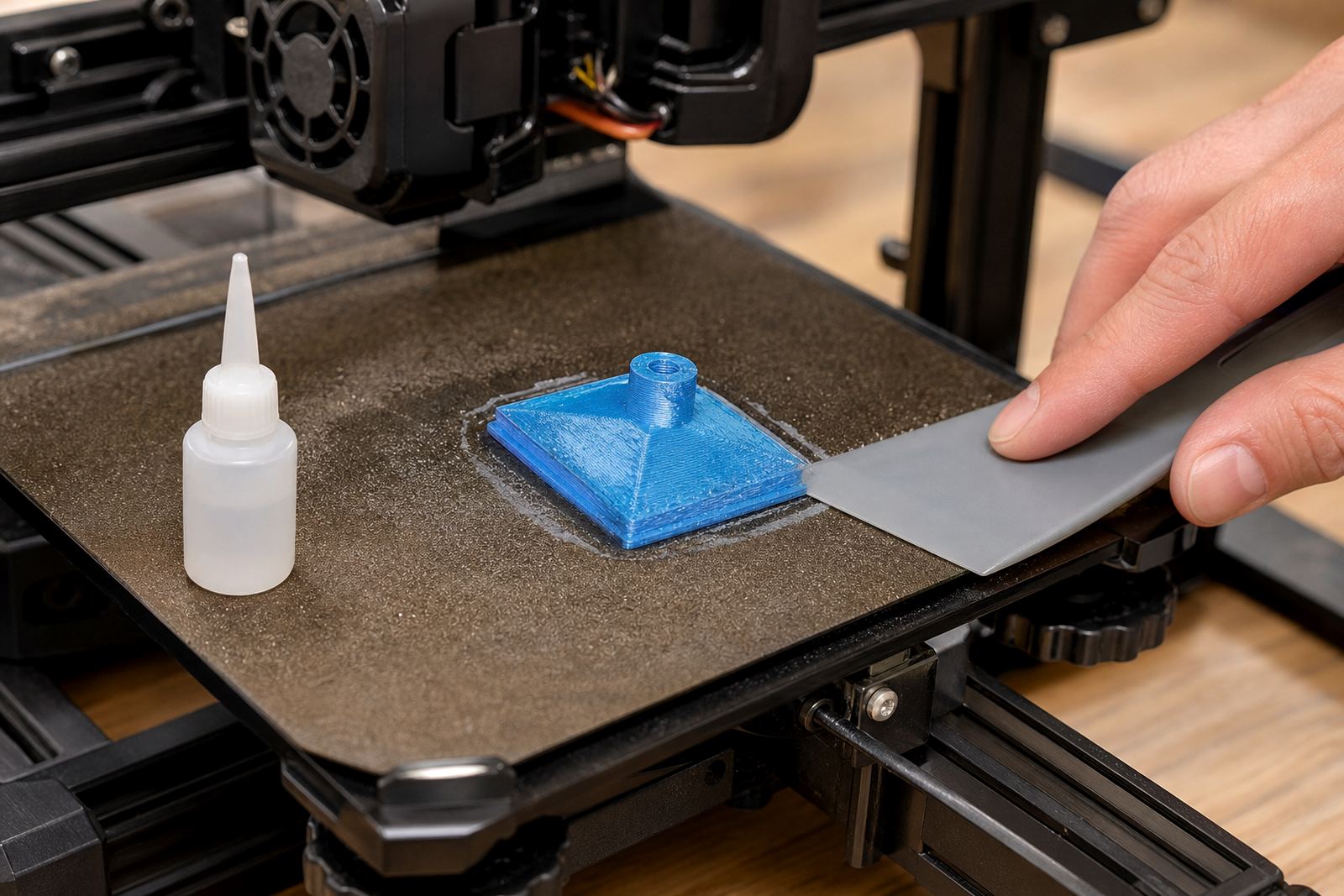
Sometimes the plate is only part of the answer. Bed adhesion products help when prints lift at the corners, warping starts on larger models, or the material needs extra help to stay put during the first layers. This matters for long prints, wide parts, and jobs running overnight during load-shedding backups where you want fewer restarts and less waste.
We supply practical adhesion solutions for day-to-day use and can guide you on when to use them and when to avoid them. The right answer depends on the material, nozzle temperature, bed temperature, and the state of the surface itself. If the plate is worn or contaminated, no amount of adhesive will fix the problem properly.
- Helps with corner lift and first-layer movement
- Useful for large flat parts and long production runs
- Should be matched to the print material and surface type
- Works best when the bed is clean and level first
For Schools, Print Farms and Maker Spaces
Different users need different support. A school lab in Bloemfontein may need simple care training and a few standard sizes that learners can use safely. A print farm in Midrand may need repeatable plate supply, replacement planning, and a clear routine so jobs can be moved between machines without confusion. Makers at home often want one dependable surface that handles a wide range of projects without taking up too much time.
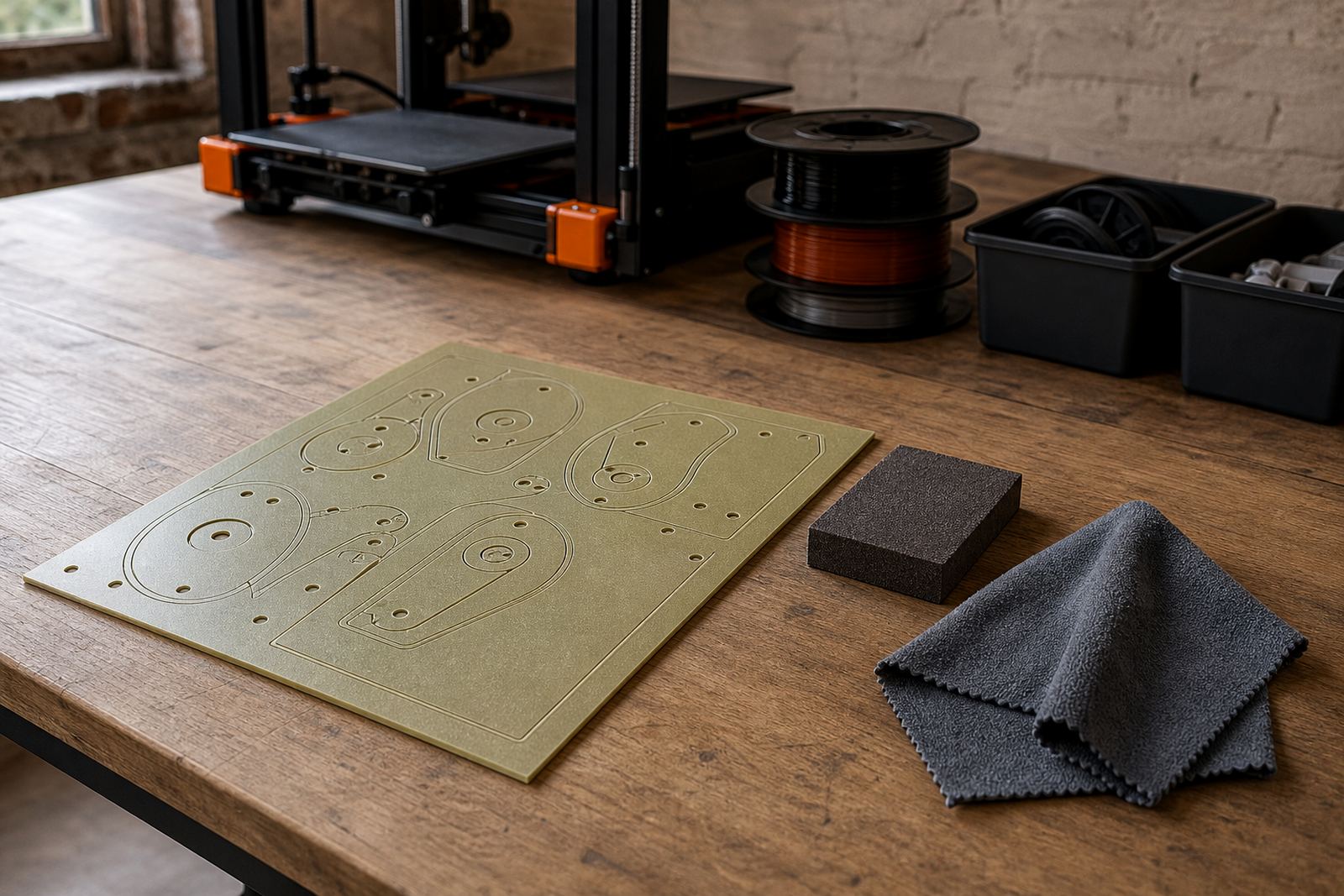
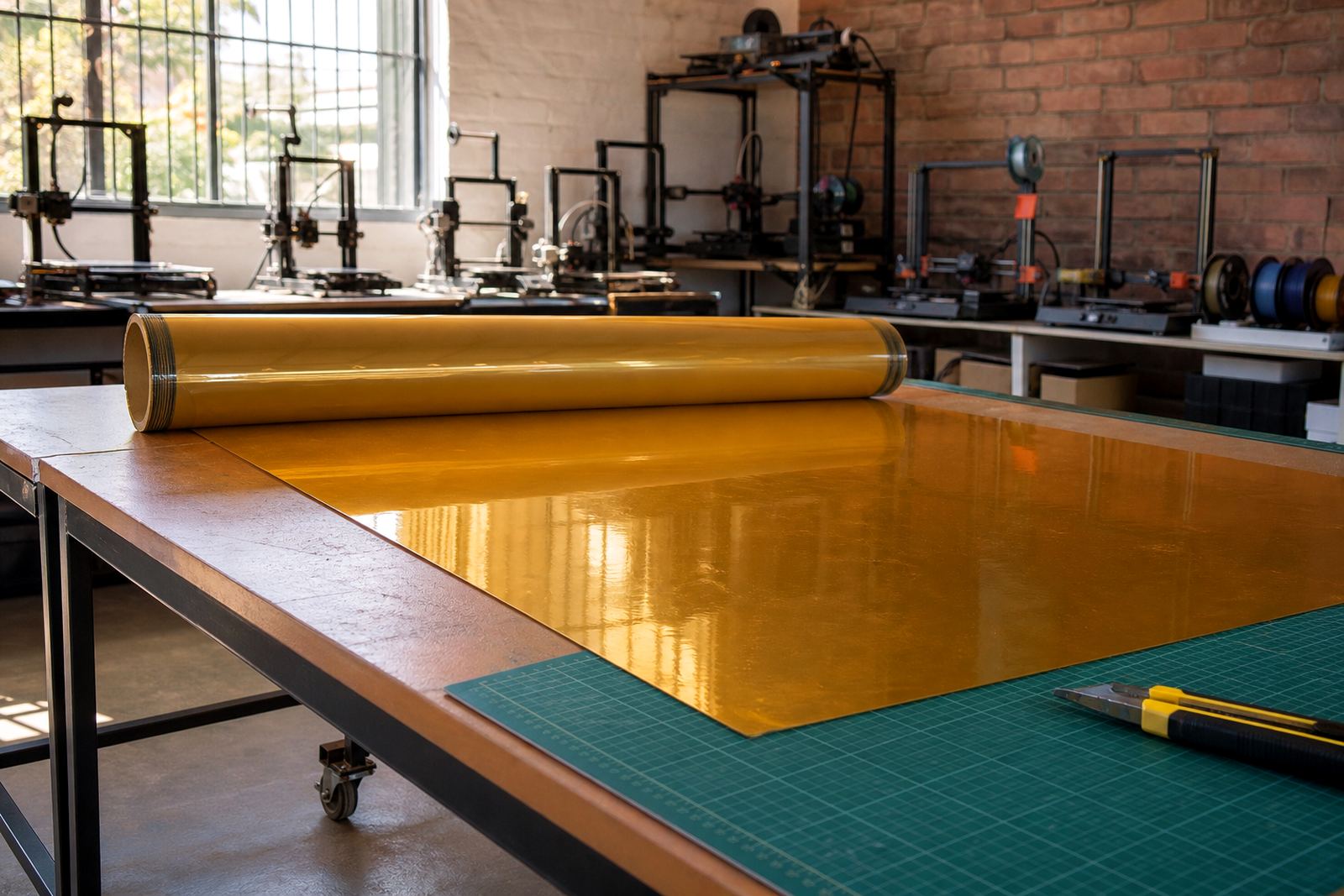
We work with teams that need more than a single part. That can include farm standardising, consumables supply, custom size cutting, and bed care training. If you are running several printers, a common plate setup makes life easier for the operator and the customer. It also helps with stock control, which matters when you are trying to keep production moving across Gauteng and beyond.
- School lab setup with simple handling rules
- Farm standardising for multi-machine environments
- Replacement planning for worn or damaged plates
- Consumables supply for ongoing use
Supplied from Centurion to Major South African Centres
LayerPad is based in Centurion, Gauteng and supplies build plates and related products across South Africa. Clients in Pretoria, Johannesburg, Cape Town, Durban and Bloemfontein can reach us through the enquiry form on our contact page, and collections or dispatch arrangements are handled through our coverage areas where needed. Whether you need one plate or a regular supply for a lab or farm, the aim is to keep the process straightforward.
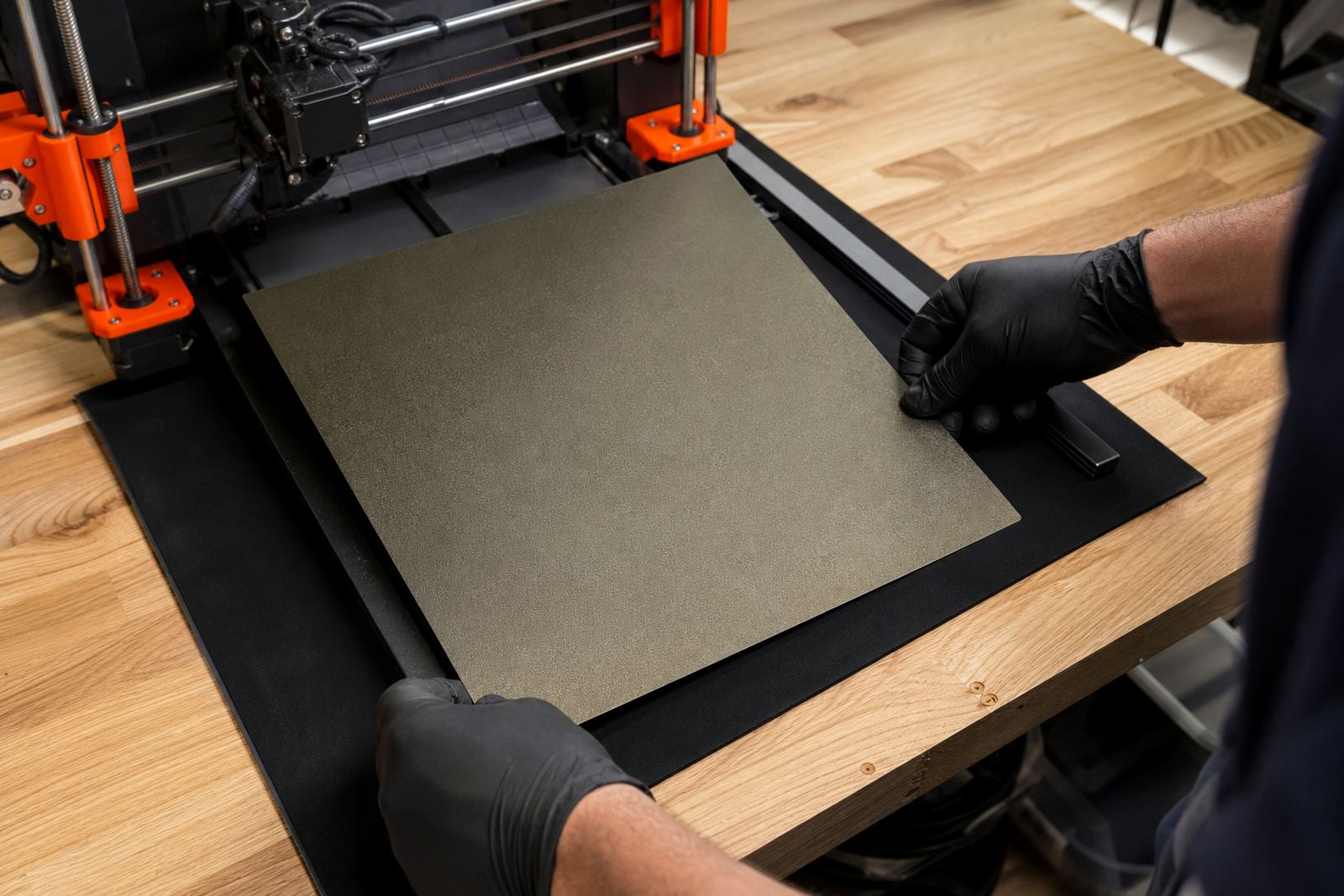
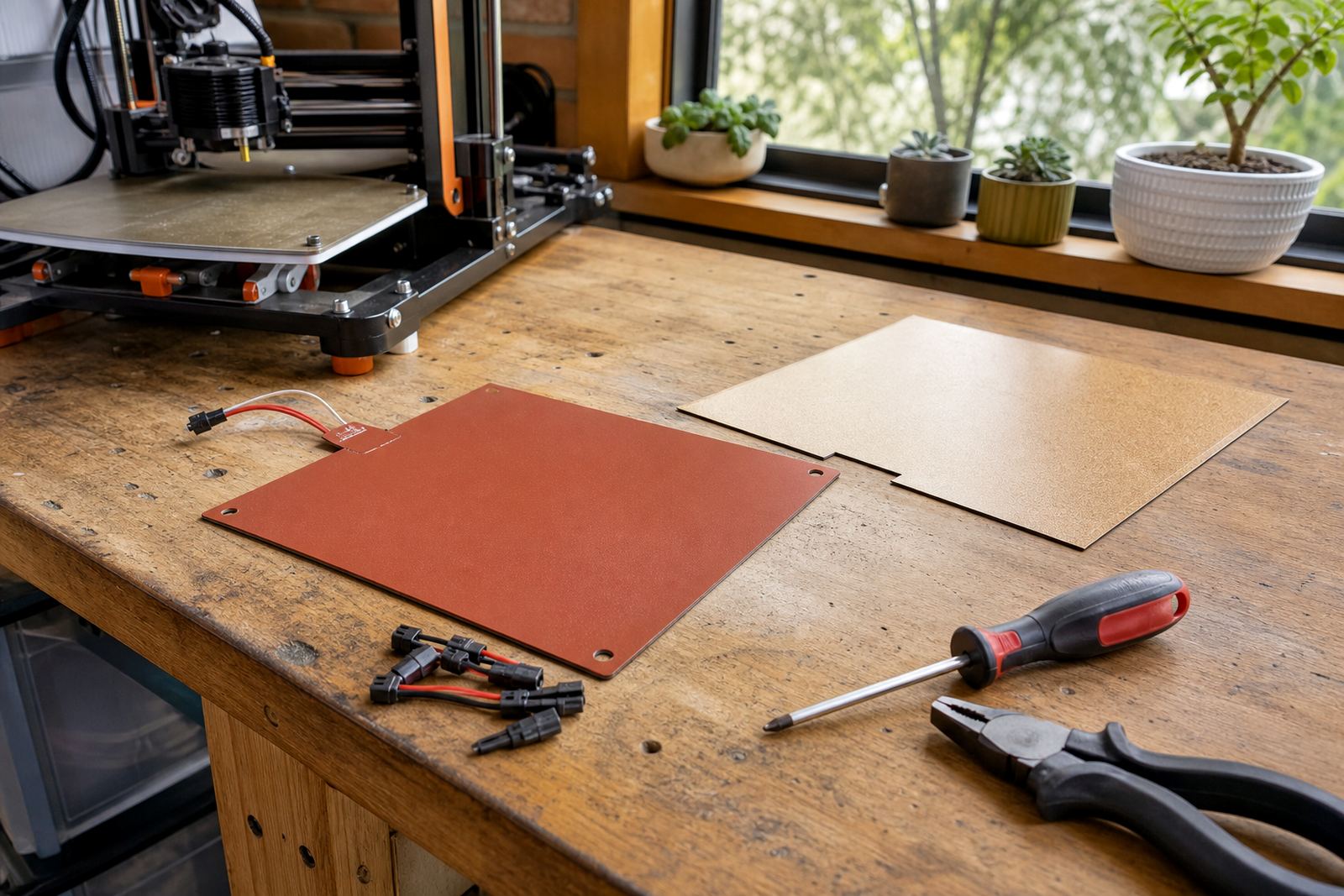
We also support users through plate installation, PEI sheet fitting, surface refresh, and adhesion troubleshooting. If you are not sure which surface suits your machine, start with the printer size, the material you use most often, and how quickly you need parts off the bed. That gives us a practical base to recommend the right option.