





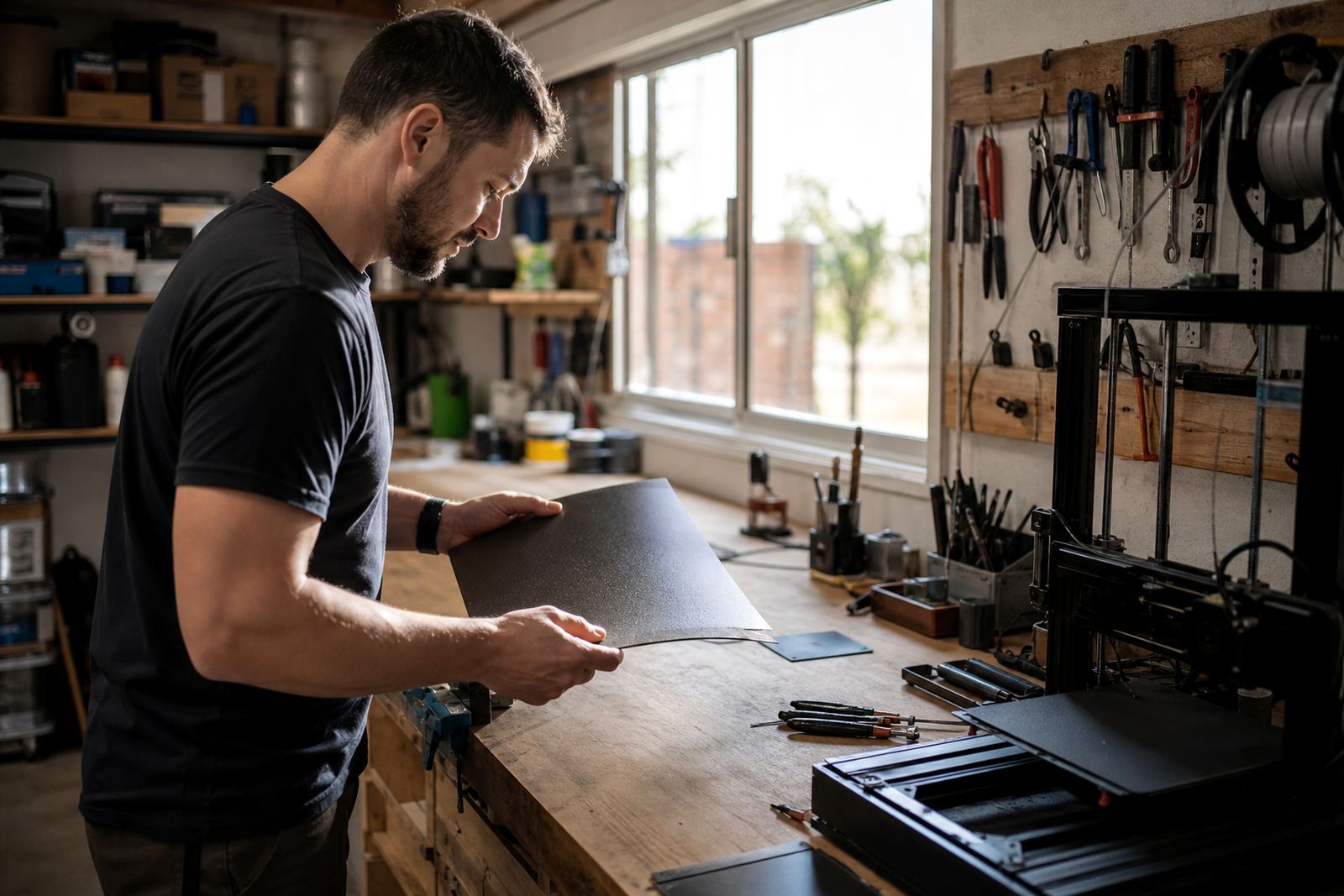

Why These Maker Stories Help You Choose
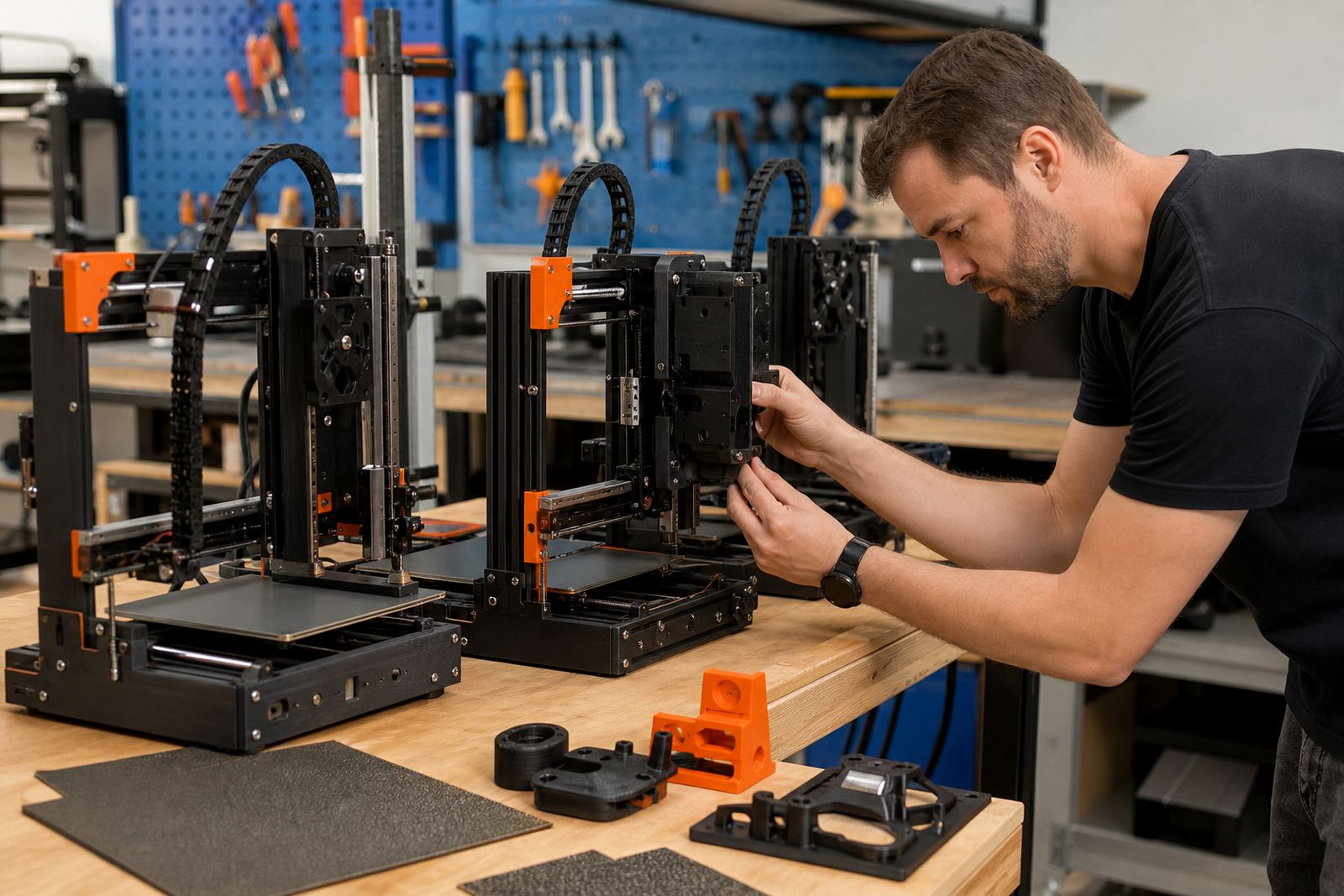
Every printer behaves a little differently once you move from a sample bench to daily use. A school lab in Pretoria East has different needs to a print farm in Midrand, and a coastal workshop in Durban faces humidity that changes first layer grip from one week to the next.
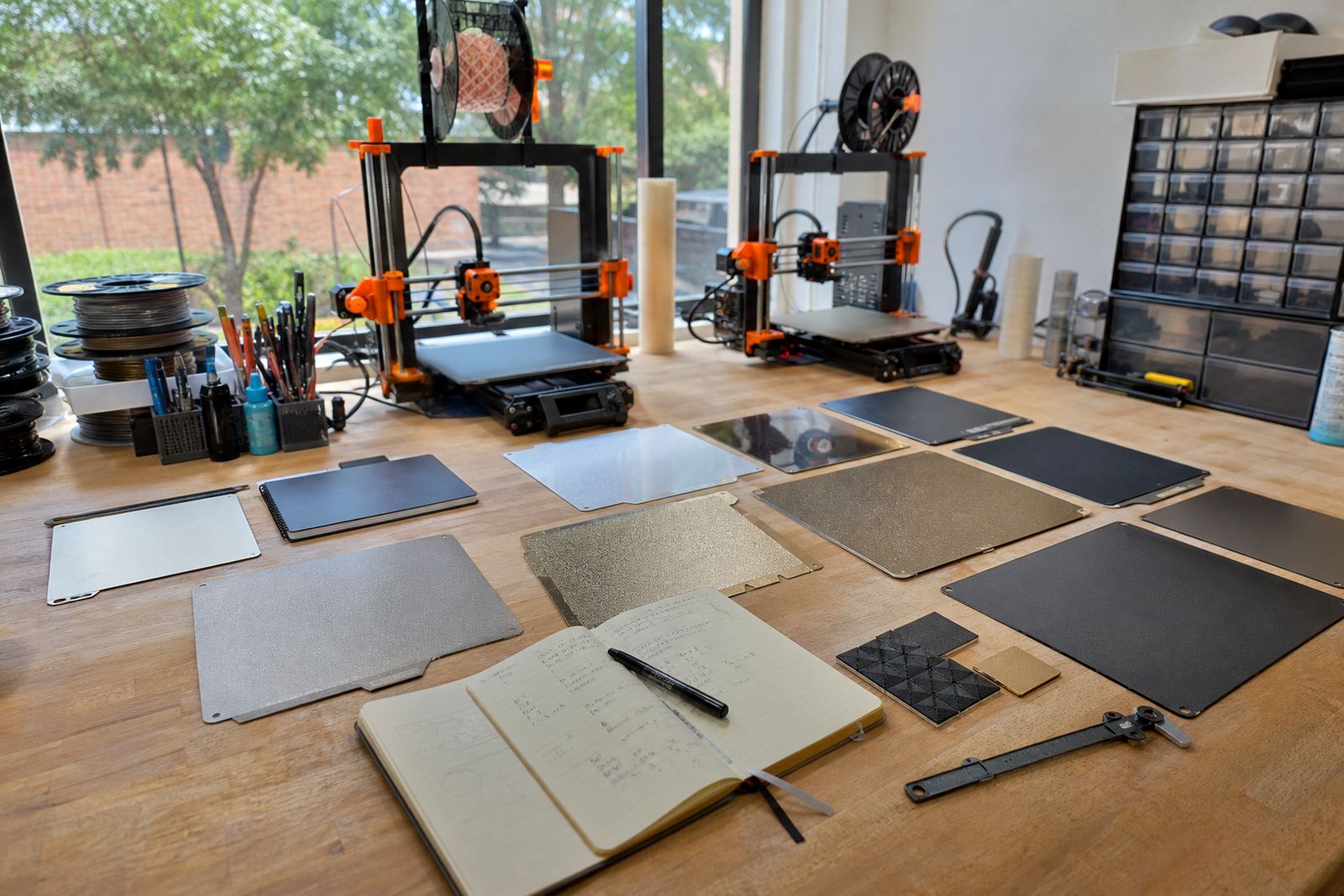
Use these stories to compare the problem, the surface choice, and the finish on the bed. If you are choosing between a smooth PEI sheet, a textured surface, a magnetic base or a replacement plate, look for the closest match to your own setup and then plan from there.
- Begin with the material you print most often
- Check the bed size and mounting method first
- Think about heat, dust and humidity in your area
- For schools and farms, consistency usually matters more than novelty
From First Layer Problems To Reliable Production
Many enquiries start with the same complaint: parts lift at the corners, edges curl, or the first layer sticks too hard on one job and not at all on the next. In most cases the answer is not a bigger amount of glue or more force on the bed clip, it is a better matched surface.
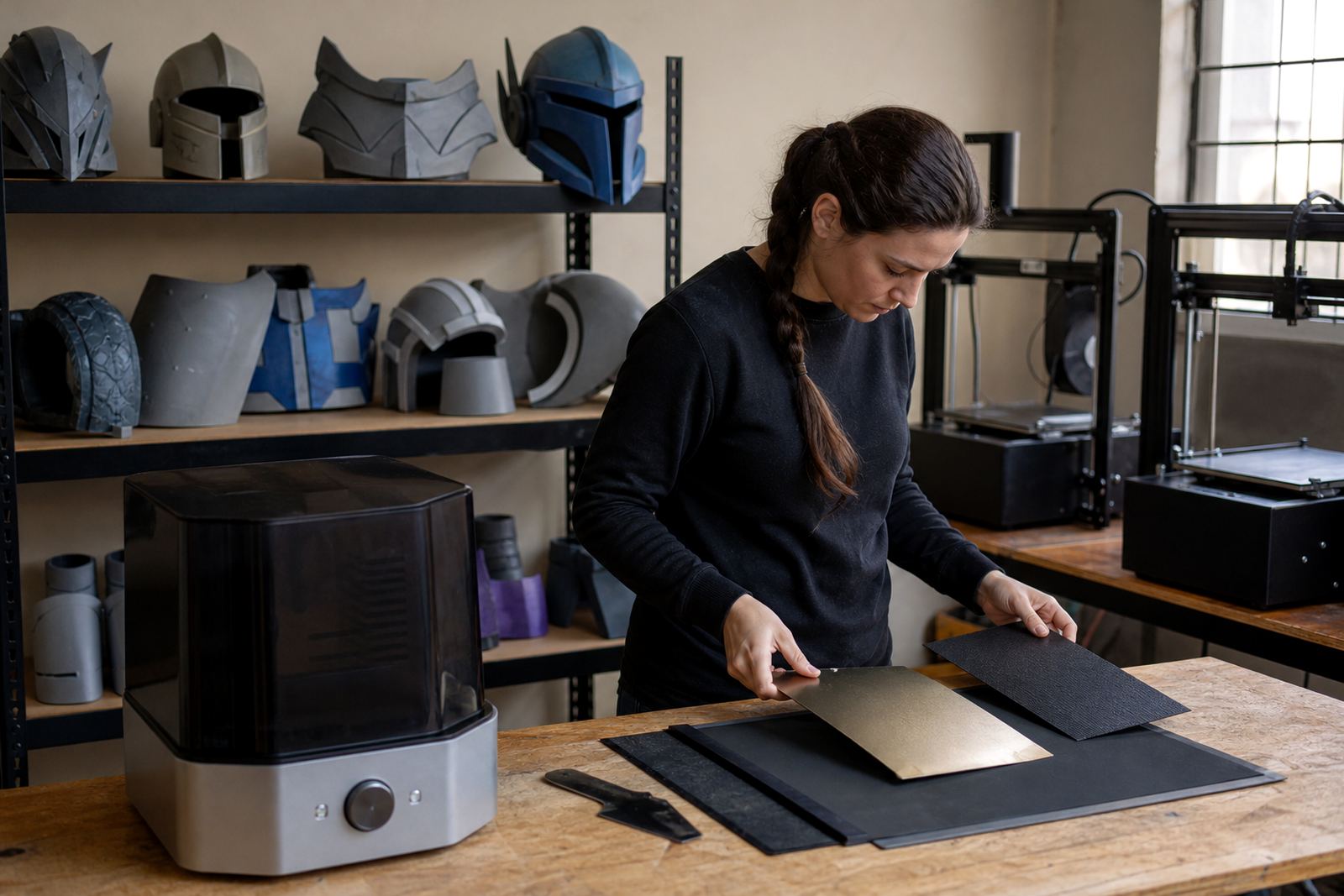
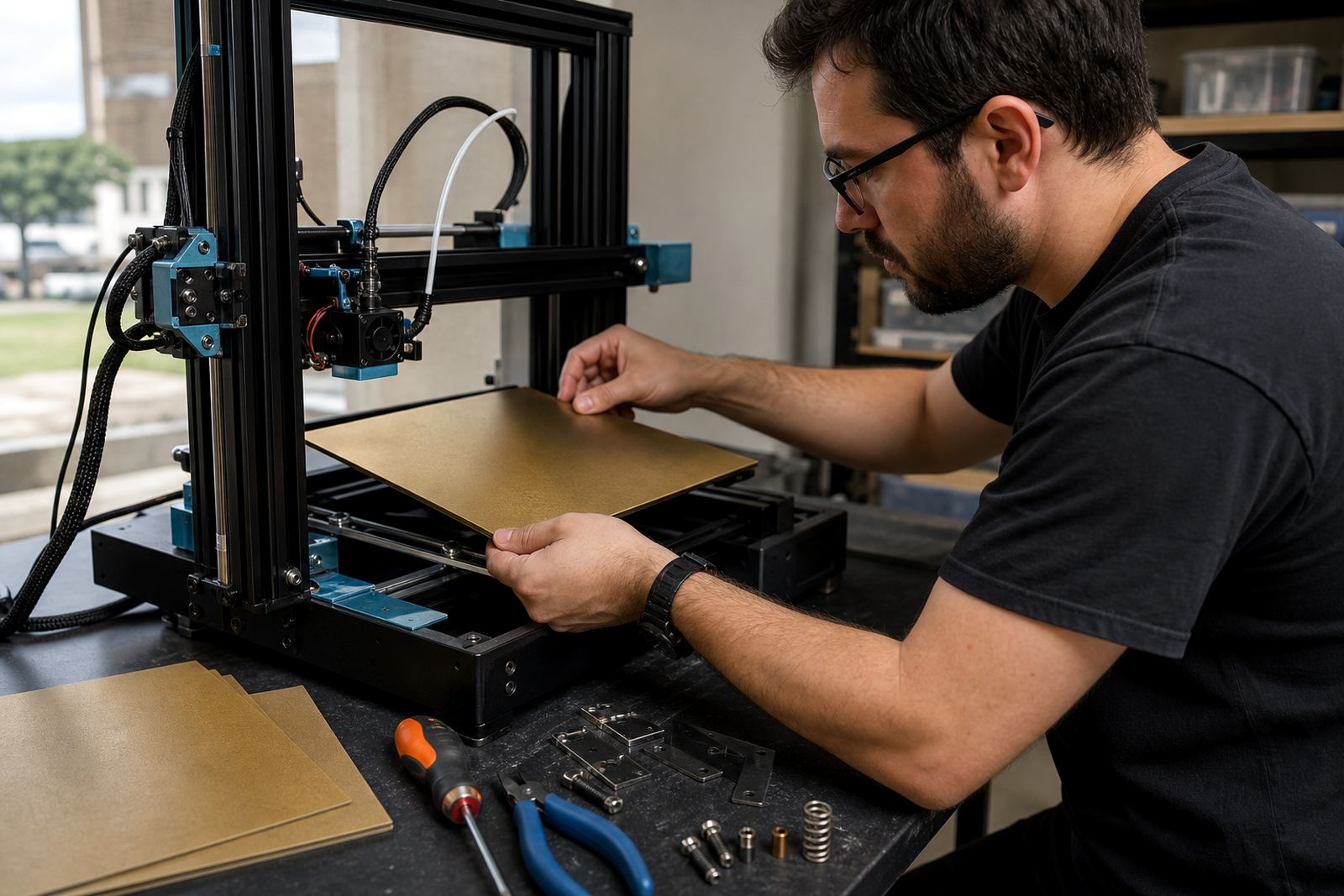
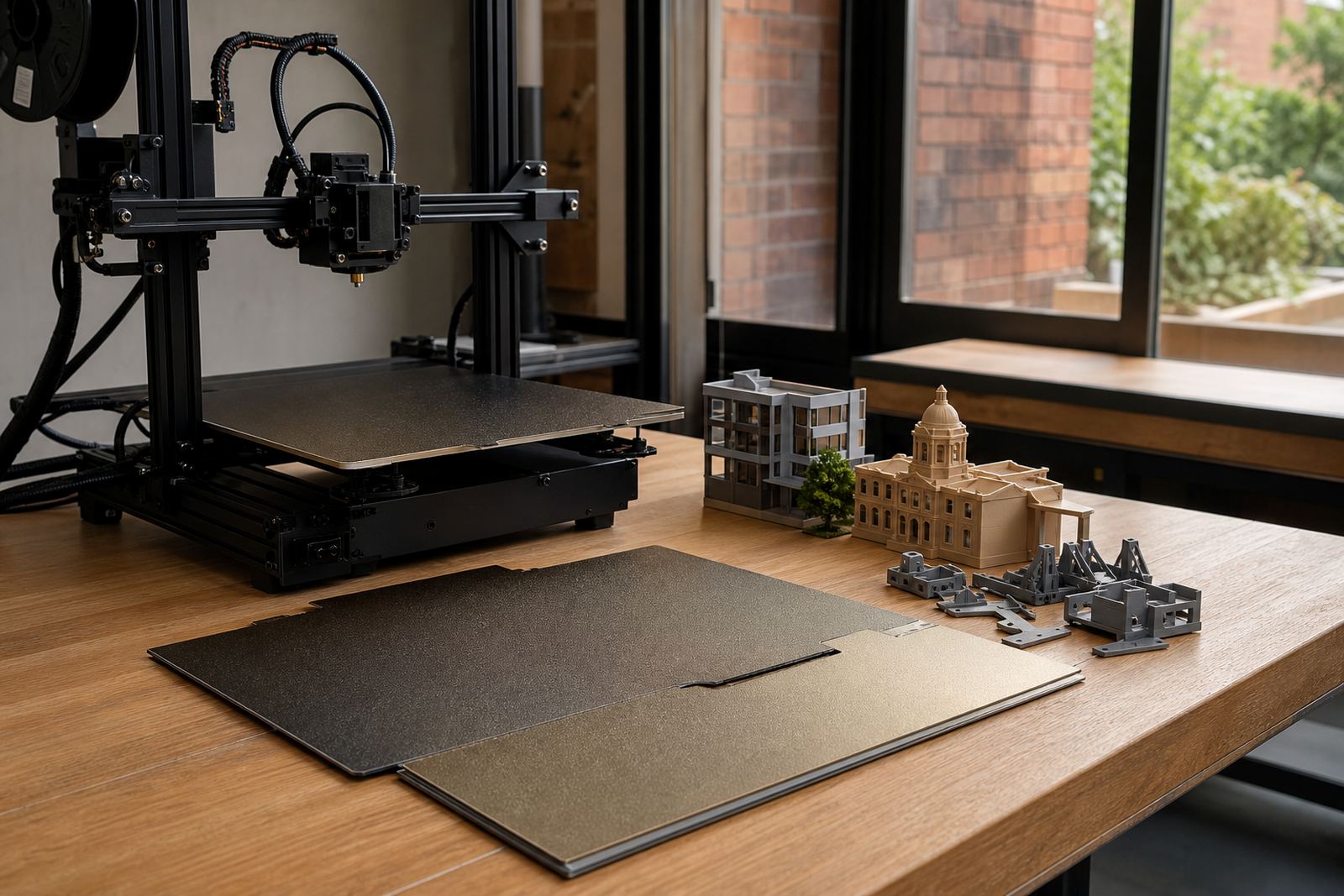
LayerPad solutions are used for general bed adhesion, replacement surfaces and flatness checks when the plate is no longer giving even contact. That might mean a fresh PEI sheet for a hobby printer in Bloemfontein, or a magnetic base fitting for a machine that must be opened and closed all day in a busy classroom. Small changes can save hours of failed prints and wasted filament.
- For everyday parts, stable adhesion beats constant rework
- For frequent removals, a clean release matters just as much
- For shared machines, simple surfaces reduce operator error
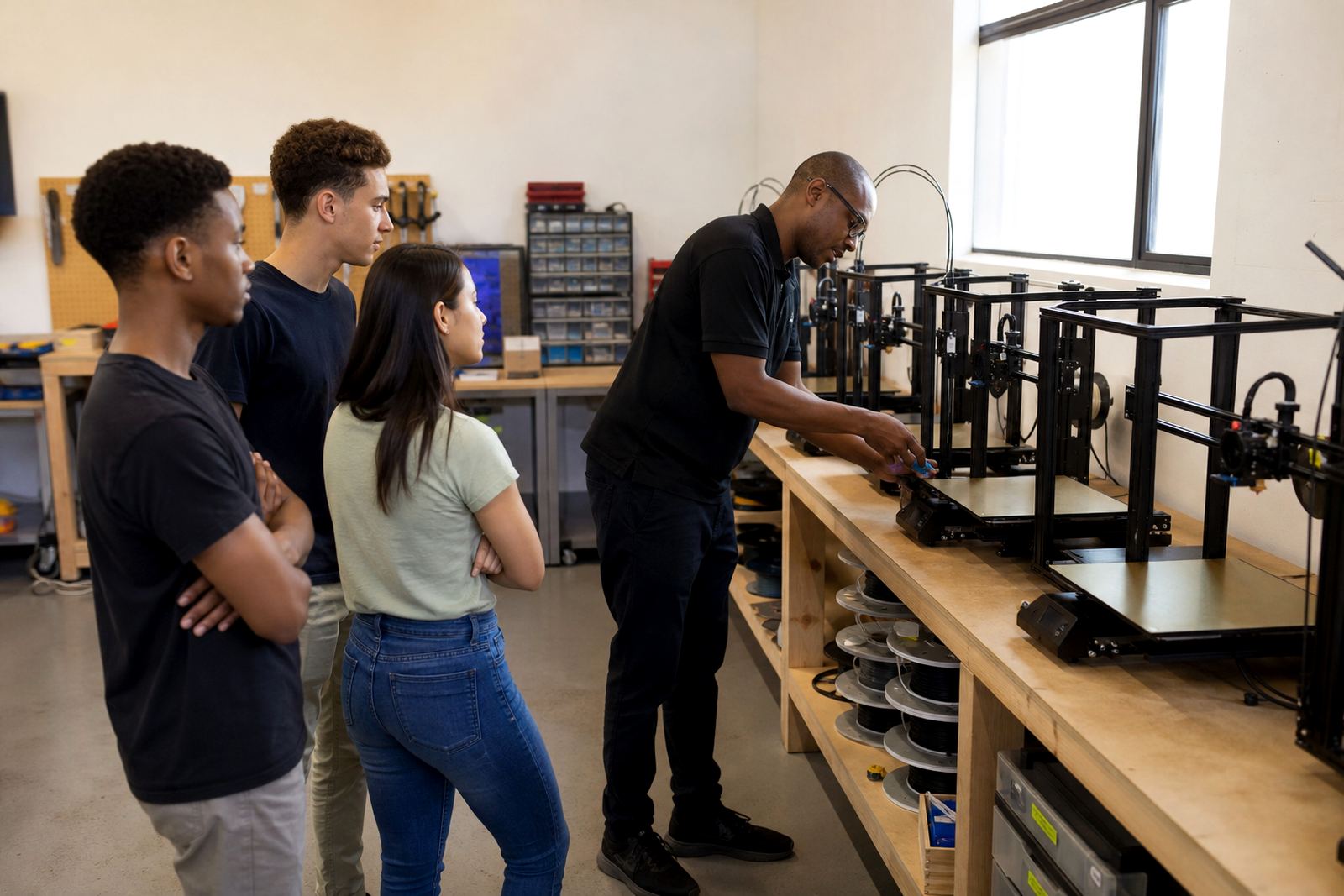
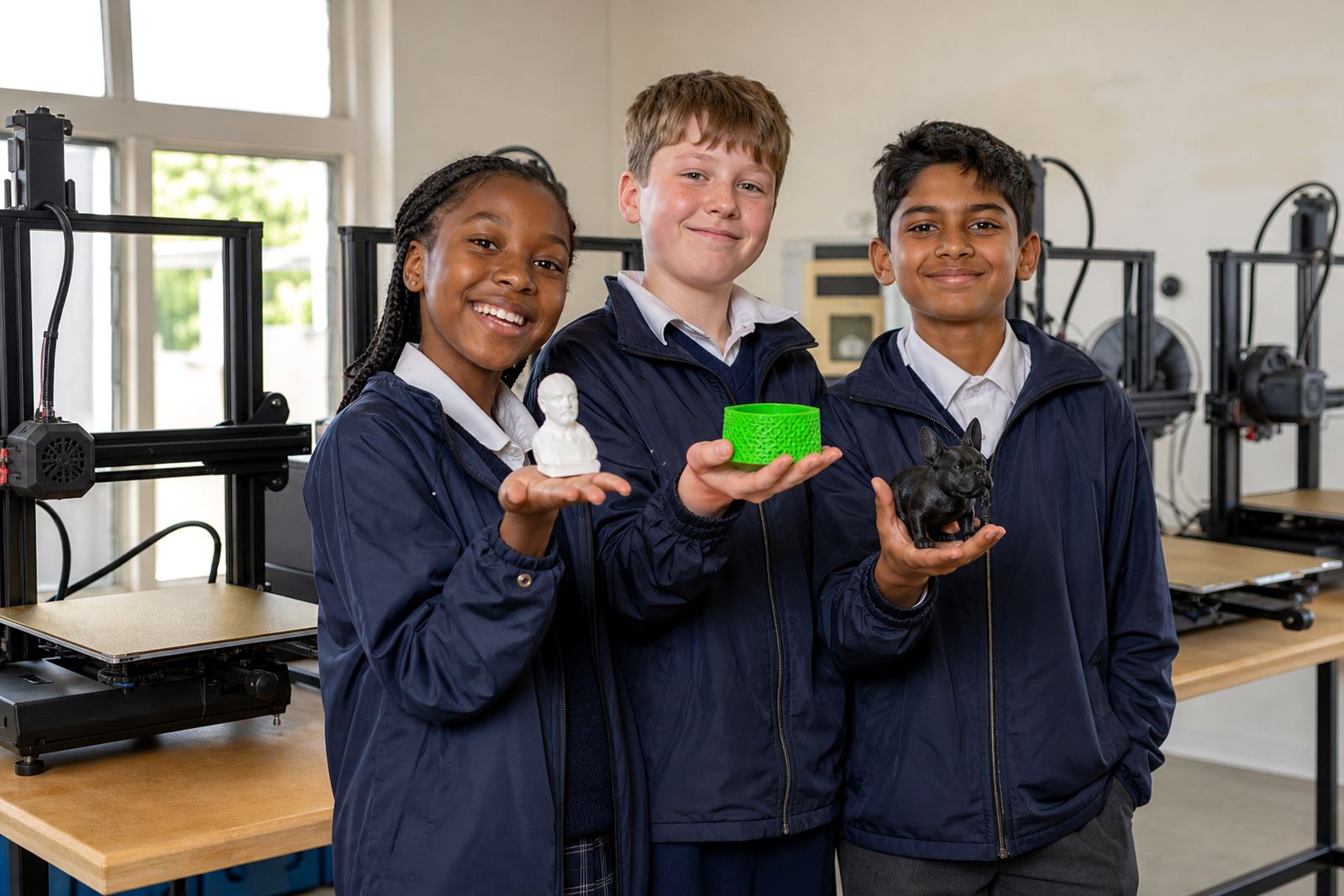
School Labs Need Simple Surfaces And Clear Rules
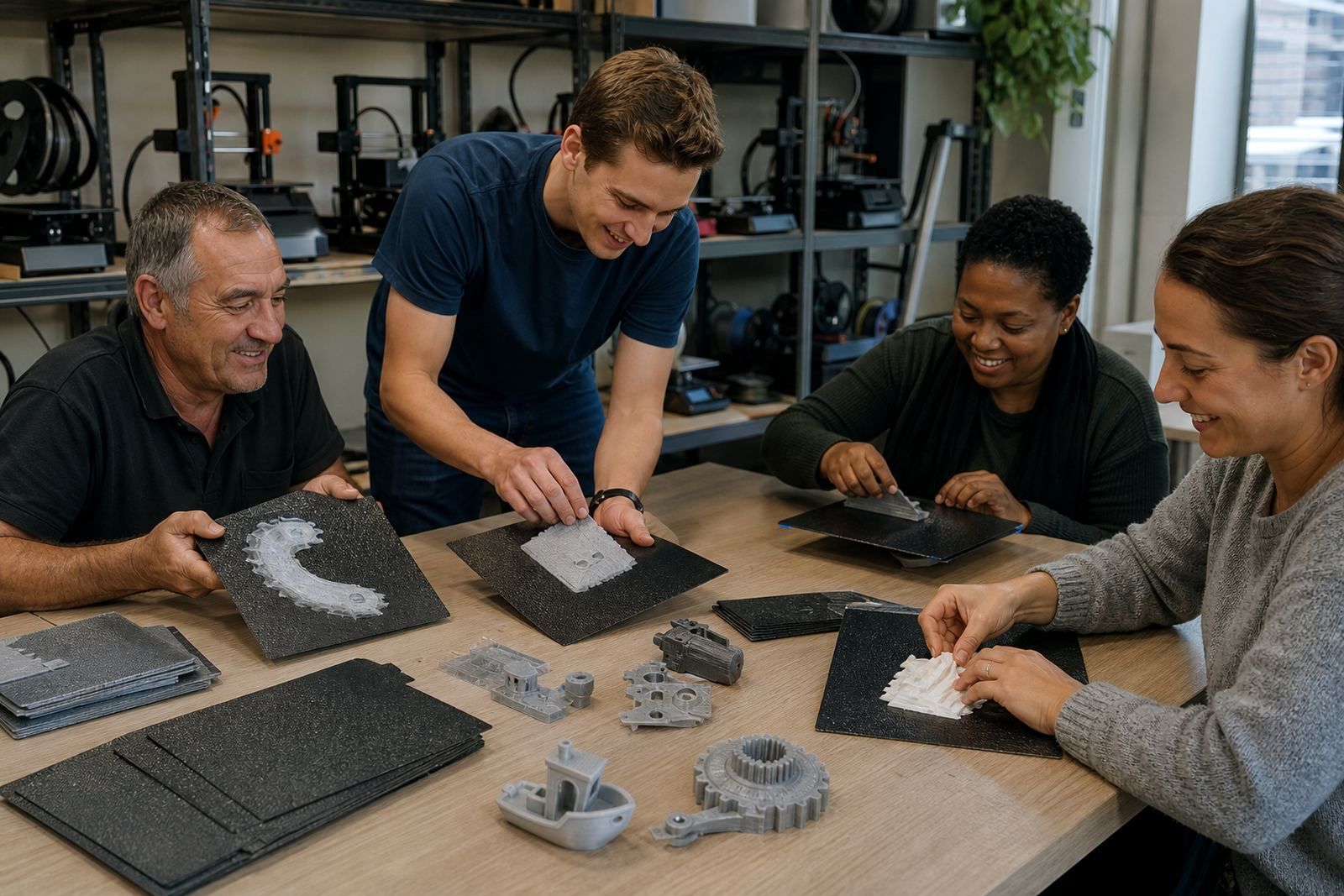
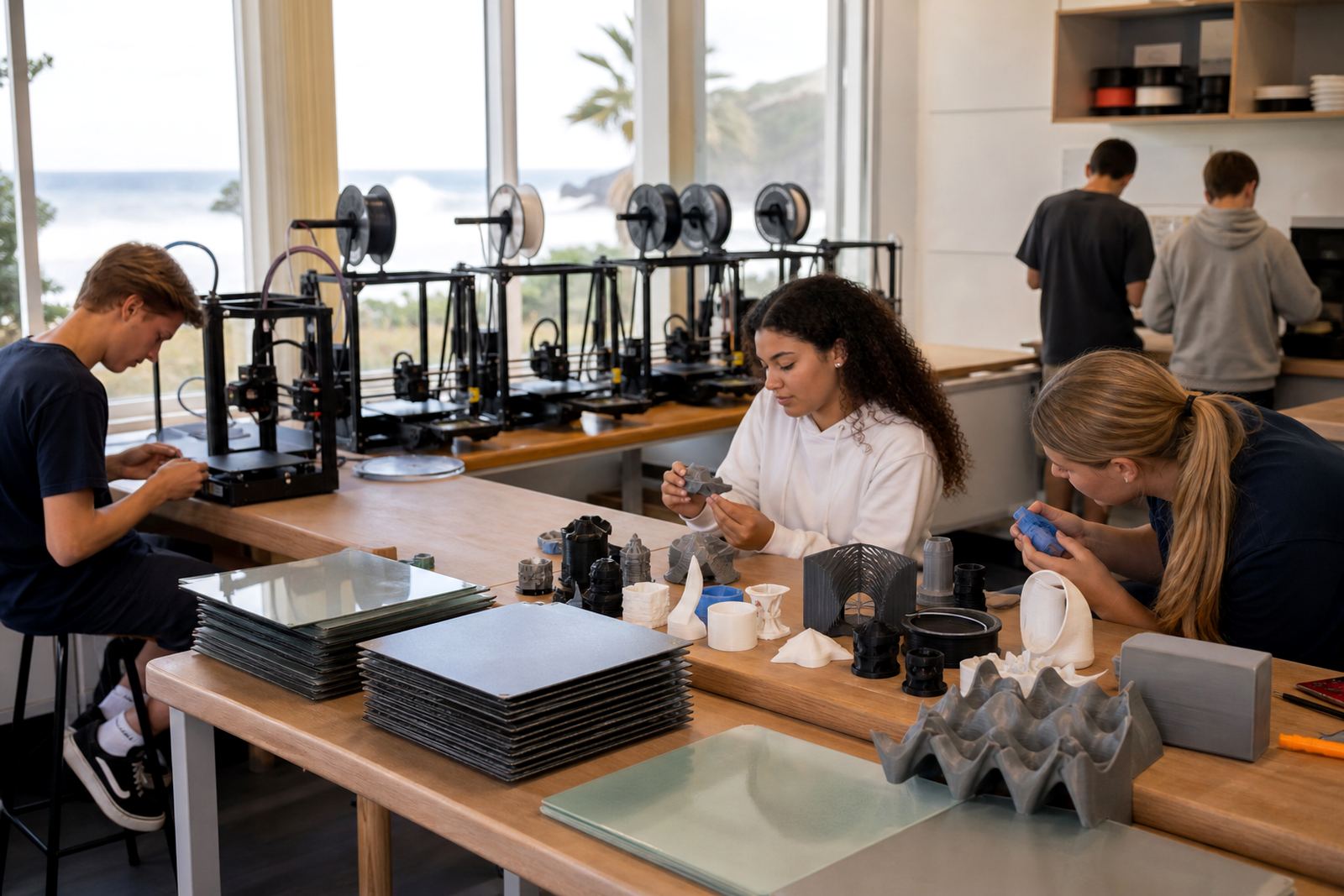
In school labs the biggest issue is not only print quality, it is repeatability. Learners want to press print and see the job finish without a lesson turning into a rescue mission. A well fitted build plate with clear care rules helps staff keep the printers running between classes.
We often see schools choose a surface refresh together with bed care training. That way the team knows how to clean the plate, when to inspect for wear, and how to avoid using sharp tools that damage the finish. It also helps with municipal and safety requirements where shared labs need neat cable routing, proper heat handling and straightforward maintenance records.
- Clear handover notes for teachers and lab assistants
- Simple cleaning steps between prints
- Better control over shared use and student handling
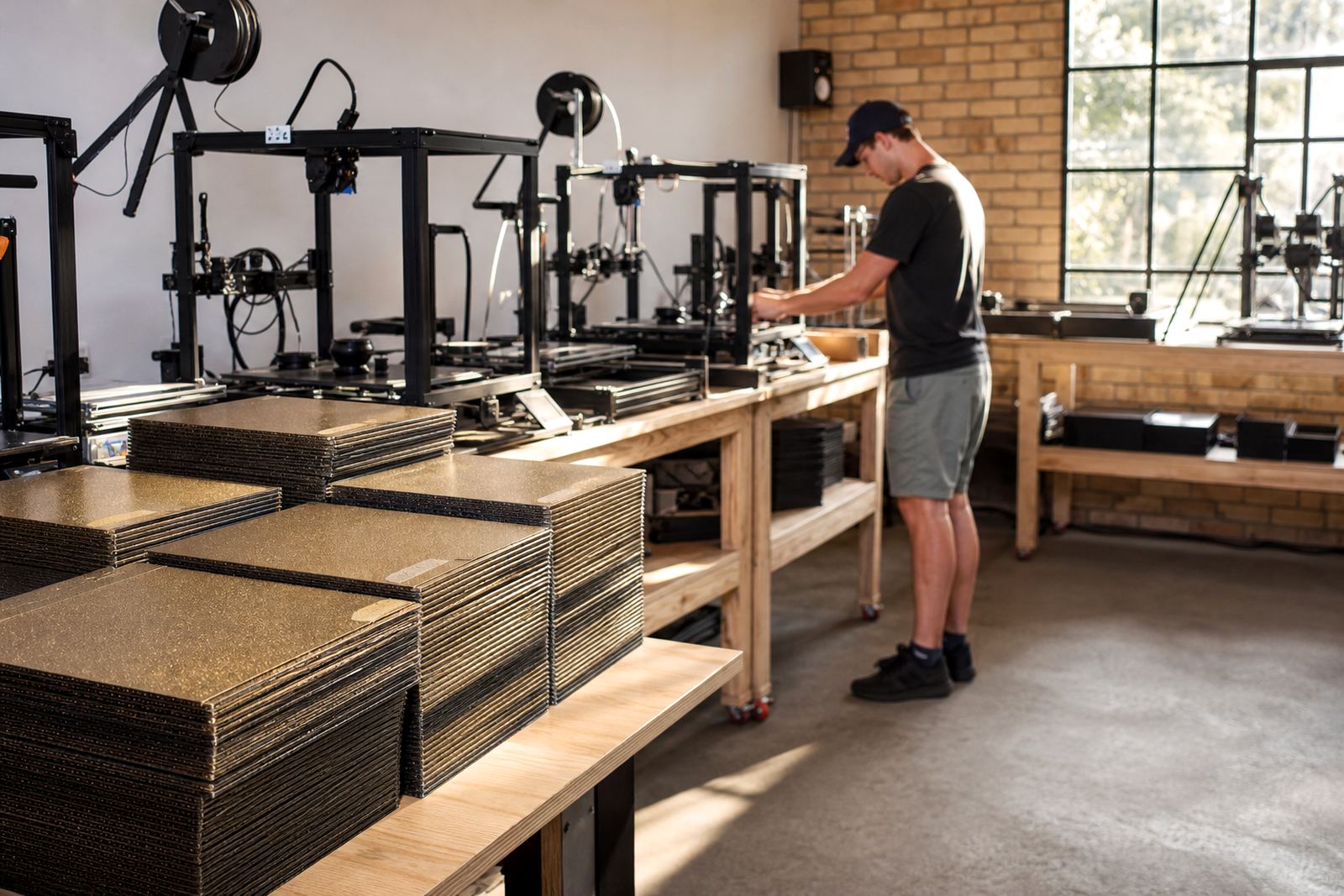
Print Farms In Gauteng Need Consistency More Than Luck
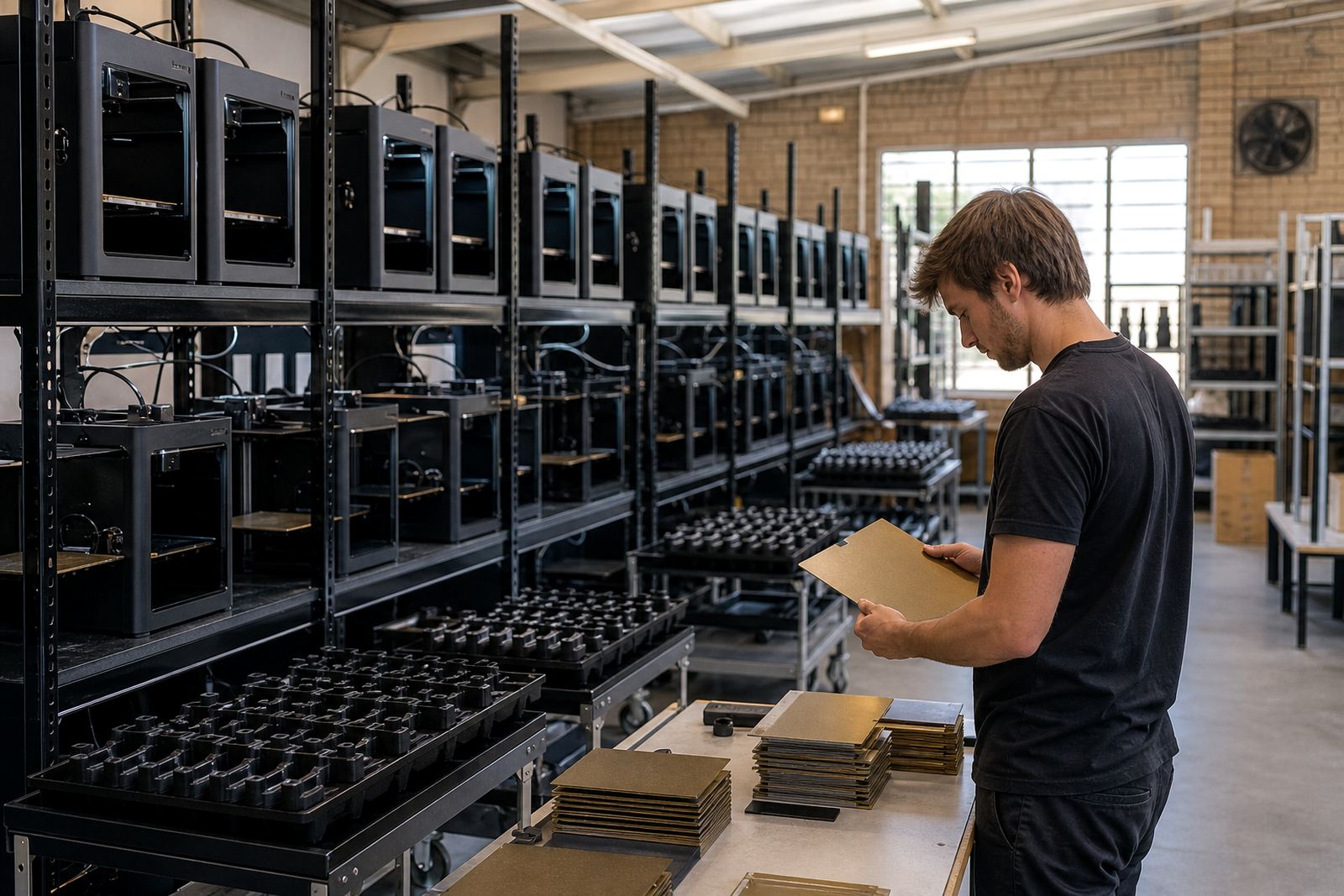
A small print farm in Centurion or Johannesburg cannot afford to guess from one build to the next. When the same part is run ten or twenty times, the bed must give a repeatable result across shifts and operators. That is where farm standardising comes in, along with plate matching, flatness checks and the right adhesion surface for the material.
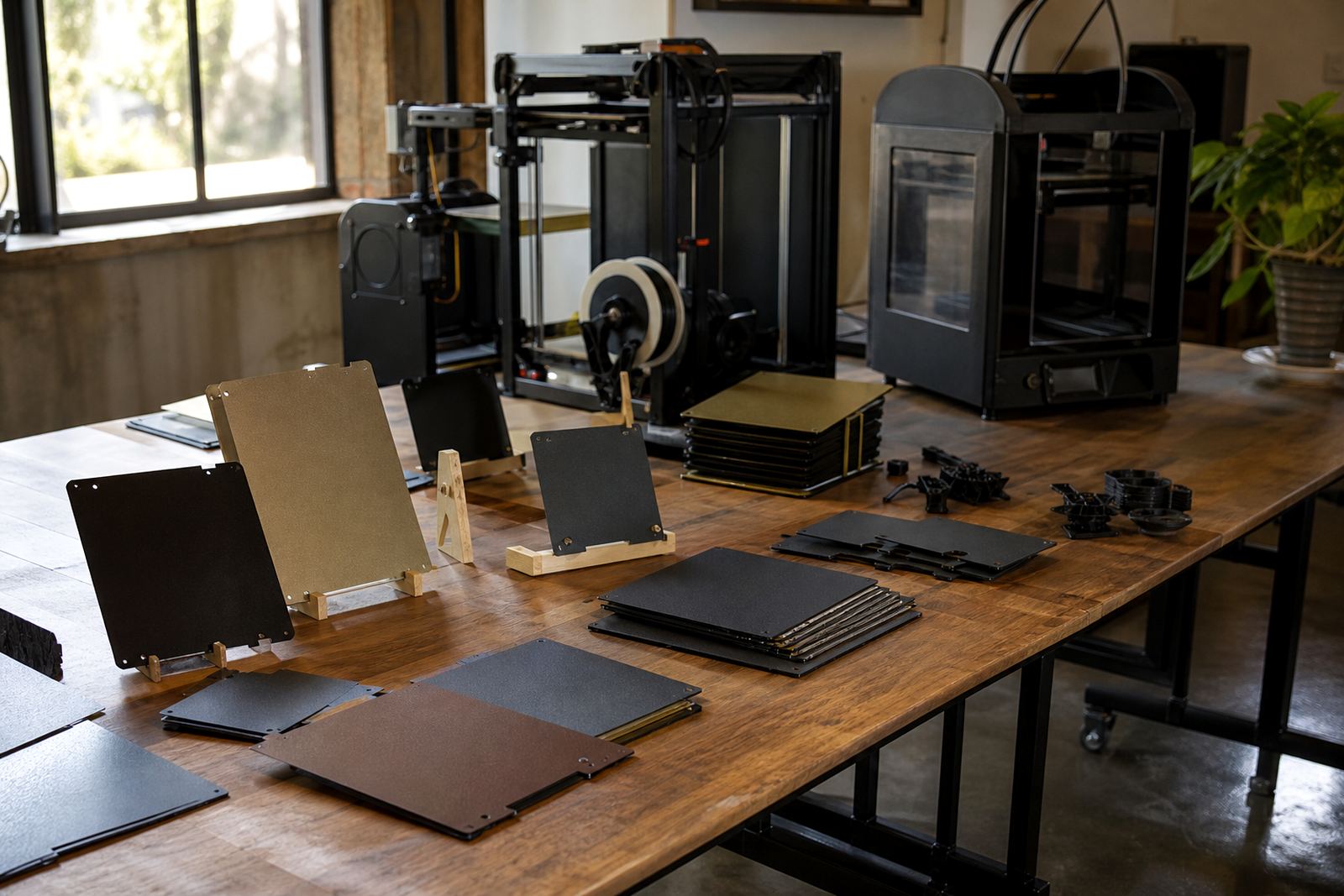
We have seen farms cut down on failed starts by standardising plate types across machines and replacing mixed surfaces with a single tested setup. The result is less stop start work, fewer arguments about settings, and cleaner production planning. It also makes stock control easier because the team knows which sheets to keep on hand and which consumables move fastest.
- Common plate type across multiple printers
- Fewer reprints and less filament waste
- Quicker training for new operators
Coastal Humidity Changes The Way A Bed Behaves
In Durban and Gqeberha, humidity can change how quickly a part releases and how cleanly the first layer grabs. Some users notice this most on long jobs where a slight shift in moisture or temperature makes the bed act differently after lunch than it did in the morning.
That is why surface choice, cleaning routine and storage matter together. A PEI sheet can perform well in coastal conditions, but only if the plate is kept free of dust, fingerprints and old adhesive residue. For users near the coast, a regular refresh and a spare plate on hand often makes more sense than trying to force one tired sheet to do everything.
Keeping a spare also helps when load-shedding interrupts a print and the bed cools too fast, because a cooled part may release differently after power returns.
Choosing The Right Next Step For Your Setup
If you are reading these stories before placing an order, start with the problem rather than the product name. A warped plate needs a different answer from a surface that is simply worn, and a school printer needs a different plan from a production machine running all week.
Our support team helps with plate installation, PEI sheet fitting, magnetic base fitting, custom size cutting and replacement planning. You can also ask for a bed flatness check or adhesion troubleshooting if the issue is not obvious. The aim is to get you back to reliable printing with the least disruption, not to oversell parts you do not need.
- Begin with the printer model and bed size
- Note the material you print most often
- Tell us if the machine is for home, school or farm use
- Include any issue with lifting, warping or release
What To Look For In A Story That Matches Yours
Not every story will look exactly like your setup, but the useful details are usually the same. Pay attention to the print material, the bed size, whether the machine is used by one person or many, and how often the surface is cleaned or swapped. Those factors say more than the printer age on its own.
If you are in Pretoria, Midrand, Johannesburg, Cape Town, Durban or Bloemfontein, use the nearest example as your guide and then adjust for your own room temperature, electricity interruptions and workspace routine. A practical match usually saves more time than chasing a perfect spec sheet.