
How to choose by material, plate and print habit
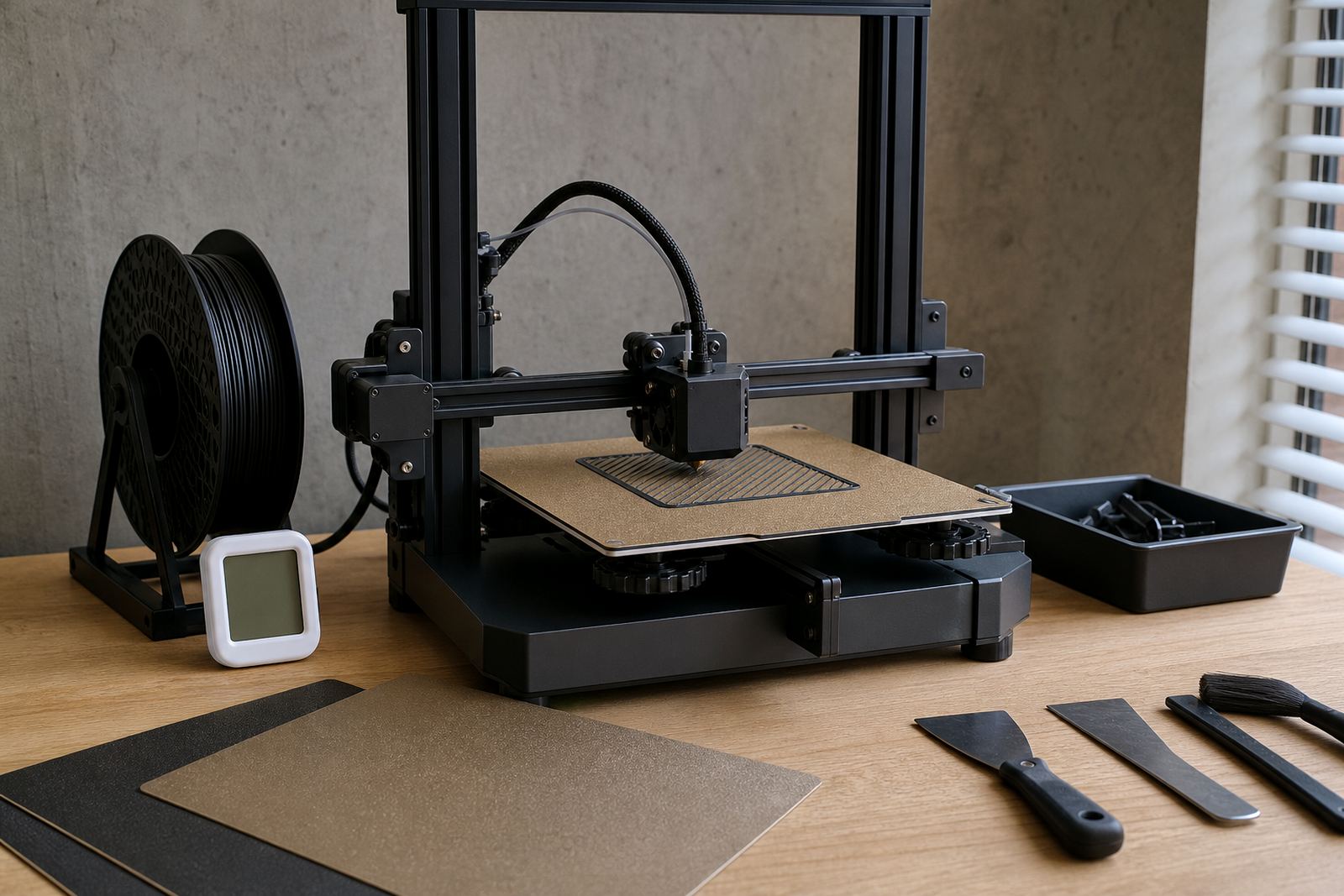
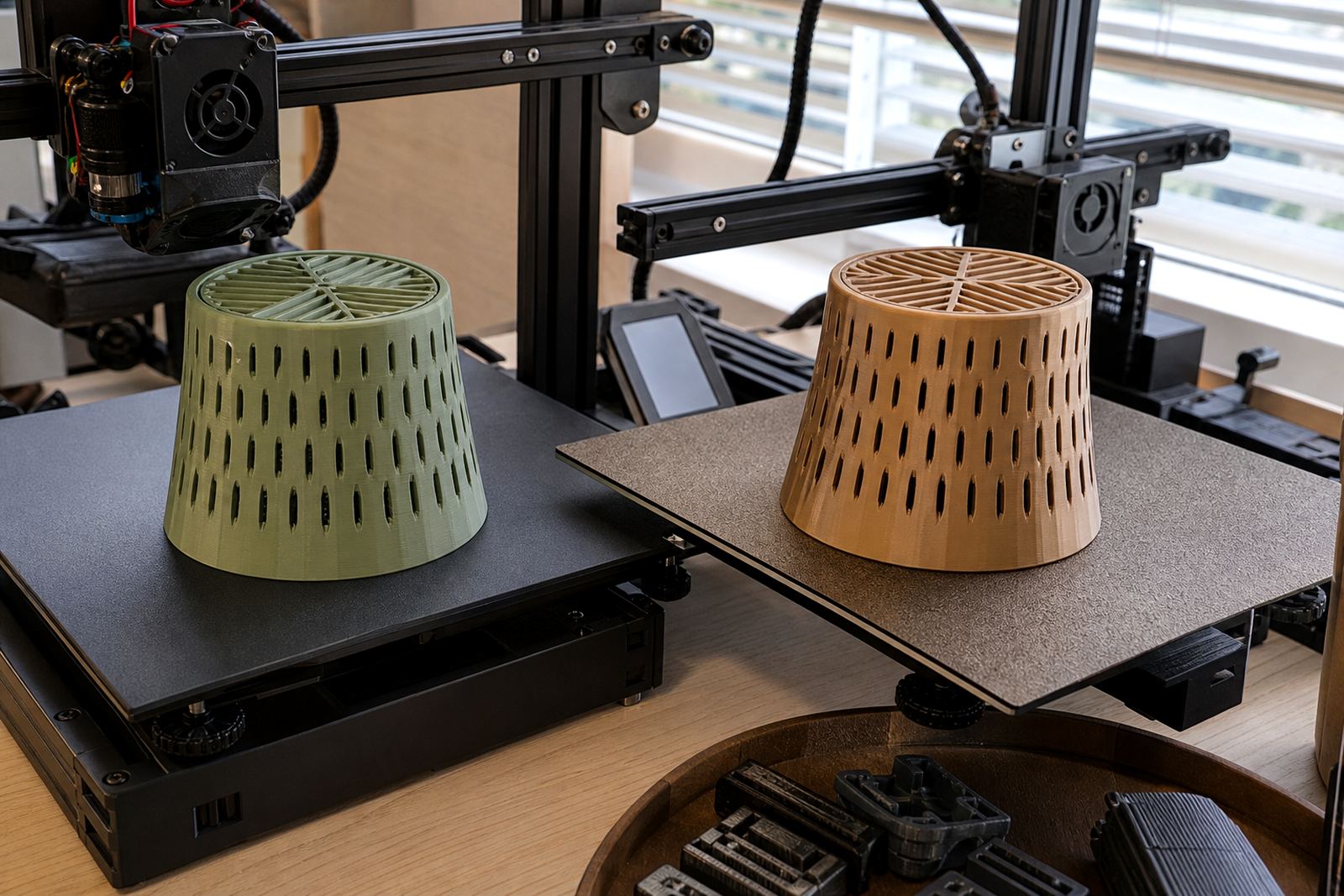
Start with three questions: what are you printing, what is the build surface, and how often do you print. A light PLA job on a clean PEI sheet needs a different approach to a tall ABS part on glass or a textured plate. If you print every day, you want a product that is quick to apply and easy to clean. If you print only on weekends, longer hold and simpler storage may matter more.
For most South African makers, the deciding factor is not only grip but also release. You want the part to stay put while the bed heats up, then come off without chiselling or bending the plate. That balance changes with room temperature, draughts from open windows, and even load-shedding recovery when the printer restarts in a cooler room.
- PLA: light to medium hold, easy release
- PETG: controlled grip, avoid overbonding on bare PEI
- ABS or ASA: stronger hold and stable bed heat
- Short runs: fast application and fast cleanup
- Long farm runs: consistent coverage and repeatability
Sprays for quick coverage on larger plates
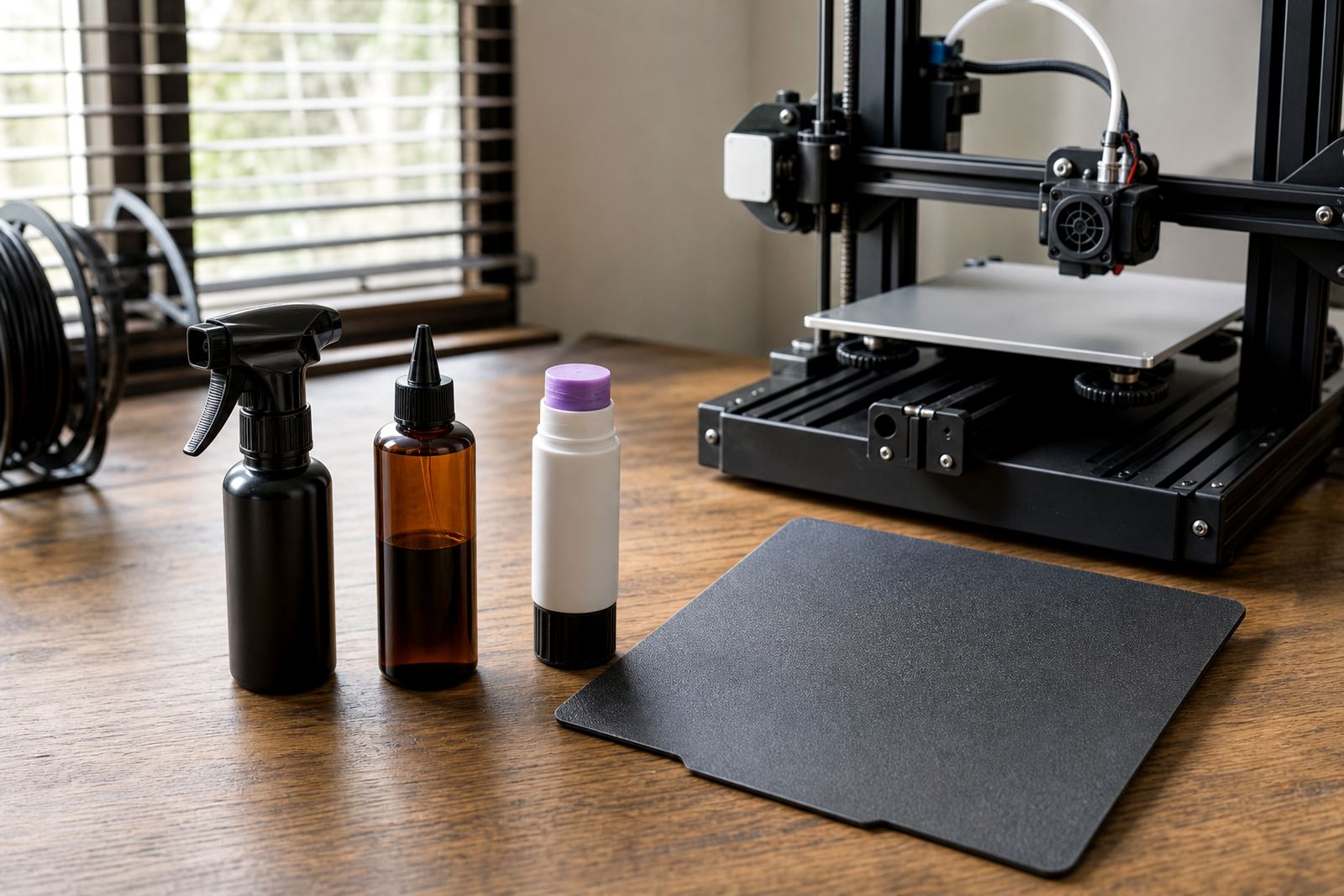
Sprays suit bigger plates and repeated use where speed matters. They spread evenly, which helps on wide beds and batch printing. This is useful in schools, shared maker rooms and print farms where several operators use the same machine. A thin, even coat is usually better than a heavy one. Too much product can create a glossy film that reduces first-layer detail.
Use sprays when you need full-surface coverage on glass or other smooth beds, or when you are working with materials that benefit from a consistent hold across the full plate. They are also handy where the printer sees frequent setup changes, because the application is quick. In humid coastal areas such as Cape Town or Durban, make sure the plate is fully clean before spraying or dust will stick to the film.
- Best for: medium to large build plates
- Good for: shared machines and repeat jobs
- Watch for: overspray, build-up, and uneven coating
- Clean-up tip: use a light wipe between applications, not a thick new layer every time
Liquids when you need control and neat application
Liquid adhesion products give you more control over where the material goes. They are useful for smaller beds, detailed parts, and users who want to apply only to the print area rather than the full surface. This is a good option for schools and labs where different materials are used on the same machine and you want a cleaner routine.
Liquids also work well when you need to manage release carefully. A neat, thin layer can be enough for PLA and many general purpose jobs. If you print with bed covers, magnetic plates, or removable sheets, liquids can help extend the life of the surface because you are not constantly adding thick residue. Let the layer dry properly before starting the print, otherwise the first layer may drag or smear.
- Best for: controlled first layers and smaller build areas
- Good for: mixed-material use on one printer
- Watch for: applying too soon before the surface dries
- Check: the plate should be clean, dry and level before you start
Stick-based products for fast jobs and simple upkeep
Stick-based products are practical when you want quick application without equipment. They are popular for home users, classrooms and smaller farms where the printer is in daily use but not running constantly. They suit simple routines and are easy to keep near the machine. For many beginners, this is the easiest way to get a part to stay down on the first try.
These products work best on clean, warmed surfaces and they are especially helpful when you want targeted coverage in the centre of the bed or along edges that tend to lift. They can be a good backup for printers that are moved around, such as demo units or machines used at schools across Gauteng. One caution: if you keep layering product over old residue, grip can become too strong and cleanup gets messy.
- Best for: quick jobs and beginner-friendly use
- Good for: targeted coverage and simple storage
- Watch for: buildup from repeated use
- Tip: remove old residue before applying a fresh coat
A practical routine for cleaner first layers
The best adhesion routine is simple and repeatable. Clean the plate, confirm bed flatness, apply the product lightly, then start the print at the right temperature. If the first layer is too close, no adhesion product will fully fix it. If the nozzle is too high, the print will sit on top instead of bonding. A bed check before a long run can save hours, especially on production jobs and school lab schedules.
Use this quick checklist before you print:
- Remove dust, oil and old residue from the plate
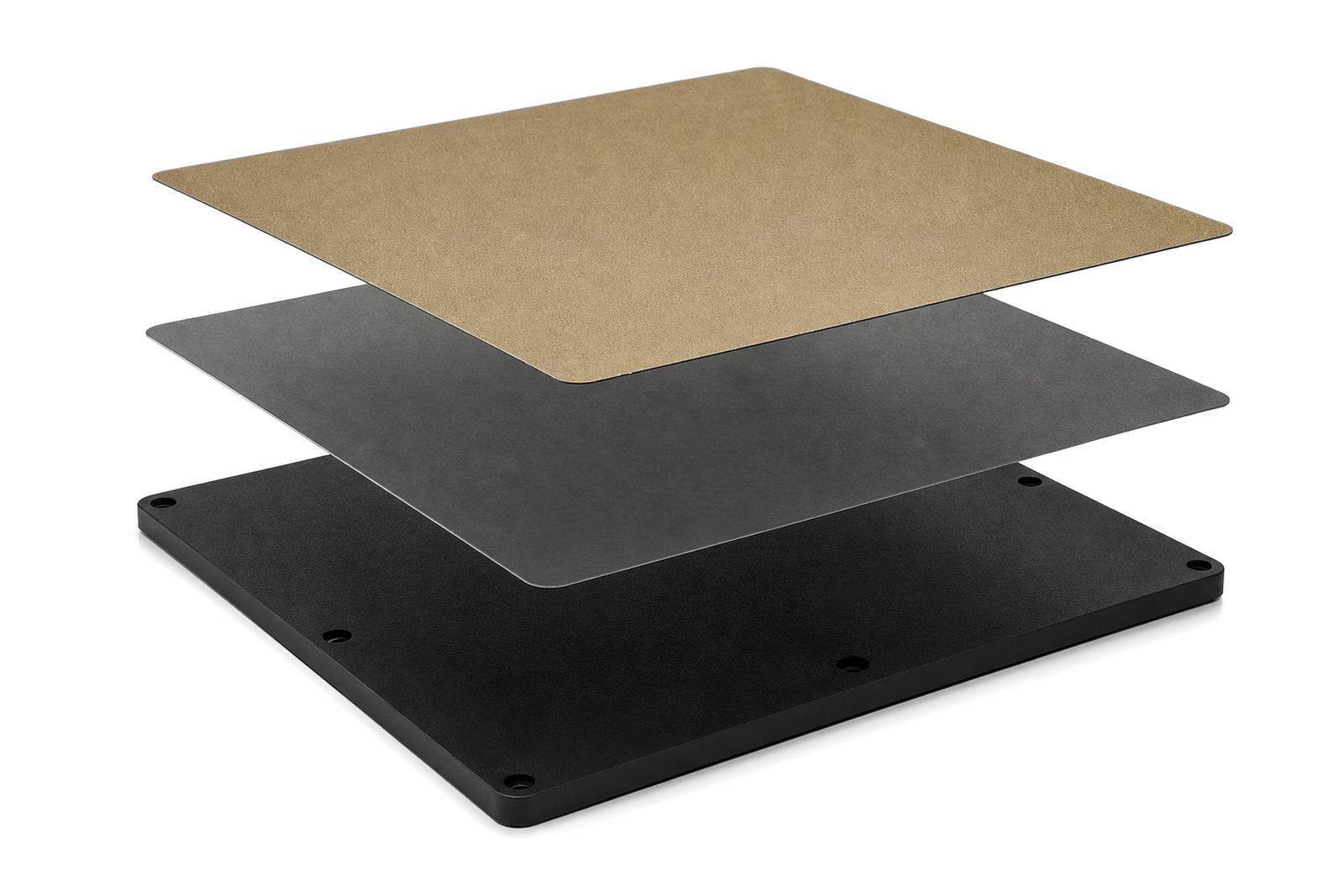
- Check the plate is seated properly on the magnetic base
- Confirm the bed is level enough for the job
- Apply only the amount needed for the material
- Run a short test line or skirt before the full print
- Review the first layer after the first few minutes
If the part starts lifting, stop and correct the cause rather than adding more product on top. Often the issue is bed temperature, a dirty surface, or poor contact at the corners.
Matching product choice to South African print environments
Conditions vary a lot across South Africa. Inland towns like Pretoria and Centurion often have drier air, while coastal areas face higher humidity that can affect storage and surface cleanliness. In colder workshops, warm-up time matters more. In print farms, the main concern is consistency from one shift to the next. That is why the same product can perform differently from one room to another.
For school labs, safety, simple handling and clean storage are important. For commercial farms, predictability and low downtime matter most. For hobby users, the right choice is usually the one that fits the way they actually print, not the one with the highest grip on paper. If you are changing materials often, keep one routine for each surface type so operators do not mix methods.
- Dry inland spaces: watch for dust and static on the plate
- Humid coastal areas: store products tightly sealed
- Schools: keep the process simple and teach the same steps every time
- Print farms: standardise one product per material group where possible
When to refresh, replace or ask for help
If you are reapplying more and more product just to get the same result, the surface may need a refresh or replacement. Visible scratches, shine changes, and parts that suddenly stop releasing are all signs to check the plate. A magnet base that is lifting at the edges, or a sheet that no longer sits flat, can also cause poor adhesion no matter what product you use.
For busy users in Pretoria, Johannesburg, Cape Town, Durban or Bloemfontein, the useful habit is to track what you used, on which plate, and for which material. That record makes troubleshooting far easier. If the same issue keeps returning, it is usually better to inspect the full setup than to keep changing products. One small adjustment can solve a repeated fault and save a batch of failed prints.
When you need replacement planning, farm standardising, or a bed flatness check, get the whole setup assessed before the next production run.