
Start with your printer frame and bed size
Before you buy anything, measure the actual build area and check whether your printer uses a fixed bed, a removable plate, or a magnetic base. A plate that is too large will overhang and a plate that is too small leaves you fighting poor first layers from day one.
For most beginners, the safest first choice is a plate that matches the machine’s standard size exactly, with enough tolerance for clip or magnet placement. If you run several printers in a home workshop, school lab or small print farm, keep one clear record of each machine’s bed size so you are not guessing later.
- Measure the printable area in millimetres, not the outer frame.
- Check whether the hot bed has clips, screws, magnets or a bare surface.
- Confirm the nozzle can reach the full plate without rubbing the edge.
- Leave room for cable movement and any probe offset you use.
Choose the surface based on what you print most often
Different filaments grip differently. PLA usually needs less aggression from the surface, while PETG can bond strongly enough to damage some finishes if you rush the cooling or use too much force. ABS and similar materials ask for more stable bed temperature and a plate that stays even across the full area.
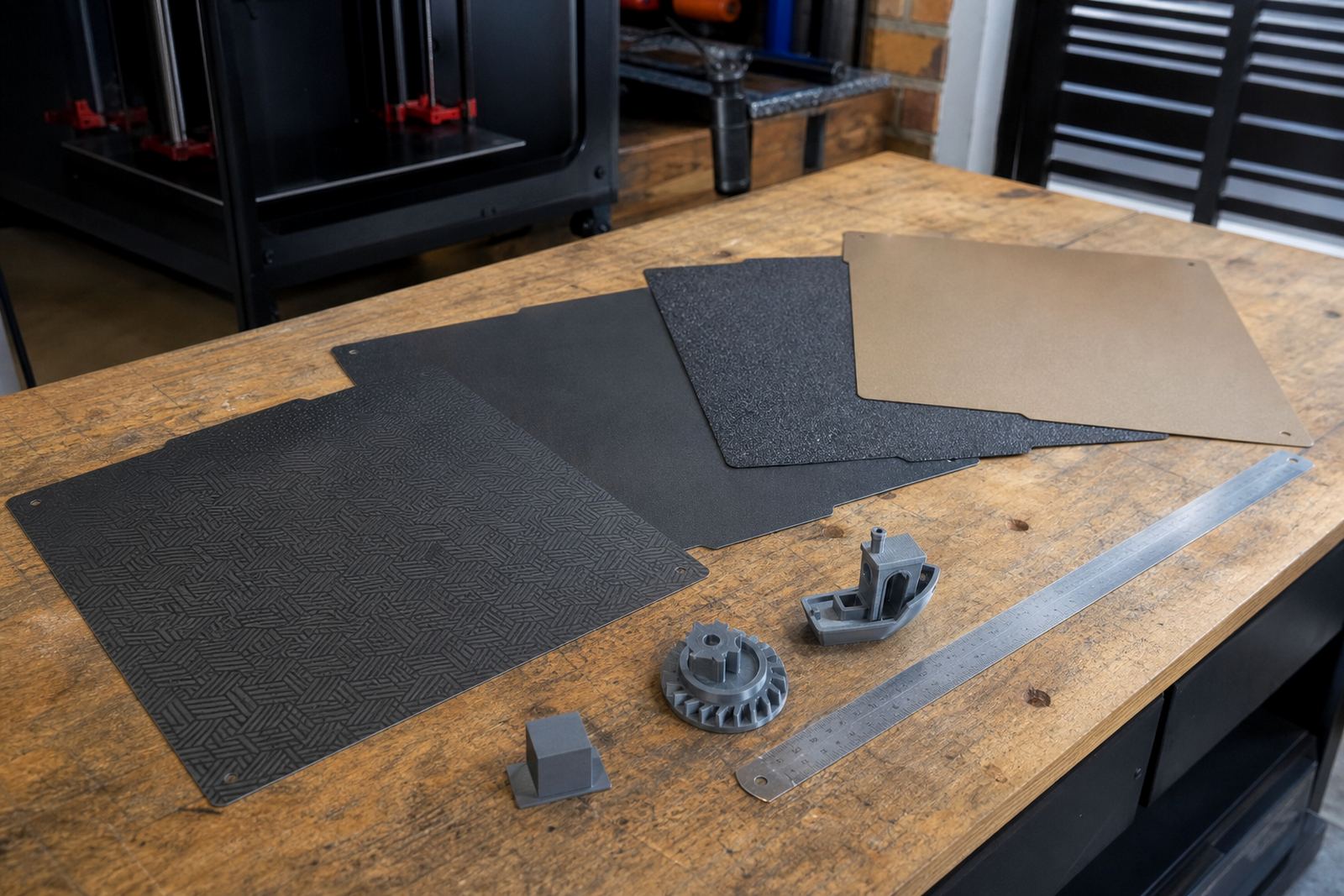
If you mainly print classroom parts, brackets and general models, a PEI surface is a strong starting point because it gives useful grip without constant fuss. For mixed use, it helps to keep one smooth side and one textured side if your plate system allows it, so you can match the finish to the job.
- PLA: easy starting point, usually prints well on PEI.
- PETG: needs careful release, avoid heavy glue unless required.
- ABS and ASA: keep temperature steady and reduce draughts.
- Flexible materials: check whether the plate can release cleanly without warping.
Decide if you need magnetic convenience or a fixed setup
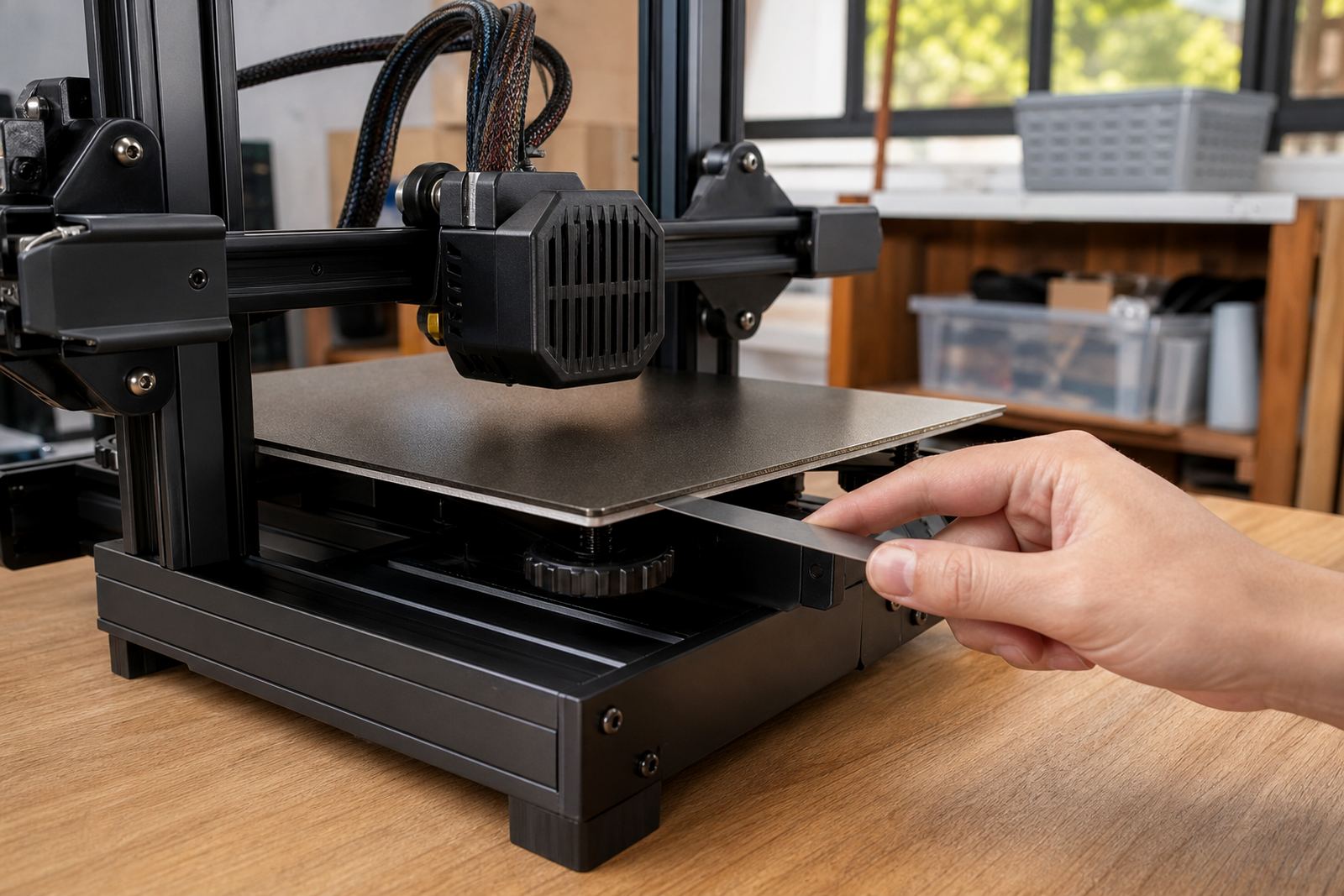
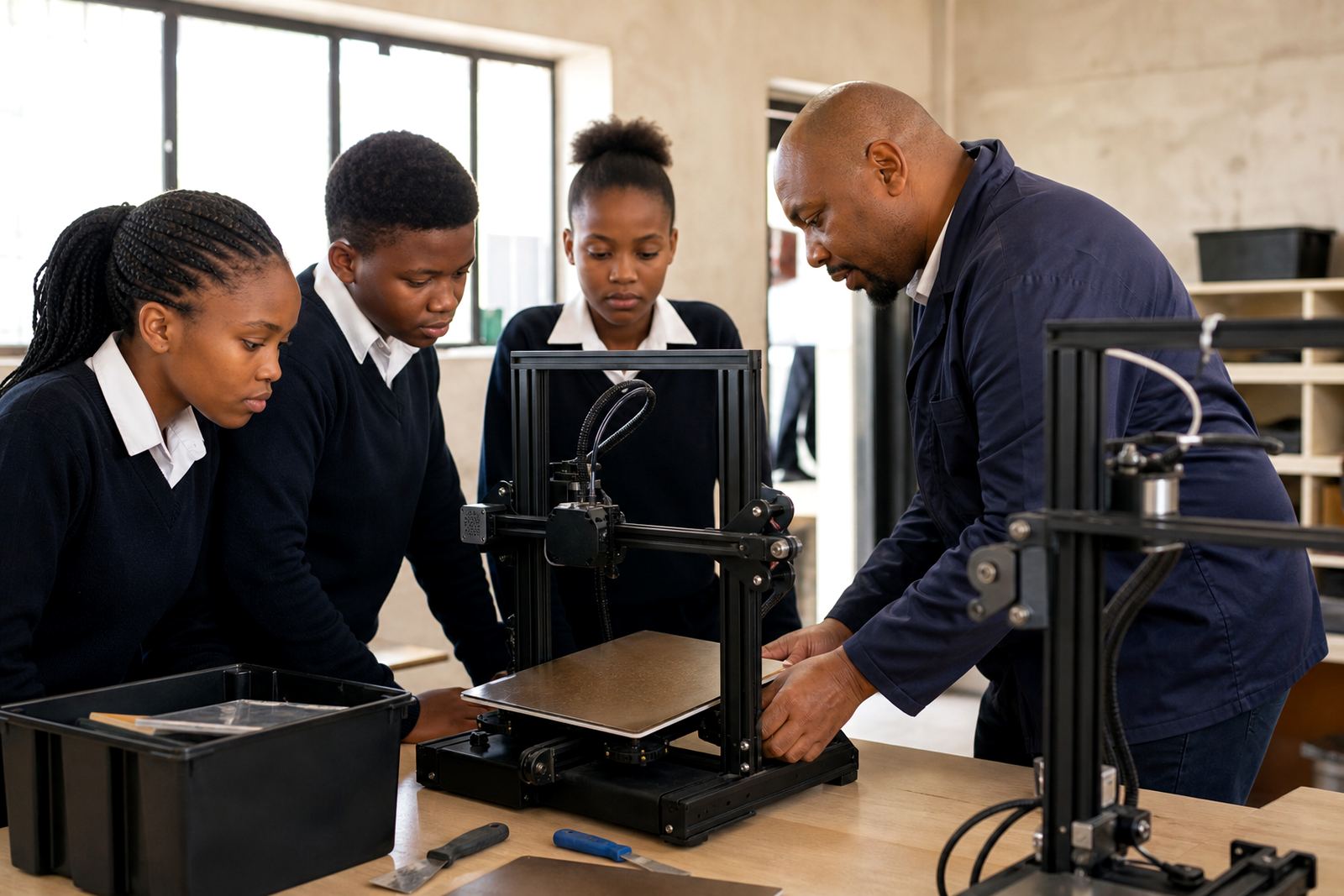
A magnetic base makes life easier if you swap plates often, clean parts on the bench, or run several prints a day. It is a practical choice for schools and busy maker spaces because staff can remove the plate, flex it if designed to do so, and return it without disturbing the machine settings.
A fixed plate can still work well where the printer stays in one place and the operator does not need rapid changeovers. In a Centurion workshop with power interruptions, it is often worth choosing a system that lets you lift the plate off quickly, inspect the surface, and get back to printing once the machine is ready again.
- Magnetic base: quicker handling, good for repeat jobs.
- Fixed plate: simple, fewer parts, less to align.
- Flexible steel plate: useful if you remove prints often.
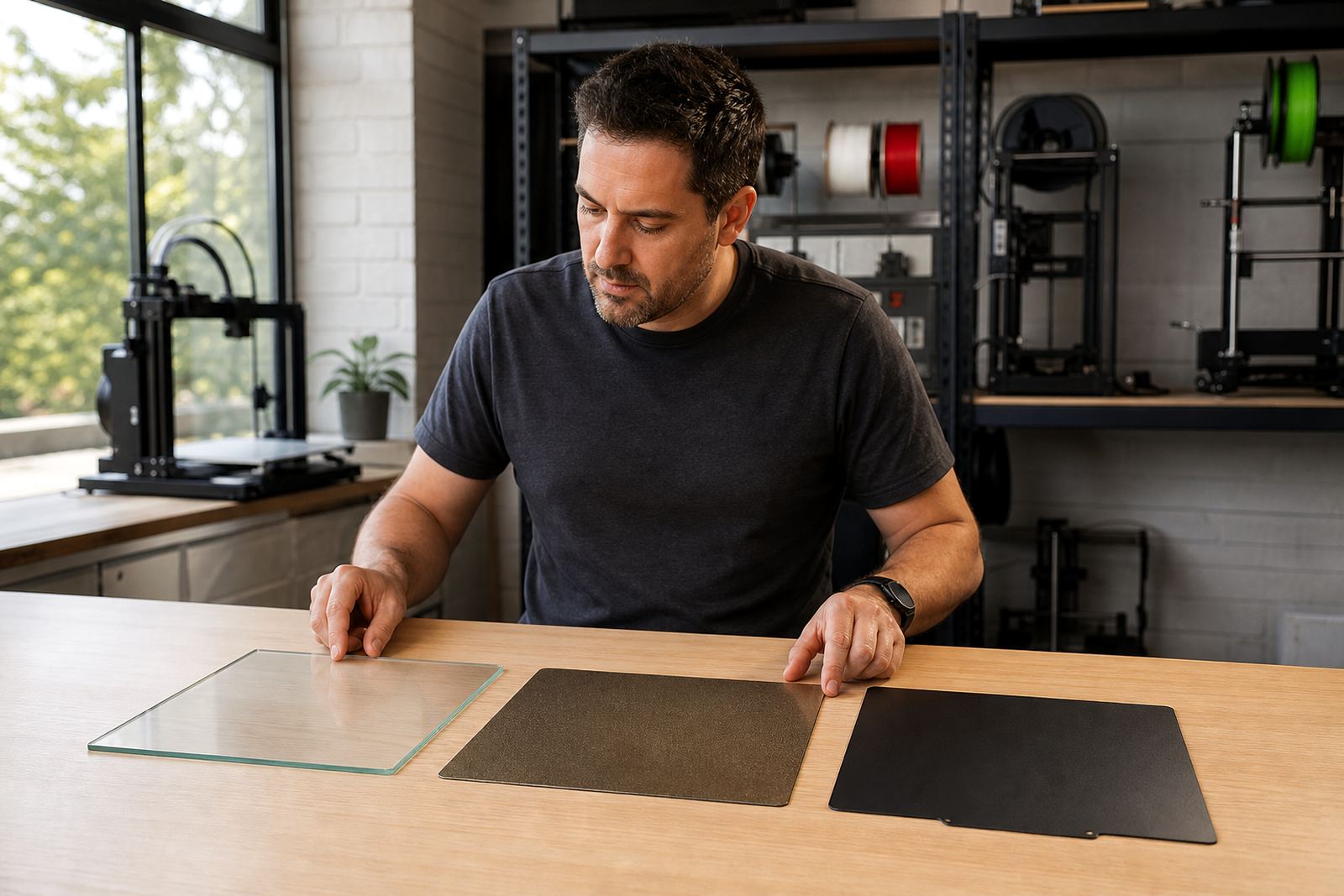
- Hard plate: steady feel, but may need more care on release.
Match the plate to your budget without cutting corners
There is no need to overspend on a first plate system if your printer is still new to you. The better approach is to buy the surface and mounting method that gives you clean first layers, then upgrade later if your material mix changes. A cheap plate that curls, scratches quickly or refuses to stick properly can cost more in wasted filament than a better one would have cost upfront.
For budget planning, think in three parts: the plate itself, any magnetic base or replacement sheet, and the time spent fitting and levelling it. That last part matters in South Africa where load-shedding can interrupt a print half way through and you may need to restart the machine more often than you would like.
- Entry level: one plate, one material, basic fitting.
- Mid range: removable plate with better surface choice.
- Higher use: spare plates for different materials or classes.
- Plan for replacement sheets and cleaning supplies too.
Check the practical details before you place an order
A good plate should not only fit, it should be easy to use in real conditions. In Gauteng, dust can settle on a surface faster than many people expect. In Cape Town or Durban, humidity can affect storage, while schools may need parts that stand up to frequent handling by different users.
Before you buy, ask yourself whether the plate can be cleaned with the materials you already keep on hand, whether it tolerates repeated heating, and whether your team knows how to install it correctly. If the answer is no, add a quick fitting or training step to your plan so the plate does its job from the first day.
- Will it tolerate your usual bed temperatures?
- Can it be cleaned without damaging the finish?
- Is there enough clearance for clips, probe points or screws?
- Do you have a spare option if the first surface wears out?
Use a simple first-plate checklist for better results
If you are still unsure, use this basic checklist before ordering. It keeps the choice practical and reduces the chance of buying a plate that looks right but does not suit your printer or your workload. For print farms and school labs, one standardised choice across several machines often saves time during setup, servicing and replacement planning.
A first plate should be easy to maintain, easy to explain to another user, and forgiving enough for normal day-to-day printing. That is especially important when more than one person is using the same machine and nobody wants to stop a job just because the surface was chosen badly.
- Correct size for your bed.
- Surface suited to your main filament.
- Easy release and repeatable adhesion.
- Suitable for your cleaning routine and storage space.
- Simple enough for the next person to use without guesswork.