
Start With Bed Size And Printer Fit
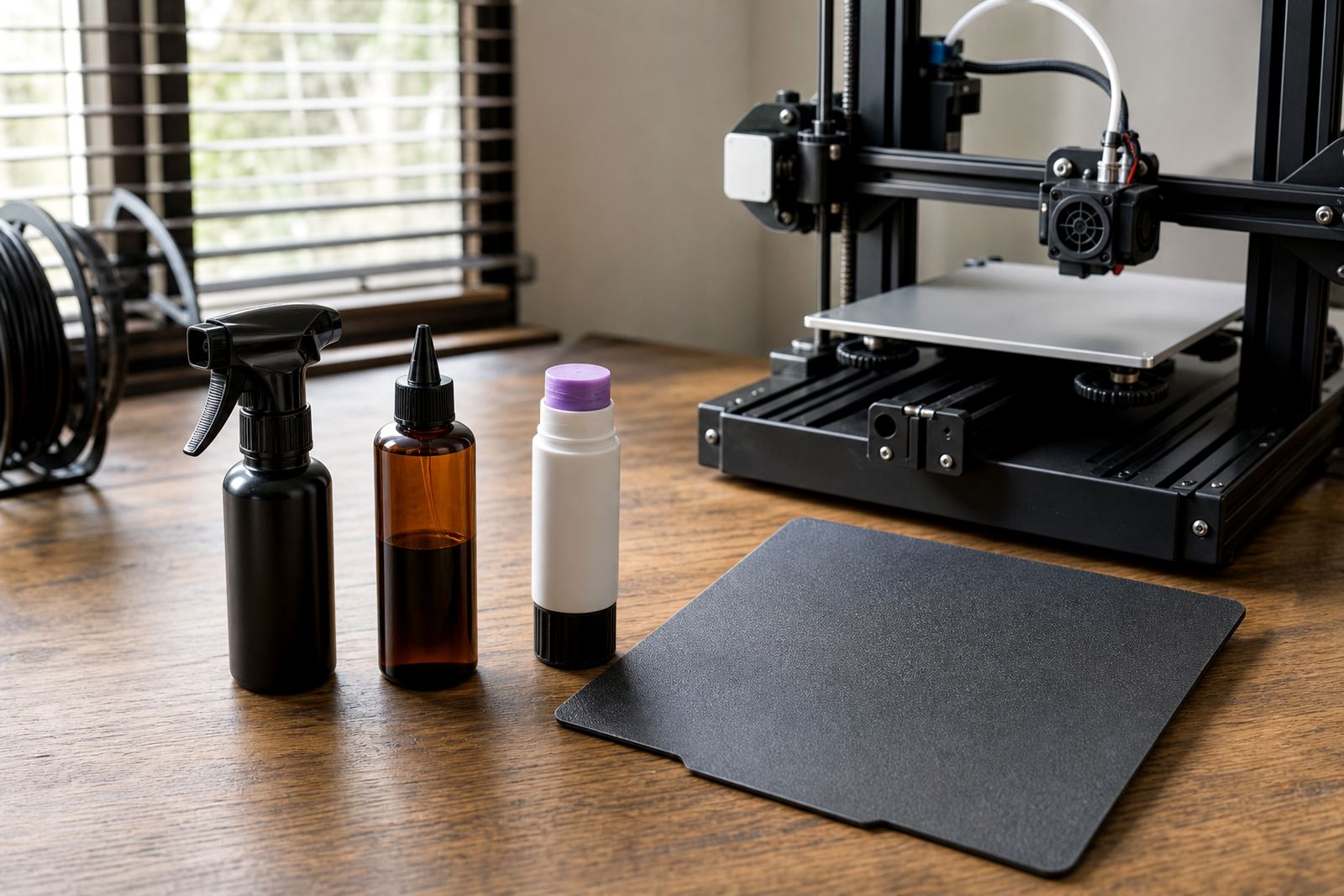
The first check is simple: measure the usable build area on your printer, not just the outer bed size. A PEI sheet that is even a few millimetres off can leave you with poor edge grip, clips in the wrong place, or a sheet that curls at the corners after a few heat cycles. For users in Centurion, Pretoria and Johannesburg working across different printer models, the safest step is to match the sheet to the plate or magnetic base you already use.
For large format printers and print farm machines, size consistency matters even more. If one machine is 235 x 235 mm and another is 250 x 250 mm, standardising the wrong size wastes time and material. Check whether your plate has rounded corners, cut outs for handles, or screw head clearance. If you are unsure, measure twice before ordering and allow a small tolerance where the mount needs it.
- Measure the active print area in millimetres
- Check corner shape, clips and handle cut outs
- Confirm whether the sheet sits on a rigid plate or magnetic base
- Use the same size across school labs or farm machines where possible
Choose The Finish Based On The Parts You Print
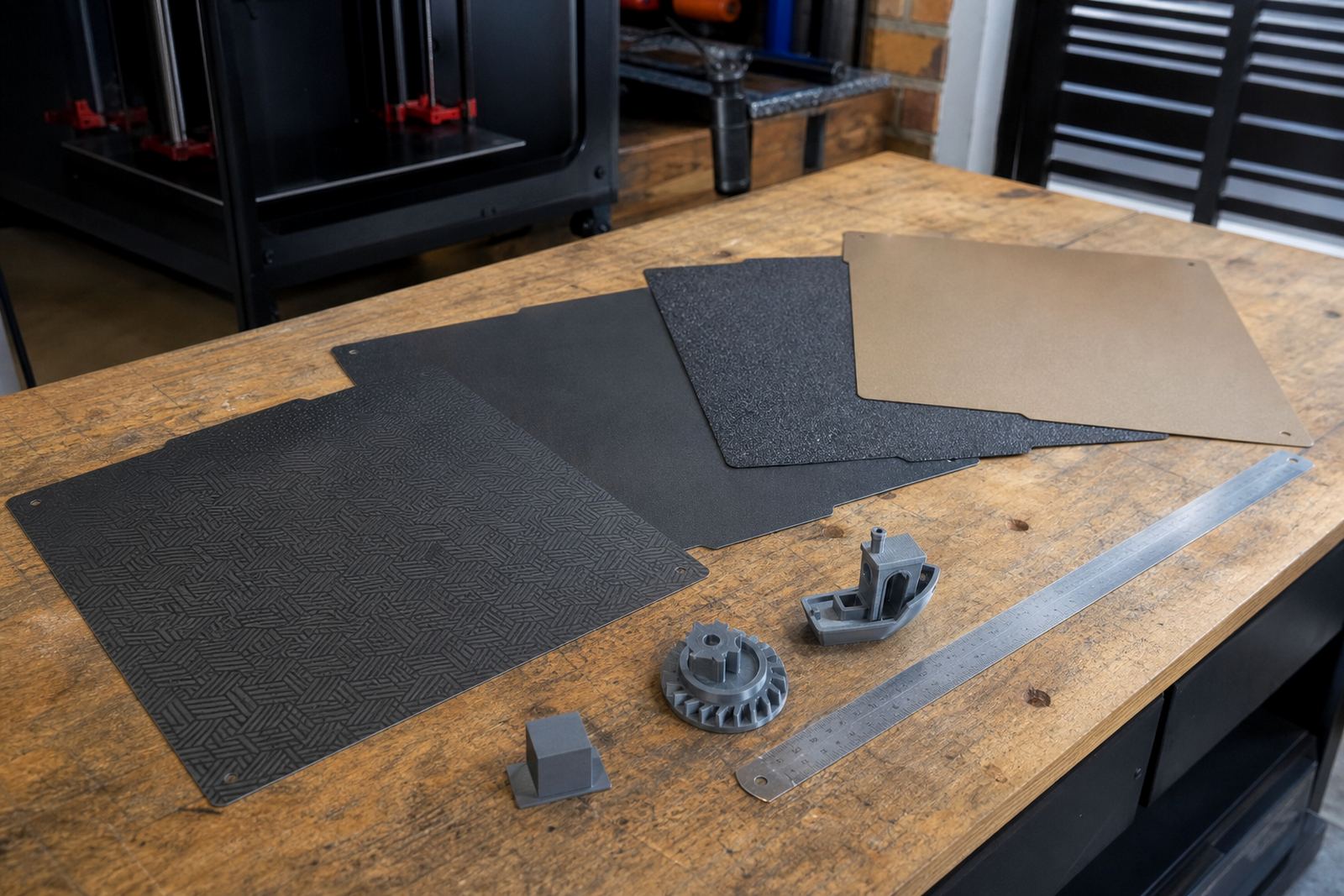
PEI sheets are usually chosen for either a smooth finish or a textured surface, and the right choice depends on what you print most often. Smooth PEI gives a flatter bottom face and is often preferred for technical parts, enclosures and parts that need a neat first layer. Textured PEI is useful when you want easy release and a more forgiving grip on larger parts or materials that tend to bond too strongly.
In South African conditions, especially in coastal areas such as Durban and Gqeberha where humidity can climb, material behaviour changes from week to week. PLA often behaves well on both finishes, while PETG may grip too firmly on some smooth surfaces if the bed is not prepared correctly. ABS and ASA need a stable chamber and steady bed temps, so the sheet finish must work with the rest of the setup not against it.
- Smooth finish for clean bottom layers and tighter detail
- Textured finish for easier release and regular farm use
- Match the finish to your main filament type
- Think about humidity, room temperature and bed temperature
Mounting Style Affects Heat Transfer And Ease Of Use
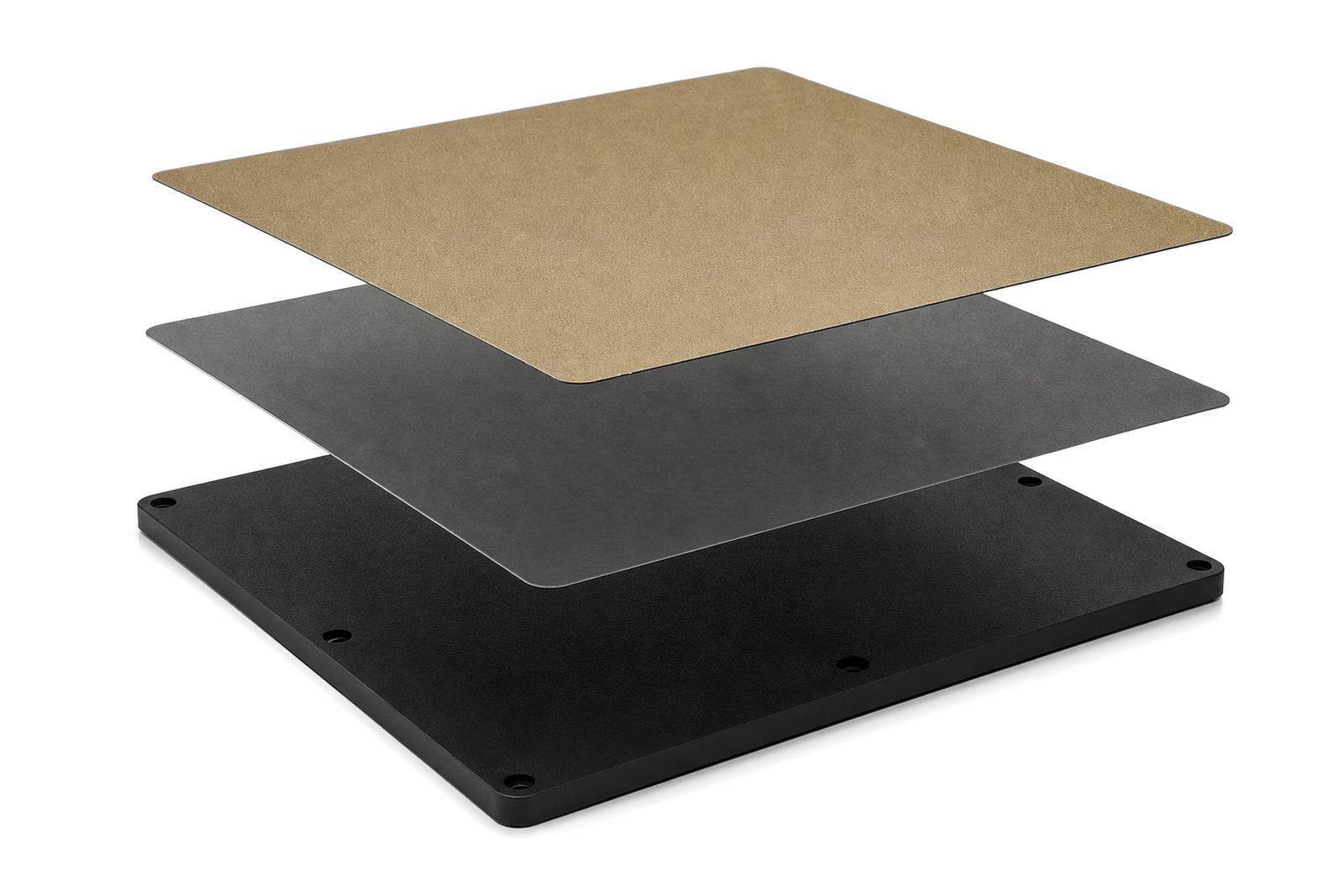
Buying the right PEI sheet is not only about the surface itself. You also need to know how it will attach. Some sheets are intended for magnetic bases, while others are fitted to a rigid plate with adhesive backing or other fixing method. If the mounting layer is poor, you may get uneven heating, lift at the edges, or a hot spot in the centre of the bed.
For schools and shared workshops, quick removal can matter as much as print quality. A magnetic base makes plate swaps faster during class or maintenance, while a fixed setup can suit machines that stay in one place and run long jobs. Check whether the mount can handle repeated heat cycles, because bed temperatures used for ABS or engineering materials can shorten the life of weak adhesives.
- Magnetic base for fast plate changes and easier cleaning
- Adhesive fitted sheets for fixed machines and smaller beds
- Confirm temperature rating before using high bed heat
- Look for full contact across the plate, with no bubbles or lift
Check Flatness, Thickness And Surface Condition Before You Fit
A good PEI sheet cannot fix a warped bed on its own. Before fitting, do a bed flatness check and inspect the plate for dents, grime or old adhesive. If the plate is not flat, the PEI surface will follow that shape and first layers will vary from one corner to the next. This causes poor adhesion, scraping, or a nozzle that is too close in one area and too high in another.
Thickness matters too. A very thin sheet may conform well but can be harder to handle during fitting, while a thicker assembly can improve stability if the mount is sound. Look closely at the surface for scratches, stains, oil, or heat marks. If you are replacing an old sheet, remove residue properly first. Rushing this step is a common cause of edge lift and inconsistent grip.
- Check the bed for flatness before fitting the new sheet
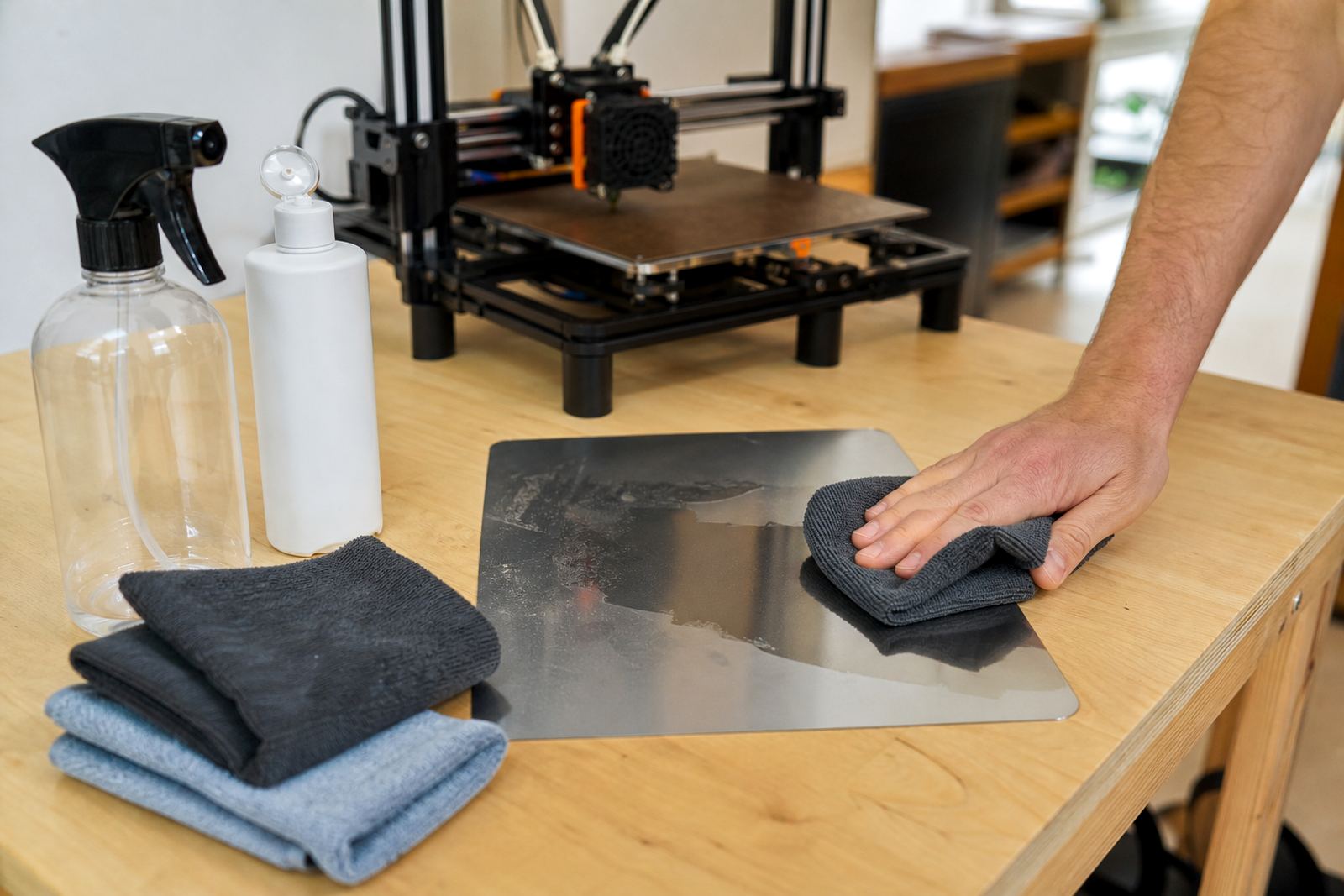
- Remove old glue, dust and oils completely
- Inspect for scratches, dents and heat damage
- Make sure the sheet thickness suits the mounting method
Compare Adhesion, Release And Maintenance Costs
The cheapest PEI sheet is not always the least expensive to run. If a sheet needs frequent cleaning, loses grip quickly, or damages prints during removal, your real cost goes up. Look at how many cycles it can handle before the surface changes, how easy it is to clean, and whether it suits the adhesives or tools you already use. On busy print farms around Johannesburg or Midrand, a few extra minutes per machine adds up fast.
Ask practical questions before buying: will it hold smaller parts without brim overuse, does it release once cooled, and can it handle regular bed care without wearing out too soon? For schools and maker spaces, a predictable surface often matters more than chasing the lowest price. The right choice should reduce failed prints, not create more work.
- Compare first layer grip and release after cooling
- Ask how the surface should be cleaned and refreshed
- Estimate replacement intervals for your print volume
- Weigh the sheet price against failed print savings
A Simple Buying Checklist For South African Users
Before you place an order, run through a short checklist so the sheet suits your machine and your working environment. This helps whether you print from a home workshop in Centurion, a school lab in Pretoria East, or a small production room in Cape Town. If you are standardising several printers, keep one spec sheet for all of them and record what finish, size and mount each machine uses.
It is also worth planning for delivery and fitting time. If you run machines through load shedding, a fitted sheet that keeps good adhesion after repeated heat cycling is worth paying for. If you work near the coast, allow for more frequent cleaning and storage care. A careful choice now saves a lot of rework later, and the best sheet is the one that keeps behaving the same way on Monday as it did on Friday.
- Confirm printer model and usable bed size
- Choose smooth or textured finish based on your parts
- Match the mounting style to the plate or magnetic base
- Check flatness, temperature rating and cleaning method
- Plan for your print volume, climate and maintenance routine