
What Adhesion Liquid Does On A Print Bed
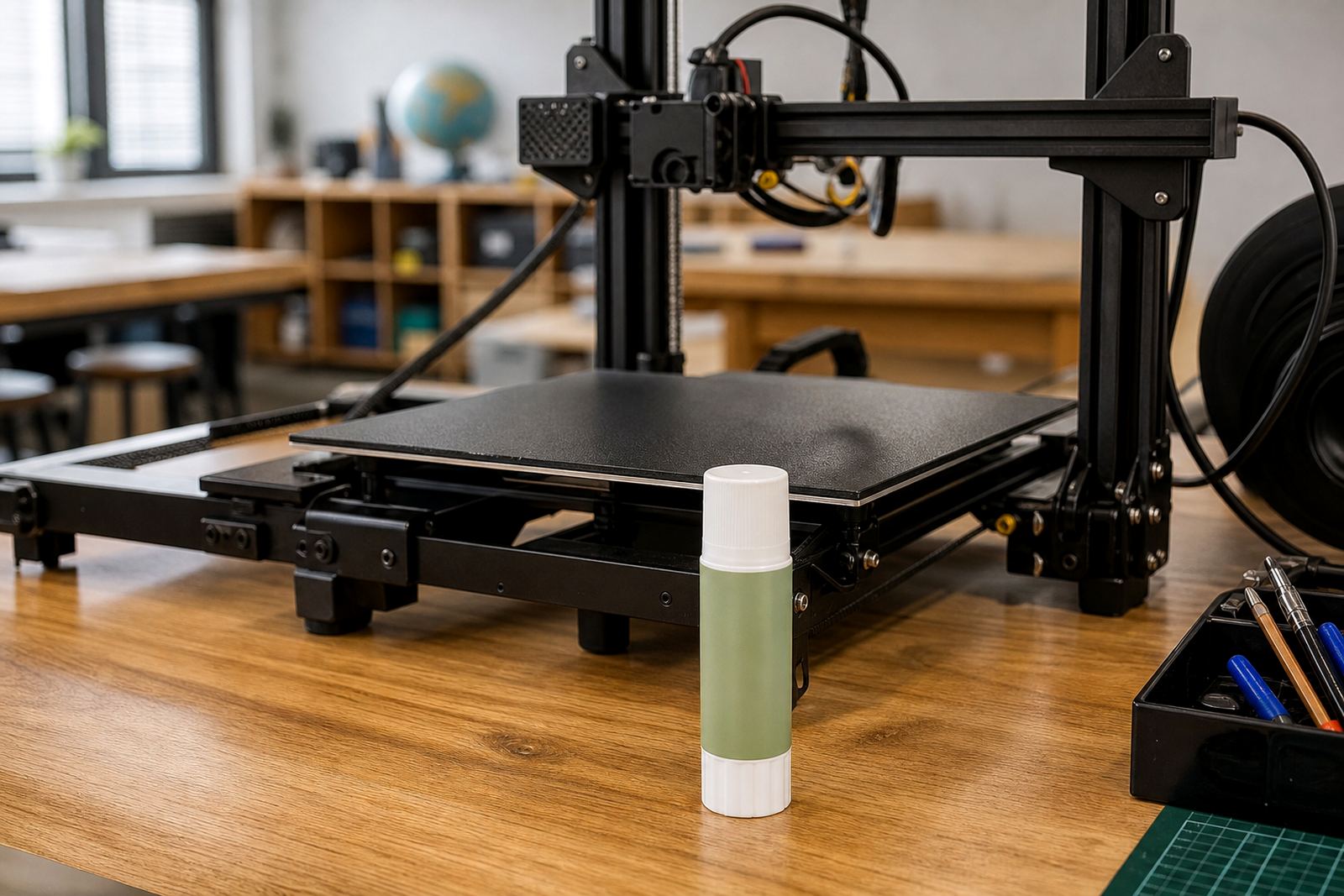
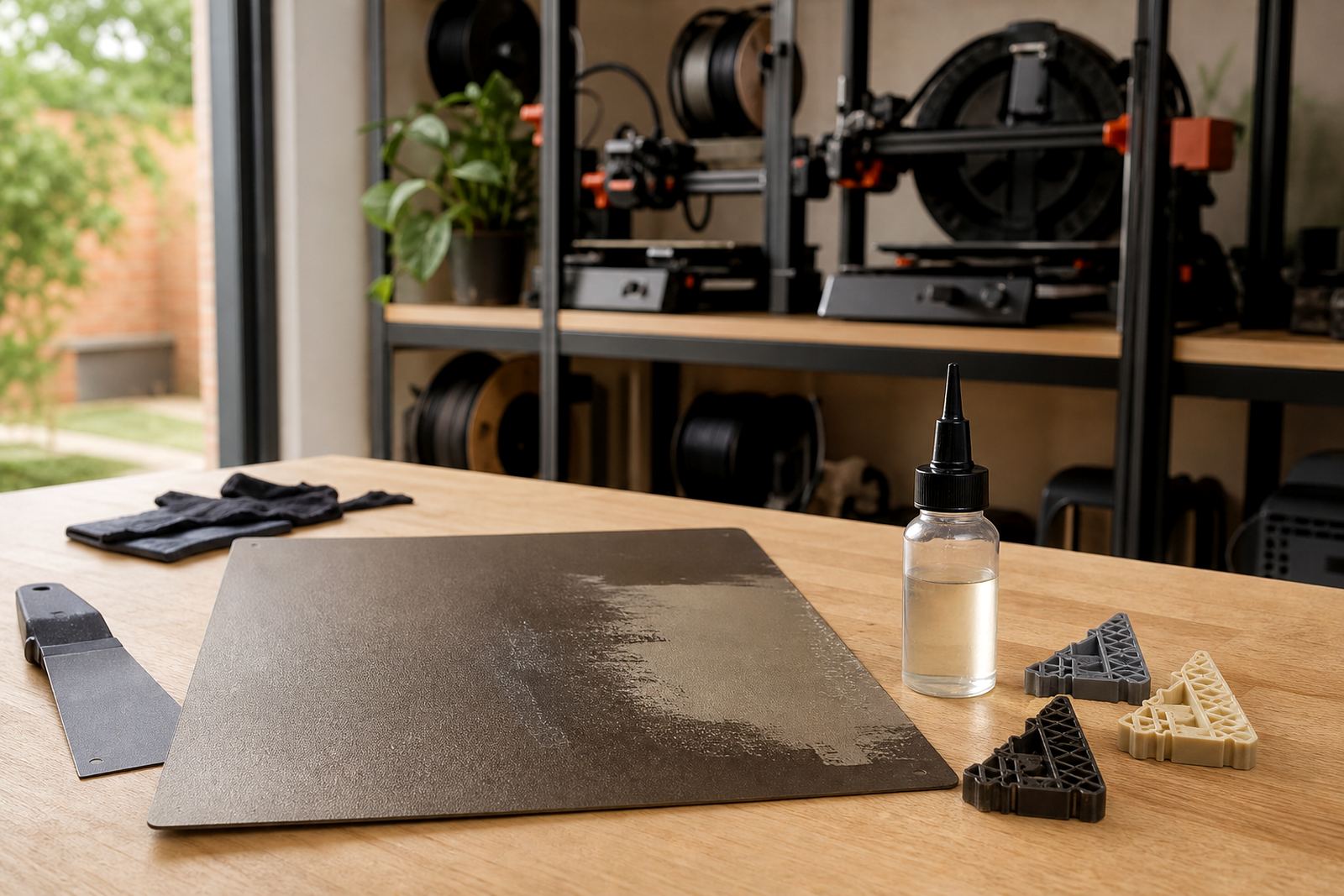
Adhesion liquid is a thin application aid used on a heated or unheated build plate to help the first layer bond more evenly. It is applied as a light film with a brush or wipe, so you can cover only the area you need and keep the surface neater than with loose pastes or messy sprays. For printers running through long jobs, this can reduce corner lift, edge curl, and failed starts caused by poor bed contact.
It suits users who want a controlled method for beds that see frequent changeovers, mixed materials, or repeated cleaning between jobs. In Gauteng print rooms, coastal workshops, and school labs alike, the main advantage is simple: you can put on a measured amount, print, then refresh the surface when needed without overloading the plate.
- Brush-on or wipe-on use for controlled coverage
- Helps improve first-layer grip on suitable surfaces
- Useful for repeat prints, small batches, and shared machines
- Can help reduce waste from failed first layers
Sizes, Pack Options, And Typical Use Rates
LayerPad Adhesion Liquid is supplied in practical pack sizes for home users, classrooms, and production spaces. Smaller bottles are convenient for a single printer or a learner station, while larger packs suit print farms that go through regular bed prep during the week. The right pack depends on bed size, print frequency, and how often you clean and recoat the surface.
For ordering, it helps to note whether the printer is used daily or only for occasional projects. A small bed on a beginner machine may need only a light pass, while larger plates or multiple printers in a lab will use more product over time. If you are covering several machines in Centurion, Pretoria East, or Johannesburg coverage areas, it usually makes sense to standardise pack sizes so every operator follows the same routine.
- Small packs for single printers or school projects
- Medium packs for shared workbenches and clubs
- Bulk packs for print farms and recurring production
- Suitable for controlled, thin application rather than heavy coating
Where It Suits Best In South African Printing
This product works well where first-layer consistency matters and where operators want a tidy, repeatable routine. It is a good fit for PLA, PETG, TPU and other common filament types, provided the build plate and temperature settings are matched to the material being used. If you print in a room with dust, high traffic, or frequent machine sharing, the ability to refresh the surface quickly is useful.
Schools in Bloemfontein, print farms in Durban, and makers in Cape Town often need the same thing: a simple product that keeps the bed ready without adding a lot of extra steps. In coastal areas, humidity can affect how a surface behaves from week to week, while inland workshops may see more dust and dry air. This liquid helps you control the prep process instead of relying on guesswork.
- School labs and maker spaces
- Print farms with scheduled turnaround times
- Prototype work, repairs, and short production runs
- Shared printers where clean application matters
Installation, Power Needs, And Safe Handling
No electrical installation is required for Adhesion Liquid itself. It does not need gas, compressed air, or special mounting hardware. You simply apply it to a clean bed surface, allow the layer to settle as instructed by your printer process, and start the job. If your machine uses a heated bed, continue using the usual temperature settings for the filament and plate combination.
Safe handling is straightforward, but clean habits matter. Keep the bottle closed when not in use, avoid over-application, and make sure the work area is ventilated. If a school or municipal training room has rules about consumables, storage, or supervised use, follow those rules closely. Wipe away spills before they dry. A little care up front saves time later and stops the plate becoming uneven.
- No power connection needed for the product itself
- No gas or special utilities required
- Use in a ventilated printing area
- Keep away from heat sources and store upright
Care, Refreshing, And Ongoing Bed Maintenance
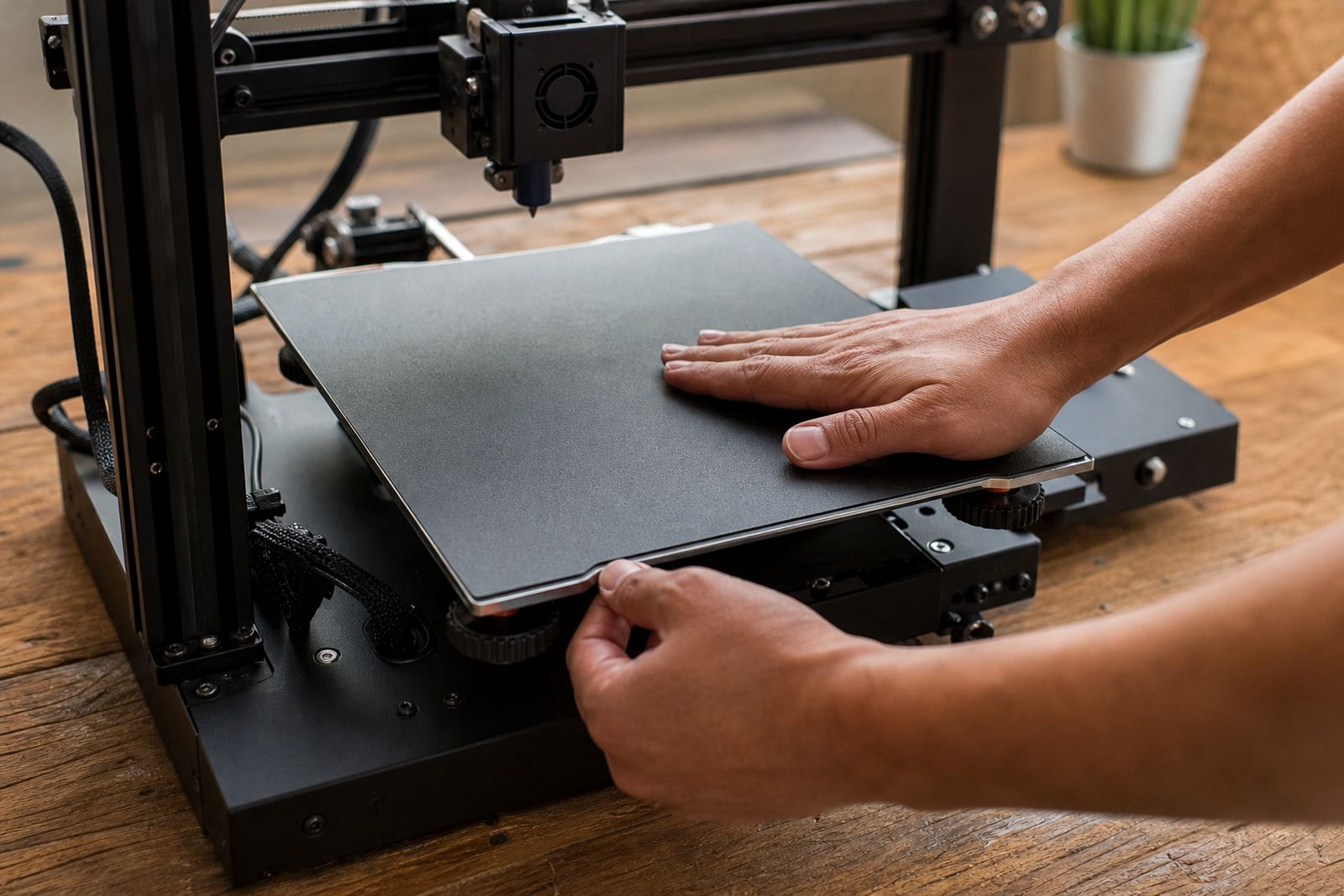
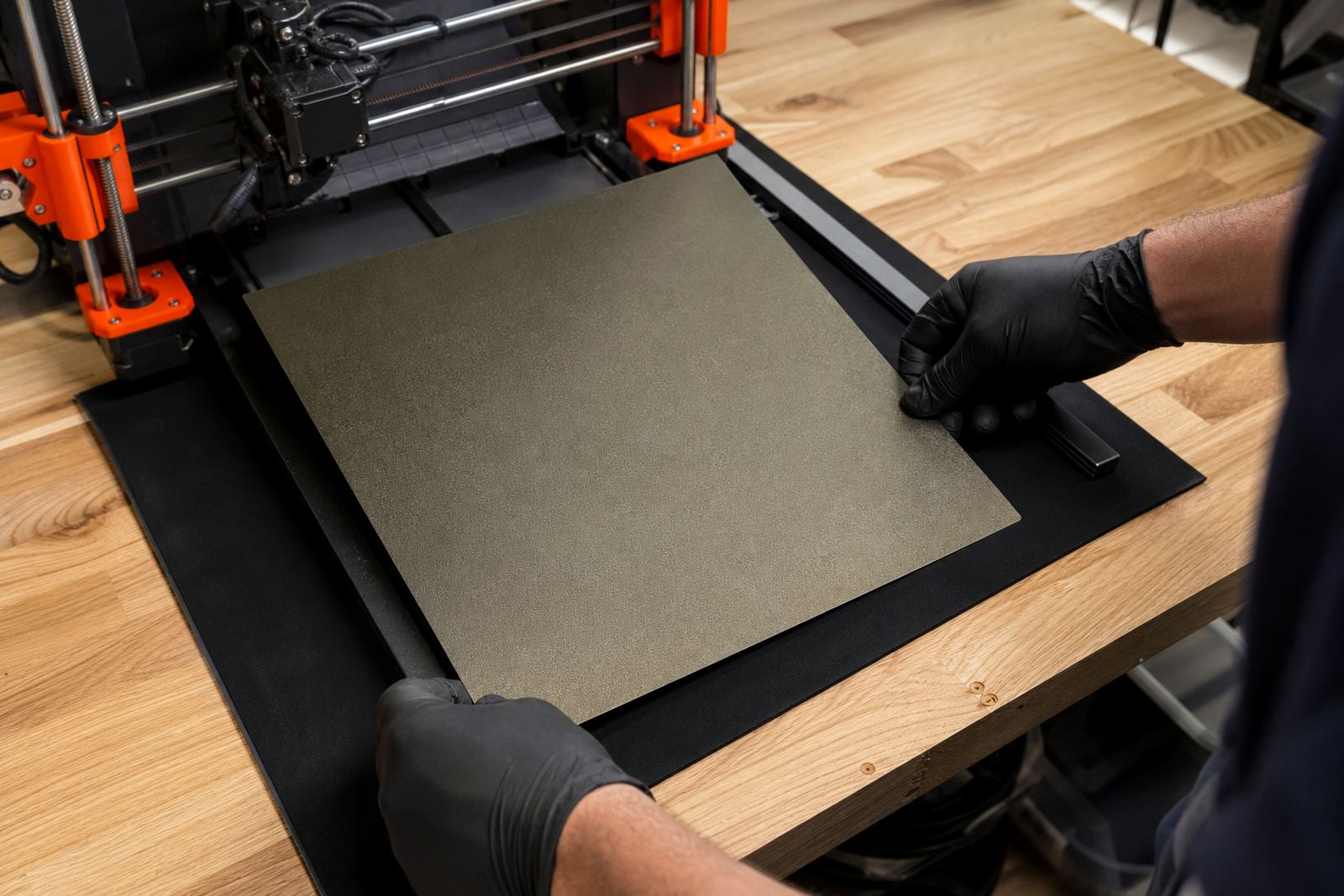
The key to getting good results is not to treat adhesion liquid as a cure-all. It works best as part of a proper bed-care routine that includes cleaning, flatness checks, and regular surface inspection. If a plate is badly warped or contaminated with grease, the coating will not fix the underlying issue. Clean the surface first, then apply a thin, even layer only where needed.
Over time, the bed may need a surface refresh if prints start lifting or the coating becomes patchy. That is normal. In busy environments, a scheduled refresh can be built into weekly maintenance. For farms with several operators, it helps to standardise who applies the liquid, how much is used, and when the plate is wiped down. That keeps results more consistent and the learning curve lower. Small habits here make a real difference, especially when the team is rushing between jobs.
- Clean before each new application cycle
- Reapply when grip drops or coverage becomes uneven
- Check for grease, dust, and old residue
- Pair with bed flatness checks for better results
What To Check Before You Place An Order
When ordering Adhesion Liquid, start with the printer model, bed size, and the main materials you run. That tells you how much product you will use and whether you need a small bottle, a shared pack, or bulk supply. If you are fitting out a school lab or standardising a print farm, it also helps to note whether users prefer brush-on or wipe-on application, as that affects routine and training.
Also check the build surface type. Some plates need very light application, while others work better with a slightly wider coverage area. If you are in a coastal area, mention that too, because humidity and storage conditions can influence handling. For buyers in Pretoria, Midrand, or Gqeberha coverage areas, we can help align the product with the machine setup so the first layer is less of a gamble and the bed prep is easier to repeat.
- Printer model and build plate size
- Filament types in regular use
- Preferred application method, brush or wipe
- Quantity needed for one printer, a lab, or a farm
Key facts
| Product type | Brush-on or wipe-on adhesion liquid |
|---|---|
| Application | Controlled thin coating for build plate prep |
| Use case | Improves first-layer grip and surface consistency |
| Compatible settings | Use with standard heated or unheated beds |
| Pack options | Small, medium and bulk supply available |
| Handling | No power, gas, or special installation required |