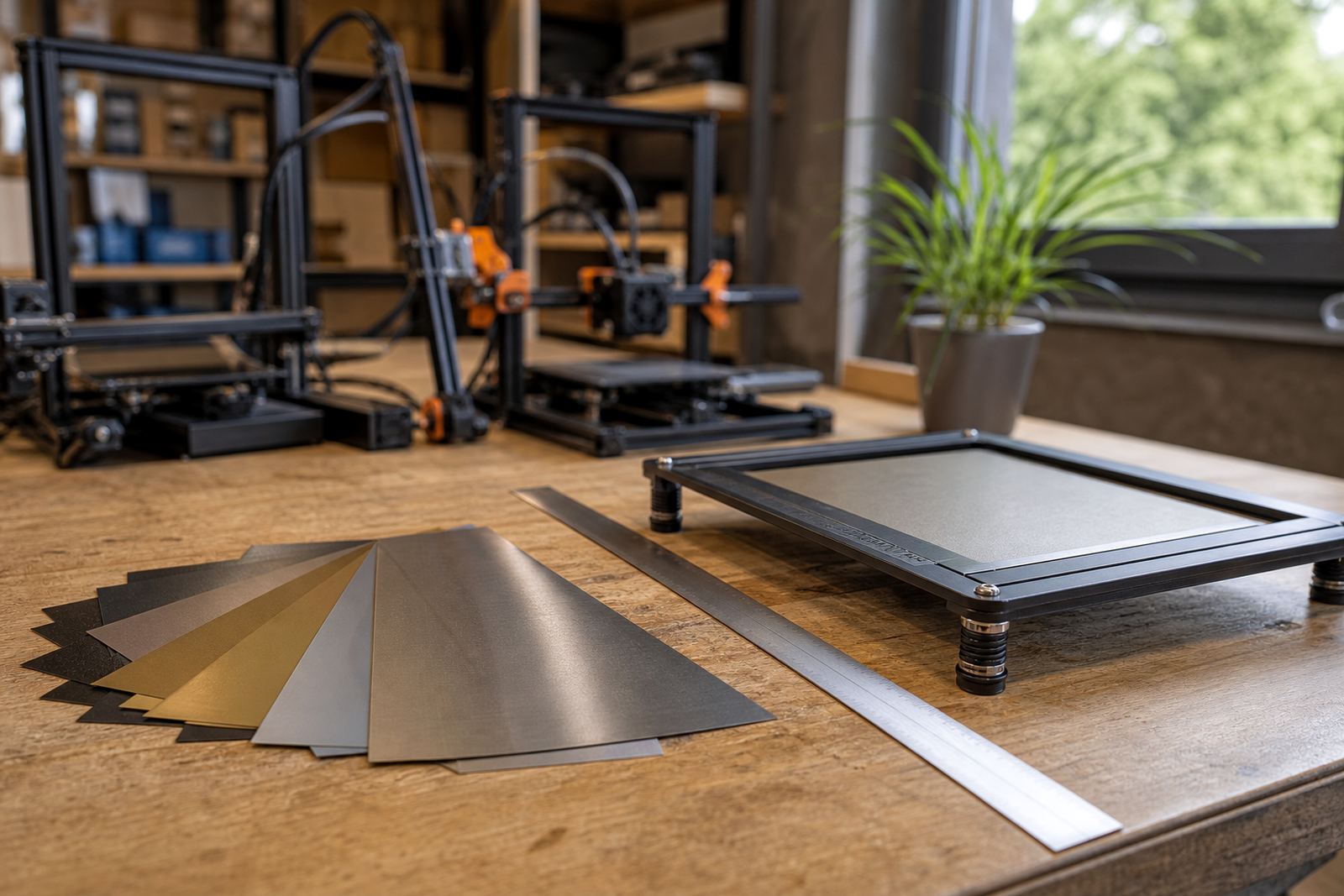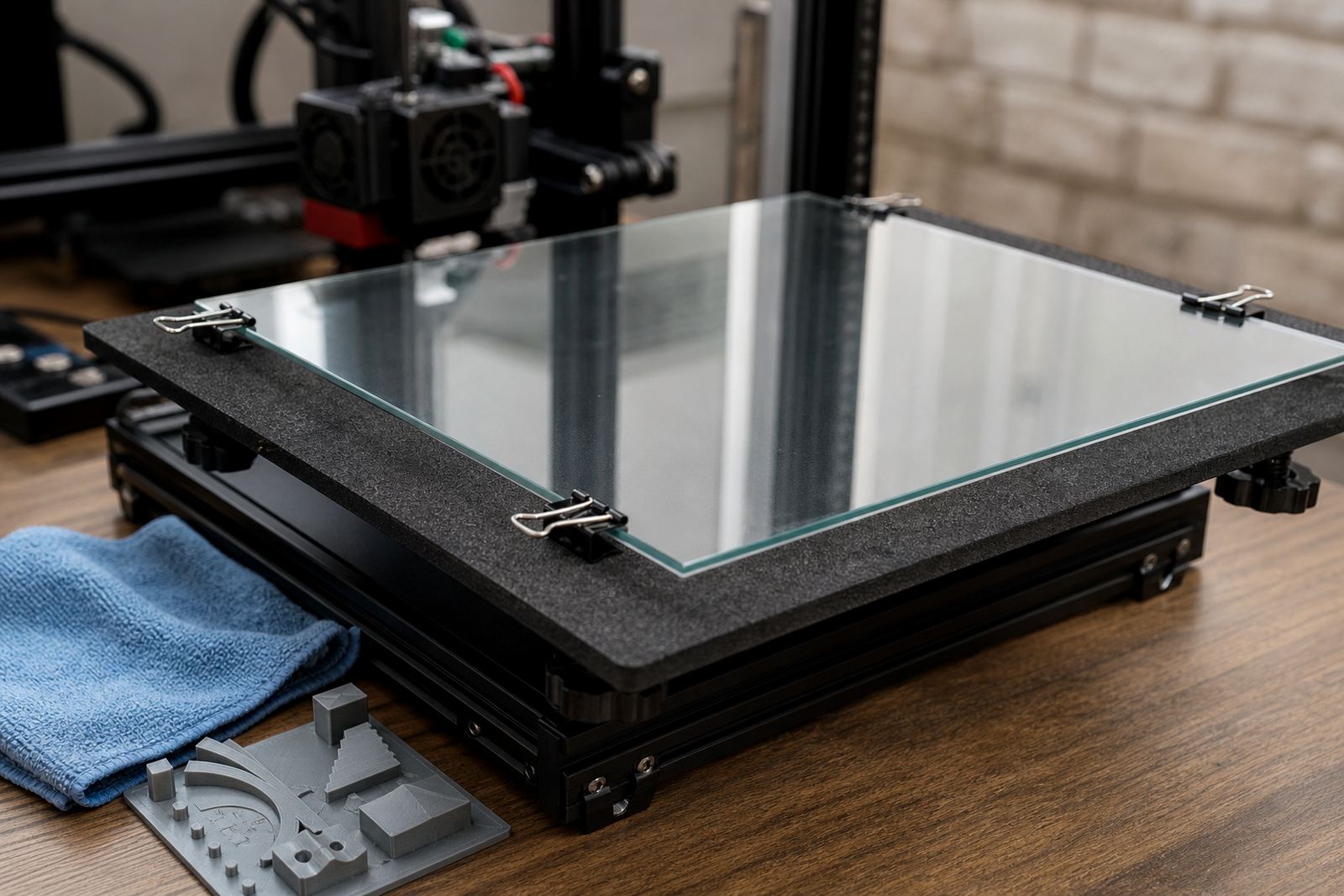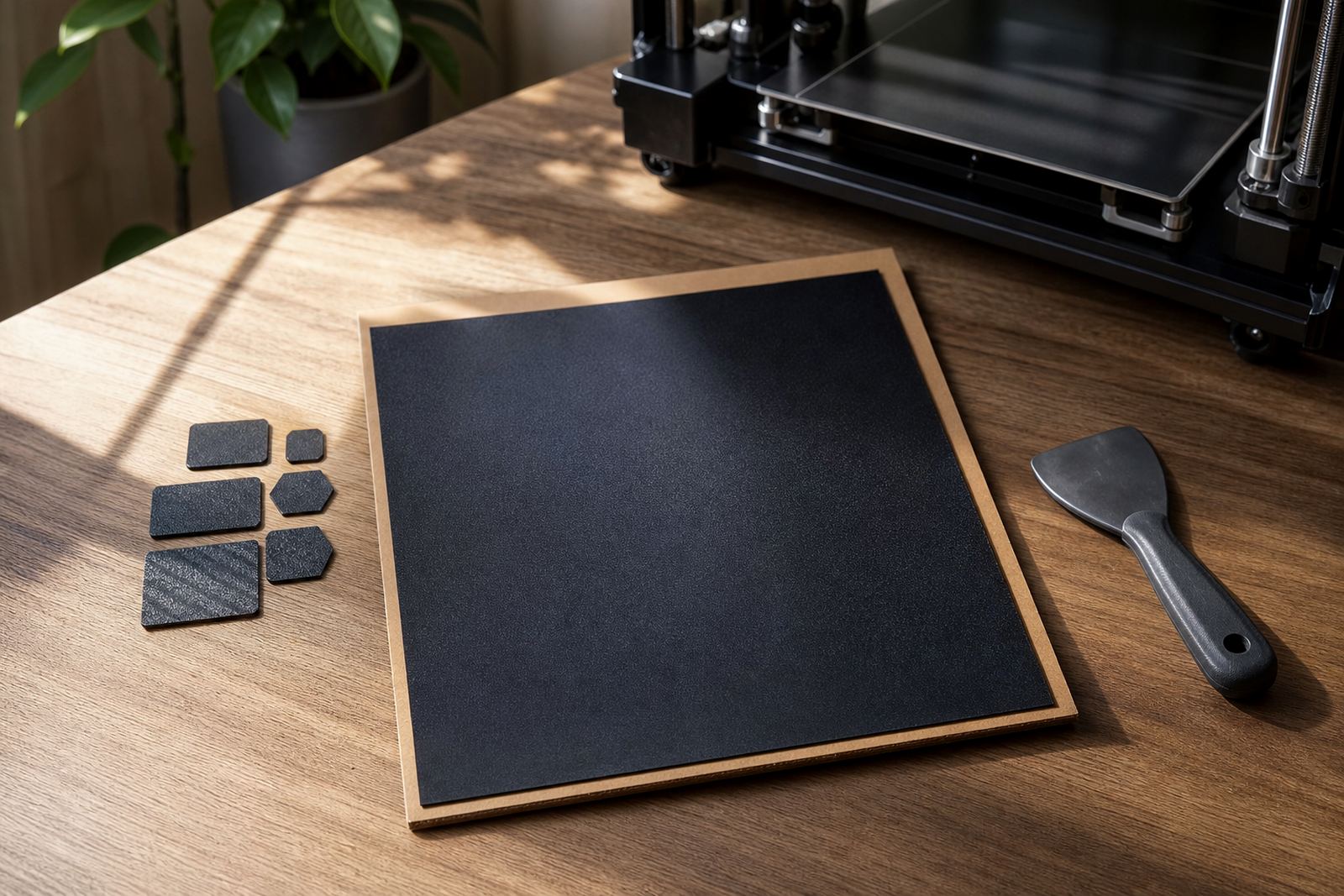

What the 235 PEI Sheet is used for
The 235 PEI Sheet is a removable print surface made for 3D printers that use a 235 mm class bed. It gives a clean, repeatable surface for PLA, PETG and many other common materials, making it a solid choice for makers who want consistent bed adhesion without changing their whole machine setup.
This size is often chosen for printers used in homes, makerspaces, school labs and smaller production rooms because it fits a wide range of mid-size machines. If your printer is used for test parts, classroom models, jigs, brackets or short production runs, a PEI surface helps reduce failed first layers and cuts down on time spent redoing prints.
PEI is valued because it grips when the bed is hot and releases better once it cools. That makes part removal easier and it helps protect the sheet from rough scraping. For South African users, that matters when you are printing through load shedding, then restarting a job and needing the same bed behaviour again after the machine powers back up.
- Suitable for everyday printing with common filaments
- Useful for hobbyists, school users and small print farms
- Designed for repeat use with proper cleaning and care
Size, fit and common printer matching
The 235 size is meant for beds around 235 mm wide or square beds close to that footprint. Before ordering, measure the usable print area, not just the frame size. A bed that looks close on paper can still be off by a few millimetres if the machine uses clips, a lip or a recessed mount.
We recommend checking both the bed dimensions and the type of base your printer uses. Some machines take a magnetic flex plate, while others use a flat metal surface or a glass plate underneath. The right fit depends on how the bed is built, whether the sheet will sit directly on a magnetic base, and whether the printer needs trimming at the edges.
For schools in Pretoria East or Johannesburg, size matching is especially important when several machines need the same consumable. Standardising the bed size makes replacements simpler, and it helps when a lab wants to keep spare sheets on hand for busy terms.
- Measure the usable bed area before ordering
- Check if you need a magnetic base underneath
- Confirm corner radius, clips and edge clearance
- For fleets, keep one size standard across machines where possible
Why PEI works for first-layer adhesion
PEI gives a balanced grip that suits many common print jobs. It is firm enough to hold the first layer in place, but it still lets the part release once the bed has cooled down. That helps reduce curling at the corners and keeps smaller items from shifting during the first few layers.
For print farms in Gauteng, the main benefit is repeatability. If the surface is clean and the bed is level, PEI gives a dependable starting point for production runs. In coastal towns like Cape Town or Durban, the same surface also helps when humidity changes the feel of some filaments, because the first layer is less likely to skate across the bed.
It is worth noting that PEI is not a fix for a badly levelled bed or a warped plate. If the machine has uneven contact, the sheet can only do so much. The best results come from a flat base, correct nozzle height and the right temperature for the filament being used.
- Good grip for PLA and many general purpose prints
- Cool-down release makes part removal easier
- Supports repeatable results across multiple jobs
- Works best with proper levelling and correct nozzle gap
Installation options and what the sheet needs
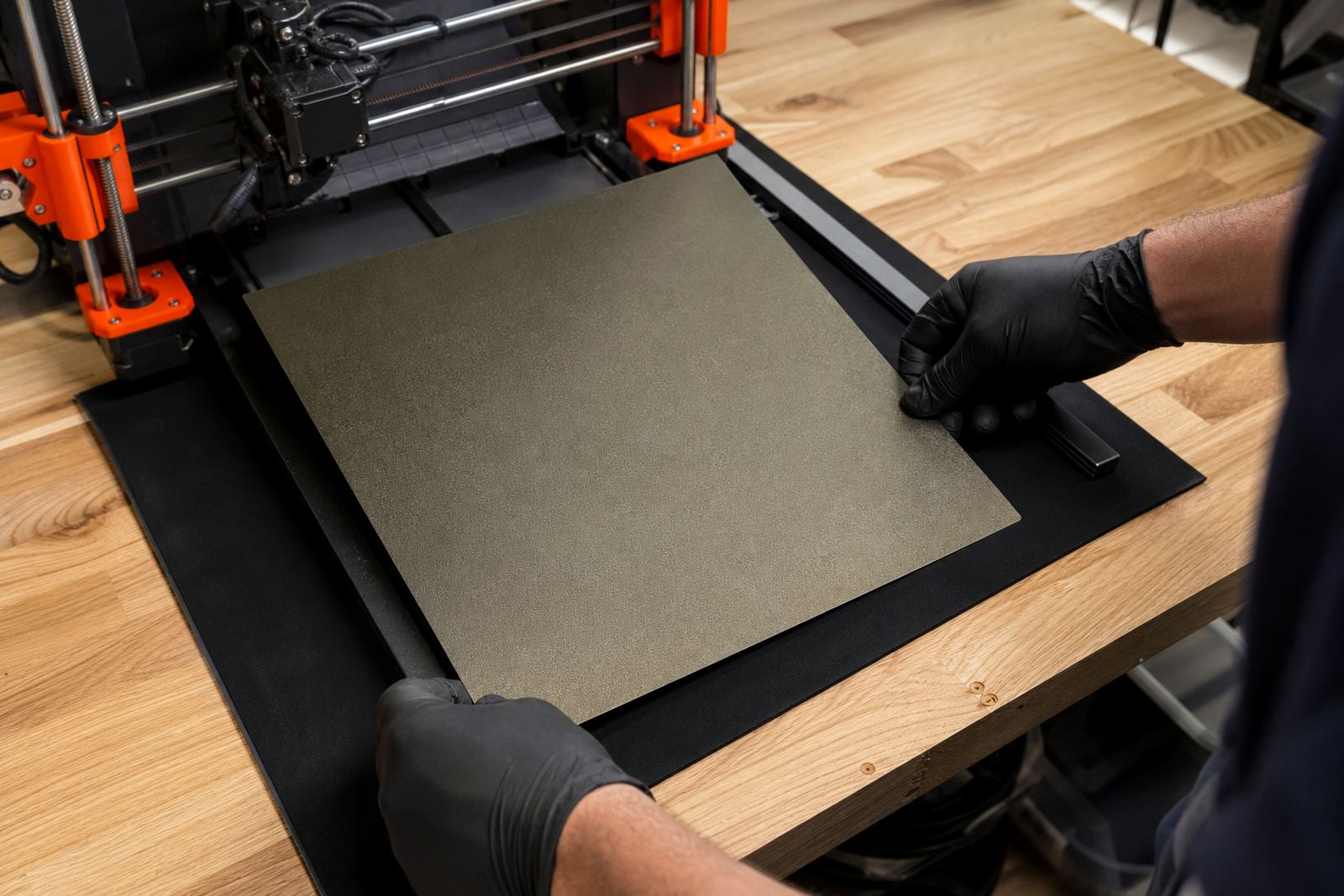
Installation depends on the bed type. Some users fit the sheet directly to a magnetic base, while others place it on an existing plate that has already been prepared for a flex surface. The main requirement is a clean, flat and stable mounting surface. If the bed has dust, oil or old glue on it, the new sheet will not sit properly.
The 235 PEI Sheet does not need mains power or gas. It is a passive print surface and works with the printer’s heated bed only. That makes it simple to use in classrooms, homes and workshops where space is limited and power availability can change during the day.
When fitting, allow the bed to cool, clean it with a suitable surface cleaner and align the sheet carefully before pressing it down. If you are using a magnetic base fitting, check that the magnet is rated for the bed temperature you normally run. Too much heat can weaken some cheaper bases over time, so it is worth asking before you fit.
- No power or gas required for the sheet itself
- Needs a clean, flat surface for best results
- Check magnetic base temperature rating if applicable
- Allow proper alignment before final placement
Care, cleaning and servicing between print runs
Good care extends the life of the sheet and keeps adhesion consistent. The usual routine is simple: let the bed cool, remove loose residue and wipe the surface lightly with a suitable cleaner. Avoid sharp tools and do not dig at stuck corners, because that can mark the PEI and shorten its working life.
For regular users, a quick clean between jobs is often enough. If you print with release agents, glue or dusty materials, build-up can happen faster and the bed may start to feel patchy. In that case a deeper surface refresh may be needed. A light scuff can restore texture on some sheets, but only if done carefully and in the right direction.
School labs and small workshops should also keep a simple log of when sheets were installed and how they are holding up. That makes replacement planning easier and helps you spot when one printer is causing repeated wear because of poor levelling or an over-hot nozzle.
- Let the bed cool before removing parts
- Use gentle cleaning methods only
- Avoid scrapers and metal tools on the surface
- Track wear if several users share the printer
What to check before you place an order
Before ordering a 235 PEI Sheet, confirm the bed size, the mounting style and whether the machine needs a plain sheet or a magnetic flex setup. You should also check the nozzle material you use, the usual bed temperature and the filaments you print most often. Those details help avoid a mismatch and save time on rework later.
If you are buying for a school or a print farm, make sure the same size and fit are used across the machines where possible. That keeps consumables easier to store and means staff do not need to guess which bed belongs where. If one printer is used for training and another for production, it is still worth matching the surface type so learners and operators see the same results.
It also helps to think about wear patterns. If the printer runs daily, or if parts are removed often, you may want a spare sheet ready. For users in coastal areas, keep the sheet stored flat and dry when not in use. That reduces handling damage and keeps the surface in better condition between print cycles.
- Confirm bed footprint and mounting style
- Check temperature range and filament types used most often
- Keep spares if the printer runs daily
- Store flat, clean and dry when not in use
Best fit for homes, schools and small production rooms
The 235 PEI Sheet suits users who want one reliable surface for regular printing, whether that is a classroom project, a home workshop part or a batch of small production items. It is a practical option when the main goal is fewer failed first layers and less time spent adjusting the bed before every run.
For buyers in Centurion, Pretoria, Johannesburg, Cape Town, Durban and Bloemfontein, it is a good middle ground between easy day to day use and enough surface quality for repeat jobs. If you need help matching the sheet to a printer fleet, the same goes for installation planning, bed flatness checks or adhesive troubleshooting, our team can guide you through the order details on the contact form.
Once fitted and maintained properly, the sheet becomes part of a predictable workflow. That is what most users want: a bed surface that behaves the same way from one print to the next, even when the week is busy and the power is not always steady.
- Good for home users, schools and small workshops
- Helps reduce failed starts and wasted filament
- Useful where repeated, predictable printing matters
Key facts
| Product type | PEI build surface for 3D printers |
|---|---|
| Bed size | 235 mm class |
| Compatible use | PLA, PETG and many common filaments |
| Installation | Manual fit onto a clean flat bed or magnetic base |
| Power or gas needs | None for the sheet itself |
| Typical users | Home makers, schools, print farms and small workshops |