
What the 220 Magnetic Base does on a compact printer bed
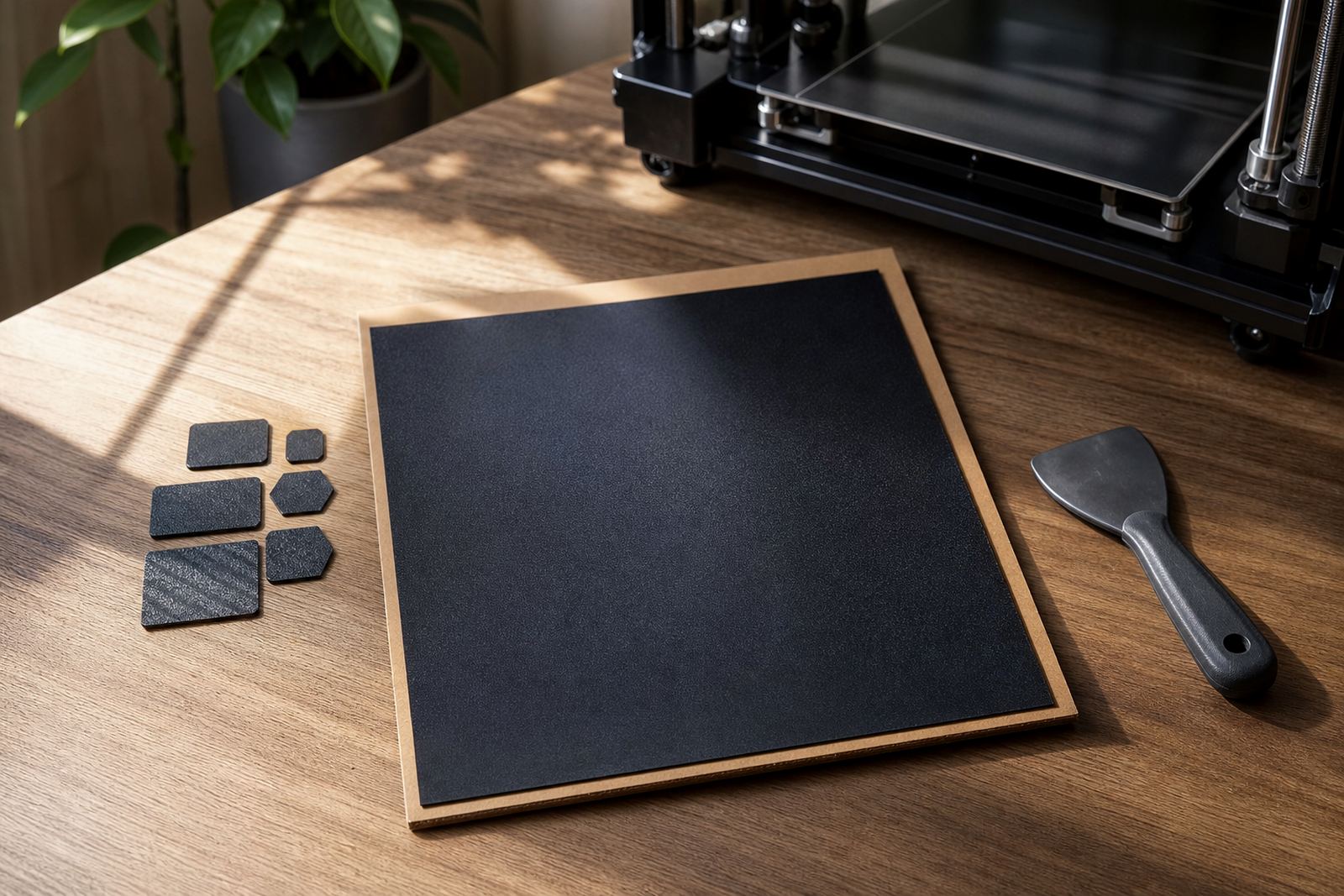
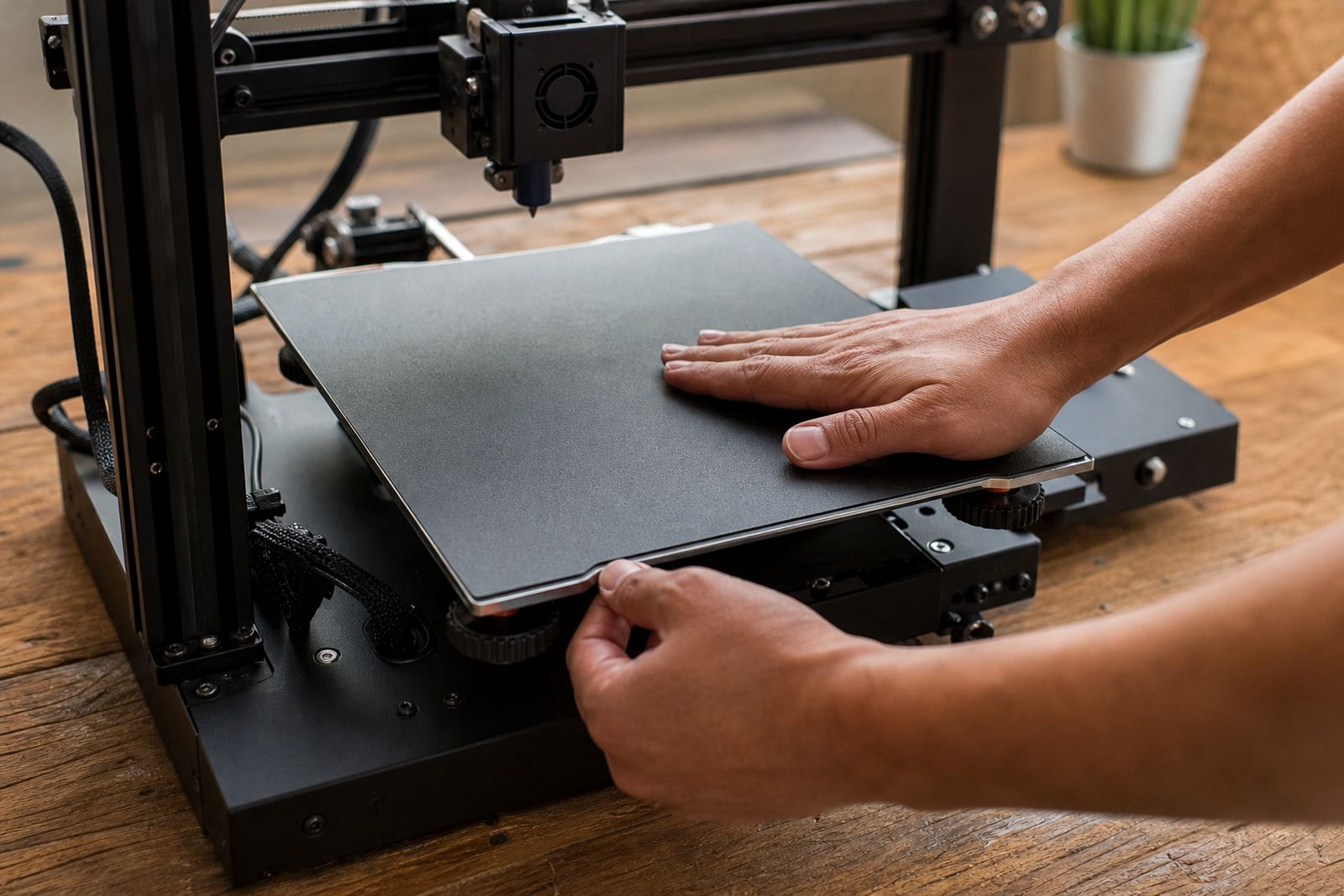
The 220 Magnetic Base is fitted to the fixed bed of a small-format printer so a removable flex plate can sit on top of it and stay aligned during printing. It is made for compact beds where repeatable placement matters, especially on printers used day after day in schools, maker spaces and small production rooms. The magnet layer gives hold without making the plate hard to remove when the print is done.
It is a practical choice when you want faster turnaround between jobs and less fiddling with clips, tape or temporary fixes. For South African users working through load-shedding schedules or batch printing over weekends, that matters because you can get back to the next job quicker and with less risk of disturbing the setup. The base is designed for heat exposure from normal bed temperatures used on common hobby and light production machines, and it supports stable adhesion when paired with the correct top sheet.
This product is best understood as part of the whole bed system. The magnetic layer is not the print surface itself, but the mounting layer that lets the flex plate do its job properly. If the bed is already warped, dirty or not fully clean, the magnetic base will not fix that by itself, so the bed should be checked before fitting.
Sizes, fitment options and where it suits best
The 220 Magnetic Base suits compact beds around the 220 mm class, which is common on benchtop printers used for parts, prototypes and school projects. It is suited to smooth, flat heated beds where there is enough usable area for a full magnetic sheet and a matching flex plate. If the bed has probes, clips, ridges or an uneven coating, measure carefully before ordering because those details affect fit.
- Typical bed size: around 220 x 220 mm working area
- Use case: removable flex plates for PLA, PETG and similar materials
- Best for: hobby printers, school labs, small print farms and repairable benchtop machines
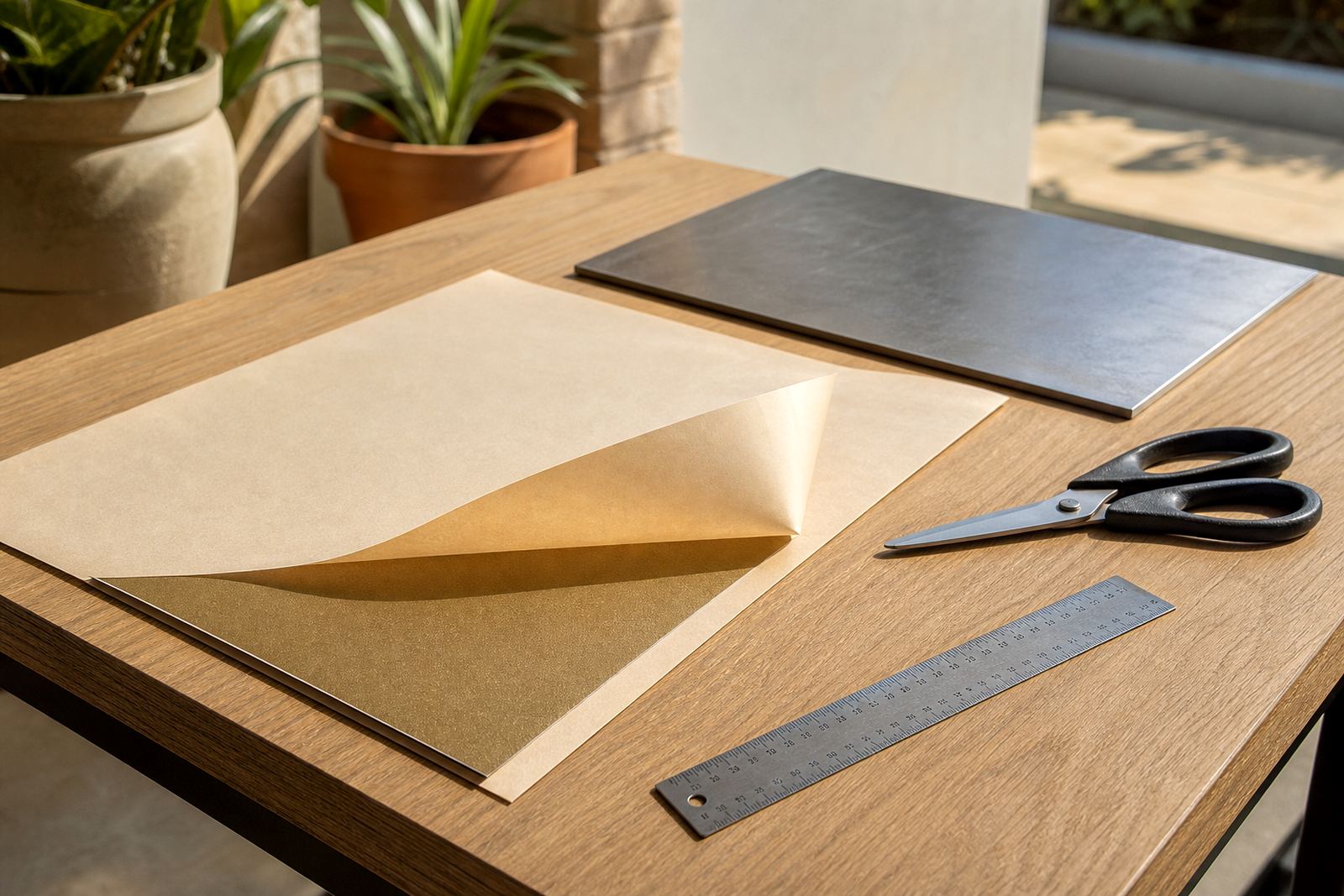
- Fitment style: peel-and-stick magnetic base on a clean fixed bed
It suits users in Pretoria, Johannesburg, Cape Town, Durban and Bloemfontein who need a reliable base layer that can stand up to regular use. It also works well in coastal areas such as Gqeberha where humidity can affect storage and handling, because the removable plate can be taken off, cleaned and stored flat when not in use. For schools, the main benefit is consistency across multiple printers so learners are not dealing with different bed feel on every machine.
Installation details and power needs
Installation is straightforward, but it should be done with care. The bed must be fully clean, dry and free of dust, oil or old adhesive before the magnetic base is applied. The magnetic sheet needs firm contact across the whole bed, with no bubbles or lifted edges. Once fitted, it is best left to bond fully before the first heated print. On many beds, a 24 hour cure period gives the strongest hold, although some users will wait longer if the room is cold or dusty.
The base itself does not need extra power and it does not need gas, compressed air or any special services. It works as a passive component on the bed, so the only energy requirement is the printer’s own heated bed if your machine uses one. For users managing power interruptions, the practical point is that the magnetic layer should remain in place after the printer cools, but the flex plate should be lifted only when the bed is safe to handle.
- No separate power supply needed
- No gas, fluid or air connection required
- Suitable for heated beds within normal benchtop printer ranges
- Needs a clean, flat and fully prepared mounting surface
If the printer is used in a shared room, lab or garage, keep the bed area clear during fitting. A dusty workspace or rushed install can shorten service life. The base should not be bent sharply and it should not be moved around while the adhesive is still setting, otherwise the bond can weaken at the corners.
Bed care, servicing and working life
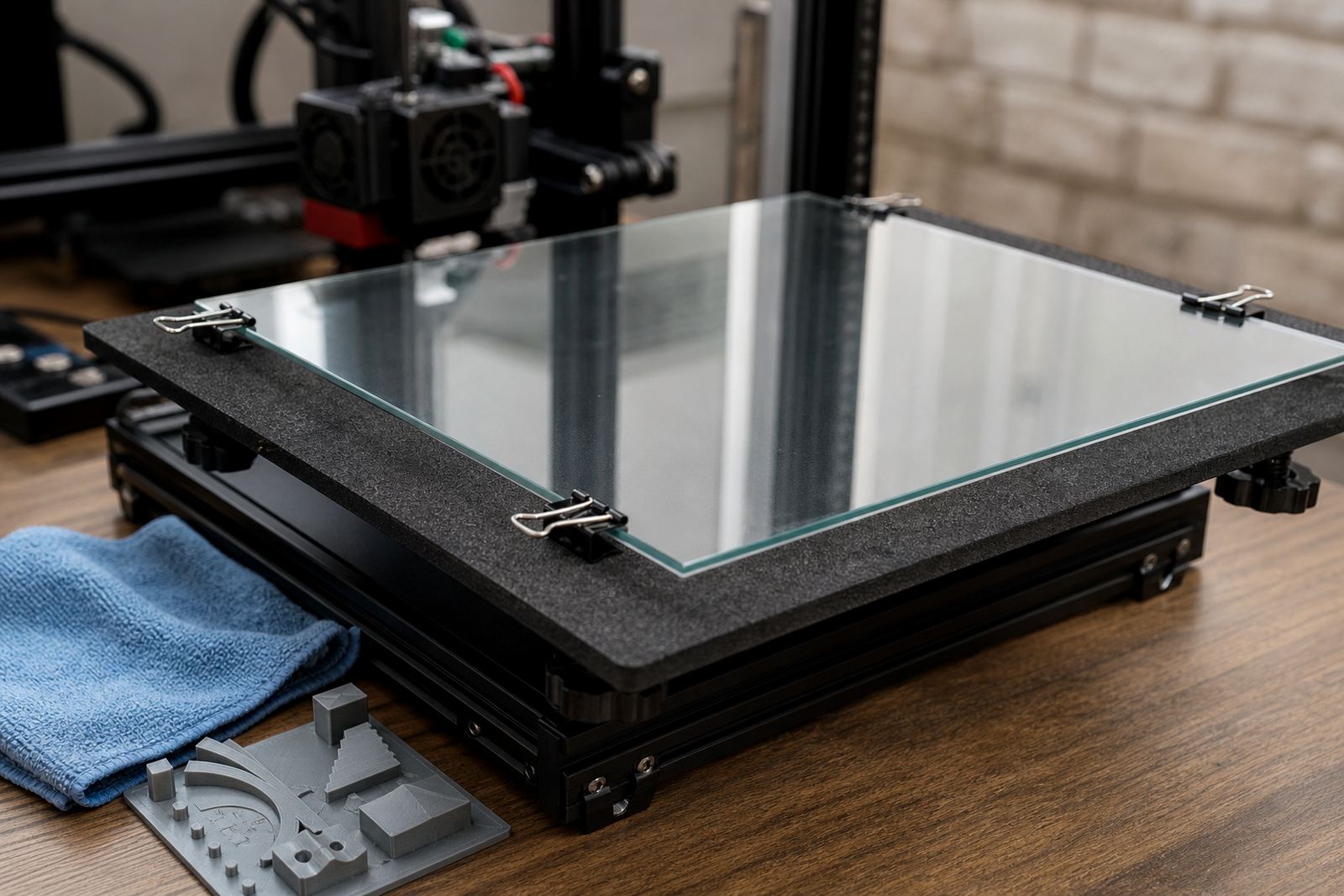
Once installed, the magnetic base needs simple routine care. Keep the surface free from metal filings, loose filament and oils from hands. Wipe the fixed bed gently with a soft cloth if dust builds up, but avoid soaking the adhesive edge or scraping the surface with a sharp tool. The removable flex plate should also be cleaned regularly because a dirty plate can look like an adhesion problem when the real issue is residue on the surface.
In a print farm, it is worth setting a cleaning routine after each shift or before a new material run. That helps keep bed performance consistent across multiple operators. In school labs, a monthly inspection is usually enough if the printers are used lightly, but the bed should be checked sooner if learners are swapping plates often or pulling them off at an angle. The magnetic layer should stay flat, with no lifting, cracking or soft spots.
If the printer is near a coastal area, store spare plates in a dry cabinet or sealed box. Heat and humidity together can be hard on adhesives over time. A well-fitted magnetic base can last a long time, but its life depends on clean use and careful handling. If the edge starts to lift or the pull strength changes, it may be time for replacement planning rather than forcing another few months out of it.
What to check before you order the 220 Magnetic Base
Before ordering, confirm the exact bed size, the usable print area and whether your printer uses a removable flex plate or a fixed top surface. The more precise your measurements, the better the fit will be. A small difference in size can matter on compact beds because there is less spare margin than on larger machines. Check whether the bed has screws, clips, probes or a raised centre section that could interfere with the magnetic sheet.
You should also confirm the temperatures you normally print at, the material types you use and whether the machine will be in a school, home workshop or production setting. For example, a printer that runs mostly PLA in Centurion will have different demands from one used for long PETG jobs in a humid Durban room. If you are buying for more than one printer, standardising the bed system across the fleet can reduce confusion and make spares easier to manage.
- Measure the full usable bed area, not just the outer frame
- Check if the bed is flat enough for magnetic contact
- Confirm the flex plate style and thickness
- Note the highest bed temperature you expect to use
- Tell us if the printer is for home, school or farm use
When you send an enquiry through the contact page, include the printer model, bed size and whether you need installation, replacement planning or help matching the right plate. That lets the team recommend the correct setup and avoid a back-and-forth that slows the job down.
Where it fits into a larger bed adhesion setup
The 220 Magnetic Base works best when the rest of the bed setup is also in good order. A clean bed, the right flex plate, and correct first-layer settings all play a part. If the nozzle is too high, the surface is dirty or the plate is the wrong type for the material, the magnetic base will not solve the underlying problem. That is why bed flatness checks and adhesion troubleshooting are part of a proper setup rather than a once-off fix.
For workshops and schools, this product is often used alongside surface refresh work, plate installation and bed care training. That way the printer stays reliable after the first fitting and users know how to remove, clean and return the plate without damaging the edges. If your team is working with several printers, a standardised base system also makes replacement planning easier because you can keep the same spare parts and routines across the room.
If you need a compact magnetic base for repeatable use, this one is a solid starting point. It gives you a tidy, reusable foundation for removable flex plates and it keeps the bed system simple, which is usually what most makers want anyway.
Key facts
| Product type | Heat-resistant magnetic base for removable flex plates |
|---|---|
| Bed size class | 220 mm compact benchtop format |
| Installation method | Peel-and-stick adhesive mounting on a clean fixed bed |
| Working setup | For use with a matching removable flex plate |
| Typical use | Home printers, schools, maker spaces and small print farms |
| Support temperatures | Suitable for normal heated-bed use on benchtop 3D printers |