
What Adhesion Spray Does on the Print Bed
Adhesion spray is applied to a clean build surface before printing to help the first layer hold more evenly. It is useful when a print has a small contact area, sharp corners, or a material that tends to warp as the bed cools. The aim is not to glue the part down forever, but to give reliable grip while the print is running and then release more cleanly once the bed cools.
For South African users, this matters on long jobs during load-shedding recovery, in cooler inland mornings, and in coastal areas where humidity can change how some filaments behave. A light, even coat can save a lot of failed prints and wasted material, especially on school projects and farm runs where the machine has to keep moving.
- Improves first-layer grip on difficult geometries
- Helps reduce corner lift and edge peel
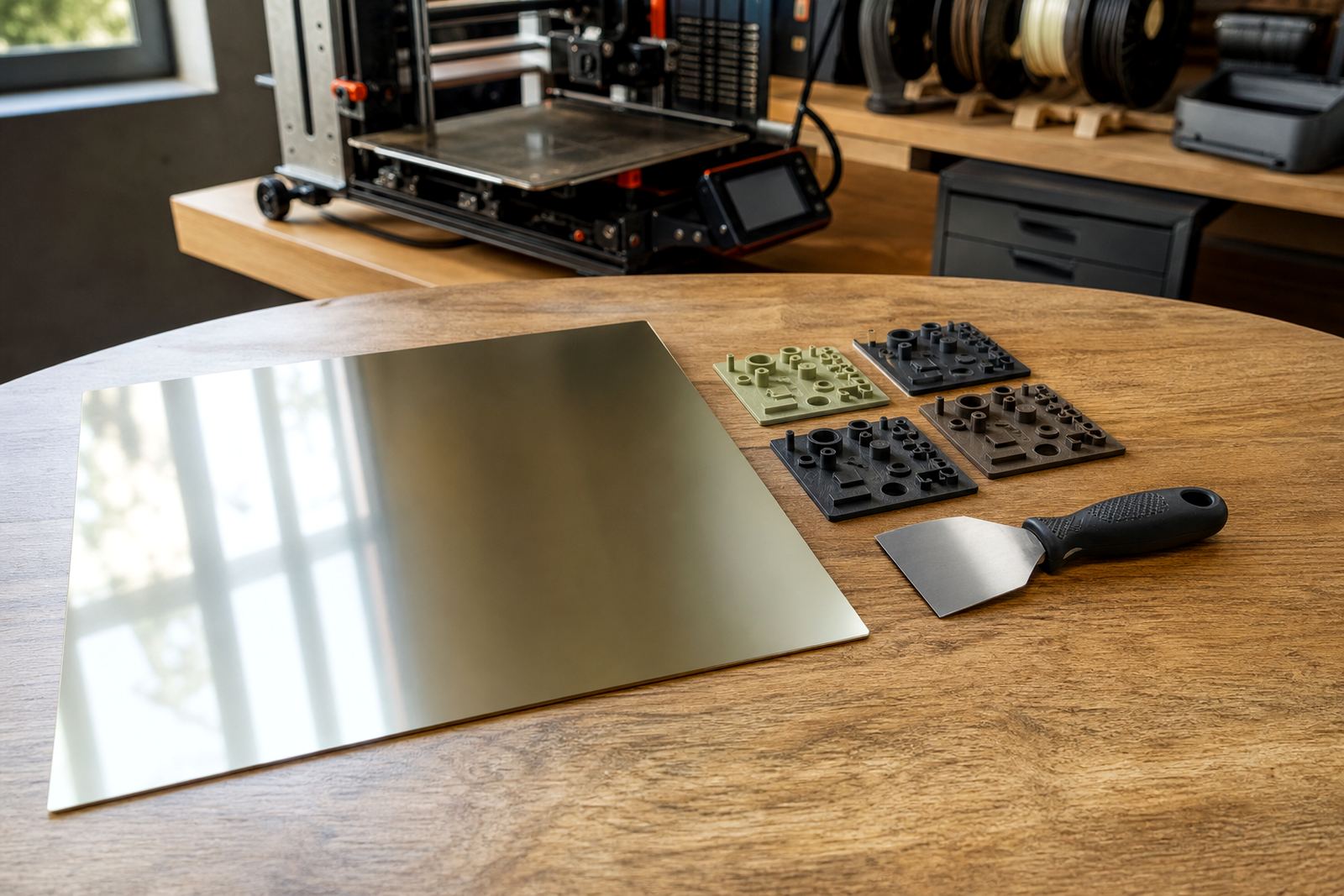
- Useful for glass, metal and coated build plates
- Works as part of a normal bed-prep routine
Sizes and Supply Options for Workbench or Farm Use
LayerPad Adhesion Spray is supplied for single machines, shared maker spaces and higher-volume production settings. The right option depends on how often you print, how many beds you service each day, and whether the product is for one operator or a whole room of users. If your team standardises on the same bed prep method, it becomes easier to train new operators and keep results consistent.
Typical supply options suit light hobby use through to regular school and production use. If you are ordering for a print farm, it is worth checking how many printers use the same bed size, because one spray can often cover a fair number of applications when used properly.
- Small bottle for occasional use and home workshops
- Mid-size bottle for schools, labs and shared studios
- Bulk supply for print farms and repeat ordering
- Suitable for batch use across multiple machines
Where Adhesion Spray Suits Best
This product suits users who need dependable grip but do not want to change their build plate system. It is commonly used on parts that have narrow footprints, high walls or broad flat faces that can pull up at the edges. It also helps on jobs where the plate has already been used many times and the surface needs a little extra support between full refreshes.
In schools, it is handy for supervised labs where different students use the same printers. In print farms, it can be part of a standard routine for certain materials. In Centurion, Pretoria, Johannesburg, Cape Town, Durban and Bloemfontein, users often ask for this kind of product when they need better day-to-day repeatability without overcomplicating the setup.
- Hobby printers with occasional warping issues
- School labs with multiple users and mixed skill levels
- Print farms running repeat parts through the week
- Workshops handling difficult shapes or tall prints
How to Apply It and What You Need on Site
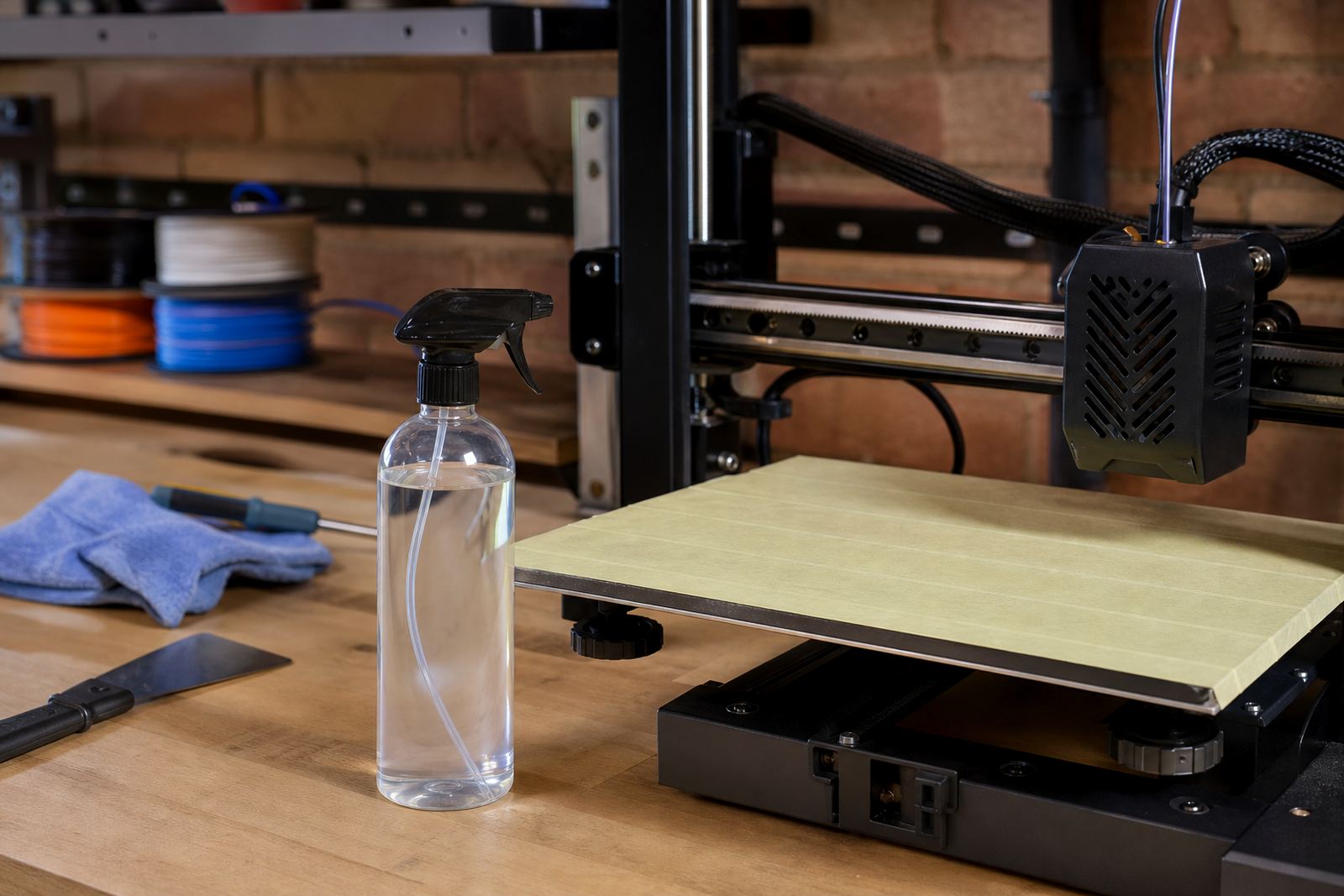
Adhesion spray is simple to use and does not need any electrical connection or gas supply. You only need a clean bed, a well ventilated work area and a steady hand when applying the coating. The bed should be free of dust, fingerprints and old residue before spraying. A thin, even layer is usually enough, and too much product can leave a messy finish or make removal harder than it should be.
For best results, apply the spray before the bed heats fully or as directed for your plate type, then let it settle briefly before starting the print. In a school or factory setting, it helps to assign one person to prepare the bed, because habits vary and a small change in application can affect the first layer. No special power supply is needed and no separate machine fittings are required.
- No power supply needed
- No gas, flame or heating kit required
- Use in a ventilated area
- Apply to a clean, dry bed surface
Care, Cleaning and Bed Recovery Between Prints
Good bed care keeps the spray performing well and helps prevent build-up. If too much product is layered on over time, the surface can become uneven and transfer marks may start to show on the bottom of the part. Regular cleaning between runs is a practical part of the routine, especially where multiple operators share the same machine.
When a bed has heavy residue or the grip starts behaving unpredictably, it may be time for a surface refresh rather than more spray. That is often the better option for teams that want clean first layers and predictable release. If your plate is scratched, worn or coated unevenly, check whether a replacement plan makes more sense than forcing another few weeks out of it.
- Wipe down between print sessions where needed
- Do not build up thick layers over time
- Refresh the surface if residue starts to affect finish
- Replace worn or damaged plates when grip becomes inconsistent
What to Check Before You Order
Before you place an order, check the material you print most often, the size of your build plate, and whether your team uses one printer or many. It is also worth noting if the machine is in a school lab, a shared workshop or a production environment, because that affects how much product you will need and how often it should be replenished. For coastal locations like Durban or Gqeberha, storage conditions matter too, so keep the container sealed and out of direct heat.
If you are ordering for a print farm, decide whether you want a single supply point or separate stock for different rooms. If the site has varied operators, ask about a short bed care training session so everyone applies the spray the same way. That makes a real difference to results, and saves time when the machines are under pressure.
- Build plate size and surface type
- Material profile and common print failures
- Single machine, classroom or farm-wide use
- Preferred supply volume and reorder rhythm
Key facts
| Product type | Spray-on bed adhesion aid for 3D printer build plates |
|---|---|
| Use case | Improves first-layer grip on challenging or warp-prone prints |
| Application | Light, even spray on a clean build surface |
| Power or gas | None required |
| Suitable settings | Home workshops, schools, makerspaces and print farms |
| Coverage | Varies by bottle size and application method |