
What the Smooth PEI Plate does on the printer bed
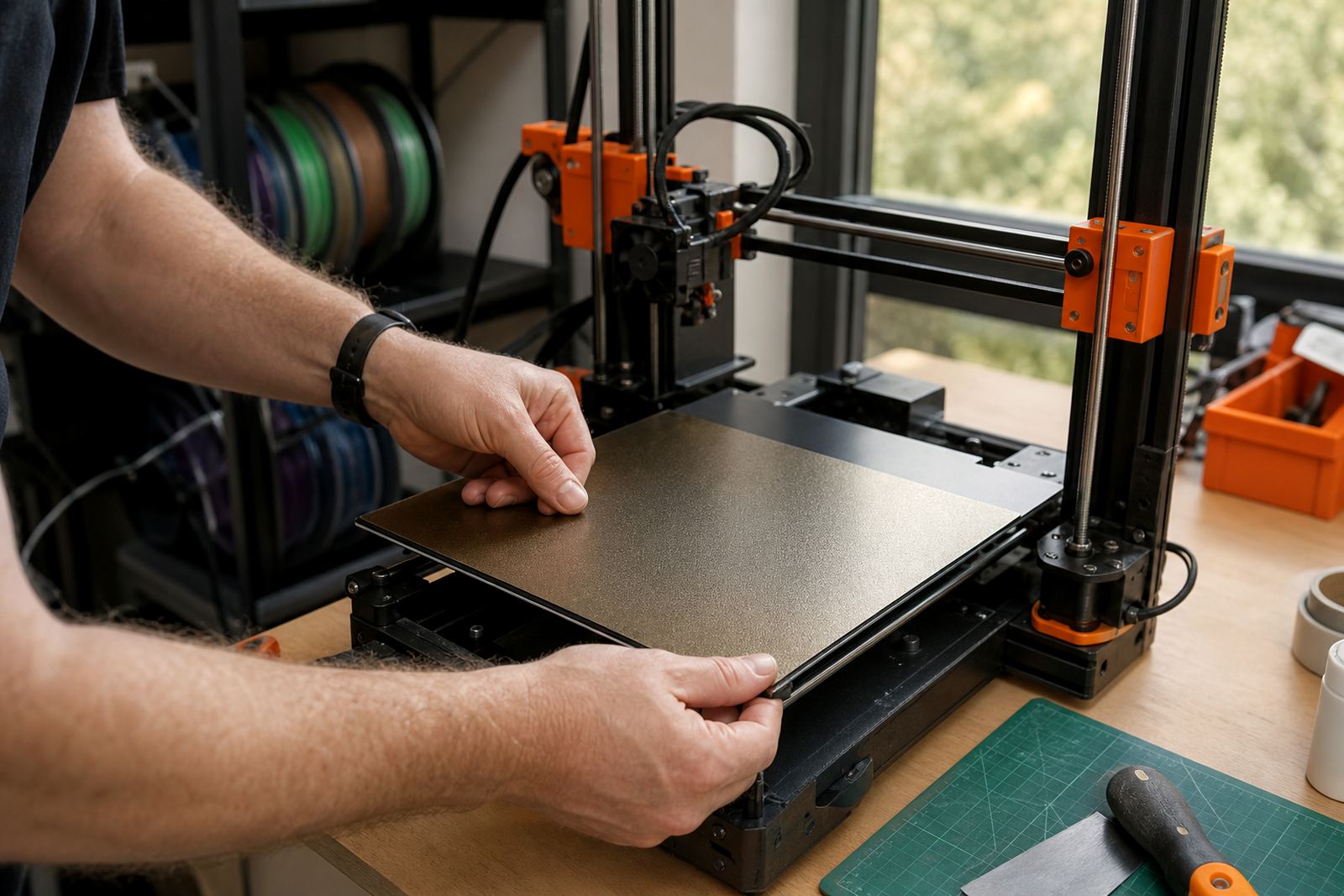
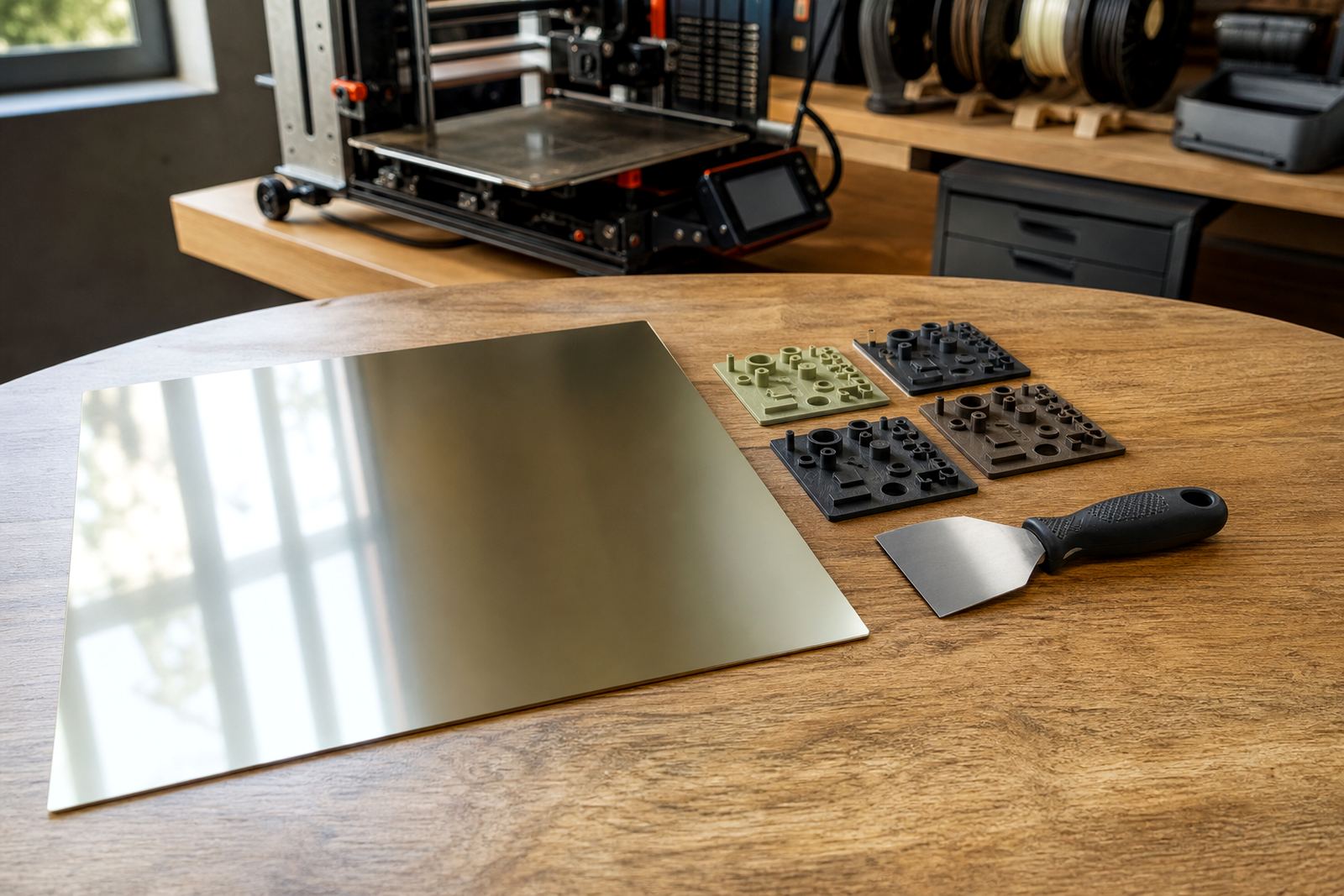
A smooth PEI plate gives the model a flat, even base while helping the first layer grip properly during the print. Once the bed cools, many parts release with a gentle flex of the spring steel sheet, which helps reduce damage to corners and keeps the surface in good condition for longer.
This type of plate is a good match for users who want a neater underside finish than a textured surface can give. It is commonly used for PLA, PETG and ABS setups, though settings still matter. Bed temperature, nozzle height and part cooling all need to be set correctly if you want clean results and fewer failed prints.
For South African users, the appeal is simple: dependable adhesion with less fuss. Whether you are printing in Centurion, running a school lab in Pretoria or managing a small farm in Cape Town, a smooth plate gives a repeatable base for day to day work.
Sizes, thickness and fitting choices to check before ordering
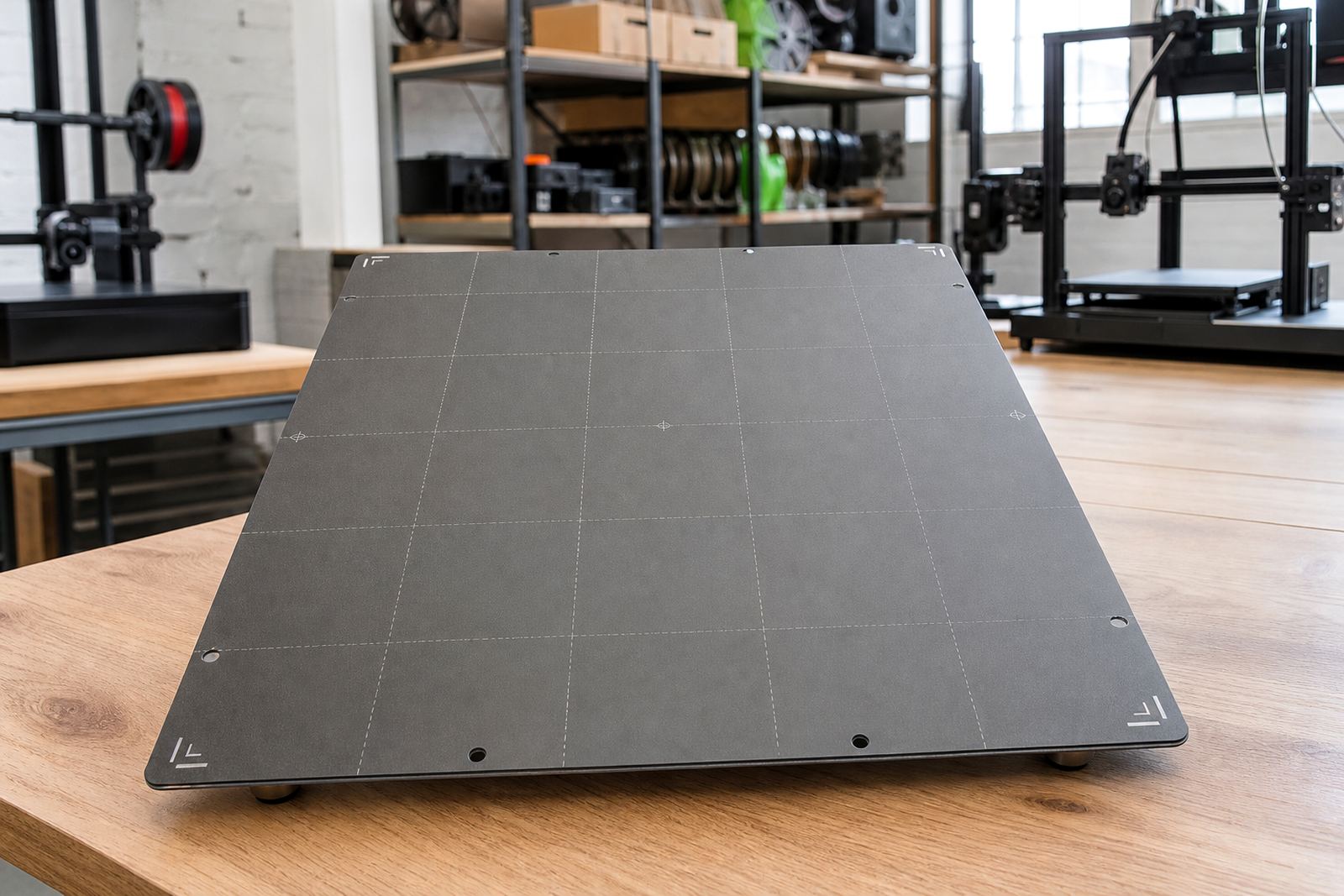
LayerPad supplies smooth PEI plates in common sizes for benchtop and mid-size printers, with custom cutting available for less standard beds. The plate normally sits on a magnetic base, so the two parts must match in size and alignment. If the plate is too small, you lose usable bed area. If it is too large, the corners can lift or rub against the frame.
- Common square sizes such as 235 x 235 mm, 256 x 256 mm and 300 x 300 mm
- Rectangular options for machines with longer beds
- Spring steel sheet with a smooth PEI working face
- Magnetic base fitting for quick removal and refit
- Custom size cutting for school labs, batch printers and speciality machines
Thickness affects how stiff the plate feels and how it performs when flexed. A thicker spring steel sheet tends to feel more stable, while a thinner plate can be easier to remove and handle. When you order, check the bed dimensions, screw positions, clip clearances and whether your printer uses a fixed bed or a removable magnetic setup.
Where a smooth finish works best in daily printing
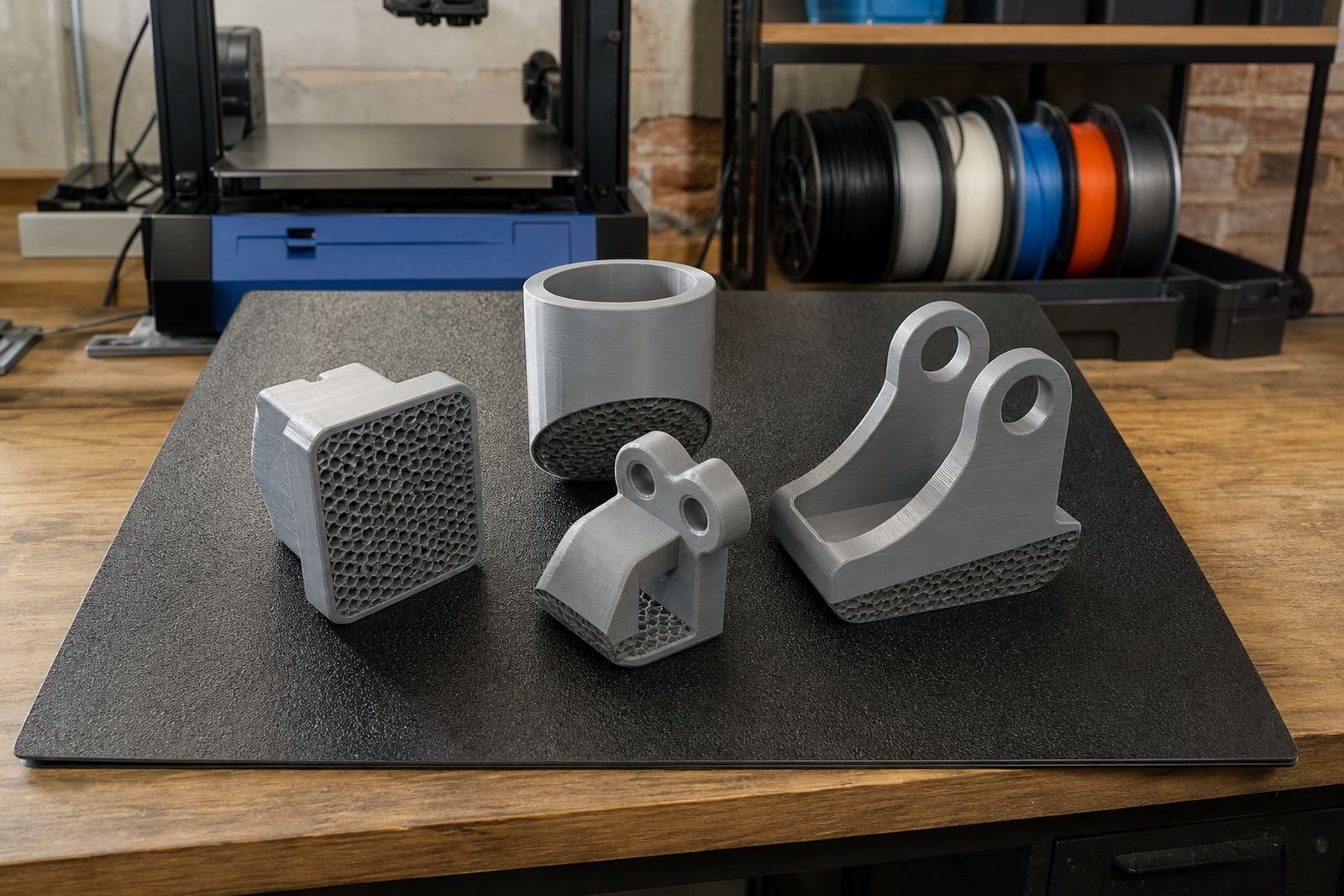
This plate suits users who want a neat underside on flat parts, signage pieces, enclosures, jig plates and learning projects. It is also useful for print farms that need parts to look consistent when they come off the bed. For school labs, the smooth finish makes it easier to show students how first-layer quality affects the final result.
It is a solid option for printers that run regular jobs through load-shedding and long print cycles, as long as the bed stays level and clean. Coastal areas such as Durban and Gqeberha can bring more humidity into the room, so storage and surface care matter more there. Moist air can change adhesion and make a dirty plate behave badly even when the printer itself is set up correctly.
Use it where a clean bottom face matters more than a heavily textured underside. If you mainly print functional parts that do not show the base, another surface may suit some jobs better. Still, for general use this is one of the most practical build plates you can keep on hand.
Installation, power needs and what the fitting process involves
The plate itself does not need extra power or gas. It works as part of the heated bed system already fitted to the printer. What matters is the bed temperature, the magnetic base and the way the plate sits on the carriage. A poor fit can create uneven contact and cause corners to lift during the print.
Installation is straightforward when the bed is already level. Clean the bed, apply or align the magnetic base, then place the spring steel sheet so it seats flat across the full surface. If your printer uses clips or screws near the edges, check that the plate clears them at the full travel range. On some machines, a bed flatness check is worth doing before you install a new surface.
- Level the bed before first use
- Check that the magnet sits square to the frame
- Confirm nozzle clearance at the highest point of the bed
- Run a first-layer test after fitting
- Store the plate flat when it is off the machine
Care, cleaning and surface refresh for longer service life
Keep the smooth PEI face free from grease, dust and release residue. A light wipe with a suitable cleaner and a lint-free cloth is usually enough. Avoid rough scrubbing, sharp tools and sanding, as these will mark the surface and shorten the useful life of the plate. If adhesive sprays or tapes were used previously, remove every trace before starting a new print run.
For regular production work, inspect the surface at the start of the day. Look for worn patches, glue build-up and edge damage. If prints start to release too early or stick too hard, the plate may need a clean or a surface refresh. In busy environments, a simple maintenance routine can save a lot of failed parts and wasted filament.
If a plate begins to warp, scratch or lose grip in one area, it may still be usable for smaller jobs, but it should be checked before high value parts go on it. Schools and print farms often benefit from having a spare plate ready so production does not stop while one surface is being cleaned or replaced.
Ordering the right plate for your machine and workload
When you order, start with the exact bed size and the type of printer you run. A small mistake in measurement can lead to poor adhesion or a plate that does not seat properly. Also note whether your machine uses a magnetic base already, because that changes what you need to buy. If you are fitting several printers in a lab or farm, standardising sizes can make maintenance much easier.
It also helps to think about the materials you print most often and the finish you want on the underside. PLA users usually want easy release and clean detail. PETG users often need careful temperature control to avoid over-sticking. For higher temperature work, bed settings and room conditions matter more. In Gauteng, where indoor temperatures can swing a fair bit across the day, that can make a real difference.
Before confirming an order, check these points:
- Printer model and bed dimensions
- Whether the bed is fixed or magnetic
- Target filament types and usual bed temperatures
- Need for custom cutting or replacement planning
- Any edge clips, bed probes or screws that affect clearance
LayerPad supports collection and coverage across Centurion, Pretoria East, Midrand, Johannesburg, Cape Town, Durban, Bloemfontein and Gqeberha through the enquiry form on the contact page. That makes it easier to match the right plate to the right machine without guesswork.
Key facts
| Product type | Smooth-finish spring steel PEI build plate |
|---|---|
| Working surface | Smooth PEI for clean underside finish and adhesion |
| Core material | Flexible spring steel |
| Fitment | Magnetic base compatible |
| Typical sizes | 235 x 235 mm, 256 x 256 mm, 300 x 300 mm and custom sizes |
| Use cases | PLA, PETG, ABS, school labs, print farms and general production |