
A practical cleaner for daily bed prep
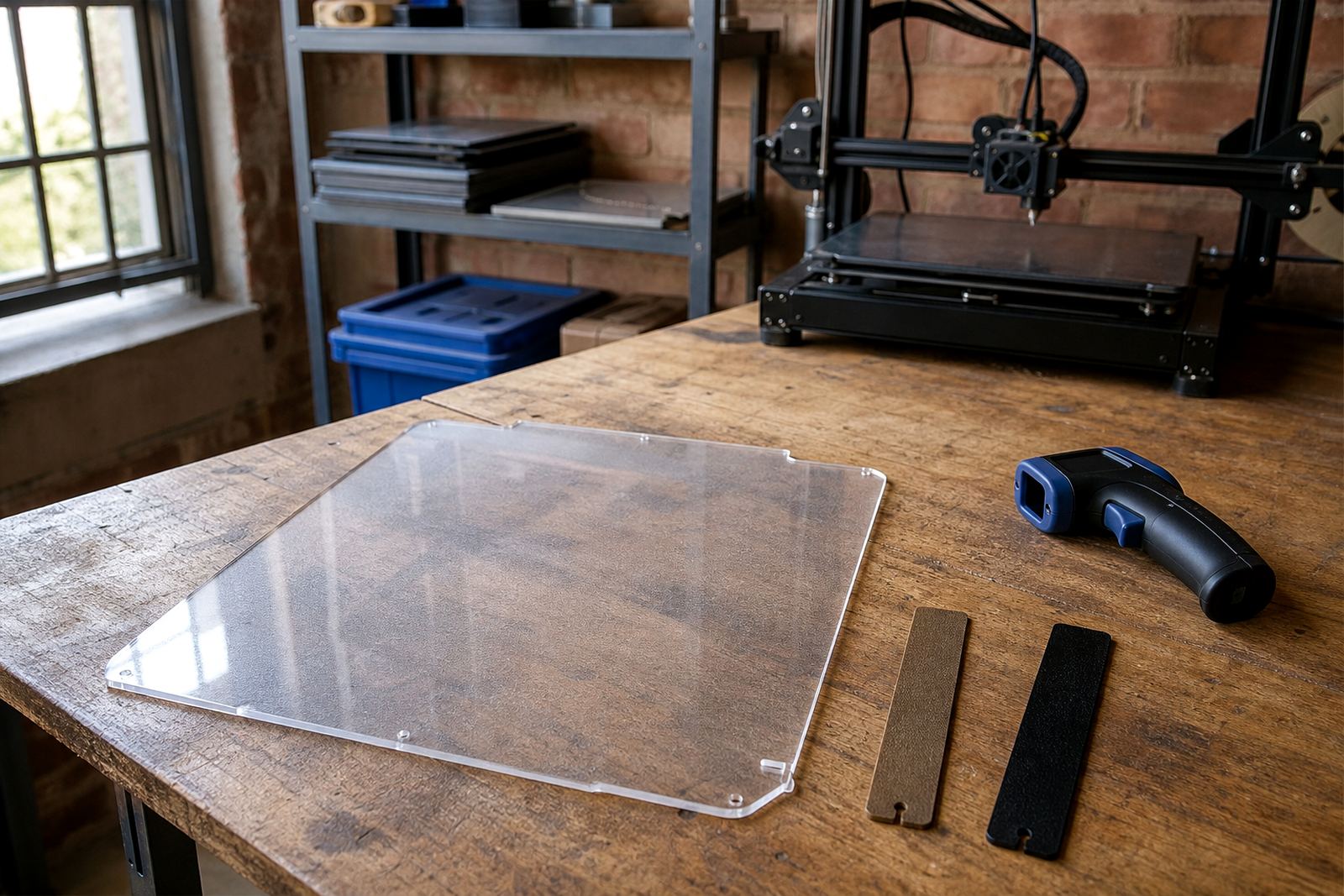
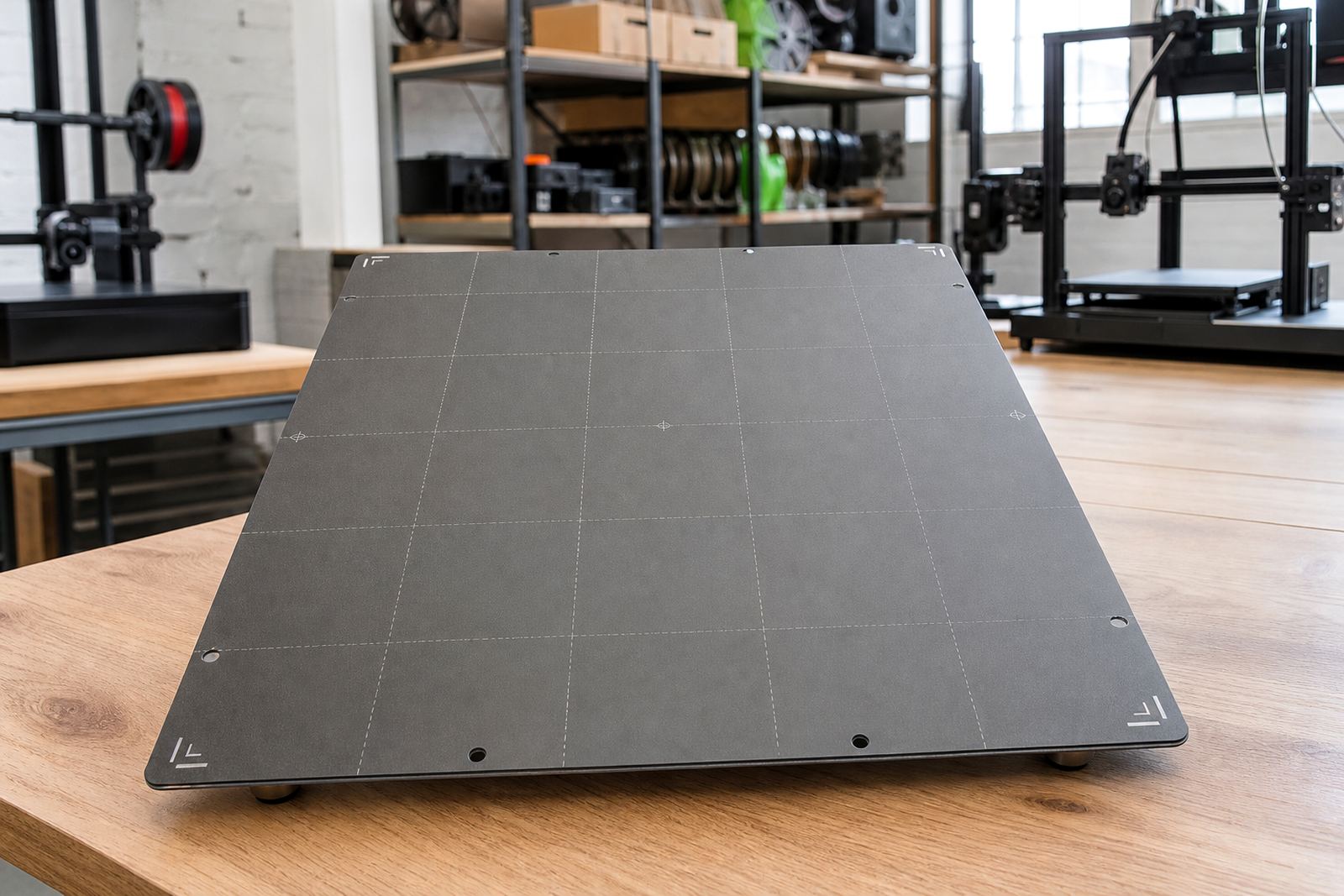
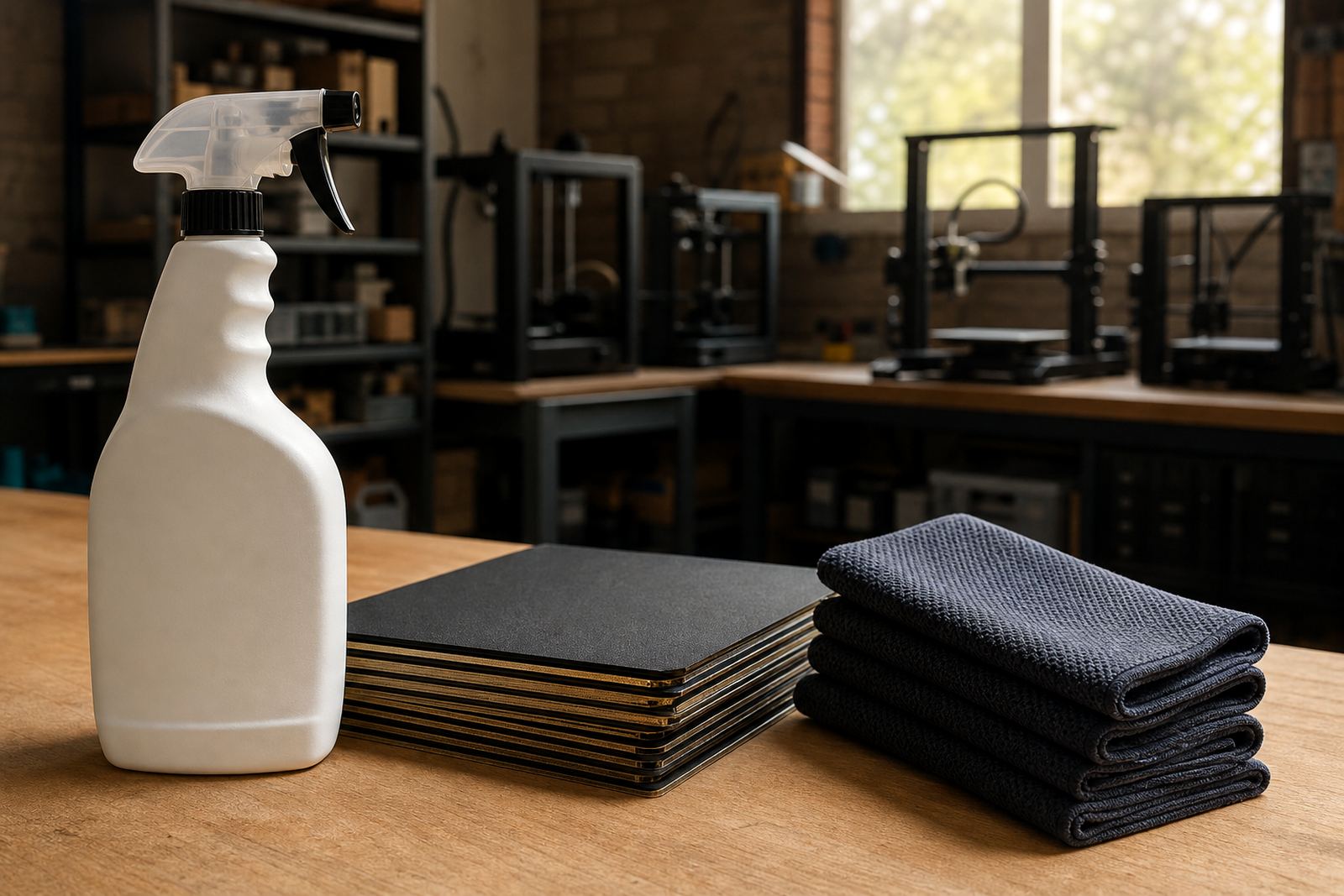
The 500ml Bed Cleaner is made for users who clean build plates often and need a bottle that lasts. It is suited to smooth plates, textured surfaces, PEI sheets and other common 3D printer bed finishes used in South African workshops, classrooms and production spaces.
For good adhesion, the bed must be free from skin oils, dust, filament residue and leftover release products. This cleaner is intended for routine surface prep before printing, after removing parts, and during scheduled maintenance. It is a sensible choice when several printers are running each day, or where learners and staff share machines and the beds need the same standard every time.
In Centurion, Pretoria and Johannesburg we often see users move from small trial bottles to the 500ml size once printing becomes a weekly or daily task. It reduces refilling and keeps the work area ready, even during load-shedding when print time is tight and every failed first layer costs material.
Sizes, use rate and what the 500ml bottle suits
The 500ml pack is the larger option for repeat use. It is best when you are cleaning multiple build plates, running a school lab, or keeping a print farm in order. If you only print now and then, a smaller bottle may be enough, but for high turnover spaces 500ml gives better value and less admin.
- 500ml bottle for regular cleaning and surface prep
- Suitable for workshops, schools, maker spaces and production rooms
- Useful where several operators use the same printers
- Helps keep spare plates ready for quick changeovers
- Better for planned maintenance stock than small top-up packs
The cleaner is typically used in small amounts, so one bottle can support many cycles when applied correctly. Wipe the bed clean, allow it to dry fully and then proceed with levelling or adhesion checks. If the surface is greasy or dusty, a second pass may be needed.
Where it fits in a South African print room
This product suits print rooms that have to keep moving, especially in Gauteng, the Western Cape, KwaZulu-Natal and the Free State where schools and offices often run mixed equipment. It is a practical fit for classrooms, tech clubs, fabrication labs, small batch production and service teams that need consistent first layers.
It also works well where coastal humidity affects adhesion, such as Cape Town and Durban, because wet air can leave beds feeling less consistent from one day to the next. A clean bed gives you a better starting point before you adjust temperatures, bed mesh or brim settings. In drier inland areas like Pretoria East and Bloemfontein, dust buildup can be the bigger issue, so regular cleaning still matters.
- Schools teaching 3D printing and design
- Print farms with daily bed changes
- Makerspaces with shared machines
- Engineering labs and prototyping rooms
- Small businesses running repeated part batches
Installation, setup and power or gas needs
The 500ml Bed Cleaner does not need installation in the way a machine accessory does. It is a hand-applied maintenance product, so there are no electrical, gas or plumbing requirements. You simply store it safely, apply it to the bed surface as directed, and keep the cap closed after use.
For best results, the printer should be switched off or at least left cool enough to handle the bed safely. Many users prefer to clean the surface before a print starts, or after the plate has cooled following a completed job. Keep the area ventilated and avoid using it near open flames or other ignition sources. In shared school spaces, make sure learners are shown the correct amount to use so they do not oversaturate the plate.
If you fit magnetic bases, replace plates regularly or move between different build surface types, the cleaner can be part of the handover process. That keeps the bed care routine consistent across the team and helps reduce print failures caused by handling marks or leftover residue.
Care, storage and servicing in busy environments
Store the bottle upright in a cool, dry place away from direct sun. In Gauteng workshops where temperatures can swing between cold mornings and hot afternoons, that kind of storage helps keep the product in good condition. Replace the cap firmly after use and avoid leaving the bottle open on a workbench where dust can settle into the nozzle or neck.
For busy print farms and school labs, it helps to create a simple cleaning routine. One operator can handle pre-print cleaning, another can check that each bed is fully dry, and a supervisor can review whether the bottle stock is lasting as expected. If you are servicing many printers, mark the bottle date and keep it with the rest of your consumables so it is easy to track.
- Keep away from direct heat and sunlight
- Close the cap after every use
- Do not mix with unknown cleaning liquids
- Use lint-free cloths or approved wipes
- Check that the surface is fully dry before printing
When the bed is kept clean, plate life usually improves because operators are not scrubbing away stubborn residue as often. That matters in schools and production spaces where every extra minute counts.
What to check before you order
Before ordering, confirm the type of build surface you are cleaning, how often the printer is used, and whether the bottle will be shared across several stations. A 500ml cleaner is ideal when you want to keep enough stock on hand without reordering too often. It is also a good fit if you run plate fitting, surface refresh work or bed flatness checks as part of your maintenance schedule.
Check whether your team needs a single bottle for a room, or a larger supply for several printers across different sites such as Centurion, Midrand, Pretoria East or Johannesburg. If you support a school lab or farm setup, it may help to pair the cleaner with a bed care training session so everyone follows the same cleaning method.
- Bed type: smooth, textured or PEI surface
- Use frequency: occasional, daily or high-volume
- Number of printers sharing the bottle
- Whether you need cleaning plus adhesion support
- Storage conditions and stock management needs
If you are unsure, tell us what printers you use and how often the beds are cleaned. We can help you choose the right quantity and plan a sensible consumables supply for your site.
Key facts
| Product | 500ml Bed Cleaner |
|---|---|
| Pack size | 500ml bottle |
| Use | Build plate and PEI surface cleaning |
| Suitability | Schools, labs, makers and print farms |
| Application | Manual wipe-on cleaning, then dry before printing |
| Power or gas needs | None |