
Built for wide beds and repeated plate changes
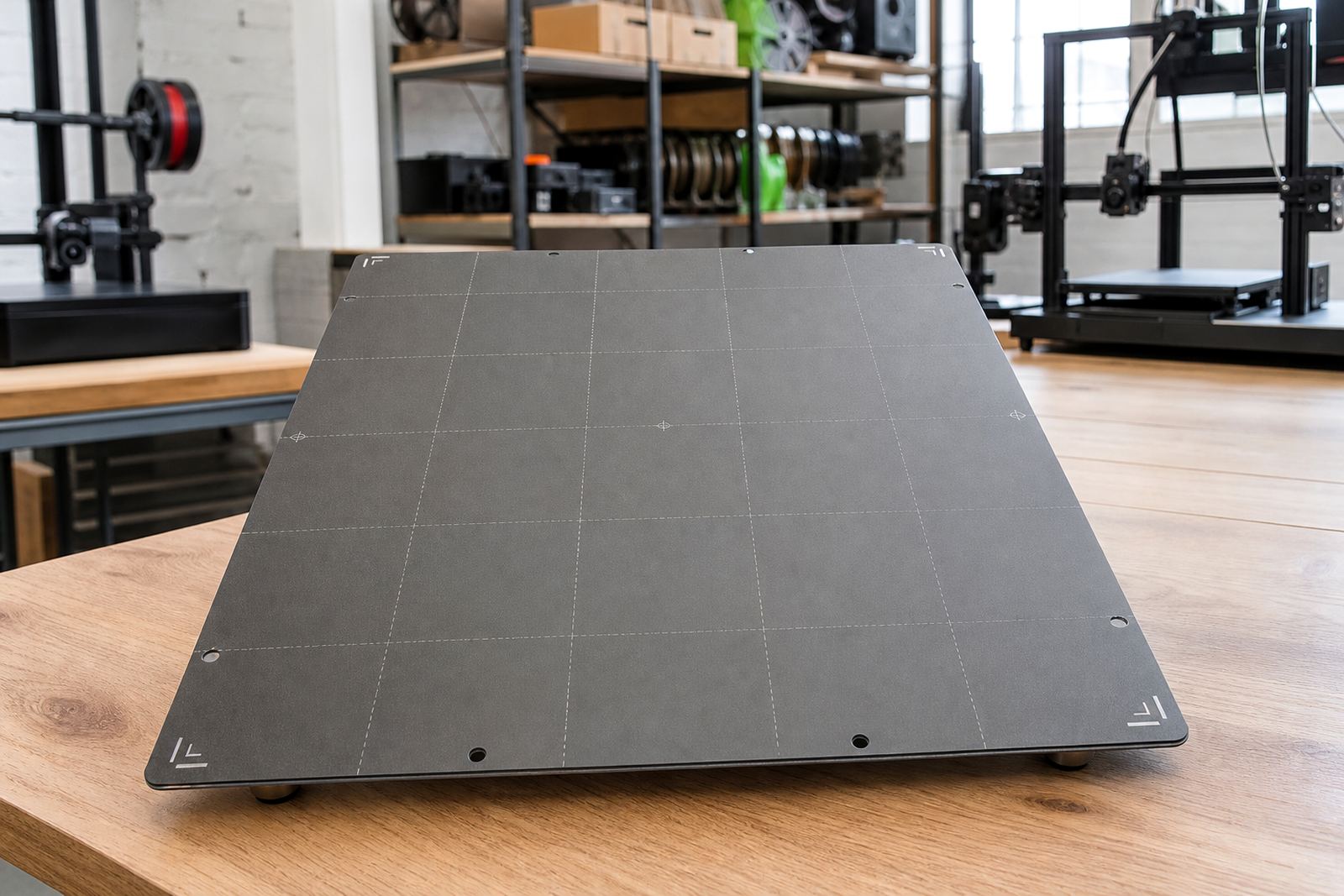
The 300 Magnetic Base is made for printers that use a broad build area and need a dependable mounting surface under a removable top plate. It is commonly used with spring steel build plates, giving you a simple way to swap between smooth, textured or specialised print surfaces without disturbing bed setup each time.
For users in Gauteng, the Western Cape and coastal cities where humidity can affect adhesion from week to week, a proper magnetic base helps keep the build surface seated evenly. It reduces the small shifts that can happen when plates are lifted off repeatedly, especially in busy environments where a machine may run many parts in a day.
This size is better suited to larger-format printers than compact hobby machines. It is a practical choice for schools teaching 3D printing, print farms handling short runs, and workshops that need less down time between jobs. The holding force is intended for normal print removal cycles, not rough handling, so the base should be fitted square and kept clean.
Size options and fitment details
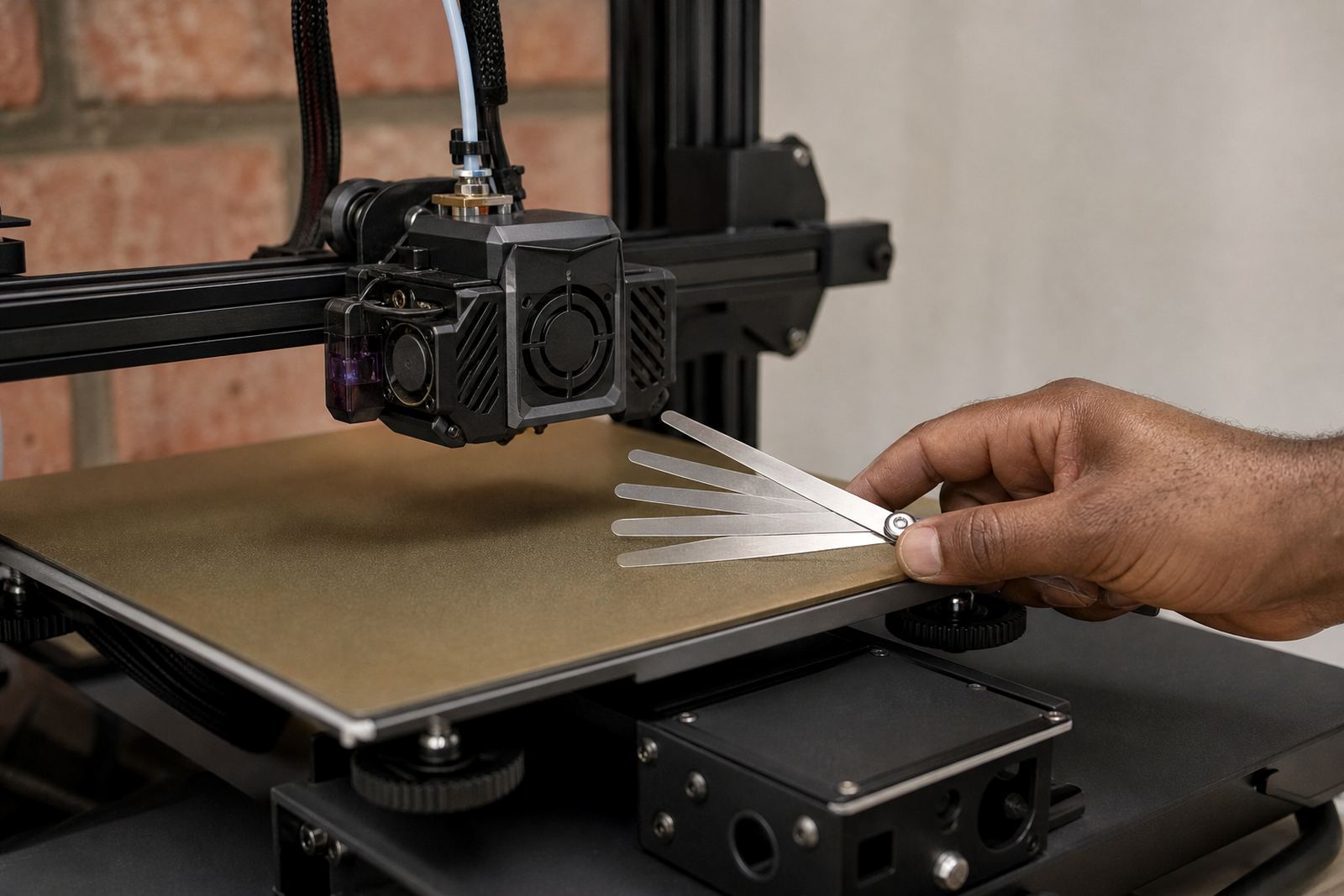
The 300 size refers to a wide-format magnetic base intended for beds around the 300 mm class, with the exact outer dimensions and cut profile depending on the machine and plate combination. We recommend checking the usable bed area, corner radius and any clips, screws or cable paths before ordering. A base that is even a few millimetres off can cause lifting at the edges or interfere with carriage travel.
Where needed, the base can be supplied as a standard full sheet or cut to suit a particular machine footprint. That is useful when a printer has a non-standard bed shape, a recessed plate area, or a bed heater with only partial flat contact. If you are fitting into a school lab or a mixed fleet, the same format can often be standardised across several machines so staff and learners use one clear setup.
When measuring, include the area the plate must cover, not only the visible heated zone. If the bed has mounting screws or a raised centre section, those details matter too. We see this often in workshops around Pretoria East and Midrand where users upgrade machines, then find the new plate size needs a custom trim to sit properly.
Where it suits best in day-to-day printing
The 300 Magnetic Base suits printers that are used often and need quick plate swaps between materials or part types. It is a strong fit for educational labs, maker spaces, small production rooms and service counters where the same machine may print test parts in the morning and larger batches later in the day.
It is also useful where multiple operators work on one machine. A magnetic base gives a repeatable mounting point, so the plate returns to the same position after cleaning or replacement. That matters when you are managing parts in Johannesburg, Cape Town or Durban and need the machine to behave the same way across several users and shifts.
For coastal areas, regular inspection is important because salty air can affect exposed metal surfaces and hardware over time. The magnetic layer itself does not need power or gas, only correct installation and a clean mating surface. In other words, it adds no extra load to the printer and no extra running cost. The main job is mechanical hold and consistent plate registration, not heat or feed support.
Installation and setup on the printer bed
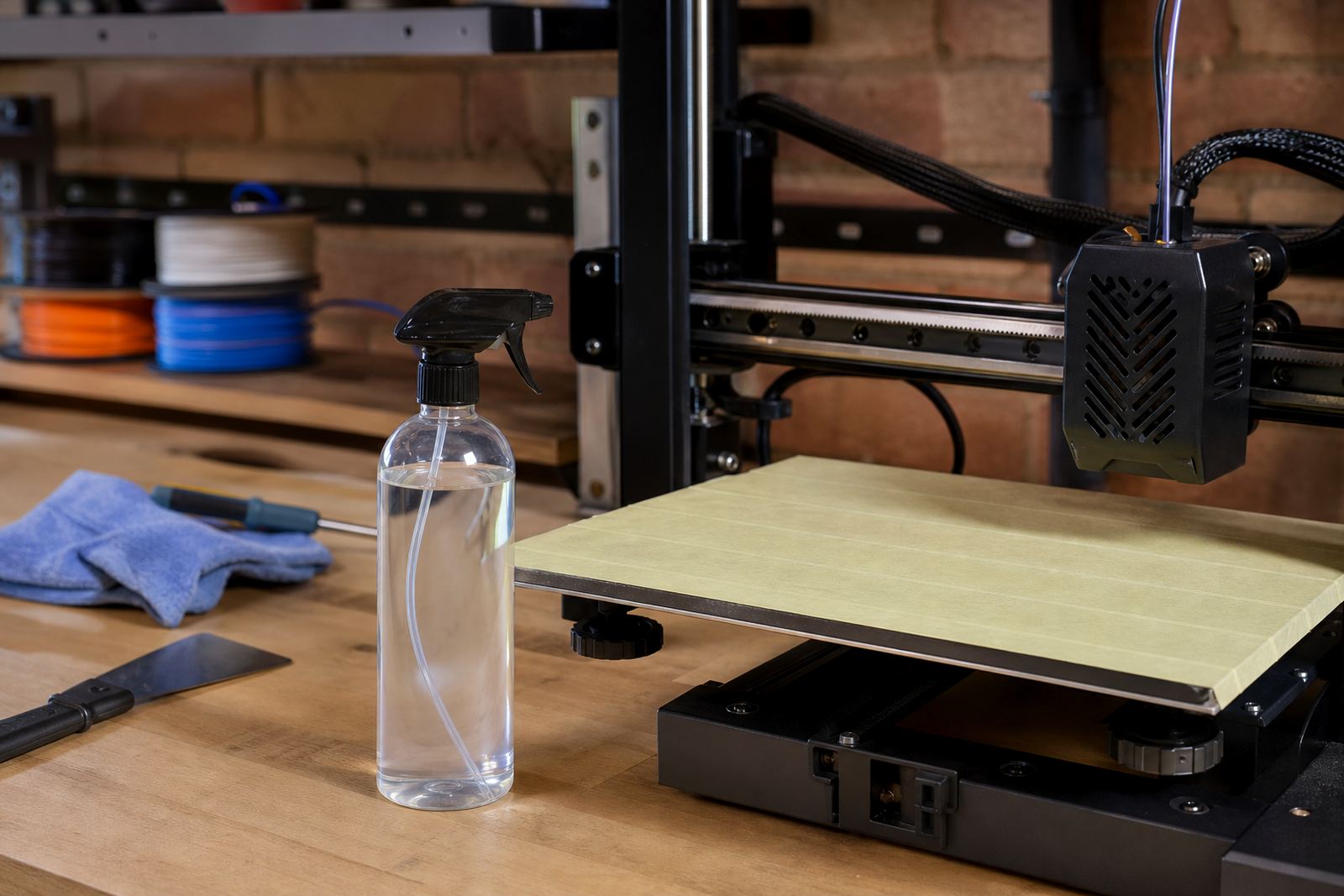
Installation should be done on a clean, level and fully prepared bed surface. Remove dust, grease and old adhesive before fitting the base, then check that the bed is flat enough for full contact. If the bed has a heater, the surface should be cool and dry before the adhesive layer is applied.
Once positioned, the base must be pressed down evenly from one side to the other to avoid trapped air. On larger beds, it is best to work slowly and use a clean roller or flat tool to keep pressure consistent. Leave the printer unused for the recommended curing time before running heated prints. This gives the adhesive proper bond and lowers the risk of edge lift later on.
No power connection or gas supply is required for the 300 Magnetic Base itself. It is a passive product, used only as part of the bed assembly. If you are fitting it alongside a heated bed, your printer’s normal electrical setup remains unchanged, but any existing bed wiring, thermistor leads or insulation must stay clear of the magnetic layer. If there is an issue with bed clips or a warped carrier plate, sort that out first, otherwise the base may not sit properly.
Care, servicing and replacement planning
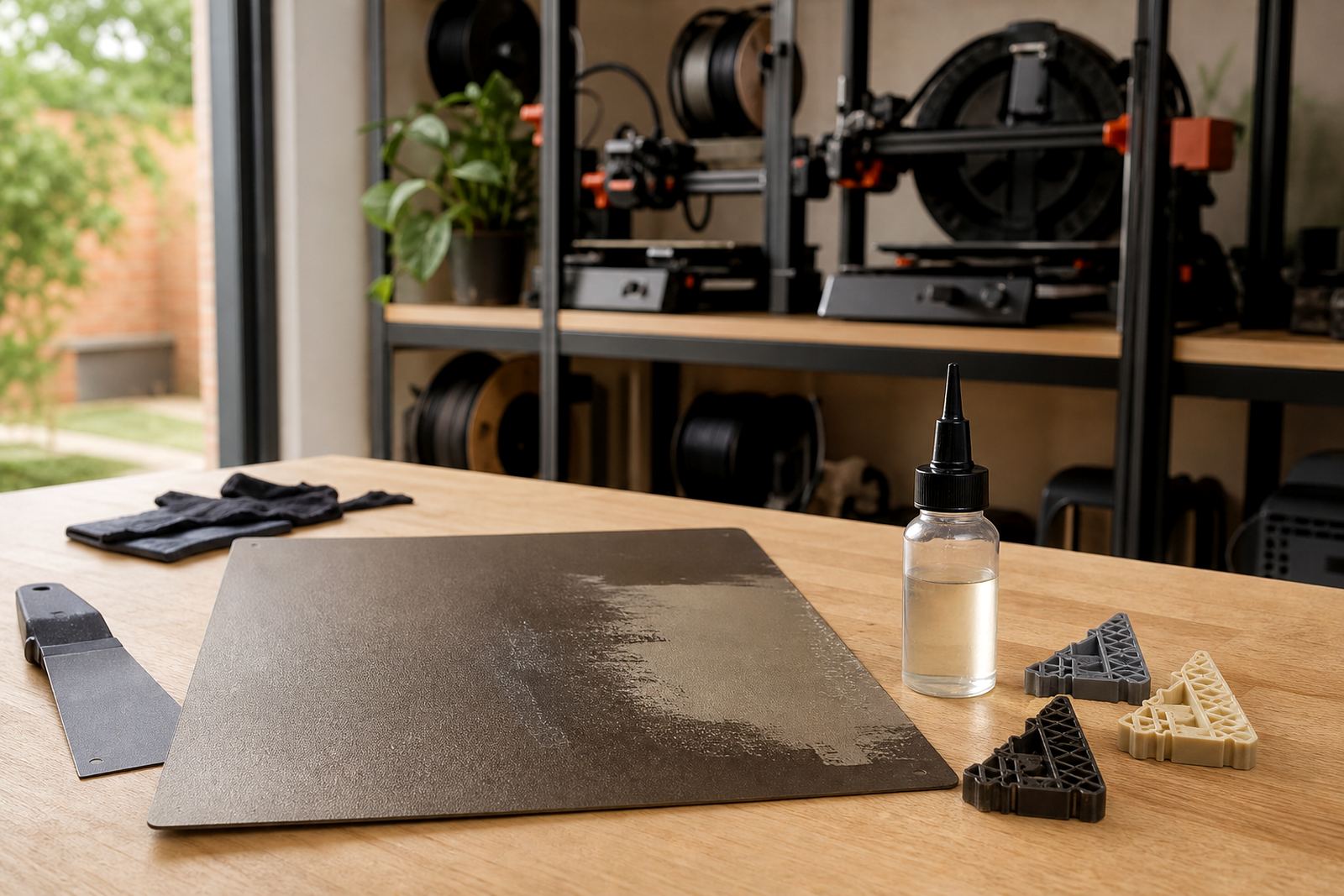
Once fitted, the magnetic base needs regular visual checks rather than complicated servicing. Look for bubbling, lifted corners, worn adhesive areas and any loss of grip when the top plate is removed. A base that stays clean and well aligned will usually give more reliable service, especially in a setting with daily print removal. Small bits of filament and dust build up quickly and can affect flat contact, so a quick wipe now and then saves trouble later.
Avoid scraping directly on the magnetic surface and do not use harsh solvents that may weaken the adhesive layer. If a printer runs in a school or shared workshop, it helps to include the base in a monthly maintenance list along with nozzle checks, bed cleaning and belt inspection. For farms, replacement planning is worth doing before the base is badly worn, because unexpected bed issues can stop a queue of jobs.
If the printer bed has changed shape due to heat cycles, or if the top plate no longer seats evenly, a fresh base may be the better option. We often advise customers to assess bed flatness at the same time, because a magnetic layer can only work well when the carrier surface is sound. If needed, a service team can check the fit and plan a replacement around your print schedule rather than waiting for failure.
What to confirm before you place an order
Before ordering the 300 Magnetic Base, check the printer model, bed size, top plate type and any special mounting features. If you are using several machines, confirm that each one has the same usable bed area. Mixed fleets can look similar, but the actual fit may differ by a few millimetres, which is enough to cause trouble.
It also helps to know whether you need a standard size or a custom cut. Schools often need repeatable sizes for several machines, while production teams may need a specific cut-out for clips or cable routes. If you are unsure, send the bed measurements and a clear note of the printer type through the enquiry form on our contact page and we can help you narrow it down.
For sites in Pretoria, Bloemfontein, Gqeberha and farther afield, it is worth thinking about delivery timing as well as fit. If the base is part of a machine repair or a school lab setup, schedule the change with enough time for cleaning, installation and curing. That avoids rushing the job and having to redo it later, which is never a good use of time or material.
Key facts
| Product name | 300 Magnetic Base |
|---|---|
| Use case | Wide 3D-printer beds and frequent plate removal |
| Compatible top plates | Spring steel build plates and related removable surfaces |
| Format | Large-bed magnetic sheet, standard or custom cut |
| Installation | Clean-bed adhesive fit, no power or gas needed |
| Care | Routine cleaning, edge checks and periodic replacement planning |