
What a bed insulation sheet does under the build plate
A bed insulation sheet is fitted below the heated bed or heater assembly to slow the loss of heat into the frame and surrounding air. By keeping more heat where it is needed, the printer can usually maintain a steadier bed temperature with less cycling. That can help with first layers, adhesion and repeatable results on materials that prefer a warm print surface.
For South African users this matters in more places than people expect. In winter, a workshop in Centurion, Pretoria East or Bloemfontein can start off cold in the morning. On the coast, humid air in Durban or Gqeberha can make bed temperature control feel less predictable. A proper insulation layer helps the machine work more efficiently without changing the printer’s settings dramatically.
It is not a replacement for good bed levelling or a clean surface, but it supports both. If the bed is losing less heat to the machine body, the temperature on the top surface is more even and that can reduce the small hot and cool spots that affect large parts.
Sizes, thicknesses and cut options for different printers
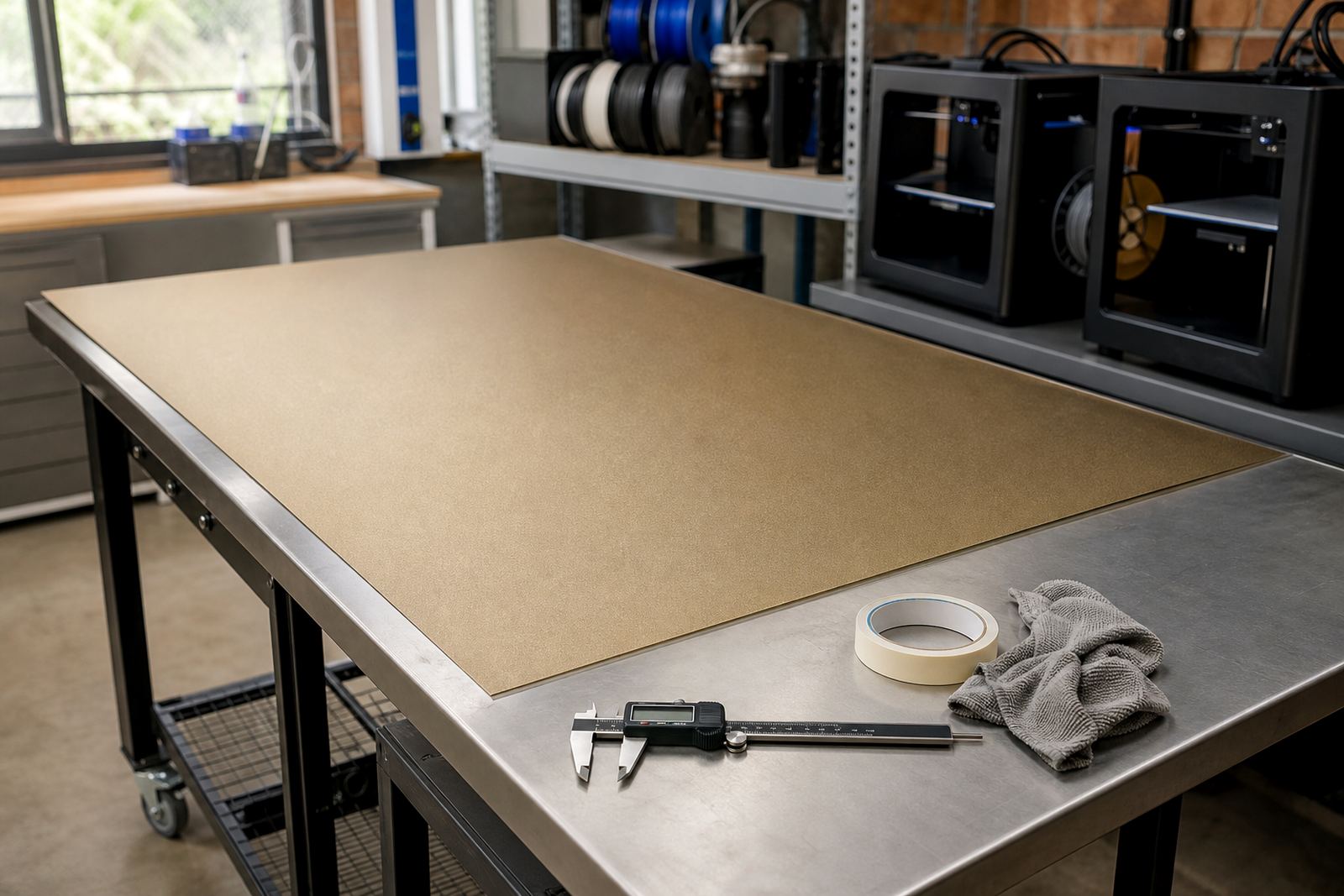
We supply bed insulation sheets for a range of common printer bed sizes and can cut to size where a machine has a non-standard carriage or frame. The sheet should cover the heated area neatly without fouling wiring, clips, magnets or motion parts. In most cases a neat fit matters more than a rough oversized sheet.
- Standard rectangular sheets for popular benchtop printer beds
- Custom size cutting for one-off machines and modified frames
- Different thickness options for light-duty and higher retention needs
- Sheets supplied for single machines, school labs and print farms
- Options that suit heated beds with magnetic bases underneath
For a small workshop, one correctly sized sheet is usually enough. For a print farm, it is often better to standardise the same thickness and cut pattern across all machines so maintenance, spares and bed calibration stay consistent. That reduces confusion during load-shedding recovery and after routine servicing.
Where it suits best in South African workshops and labs
This product suits any printer where bed stability matters and where the machine spends long hours heating and cooling between jobs. It is especially useful on printers running enclosed frames, large beds or repeated production batches. Schools and makerspaces also benefit because the printer spends less time waiting for the bed to come back to target temperature between classes or sessions.
It is a practical addition for:
- Hobby printers working from home offices or garages
- School labs where beds are used daily by different learners
- Print farms doing repeated parts in Pretoria, Johannesburg or Cape Town
- Small production teams that need more stable first-layer behaviour
- Machines in colder interiors or drafty rooms where heat loss is noticeable
In coastal areas, equipment care matters too. A bed insulation layer does not stop corrosion on its own, but it helps reduce the constant thermal strain on the machine. That can support longer service life when the printer is run often and cleaned properly.
Installation and power needs for a neat fit
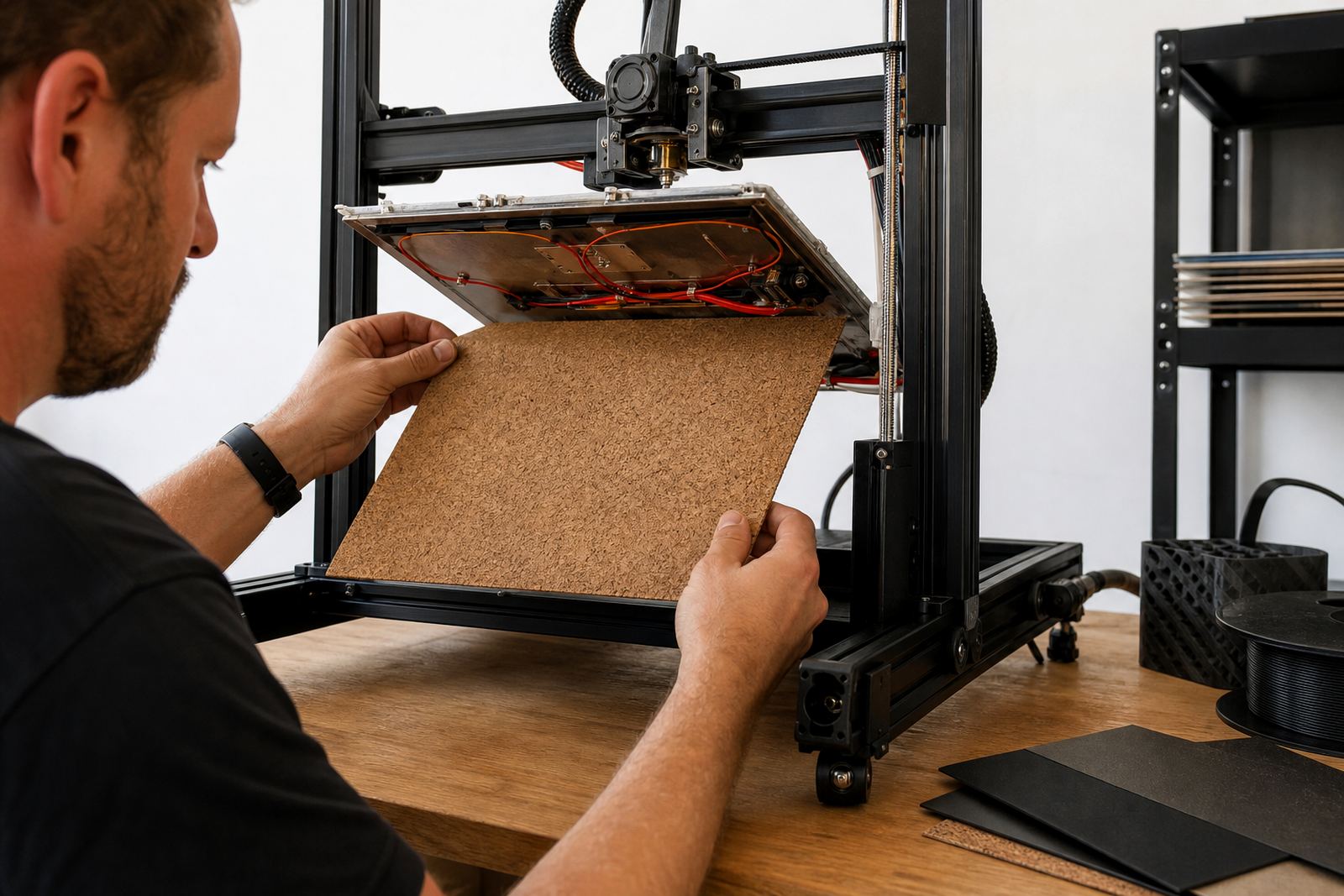
Bed insulation sheets are installed under the heated bed or on the underside of the bed assembly depending on the printer design. The fit must allow full movement of the carriage, free access to cable routing, and enough clearance for sensors, screws and magnets. If a machine uses an underside fan or cooling path, that must also be checked before fitting.
The sheet itself does not need power and does not change the printer’s electrical rating. What it can do is reduce the amount of time the heater needs to stay on to hold temperature. On many machines that means less cycling and in some cases a little less strain during longer jobs. It is still important to confirm the heater wattage, thermostat settings and any firmware temperature limits before use.
For sites dealing with load-shedding, faster recovery after power returns is useful. A printer that retains heat better can sometimes get back to work sooner, although the exact result depends on the machine, ambient temperature and the print material being used.
Care, servicing and replacement planning
A bed insulation sheet should be checked whenever the printer is opened for routine maintenance. Look for crushing, tearing, heat damage or oil contamination from lubricants and adhesives. A sheet that has been compressed or damaged may still sit in place but it will not perform as well.
Good care usually includes:
- Keeping the underside of the bed clean and dry
- Checking that screws and clips have not worn through the sheet
- Inspecting wiring clearance after any bed adjustment
- Replacing the sheet if it has started to break up or lose shape
- Reviewing it during bed flatness checks and plate service
For print farms, it helps to set a replacement interval based on use rather than waiting for failure. That makes stock planning easier and avoids downtime when one machine starts underperforming. School labs should also keep a spare on hand, because repeated handling by multiple users can speed up wear.
What to check before you place an order
Before ordering, measure the heated bed area and note the printer model, bed mounting style and any parts that sit under the bed. The most common mistake is ordering a sheet that is the right length but too thick for the available clearance. Another issue is cutting around cable chains or probe mounts after the fact, which can leave rough edges or poor coverage.
Please check the following:
- Bed length and width in millimetres
- Available underside clearance to frame and wiring
- Heater type and whether the bed uses magnets or clips
- Working temperature range for the printer and material
- Whether the printer needs a standard size or custom cut
- How many units are needed for a school, farm or workshop
If you are standardising several machines, send the same measurements for each one even if the printers are nominally identical. Small differences in mounting hardware can affect the fit. A careful check at the start saves time later and helps the bed insulation sheet do its job properly from the first installation.
Key facts
| Product type | Thermal insulation layer for heated 3D printer beds |
|---|---|
| Primary use | Reduces heat loss and helps maintain bed temperature |
| Typical fit | Under-bed installation for common benchtop and farm printers |
| Options | Standard sizes and custom size cutting |
| Material finish | Lightweight heat-resistant insulating sheet |
| Support use | Suitable for schools, makers and print farms |
| Maintenance | Inspect during routine bed and plate servicing |