
What a spring steel sheet does on a printer bed
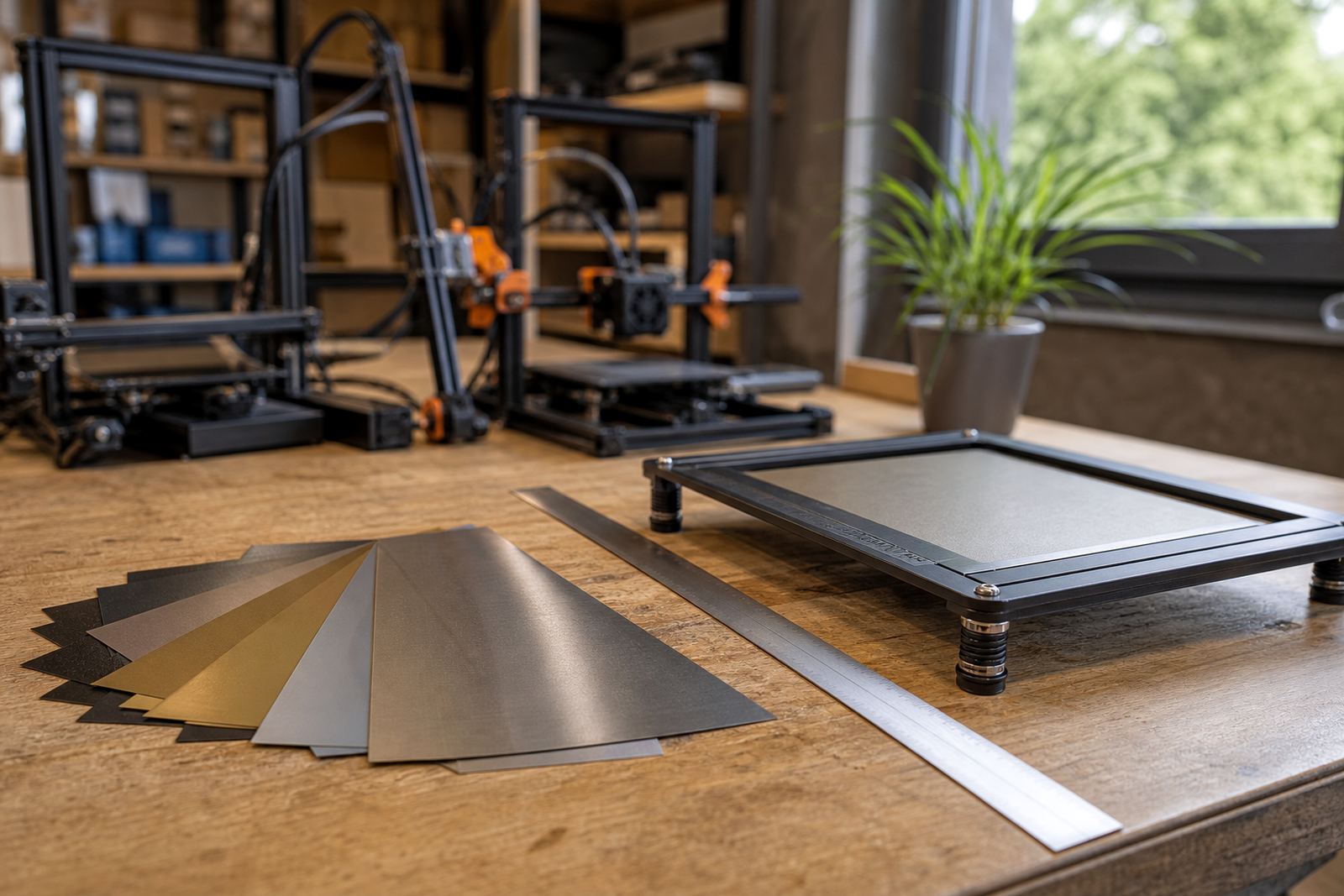
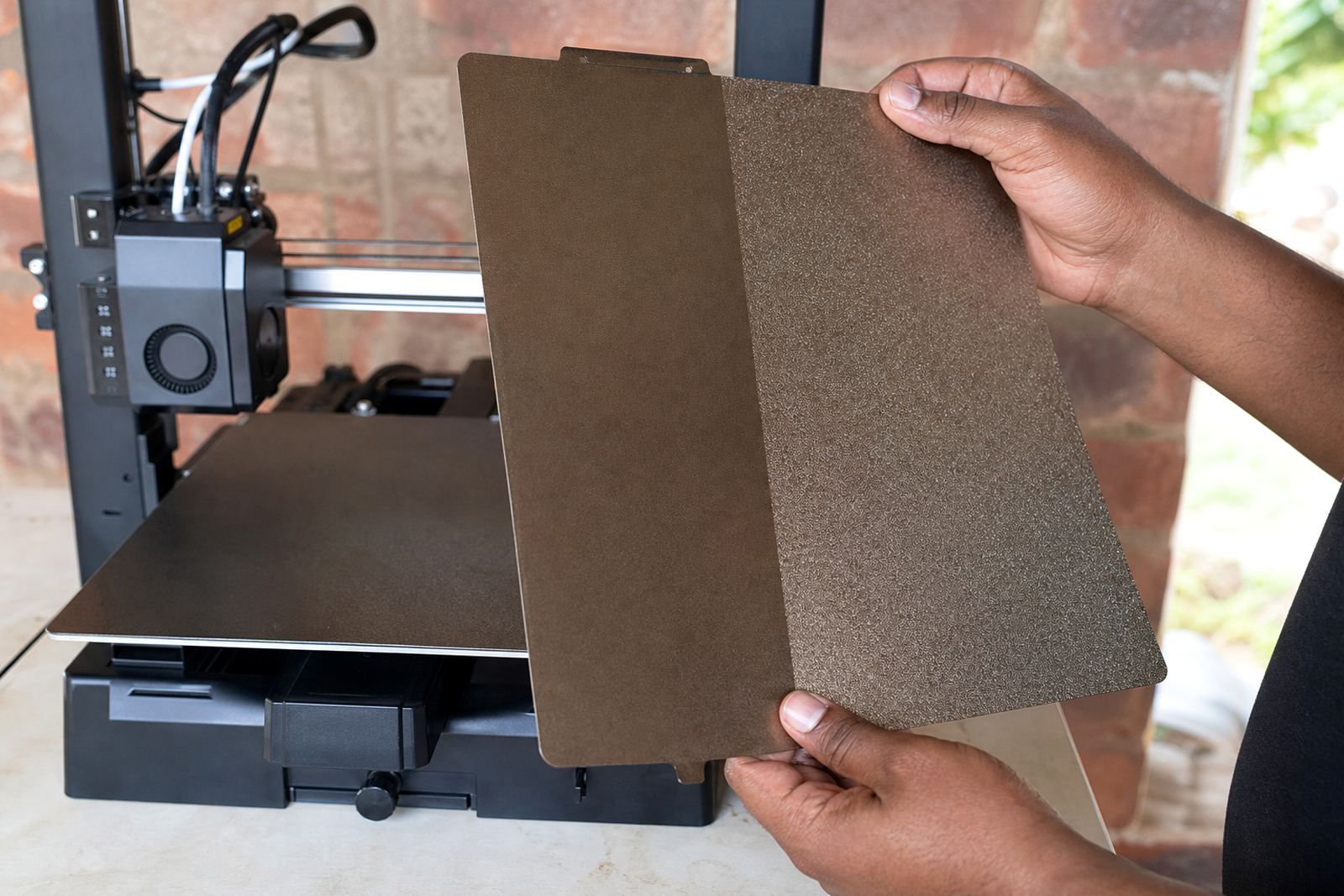
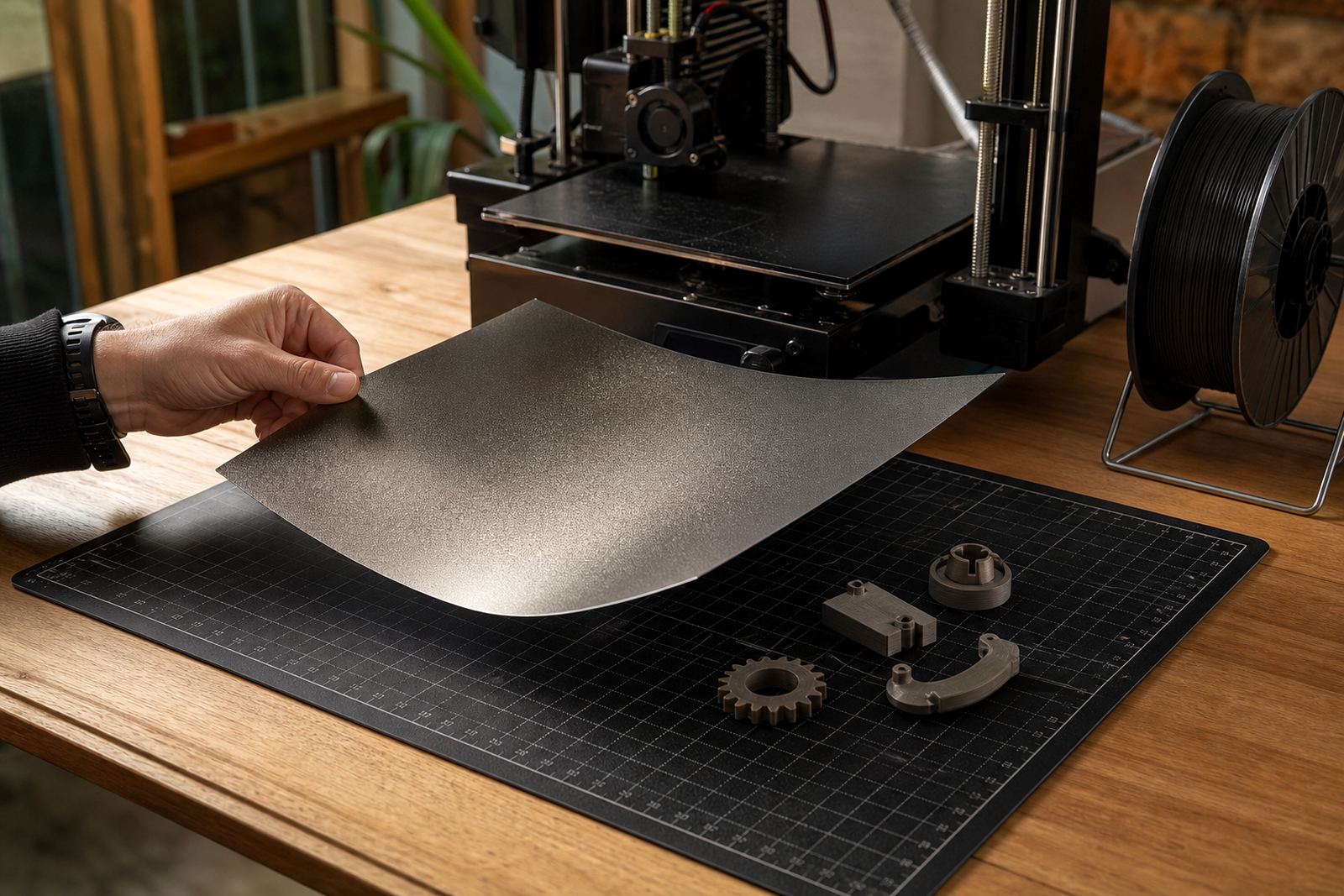
A spring steel sheet is the removable top surface that sits on a magnetic base or other compatible bed system. It stays flat while printing, then flexes slightly when you remove the sheet so parts release with less force. That makes it a practical choice for users who want cleaner handling, fewer scrapes on the bed, and better repeatability from one job to the next.
For South African users, this matters when you are running long jobs during load shedding, switching between materials, or keeping multiple machines moving in a workshop. The sheet gives you a consistent working face and helps reduce the damage that can happen when parts are prised off with tools. It also suits schools and shared labs where different users handle the same printer across the week.
- Flexible steel construction for easy part removal
- Works with magnetic bases on suitable beds
- Available with smooth or textured PEI surface options
- Suitable for single printers, classrooms and print farms
Sizes, finishes and fit options for local printers
LayerPad spring steel sheets are offered in common benchtop printer sizes and can be cut to match a machine or bed size where a standard sheet will not fit. The key is to measure the active print area and check the bed corners, clip positions and any probe offsets before ordering. A sheet that is too large can foul the frame, while one that is too small leaves poor support at the edges.
Finish choice depends on the finish you want on the first layer and how often you remove parts. A smooth PEI face usually gives a crisp underside, while textured surfaces can hide small marks and make release easier on certain materials. For busy print farms in Johannesburg or Cape Town, many operators keep the same finish across all machines so they can use one set of profiles and avoid confusion.
- Standard benchtop printer sizes for common beds
- Custom size cutting for non standard machines
- Smooth PEI for a cleaner underside finish
- Textured PEI for easier release and less visible wear
- Magnetic base matching where the bed needs one
Where a spring steel sheet works best
This product suits PLA, PETG, ABS and other common filaments when the bed surface and temperature are set correctly. It is useful for makers who print often, schools teaching first layer setup, and production teams that need repeatable handling between runs. It also helps where operators have mixed skill levels, because a flexible sheet is easier to remove and replace without bending clips or damaging a fixed plate.
In coastal areas such as Durban and Gqeberha, humidity can affect adhesion and storage, so a consistent bed surface and clean handling matter. In colder indoor spaces or workshops with drafts, a spring steel sheet can still perform well as long as the bed is level and the surface is cleaned before use. If you run several printers side by side, it also helps standardise one process across the room.
- Home workshops and maker spaces
- School labs and training rooms
- Small businesses and print farms
- Spare beds for machines that run daily
Installation needs, power use and machine checks
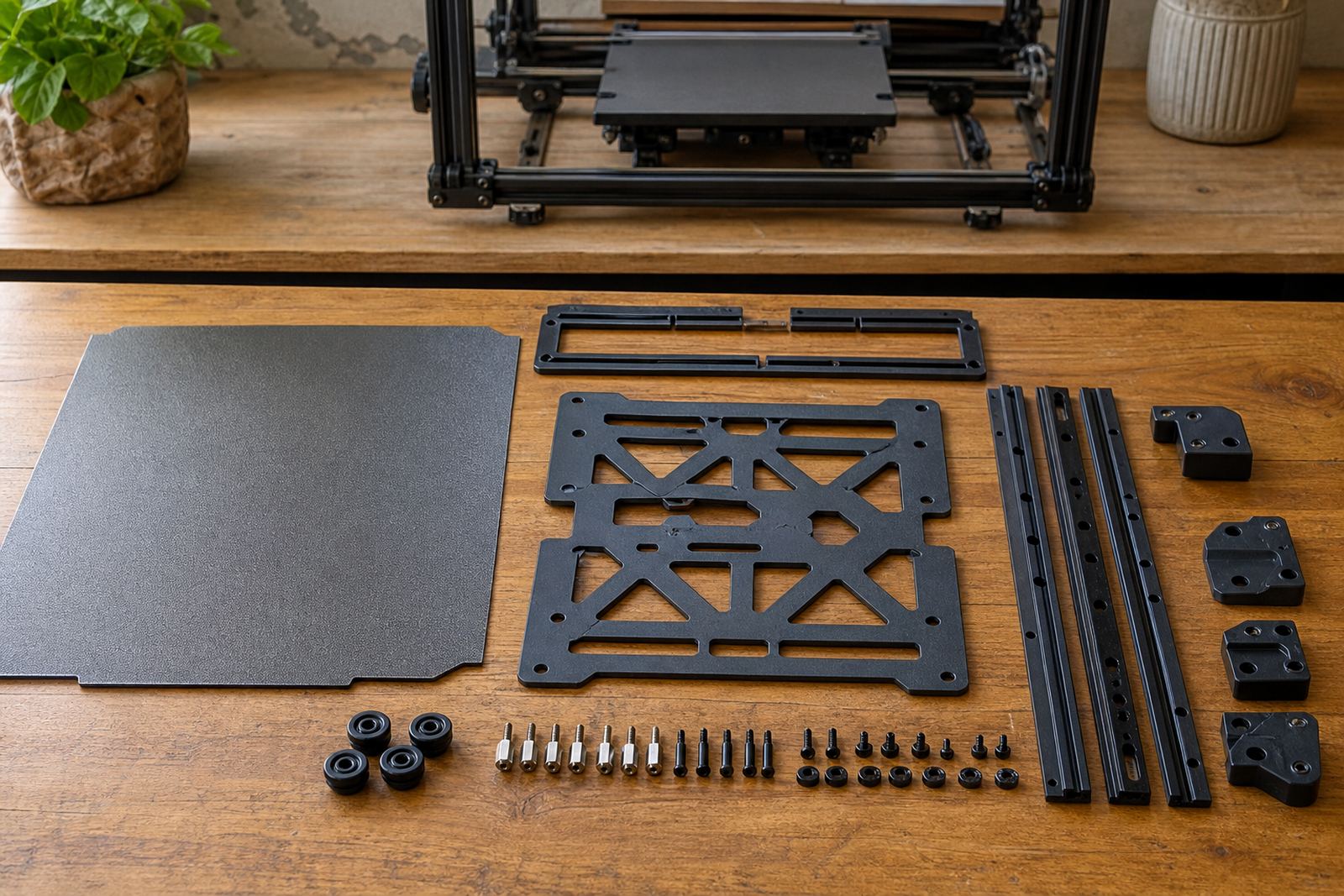
A spring steel sheet itself does not draw power or use gas. It is a mechanical part, so your printer’s normal bed heating and motion systems do the work. Installation is usually straightforward, but the bed must be prepared properly: clean the base, fit the magnetic layer if needed, and make sure the sheet sits flat without lift at the edges.
Before fitting, check whether your printer has a removable plate system already or whether you need a magnetic base added first. Also confirm the probe location, bed clips, nozzle height and any auto levelling sensors, because these can change how the first layer lands. A few millimetres of error can mean poor grip or a nozzle catching the surface.
- No electrical wiring required for the sheet itself
- No gas supply required
- Needs a clean, flat bed surface before fitting
- May need a compatible magnetic base on fixed beds
- First layer calibration should be checked after installation
Care, cleaning and long term servicing
Keep the sheet free from dust, grease and old adhesive residue. A light wipe with a suitable cleaner is usually enough for regular maintenance, but avoid harsh scraping or coarse pads that can mark the PEI face. If the surface starts to lose grip, first check whether it is dirty before assuming it is worn out. Many print failures come from fingerprints or leftover release agents, not from the sheet itself.
For better service life, handle the sheet by the edges and store it flat when not in use. Do not bend it sharply or use it as a tool for levering parts off the bed. If your printers run every day, plan a simple rotation system so one sheet can cool while another goes back into service. That is useful in production rooms where there is no time to wait between jobs.
- Clean the surface regularly, especially after PETG or adhesive use
- Store flat and keep away from grit and metal swarf
- Rotate sheets in high volume environments
- Replace when the working face is badly worn or no longer grips well
What to check when ordering the right sheet
When you send an enquiry, include the printer model, bed size, whether you already have a magnetic base, and what kind of finish you want. If you are not sure, measure the usable bed area and note any corner clips, raised edges or sensor positions. If your printer is used in a school or farm, it helps to list how many machines need the same setup so we can match the sheets across the fleet.
Also confirm whether you want a direct replacement, a custom cut sheet, or a full bed refresh with installation support. For Durban and coastal sites, we often see users asking for help after a surface has been contaminated by moisture or repeated handling, so it is worth mentioning your storage conditions too. A few details up front can save time and get the fit right first go.
- Printer make and model
- Bed size and usable print area
- Magnetic base required or already fitted
- Preferred surface finish
- Number of machines and whether they should match
- Any special fit issues, clips or probe offsets
Key facts
| Material | Spring steel base with PEI working surface |
|---|---|
| Surface options | Smooth PEI or textured PEI |
| Compatibility | Suitable for printers with a matching magnetic base or compatible bed system |
| Use case | Part removal, repeatable handling, school labs, print farms and maker setups |
| Installation | Manual fit, bed clean-up, level check and first layer recalibration |
| Care | Wipe clean, store flat, avoid sharp scraping and heavy bending |