
What a Garolite sheet is and why it behaves differently
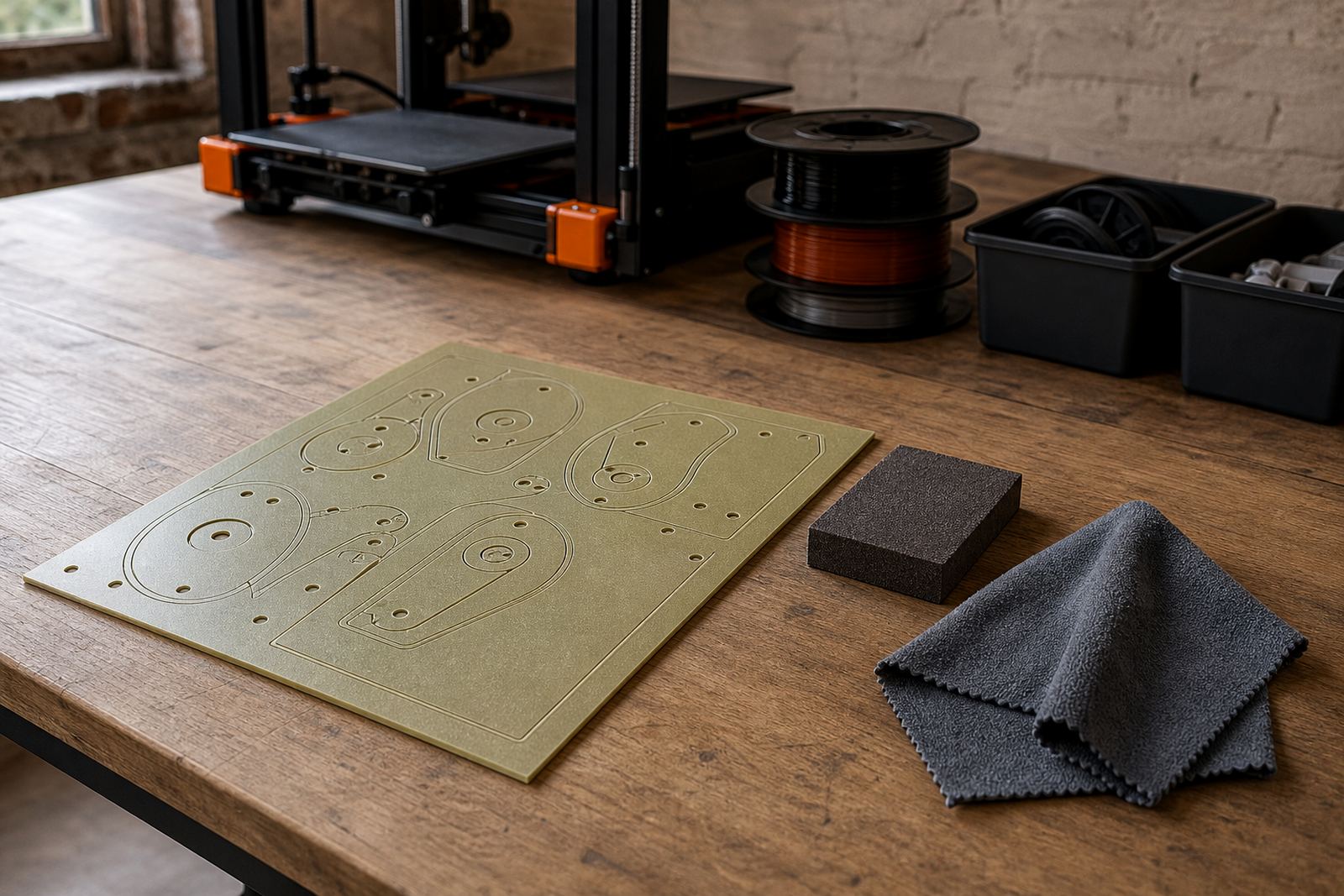
Garolite is a fibre-reinforced sheet used as a build surface when you want a controlled grip rather than a highly glossy or very sticky finish. It is commonly chosen for engineering-grade filaments and for users who want a surface that can be tuned with temperature, cleaning and light scuffing.
In day-to-day printing, that means a different first-layer feel to glass, PEI or textured coatings. It is useful when a job needs steadier part release after cooling, or when the material prefers a more matte contact face. For schools, prototyping rooms and small production setups in Centurion, Johannesburg and Cape Town, it can help reduce trial-and-error on difficult prints.
Because build surfaces wear differently depending on the filament, bed temperature and cleaning routine, Garolite is best treated as a working surface rather than a fit-and-forget part. A little attention goes a long way, and that is usually what makers want when a printer is running before load-shedding hits or over a busy weekend batch.
Where Garolite sheets suit best
This surface suits users printing with materials that want a firmer hold and a predictable release cycle. It is often considered for technical parts, jigs, fixtures and functional components where first-layer consistency matters more than a shiny underside.
- Technical filaments that need a different grip profile
- School labs teaching material behaviour and bed prep
- Print farms looking for repeatable settings across machines
- Workshops producing short runs of parts and prototypes
- Users in humid coastal areas who want a surface they can clean and reset quickly
It is also a practical option for teams that standardise their machines across sites in Pretoria East, Midrand, Durban and Gqeberha. The surface choice becomes easier to manage when the same sheet type is used on multiple beds with the same temperature range and prep routine.
Sizes, thickness and fitting options
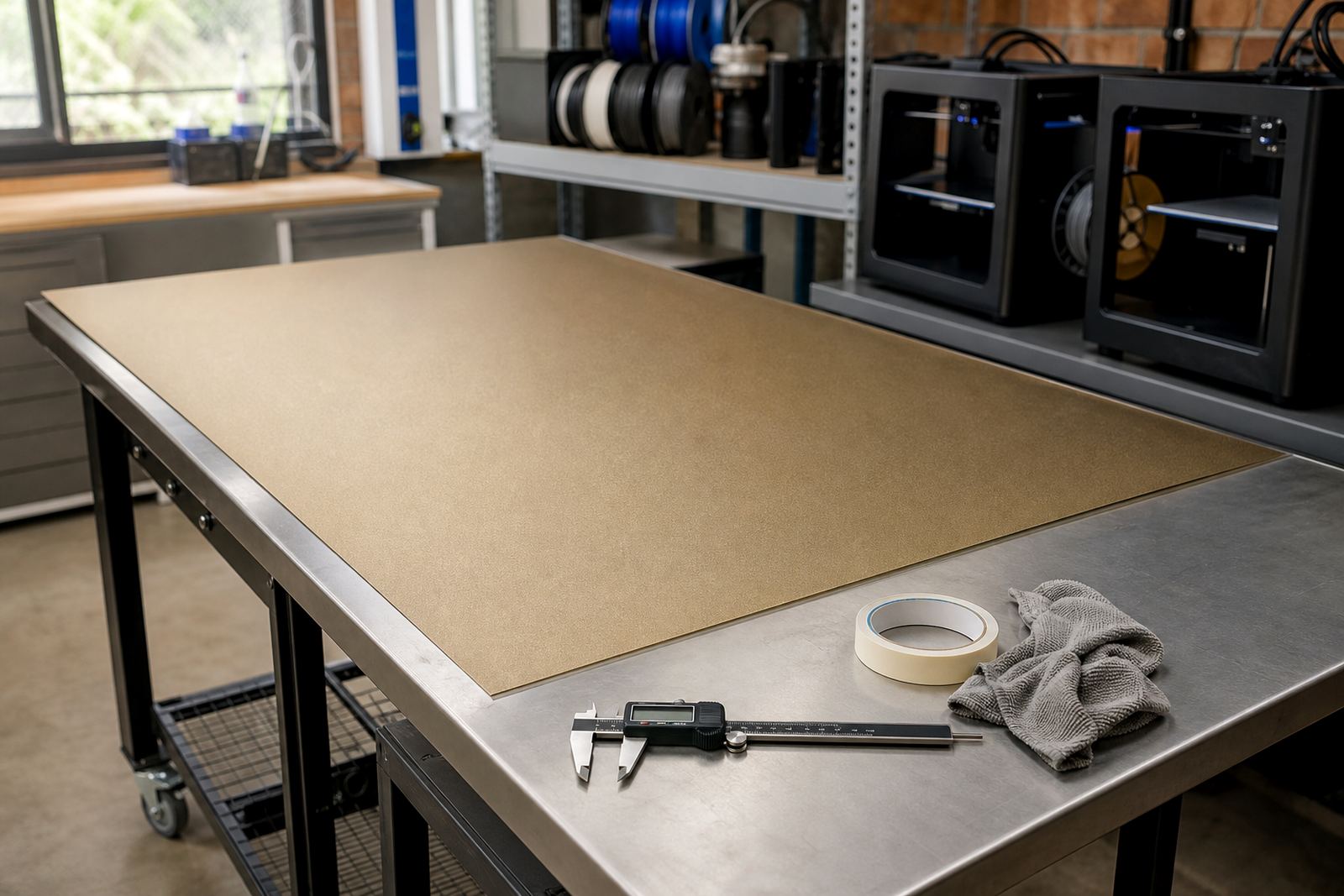
Garolite sheets can be supplied in a range of common bed sizes, with custom cutting available for unusual frames and larger machine beds. Typical thickness depends on the machine setup and the mounting method, but the sheet needs to sit flat and stay stable across the full print area.
- Common bed formats for small and medium printers
- Custom size cutting for non-standard platforms
- Options for rigid mounting or removable fitting
- Suitable for use with a flat metal base or plate system
When supplied for a fleet, matching sheet dimensions across printers can make setup simpler for schools and production rooms. It also helps when replacement planning is done in batches, instead of one machine at a time. That keeps spares easier to manage, especially where supply lead times need to be watched.
For best results, the sheet should cover the active bed area neatly without overhangs or bowing. If your printer uses a magnetic base or a removable plate system, the fit needs to be checked before fitting so the sheet does not shift during long prints.
Installation and setup on the printer bed
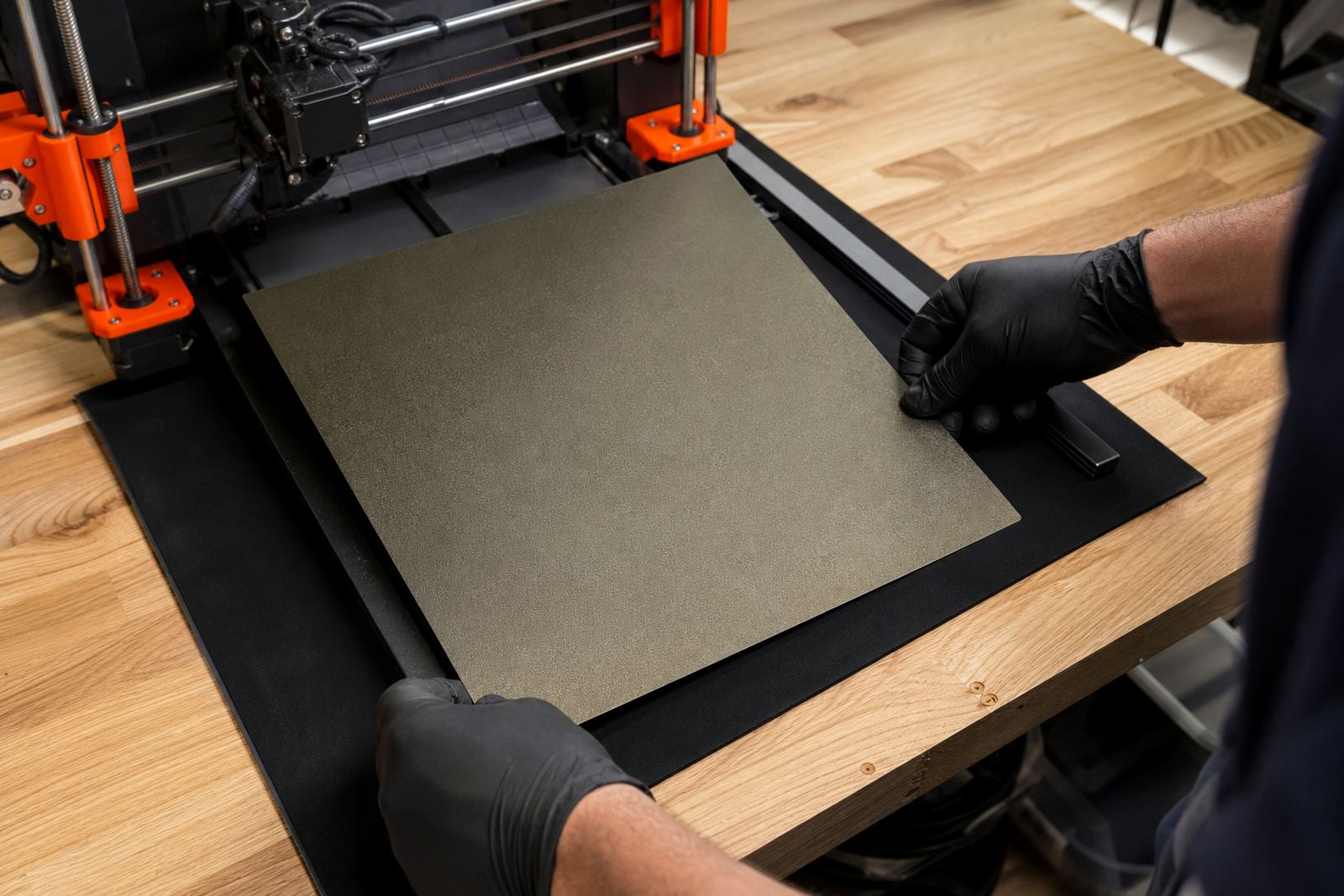
Installation is straightforward, but bed prep matters. The base surface should be clean, level and free of dust, glue residue and old adhesive patches before fitting. If the printer uses clips, tape or a magnetic backing, the fixing method should match the bed type and the heat used during printing.
Garolite does not need electricity or gas on its own. It simply works as the build surface once the printer is powered and the bed is set to the right temperature. For users in areas affected by rolling outages, that means less time lost to complicated setup and more time spent on the actual print plan.
- Check bed flatness before installation
- Clean the base with a suitable non-oily cleaner
- Set the sheet flush and square to the frame
- Run a first-layer test before full production
- Confirm nozzle height after any surface change
If the machine has a removable bed, keep the fitting repeatable so the sheet returns to the same position after removal. That makes it easier to use across schools, makerspaces and print farms where different operators may handle the same printer.
Care, cleaning and surface refresh
Garolite needs sensible care rather than heavy maintenance. Avoid harsh scraping, strong solvents and aggressive sanding unless the surface has been assessed and the change is intentional. Routine cleaning is usually enough to keep grip stable for most users.
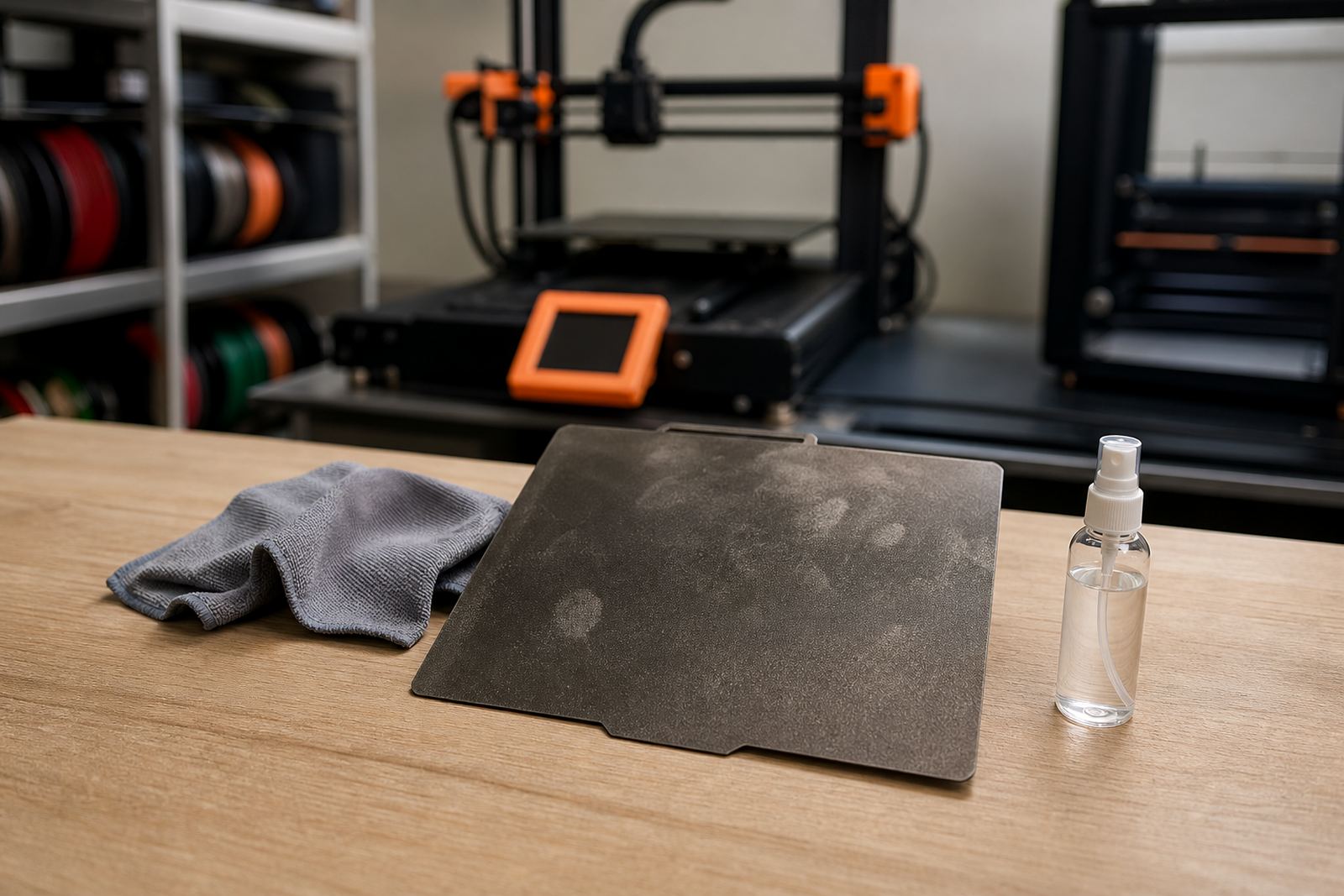
Dust, skin oils and filament residue can all affect adhesion, so a quick wipe before a run is worth doing. In humid coastal conditions, it is smart to store spare sheets flat in a dry place and keep them away from damp floors, direct sun and unnecessary heat. A sheet that has been mistreated can warp a little, or it can start to show uneven wear in the middle of the bed.
- Wipe with a clean lint-free cloth
- Remove residue after prints cool fully
- Avoid soaking the sheet in liquid
- Store flat to protect edge condition
- Review the surface if first-layer grip changes
Where the surface has become worn, a replacement or refresh plan is usually better than forcing the printer to compensate with bad settings. That saves time and helps maintain consistent output across batches.
What to check before ordering your sheet
Before ordering, confirm your printer bed size, mounting method and the materials you print most often. If the sheet is being used for a fleet or for school labs, it is worth checking whether every machine follows the same dimensions and whether the operators use the same temperature profile.
It also helps to note whether the bed is perfectly flat, slightly bowed or fitted with a magnetic system. Those details affect how the sheet should be cut and installed. If the machine already uses a surface for other filament types, plan how the Garolite sheet will fit into the print schedule so there is no confusion at changeover.
For larger orders, we also suggest checking replacement planning, label marking and any training needs for the team handling the beds. A small amount of planning now can prevent wrong-size cuts and wasted time later, which is always useful when a print farm is trying to keep jobs moving.
Key facts
| Material | Fibre-reinforced sheet for printer bed use |
|---|---|
| Common use | Build surface for technical materials and controlled release |
| Fitting | Flat mounting, with custom cutting available |
| Sizes | Standard formats and made-to-size options |
| Care | Clean wipe-down, dry storage, light surface maintenance |
| Typical users | Makers, schools, labs, workshops and print farms |