
A simple glass surface for consistent first layers
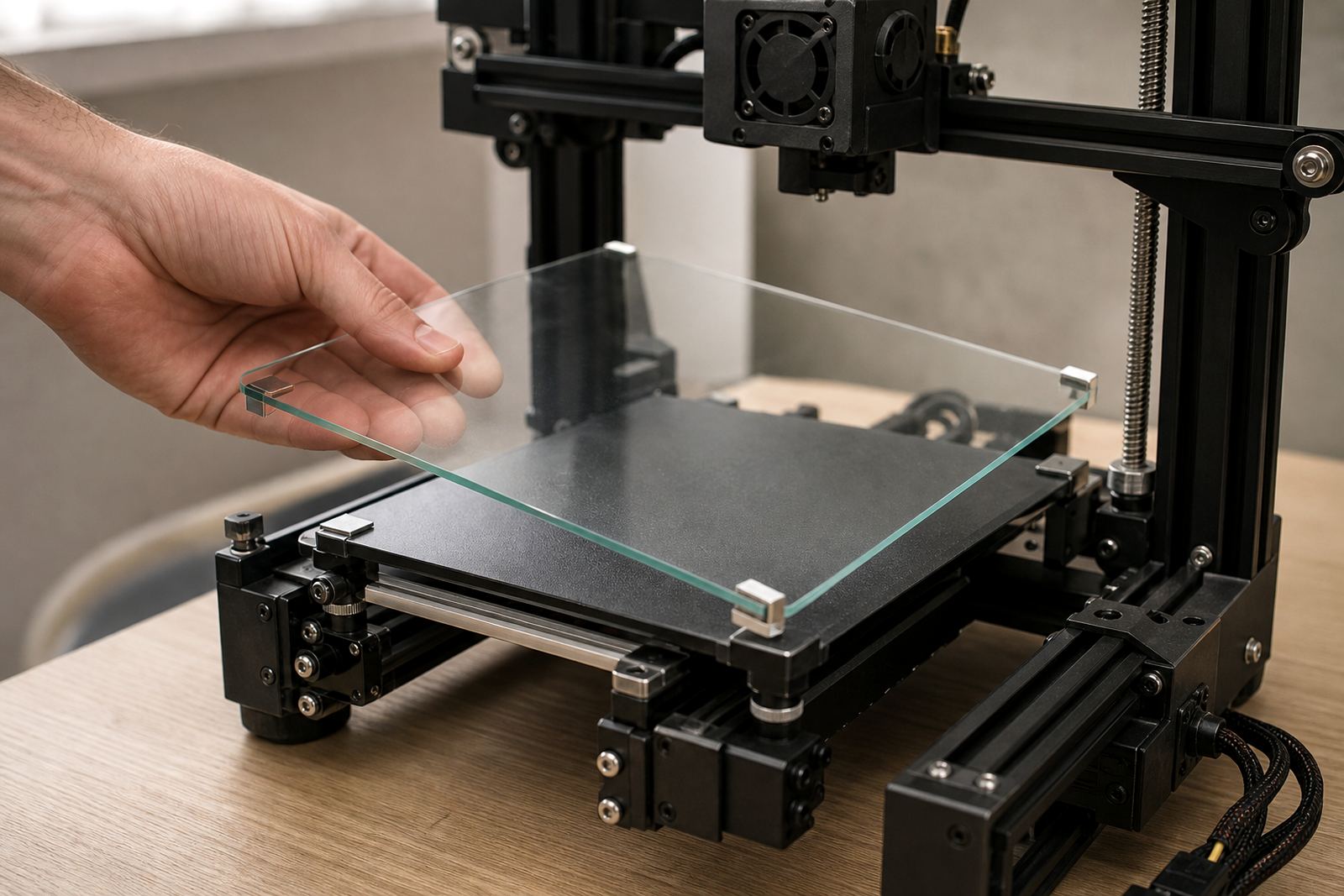
The 235 Glass Bed is a flat print surface made for standard 235 mm class machines, giving you a smooth platform for parts that need a clean underside and a predictable start to the print. Glass beds are often chosen when a user wants less surface wear over time and a routine that is easy to manage with basic cleaning between jobs.
For South African users, this type of bed works well in home workshops, classrooms and small print farms where staff or learners may rotate between machines. It is also a practical choice where you want one less variable in the setup, especially when you are printing the same parts again and again. If your current surface is scratched, uneven or hard to keep clean, a glass bed can make the machine easier to live with.
- Flat print surface for general purpose FDM printing
- Suitable for PLA, PETG and similar common materials when paired with the right prep
- Easy to wipe down after printing and before the next job
- Useful when you want a smooth bottom face on the part
Sizes and fit for 235 class printers
This bed is intended for machines with a build area around 235 x 235 mm. That makes it a good match for a wide range of benchtop printers used in Gauteng, the Western Cape and KwaZulu-Natal, especially where owners need a replacement surface without changing the whole setup. Always check the actual usable bed area on your machine, because the printed frame size and the heated area are not always the same.
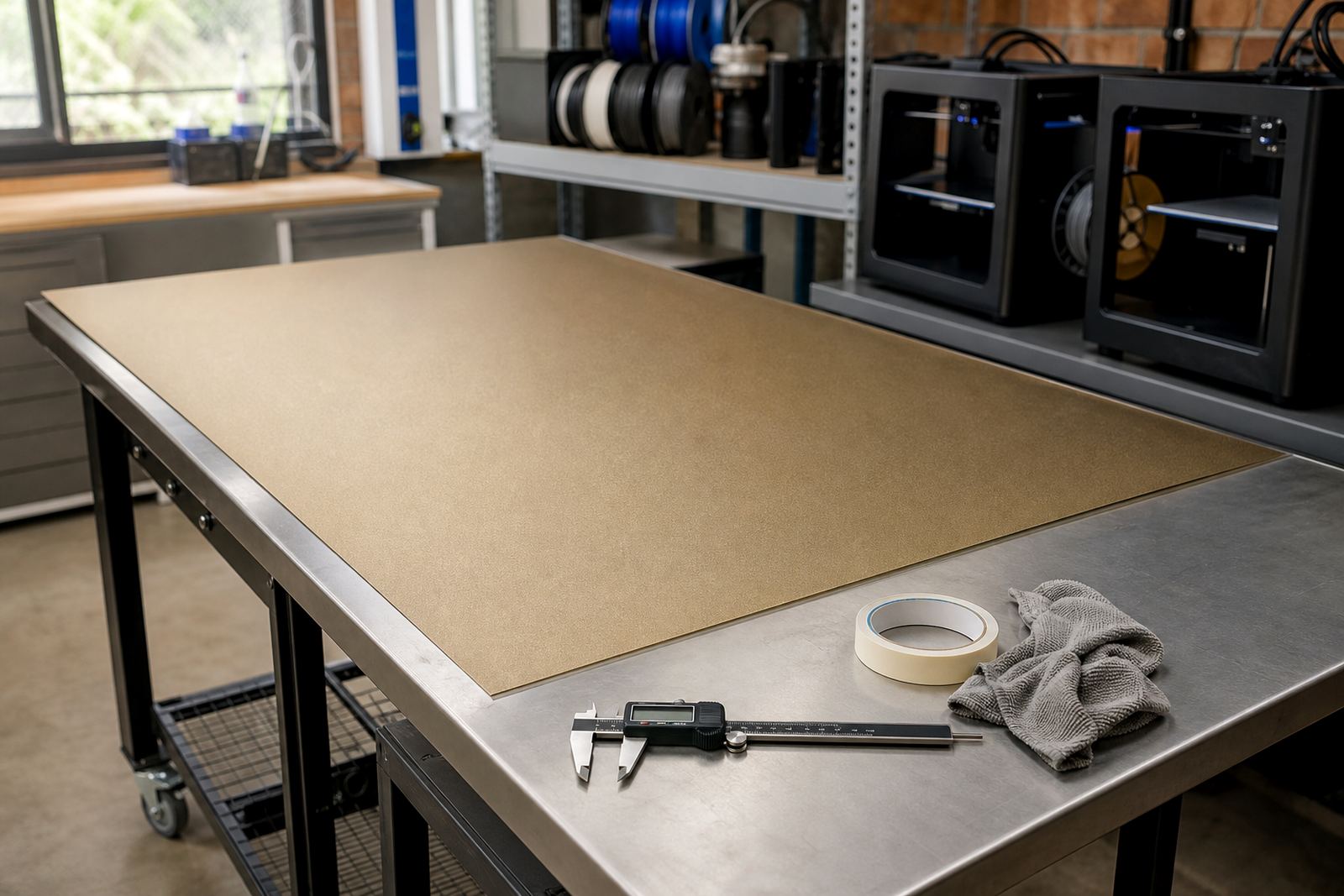
When ordering, measure the full plate length and width, the fixing points, and the usable print area. If your printer uses clips, magnets or a carrier plate, make sure the glass thickness and edge clearance suit that arrangement. A few millimetres can matter when the gantry homes close to the surface or when the bed travels under cable guides.
- Nominal size: 235 x 235 mm
- Check actual heated area before ordering
- Confirm clip position, magnetic carrier or screw spacing
- Allow for nozzle travel and endstop clearance
Where this bed makes the most sense
The 235 Glass Bed suits users who print everyday parts rather than highly specialised engineering materials. It is a practical option for schools teaching basic 3D printing, makers producing brackets and enclosures, and farm operators running repeat jobs where the aim is steady output. In cooler inland towns like Centurion and Pretoria, glass can be a useful base for general printing when the room is dry and the machine is kept level.
It is also worth considering for users who want a neat underside finish on display pieces or functional parts that need a flat mounting face. In coastal areas such as Cape Town, Durban and Gqeberha, regular cleaning matters even more because humidity and dust can affect adhesion if the surface is left oily or handled with bare fingers. Glass is not magic, but it is forgiving if you keep to a simple routine.
- Home workshops and makerspaces
- School labs and technical classrooms
- Print farms with standardised parts
- Users who prefer easy cleaning over textured grip
Installation and printer setup notes
Fitting a glass bed is usually straightforward, but the printer must be level and the nozzle height set correctly. If the bed is too high, the first layer gets scrunched. Too low, and the part will not grip properly. On a heated machine, let the system reach temperature before you do final levelling, because metal parts expand slightly once warm.
Glass itself does not need power, but it sits on a printer that may use mains heating and electronics. Make sure your printer’s heater, thermistor and wiring are in good condition before fitting a new surface. Where the machine has a magnetic base or clips, check that nothing lifts the corners or rubs against the carriage during movement. If your shop or school is affected by load-shedding, confirm that the bed returns to the same position after a restart so you do not waste a sheet or a print.
- Level the bed with the heater at normal printing temperature
- Set first-layer height carefully after fitting
- Check clips, magnets and cable clearance
- Inspect heater wiring and bed movement before running long jobs
Care, cleaning and long-term use
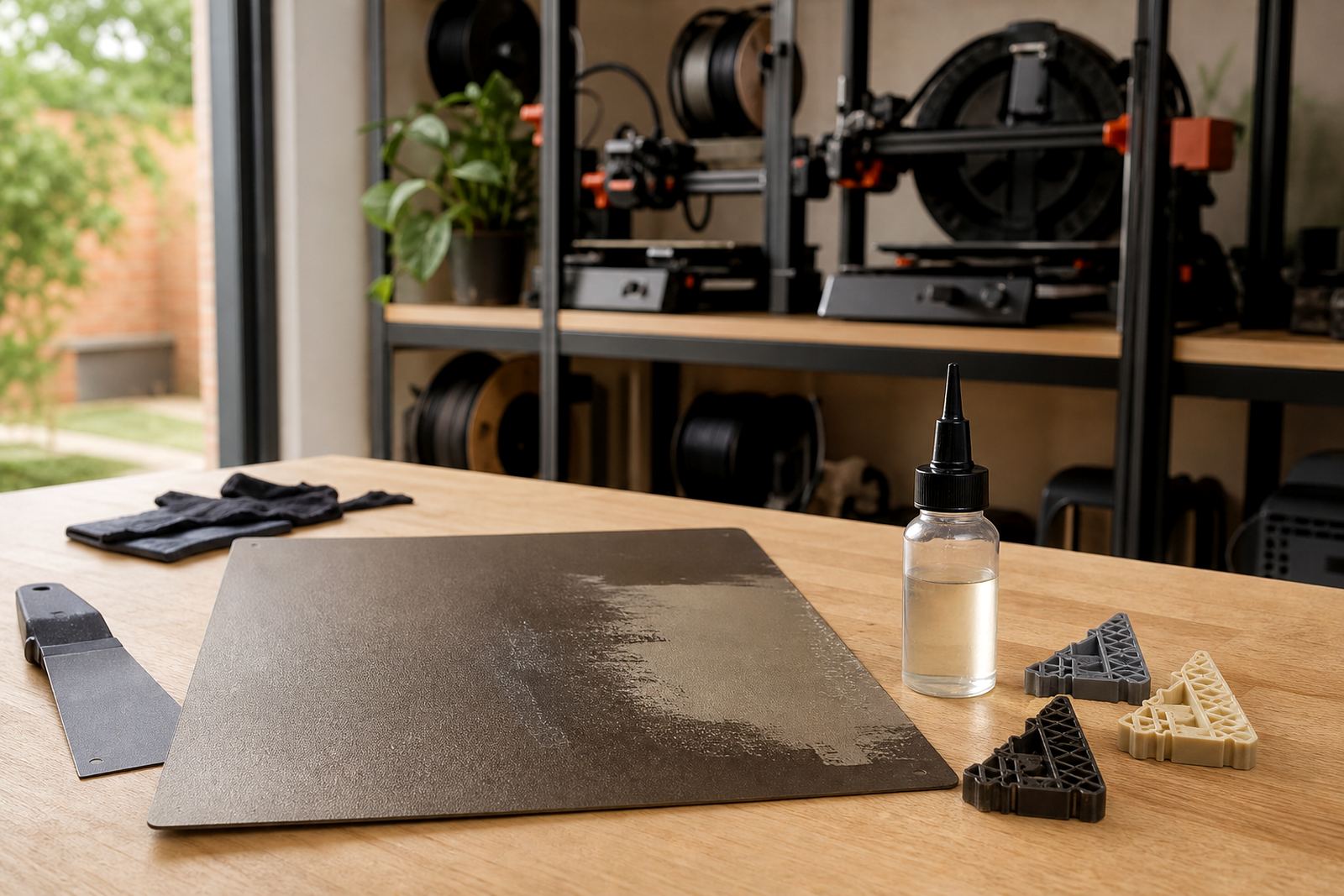
One of the main reasons people choose glass is the cleaning routine. A dry cloth, warm water and a suitable surface cleaner usually handle most jobs. Avoid scraping aggressively with metal tools because the glass can chip at the edges if it is treated roughly. If a print is sticking too hard, let the bed cool fully first, then remove it without forcing the part.
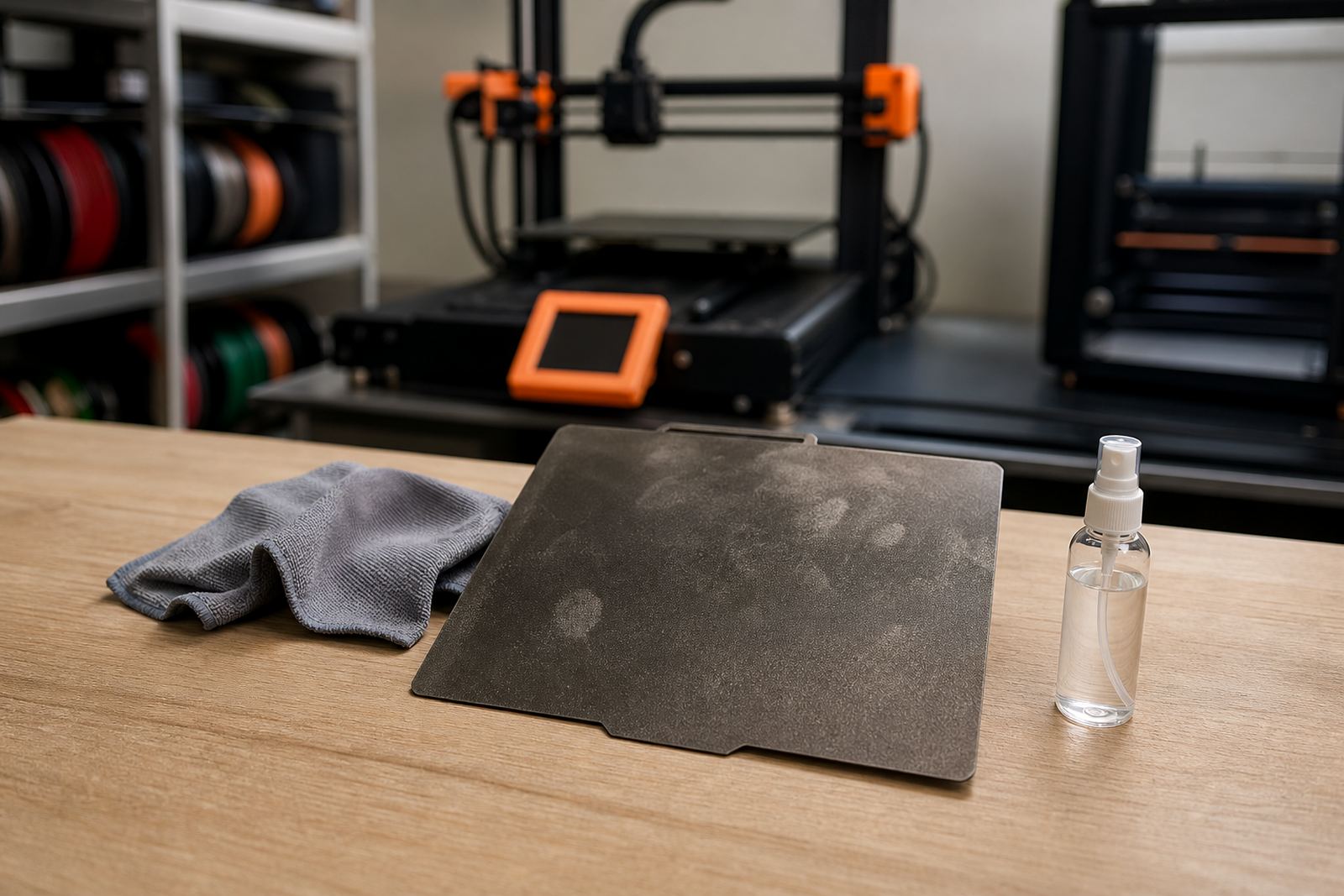
For repeated use, keep the bed free of oil from hands, adhesive residue and dust from the workshop. In dusty inland areas, a quick wipe before each print can save a failed first layer. In coastal workshops, store the spare bed flat and dry so that humidity does not encourage grime buildup on the frame or clips. If the surface develops chips, bowing or clouding that affects performance, it may be time to replace it or move it to less critical jobs.
- Wipe clean between jobs to reduce residue buildup
- Let the bed cool before removing stubborn prints
- Store flat and protect the edges from knocks
- Replace if chips or distortion start affecting adhesion
What to check before you place an order
Before you order a 235 Glass Bed, check the printer model, bed size, fixing method and the type of parts you print most often. If you print mainly PLA and general training pieces, glass can be an easy fit. If you print taller parts or materials that need extra grip, you may need a surface prep method or a different bed solution for those jobs.
It also helps to think about workflow. A school lab may need a simple spare that can be cleaned quickly between classes, while a print farm may want matching beds across several machines for easier replacement planning. If you are unsure, measure the current bed and note the gap between the nozzle and the surface at home position. That small check can prevent a lot of back and forth later on.
- Printer model and actual build area
- Current bed thickness and fixing method
- Materials you print most often
- Whether you need one bed or several for standardising
Key facts
| Product type | Glass build plate for 235 class FDM printers |
|---|---|
| Nominal size | 235 x 235 mm |
| Surface finish | Smooth glass print surface |
| Typical use | PLA, PETG and general purpose printing |
| Maintenance | Wipe clean, cool before removal, inspect edges regularly |
| Compatibility note | Check clips, magnets, heater area and nozzle clearance before fitting |