
What the 220 PEI Sheet Does on a Compact Printer
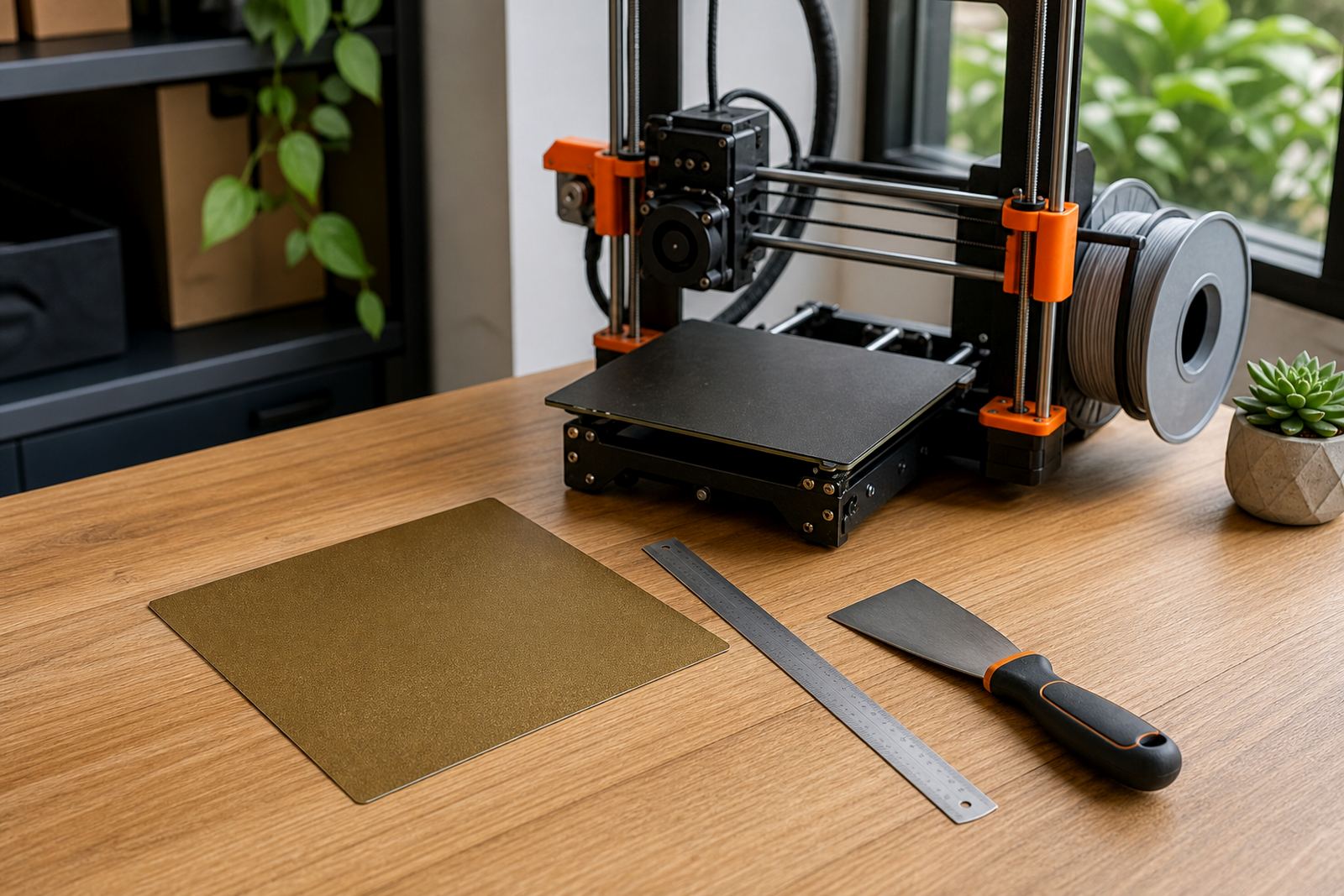
A 220 PEI sheet is a build surface sized for smaller beds where space is limited but first-layer quality still matters. PEI gives good grip while the bed is hot, then releases prints more easily once it cools, which helps reduce warping and lifting on common materials used by hobby printers and classroom machines.
You can choose a smooth or textured finish depending on the look and feel you want. Smooth PEI gives a flatter base on the bottom of the part, while textured PEI hides minor marks and can be kinder on repeated removal. For users printing in Gauteng winter or coastal humidity in Durban and Gqeberha, that reliable grip can make a real difference when conditions change through the week.
Sizes, Surface Options and Build Plate Fit
The 220 size suits compact printer beds where you want a little room for calibration and standard test pieces without going up to a larger plate. It is commonly used on smaller enclosed or open-frame machines, and can work as a replacement surface on existing plates or as part of a full magnetic bed setup.
- 220 mm class build surface for compact printers
- Smooth PEI option for neat bottom layers
- Textured PEI option for easier release and a more finished look
- Suitable for spring steel style removable plates and rigid plate setups
- Can be supplied for replacement, spares, or new machine fitting
If you are standardising several printers in a school lab or small farm, keeping the same surface type across every machine saves time and reduces setup errors. It also makes training easier for staff and learners who need repeatable results, not guesswork.
Where a 220 PEI Sheet Fits Best
This size is a practical choice for makers running smaller parts, prototype batches, miniatures, educational projects and functional prints with modest bed footprints. It works well where print volume is important but the machine needs to stay compact on a shared bench, trolley or packing table.
It is also a sensible option for users who print in mixed conditions. If the room is cool from load-shedding, or if a workshop gets dust and humidity, the right bed surface helps keep adhesion stable. For schools and print farms in Pretoria, Johannesburg, Cape Town, Durban, Bloemfontein and surrounding areas, that consistency matters when machines are used by different people each day.
- Small hobby printers with limited bed size
- School makerspaces and technical classrooms
- Print farms producing smaller parts in batches
- Service counters that need fast turnaround on repeat jobs
- Users wanting a clean, replaceable surface for daily printing
Installation, Power Use and What the Bed Needs
Fitting a 220 PEI sheet is usually straightforward, but the final setup depends on whether your printer uses a magnetic base, a rigid plate or a removable spring steel sheet. The surface must sit flat and align properly, otherwise first-layer issues can show up as uneven lines, poor squish or corner lift. If the printer bed already has an adhesive layer, check that it is clean, level and free from old glue before fitting the new surface.
There is no gas requirement. For power, the sheet itself does not draw electricity, but the printer bed underneath must still heat normally for the chosen material. PLA usually needs a lower bed temperature than PETG or ABS-type materials, so the machine should be set up to match the filament you use. A stable mains supply or UPS can help where load-shedding interrupts prints, especially on longer jobs.
- Check that the bed is flat before fitting
- Confirm the magnetic layer or mounting method is compatible
- Set bed temperature to suit the filament, not just the sheet
- Allow the plate to cool before removing parts for best release
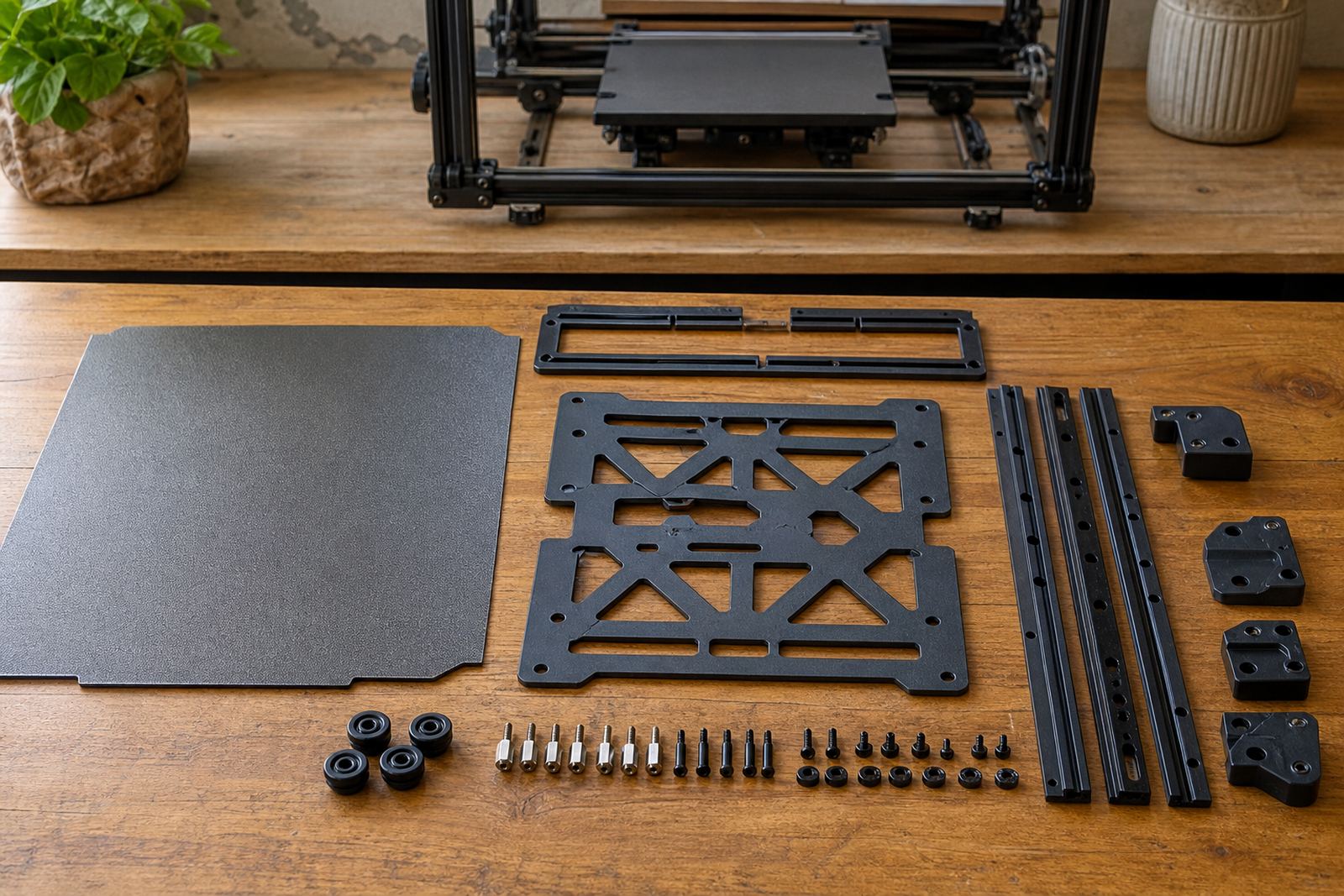
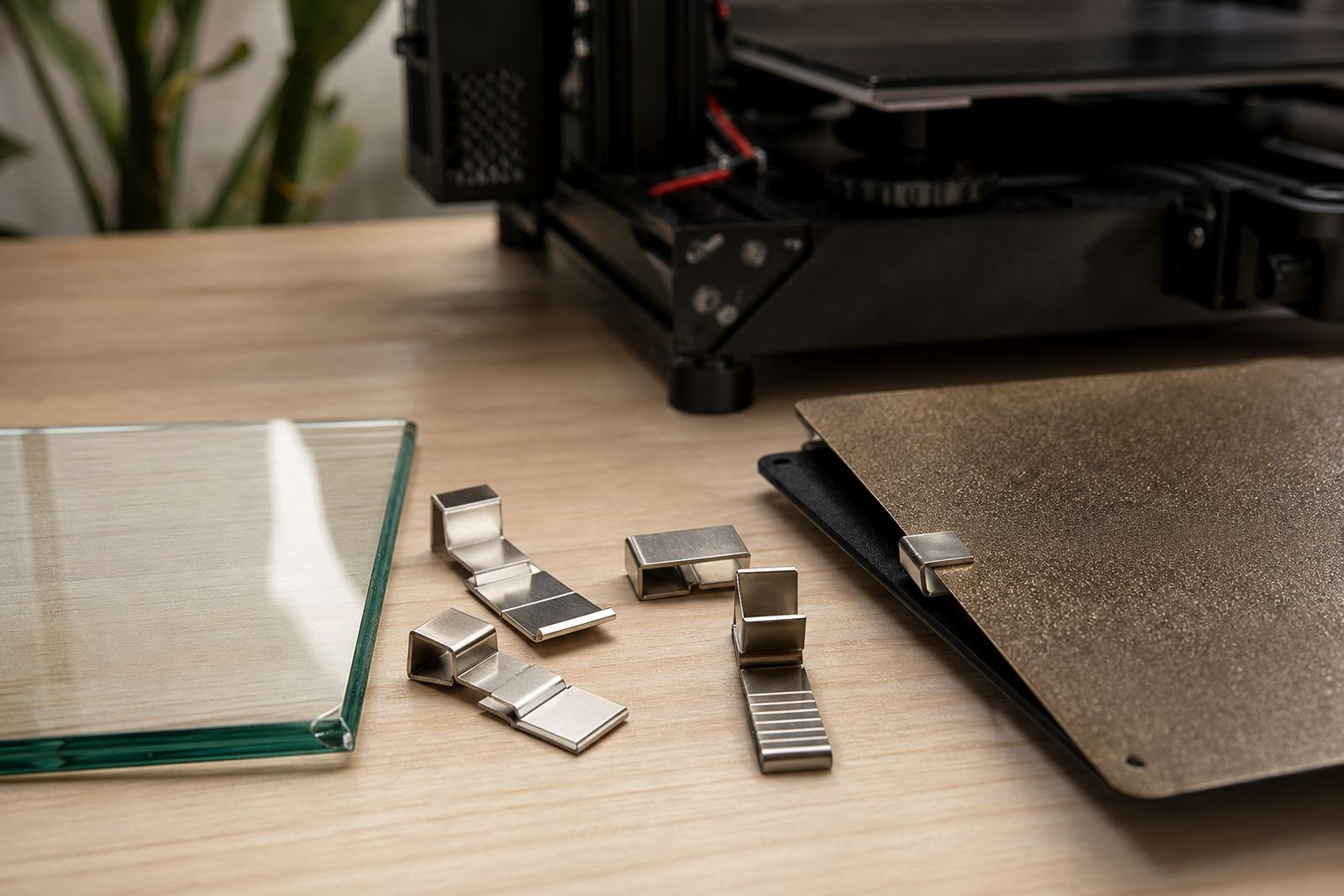
- Keep spare clips, shims or alignment parts if your printer uses them
Care, Cleaning and Surface Refresh
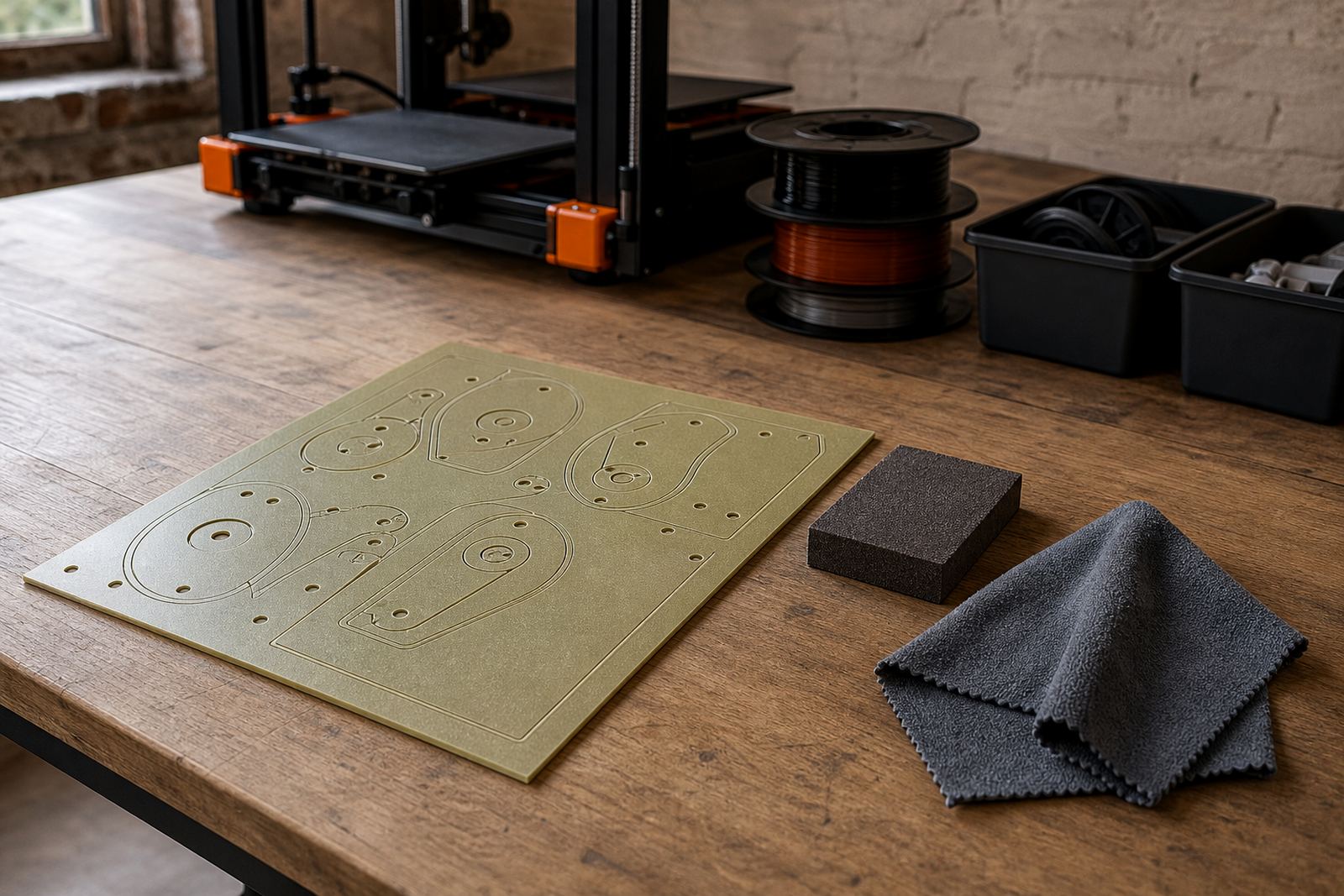
PEI is easy to live with if you clean it properly. For daily use, wipe the surface with isopropyl alcohol and a lint-free cloth once the bed is cool. For heavier residue, a mild wash with warm water and a little dish soap can help remove skin oils and filament dust. Avoid harsh abrasives and metal scrapers because they can dull the surface or mark it permanently.
Over time, frequent printing may reduce grip, especially on machines used every day in a school or small production room. If the plate starts showing patchy adhesion, shiny spots or harder release, a surface refresh may be needed. Some users prefer to replace the sheet on a schedule so every machine stays predictable, rather than waiting for failures. It saves reprints, and that saves time and material.
- Clean before the first job of the day
- Use a soft cloth, not coarse pads
- Let the bed cool before removal
- Store spare sheets flat to avoid bends
- Plan replacement before adhesion drops too far
Ordering Checks for Schools, Makers and Print Farms
Before ordering, confirm the exact bed size, the surface finish you want and whether you need a plain sheet, a magnetic-backed setup or a fitted replacement for an existing printer. Check the printer model, bed dimensions and any clip or carriage clearance so the sheet does not foul moving parts. If the machine is shared by several users, it helps to order enough spare sheets for rotation and maintenance.
It is also worth confirming the material mix in your workshop. If one group prints mostly PLA and another uses tougher materials, the bed care routine may need to change. When in doubt, ask for help with fitting, flatness checks or replacement planning so you avoid buying the wrong size the first time round.
- Confirm bed size in millimetres before ordering
- Choose smooth or textured finish to suit the part
- Check if you need magnetic fitting or a replacement top sheet
- Match the surface to the materials you print most often
- Ask about batch supply for multiple printers or classrooms
Key facts
| Product | 220 PEI Sheet |
|---|---|
| Size | 220 mm class build surface |
| Finish options | Smooth or textured PEI |
| Use case | Compact hobby printers, schools and small print farms |
| Mounting | Suitable for magnetic base or removable plate setups |
| Care | Alcohol wipe, mild wash and cool-down release |