
What the release agent does on a print bed
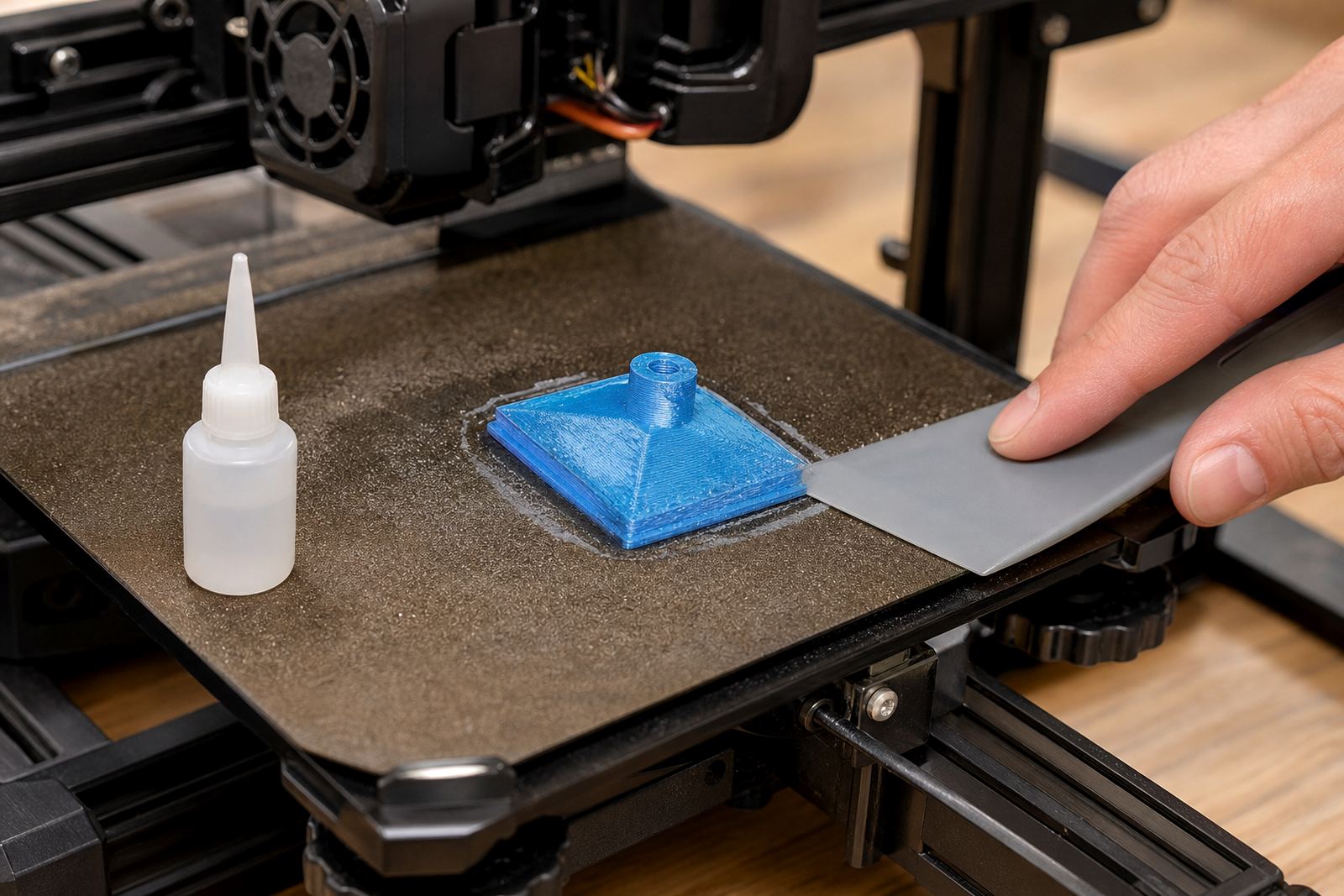
Release agent is used on a build surface when a print is bonding too strongly and removal starts to damage the part, the plate, or both. On some materials a simple adhesive method is not the answer, especially when you are printing big flat items, repeated batches, or parts with a wide first layer. The product creates a controlled layer between the print and the bed so the part can let go more predictably after cooling.
It is not a substitute for a level bed or correct temperature settings, but it does help when a plate is too aggressive for the job at hand. In practical use, that means fewer broken corners, less scraping, and less time spent waiting for a stubborn part to release. For school labs and print farms, that saves time and keeps plates in better condition over the long run.
- Helps reduce over-adhesion on selected materials
- Supports cleaner removal after the bed cools
- Useful for repeat jobs where the same surface is used many times
- Can help protect plated surfaces from excessive wear
Sizes and supply options for different print setups
LayerPad supplies release agent in options suited to single machines, shared labs, and higher-volume printing rooms. Smaller containers suit hobby users and classrooms, while larger supply options are better for print farms or teams that need a steady stock on hand. The right size depends on bed area, print frequency, and how many operators are using the machine.
As a guide, a compact setup may only need a small bottle for occasional use, while a busy workshop in Centurion or Johannesburg may prefer a larger supply for regular maintenance. The product is normally used sparingly, so a little goes a long way if the bed is prepared properly. Check the surface type first, because not every plate or sheet needs the same treatment, and some really do better with minimal application.
- Small supply for home users and starter kits
- Workshop size for regular maintenance and shared machines
- Bulk supply for print farms, schools and reseller stocking
- Suitable for use on selected build plates and sheet surfaces
Where it suits best in South African print rooms
This product suits printers that are fighting parts that lock down too firmly after cooling, or surfaces where a strong bond is useful only for part of the print process. It is often considered for engineering parts, broad base layers, and models that cover a large portion of the bed. In humid coastal areas like Durban or Gqeberha, keeping a consistent release routine can help operators deal with changing ambient conditions. In drier inland spaces like Pretoria and Bloemfontein, it can still be useful when bed temperatures run high or when the first layer is intentionally very secure.
It is also useful in schools where different users work on the same machine and want a simple, repeatable method for part removal. For print farms, it can form part of a standard bed care routine where the aim is not just adhesion but repeatable release too. That balance matters when you are running many jobs a day and cannot waste time on damaged parts.
- Large flat parts and broad first layers
- Shared machines in schools and maker spaces
- Workshops handling repeated short production runs
- Setups where over-adhesion causes part damage
Installation and machine requirements
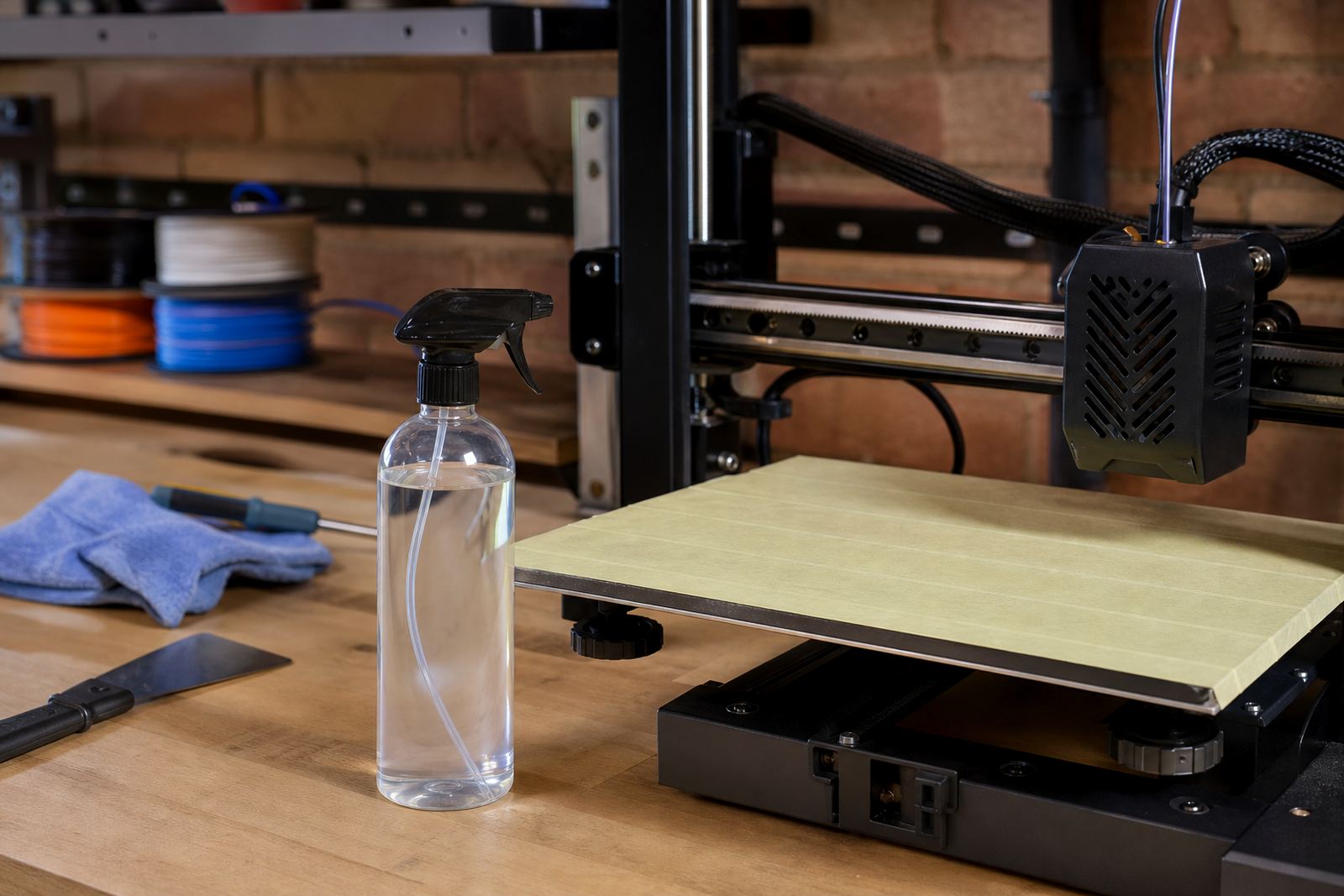
Most release agent applications need clean hands, a clean bed, and a careful first pass. The surface should be free of dust, grease, old glue residue, and loose filament marks before use. Apply only as needed, then let the bed and surface settle before starting the print. A light touch is better than heavy application, since too much product can change the way the first layer behaves. That is usually where people go wrong.
No power or gas is required for the product itself. It is used by hand as part of normal bed preparation, so it works on standard benchtop printers and larger production machines alike. If you are fitting it into a larger maintenance routine, combine it with bed flatness checks, plate cleaning, and temperature verification. If your machine already has a magnetic base or removable plate system, make sure the release agent is compatible with that surface before you order.
- No electricity or gas needed
- Use on a clean, dry print surface
- Best applied as part of normal bed prep
- Check compatibility with magnetic bases and sheet types
Care, servicing, and when to refresh the surface
Release agent is not a once-off fix. Like any surface treatment, it performs best when the bed is cared for properly and refreshed when performance changes. Clean the surface between jobs as needed, especially after dusty workshop use or if a print leaves residue behind. If the part starts sticking too hard again, that usually means the coating has worn down or the bed has picked up contamination.
For schools and print farms, it helps to keep a simple log of when the surface was last treated. That makes it easier to spot patterns across different filaments and operators. If you are running a mixed fleet, standardising the care routine across machines keeps results more predictable. Small habits matter here, like wiping the surface before each new run and not dragging sharp tools across the plate. Once the surface has been scored, no coating will fix that fully.
- Refresh when release performance starts to drop
- Keep a maintenance log for shared machines
- Avoid scraping with sharp tools
- Store unopened stock in a cool dry place
What to check before placing an order
Before ordering, check the material you print most often, the bed size, and whether your machine uses a removable plate or fixed glass surface. It also helps to know what problem you are trying to solve. If parts are lifting, you may need a different approach. If parts are gripping too hard, release agent is the better choice. Give us the plate dimensions, the number of machines, and whether the setup is for home, school, or farm use so the supply can be matched properly.
Also check whether the team needs a single bottle for occasional use or a supply plan for ongoing jobs. For larger rooms in Centurion, Midrand, or Johannesburg, planning stock in advance can prevent stops during busy production periods and during load-shedding recovery windows when machines are restarted in batches. If you are unsure, send the machine details and the bed material through the enquiry form on our contact page and we can help you choose the right option.
- Bed size and plate type
- Main filament materials used
- Number of printers in service
- Need for single use or ongoing supply
Key facts
| Product type | Release-focused surface treatment for 3D printer beds |
|---|---|
| Primary use | Helps control over-adhesion on certain materials |
| Suitability | Home users, schools, maker spaces and print farms |
| Power or gas requirement | None, hand-applied during bed prep |
| Application | Thin, controlled surface treatment before printing |
| Supply formats | Small, workshop and bulk order options |