
What a Textured PEI Plate Does for Your Printer
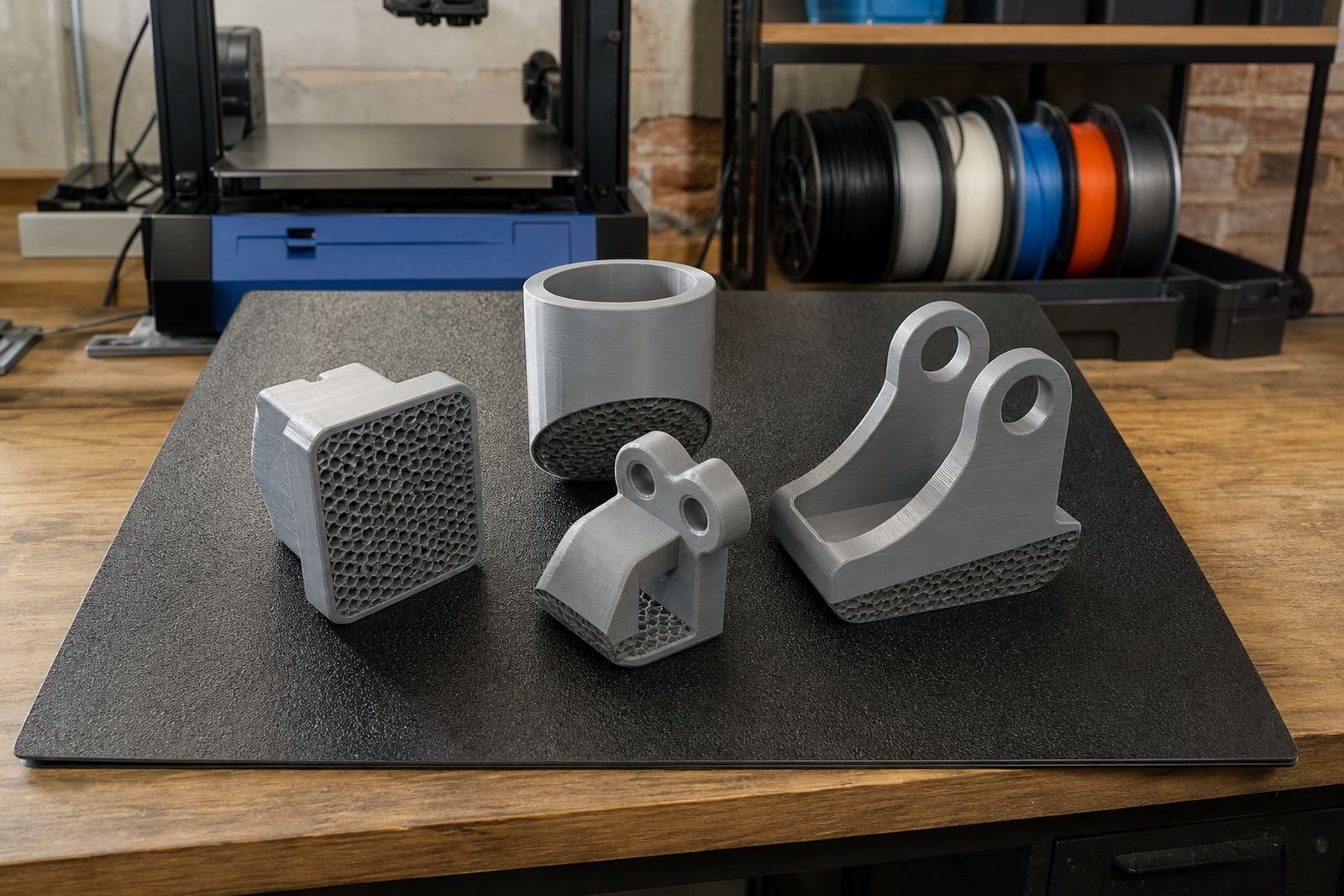
A textured PEI plate is a spring steel or rigid build surface coated on the print face to help filament bond during the first layers, then let the finished part release once the plate cools. The textured finish transfers a consistent pattern to the bottom of the print, which is useful when you want repeatable results for brackets, covers, jigs and school projects.
For many users, the main benefit is simple: less lifting at the corners and fewer failed first layers. That matters when the power cuts out, the workshop gets warm in summer, or a print farm is running through a long queue and every bed needs to behave the same way.
Sizes, Thicknesses and Compatibility
LayerPad textured PEI plates are supplied in common machine sizes and can also be cut to suit special builds. Choose the size that matches your machine's active bed area, not just the outer frame, because clips, probes and nozzle offsets all need clear space.
- Common sizes for hobby and school printers
- Custom cuts for larger or non-standard beds
- Spring steel options for magnetic base systems
- Rigid plate options where a fixed bed is preferred
Before ordering, check the bed shape, clip position and whether your printer uses a removable flexible sheet or a fixed plate. If your machine is used for farms or classrooms, standardising on one size can make spares and replacement planning much easier, and yes it saves a lot of confusion.
Where It Suits Best in South African Use
This plate is a strong fit for makers who print PLA, PETG and many general purpose filaments, plus schools and training rooms where learners need a surface that is forgiving and easy to explain. It also suits small print farms that want a finish that looks tidy without extra post-processing.
In coastal areas like Cape Town, Durban and Gqeberha, the textured surface can help when humidity makes adhesion less predictable. In Gauteng, where many users print in garages, spare rooms or shared labs, it gives a practical middle ground between grip and easy release. It is not the answer for every material, but for day-to-day production it usually covers the bases well.
Installation, Power and Setup Notes
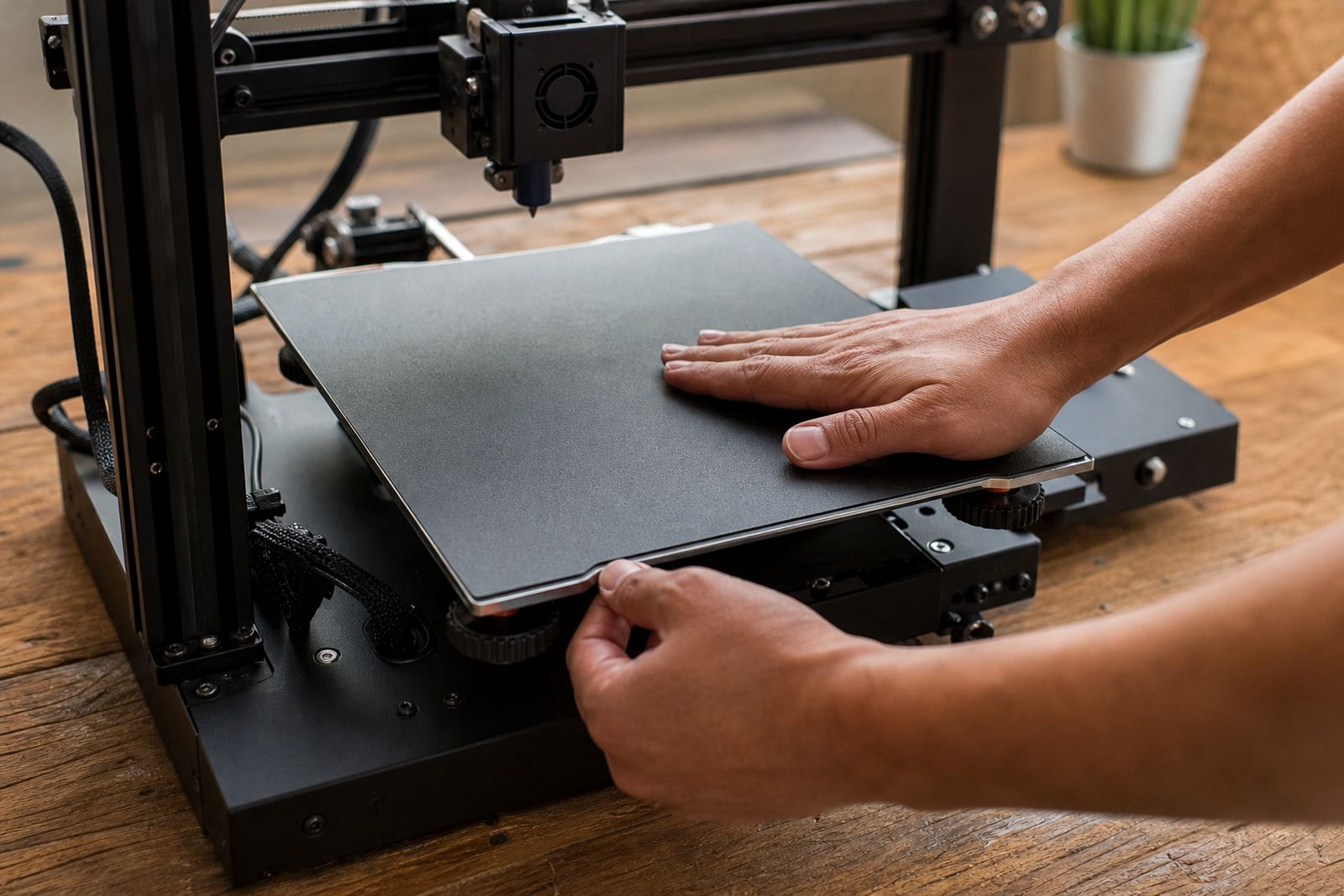
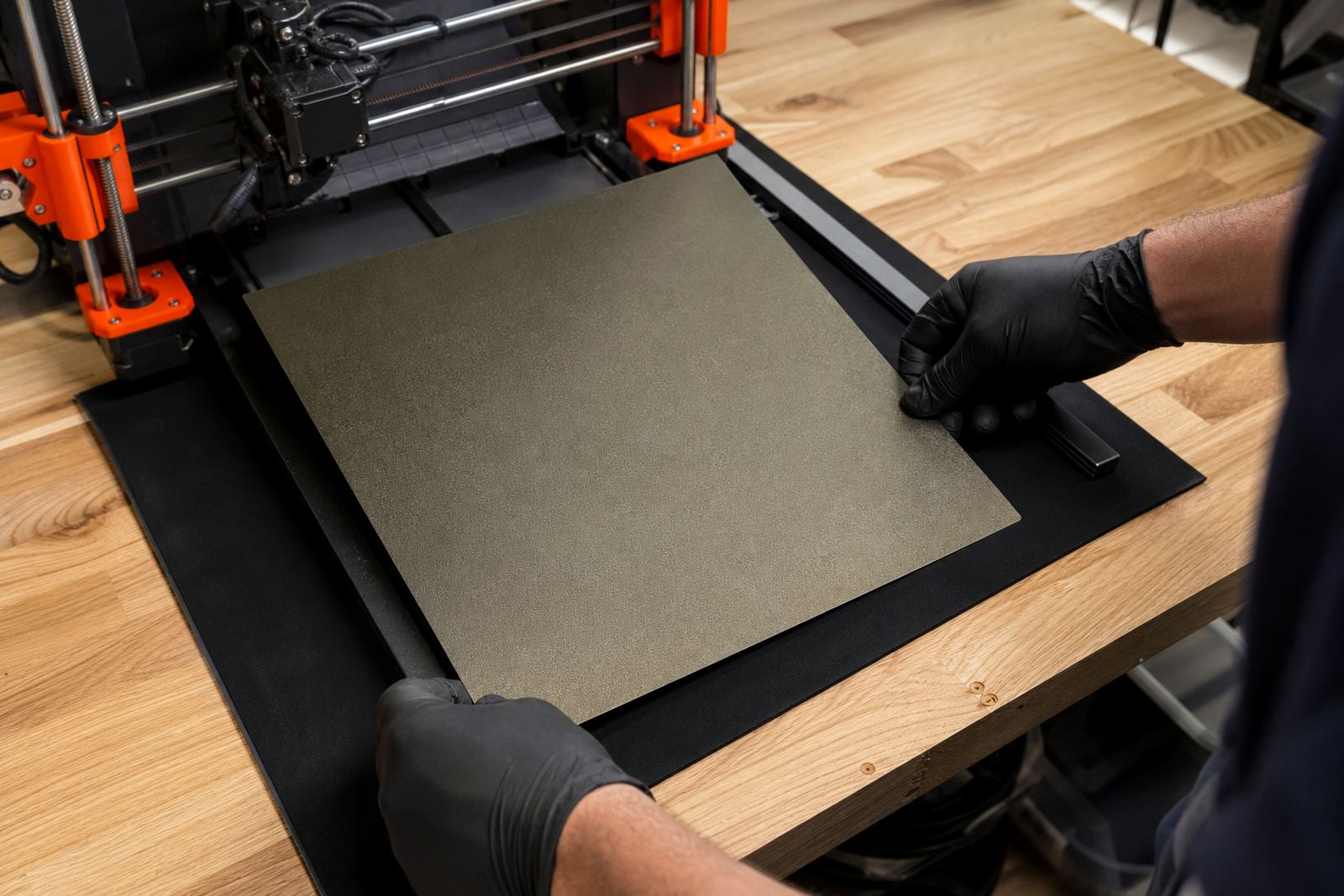
Installation is straightforward for most machines with a removable build surface or magnetic base. Fit the plate flat, confirm the nozzle height is correct, then run a first-layer test before starting a full job. If the printer has auto levelling, do the usual mesh calibration after fitting the new surface so the machine reads the actual bed height.
- No mains power is needed for the plate itself
- No gas is needed
- A magnetic base fitting may be required on some printers
- Keep the bed clean before each print
If the machine uses a removable steel sheet, check that the magnets are strong enough and the sheet sits flat with no rocking. If you are fitting several printers at once for a school lab or farm, it helps to label each bed size and keep the same start settings across the fleet so the results stay consistent.
Care, Cleaning and Surface Refresh
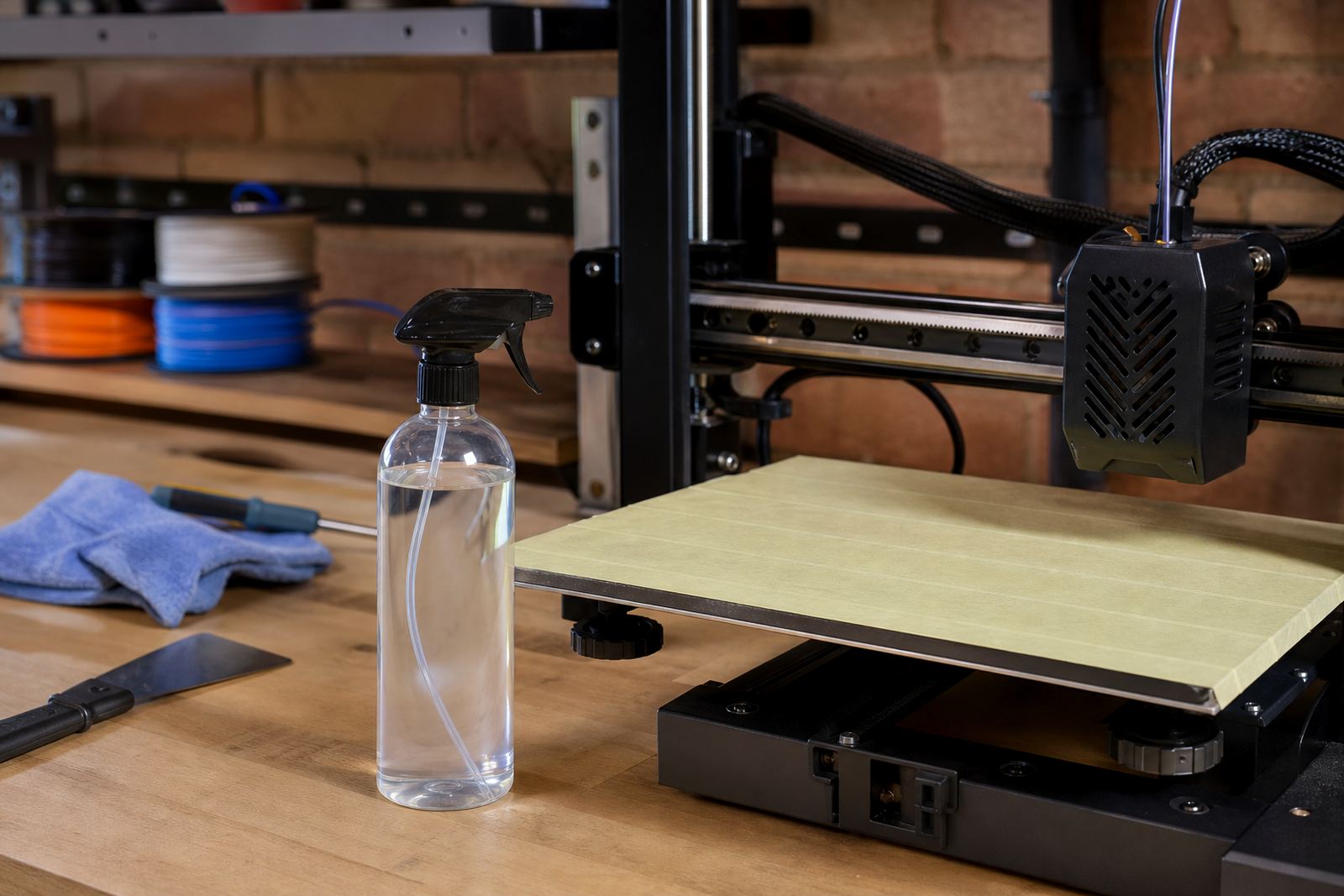
A textured PEI plate lasts longer when it is cleaned with mild soap and warm water, then wiped with isopropyl alcohol between prints if needed. Avoid scraping with sharp tools, because deep marks will show on the next part and can damage the coating. Let the plate cool before removing prints, since many parts release better at lower temperature.
If adhesion starts to drop, first check the nozzle height, bed flatness and slicer settings before assuming the plate is worn out. A surface refresh may be enough in some cases, while others need replacement planning if the coating has become glossy or scratched. In humid coastal areas, keeping the plate dry and dust free is a small step that makes a real difference.
What to Check Before You Order
Measure the build area carefully and confirm the exact printer model, since a few millimetres can cause binding or poor edge coverage. If you are ordering for a school or print farm, note whether the machines all use the same bed size, because mixed fleets can create headaches at setup time. Also check whether you need one plate or several, and whether a spare should be held for peak production periods.
- Bed size in millimetres, including usable print area
- Printer model and bed style
- Magnetic base required or not
- Expected materials and temperature range
- Need for custom cutting or replacement planning
- Collection, dispatch or coverage area
If you are unsure, LayerPad can help with bed flatness checks, plate installation, adhesion troubleshooting and school lab setup, all handled from Centurion with coverage into Pretoria, Johannesburg, Midrand, Cape Town, Durban, Bloemfontein and Gqeberha. Small details at the start save a lot of reprints later.
Key facts
| Product type | Textured PEI build plate for 3D printers |
|---|---|
| Surface finish | Textured print face for a uniform base pattern |
| Material options | Spring steel sheet or rigid plate, depending on printer setup |
| Compatible use | PLA, PETG and many general purpose printing jobs |
| Size options | Standard sizes plus custom size cutting |
| Installation needs | May require magnetic base fitting, bed levelling and first-layer calibration |