
Why the first layer matters in batch production
When you are printing ten, twenty or fifty parts at a time, the first layer is not just the start of the job, it is the part that decides whether the rest of the batch is worth keeping. One failed corner on a plate can turn into a half-day of scrap, especially when you are running school jobs, prototype runs or short production batches for a local business in Centurion or Johannesburg.
Reliable build plates help by giving you the same grip, the same release and the same flatness from one print to the next. That consistency matters when a bed is heated, cooled, wiped down and put back into service several times a day. It also matters during load-shedding recovery, when a printer is restarted and you need the next start to behave like the last one. A good plate wont fix every slicer setting, but it removes a lot of avoidable noise from the process.
- Fewer failed starts means less wasted filament
- Less scraping and prying protects the nozzle and bed surface
- More predictable adhesion makes it easier to schedule jobs
What a batch-ready plate needs to do
For batch work, the plate has to do more than simply hold the part down. It should spread heat evenly, stay clean after repeated use, and let you remove parts without damaging the surface. If one side of the bed grabs harder than the other, the batch starts to split into good parts and bad parts. That is where PEI sheets, magnetic bases and flat plates earn their keep.
In South African conditions, the plate also has to cope with dust, humidity and the odd workshop interruption. In coastal areas like Durban or Gqeberha, moisture can change how a first layer behaves from one day to the next. In Gauteng, dust from open windows and nearby worksites can settle on the bed faster than people expect. A plate that is easy to clean and quick to recondition is a real advantage.
- Even surface contact across the full bed
- Repeatable grip for PLA, PETG and other common materials
- Simple cleaning between runs
- Reliable release once the bed cools
Choosing between smooth, textured and removable surfaces
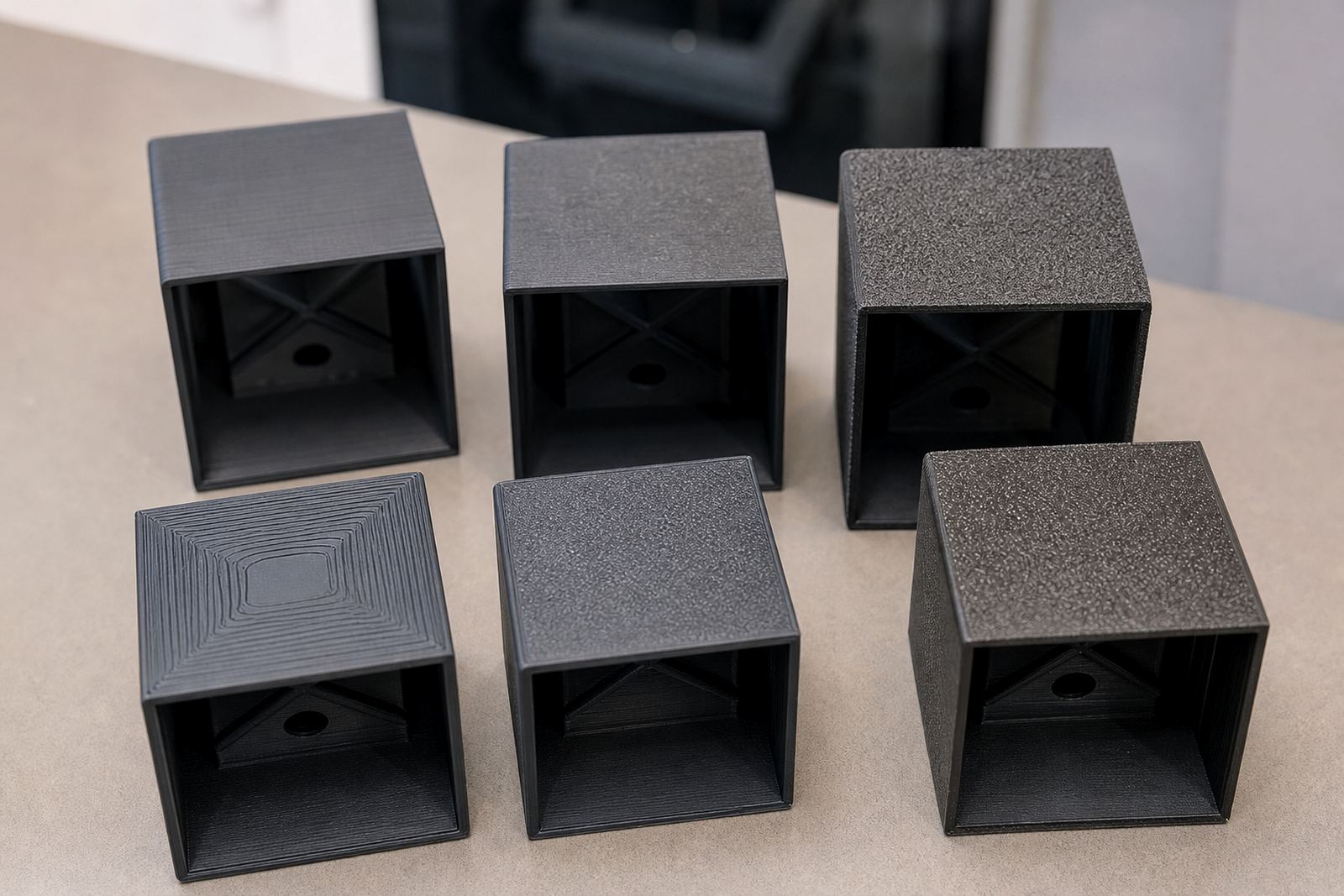
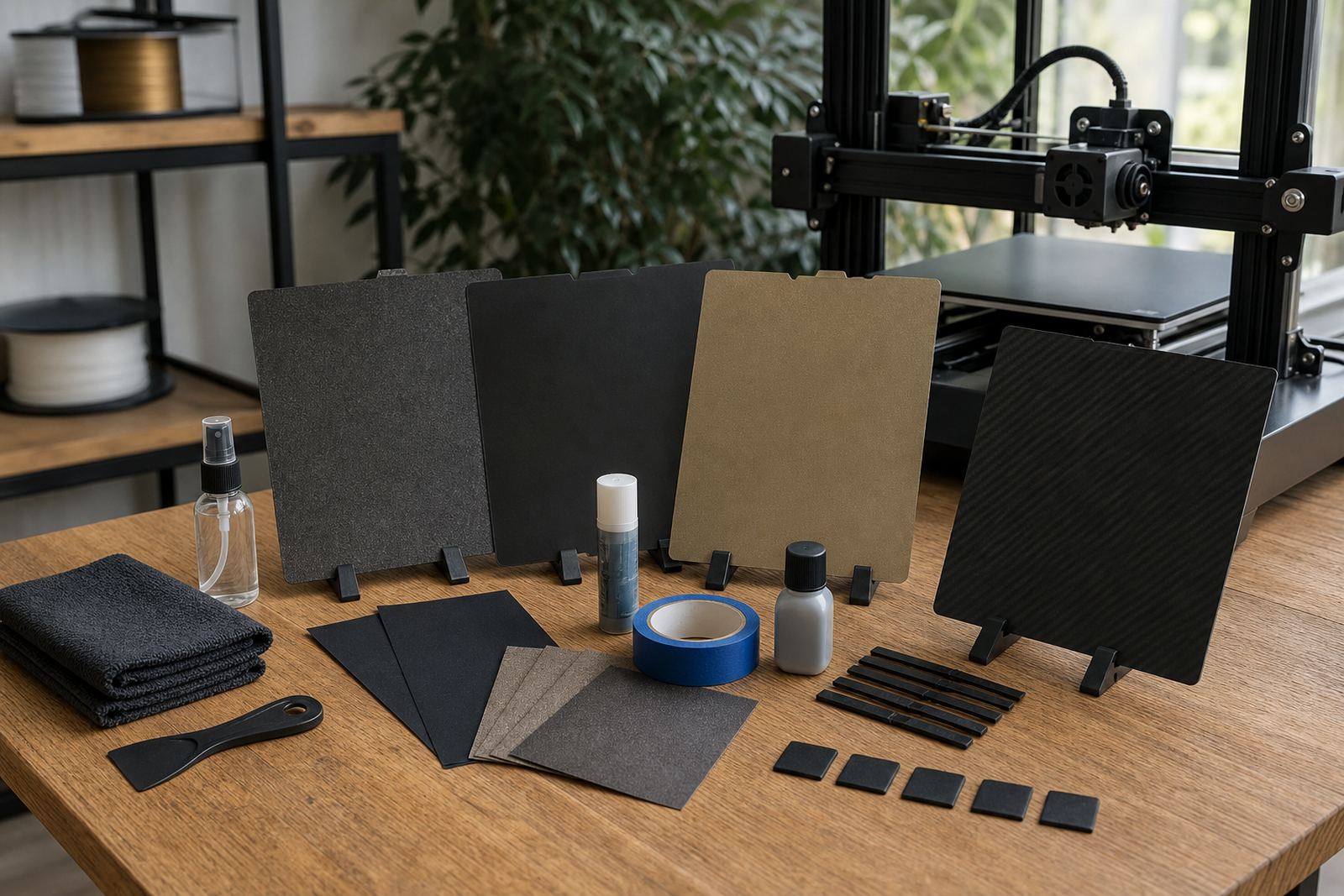
Not every batch needs the same surface. A smooth PEI sheet gives a clean underside on parts and works well for detailed items, name plates and school lab projects. A textured surface can be useful when you want a slightly more forgiving grip and less chance of over-adhesion on large parts. Removable plates help when you need to swap jobs quickly without waiting for the bed to cool completely.
For print farms, the best choice is often the one that matches the part type most often run on that machine. If your team is producing small brackets in Pretoria East one day and larger teaching aids for a school in Bloemfontein the next, a consistent surface usually beats a fancy one. The point is to reduce the number of variables in the room, not add more.
- Smooth finish for cleaner undersides
- Textured finish for easier release on some parts
- Removable plates for faster turnaround between jobs
Setting up a plate for repeatable runs
Before a batch starts, the bed should be checked like any other production tool. Flatness, cleanliness and secure fitting all affect the first layer. A magnetic base that sits properly, a plate cut to the right size, and a quick test on the corners can prevent the kind of failure that only shows up after the third or fourth part has already begun. That is when a small issue becomes a long afternoon.
Good setup also includes training the people using the machine. In a school lab, one learner can clean the plate too aggressively while another leaves fingerprints on the surface. In a small production room, someone may swap materials without checking the temperature or re-level the bed. Clear procedures help keep the results steady. It sounds basic, but basic is what keeps a farm running.
- Check bed flatness before a new run
- Clean the surface with the right method for the coating
- Confirm plate size and magnet fit before printing
- Run a first-layer test after major maintenance
How to reduce failed starts in South African workshops
Failed starts are costly because they waste both time and material. In South African workshops, they also waste the time slot that was planned around a power window or a school timetable. A print farm in Midrand might have a narrow stretch of stable power in the evening, while a maker space in Cape Town may need to work around a shared room and a tight collection schedule. The answer is not to print faster, it is to make the start more dependable.
That means keeping a spare plate in rotation, watching for worn adhesive behaviour, and replacing surfaces before they become unpredictable. It also means planning for the job mix. Large flat parts, curved parts and small tall parts do not all ask the same thing from the bed. If the surface is already tired, the batch will expose it quickly. Better to refresh early than lose a whole queue.
- Keep one clean spare plate ready for urgent work
- Replace worn sheets before adhesion drops off
- Separate jobs by material and part height where possible
- Record which plates work best for repeat jobs
Local example: a school lab and a print farm in one week
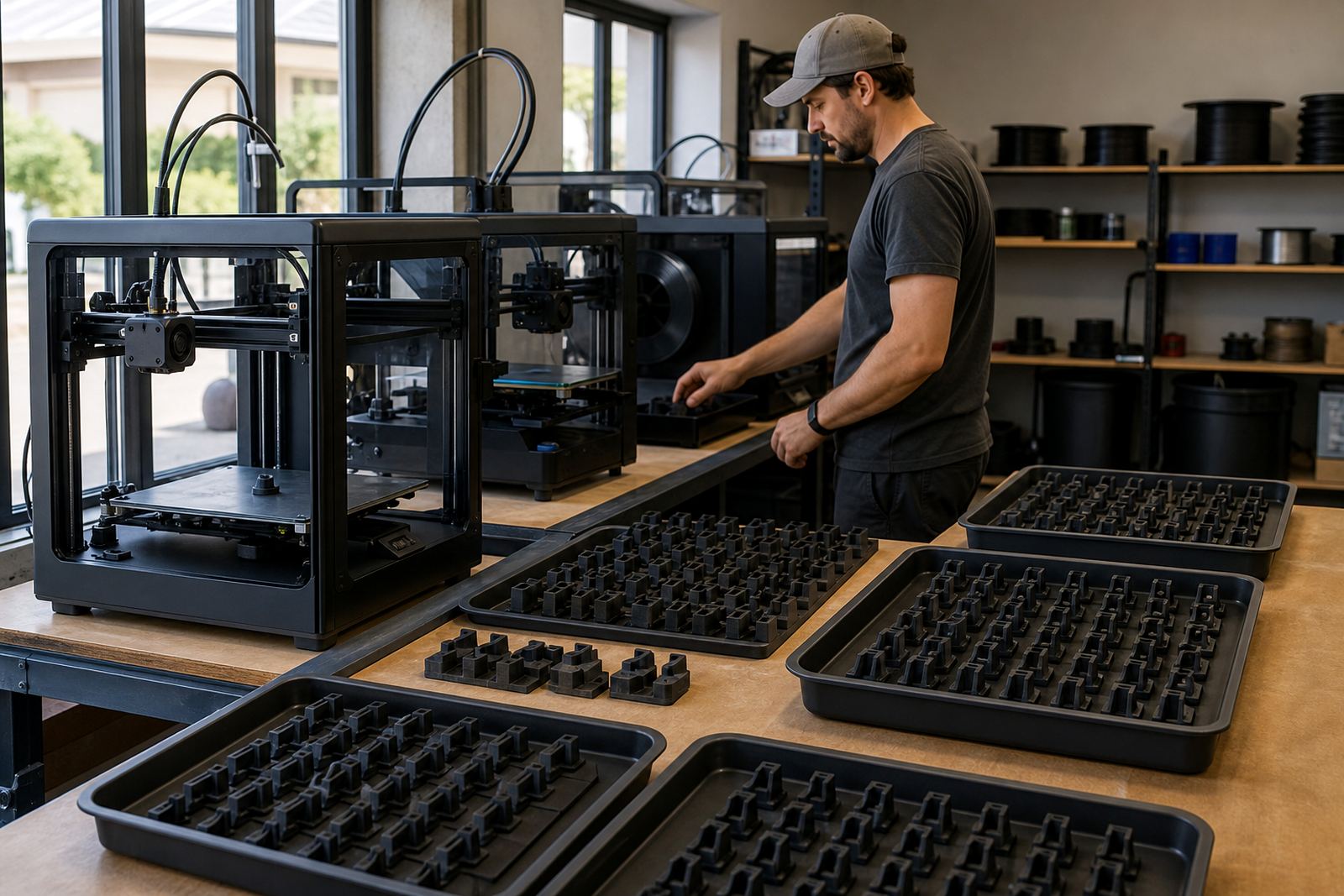
A school in Pretoria East may need a set of classroom aids for a science fair, while a small print farm in Centurion is running bracket orders for a local workshop. The school wants simple handling and easy part release, while the farm wants speed and repeatability across many starts. Both can use the same basic approach: a clean plate, a level bed, a known surface and a short first-layer check before the queue begins.
When the plate is right, the team spends less time stopping to scrape, rewash or restart jobs. That matters even more when the building is warm, the power has been out and the printer has just come back online. In those moments, a dependable build plate can make the difference between finishing the batch and pushing it into tomorrow. It is not glamorous work, but it keeps the schedule honest.
For many teams, the practical gain is simple: fewer failed starts, less stress on the machine and a steadier output from week to week. That is the real value of a good plate in batch printing, and it shows up quickly once the first layer starts behaving itself.