
Why one damaged plate can stop the whole queue
Most print failures are not dramatic. A plate gets scratched during removal, a corner chips, or the surface starts losing grip after many heat cycles. In a quiet home setup that is annoying. In a Centurion print farm or a school lab with shared machines it can mean a queue of jobs waiting while someone cleans, re-levels or swaps parts.
That is why spare plate planning matters. You are not just replacing a worn part, you are protecting turnaround time. When the spare is already on hand, the machine can be back in service before the next batch of parts is due. For teams that print signage clips, classroom components, jigs or repeated prototype runs, that speed matters more than most people expect.
A good spare strategy also gives you breathing room when a plate arrives with a manufacturing mark, or when a user accidentally gouges the surface with a scraper. You do not have to stop everything to wait for a replacement, and that is worth a lot when deadlines are tight.
What to keep on the shelf before trouble starts
The best spare stock is not just extra plates. It is a small, sensible mix of items that match the way you print. A workshop running only one machine can manage with a single spare plate. A school lab or print farm should think in sets, especially if different sizes or surface types are in daily use.
- One spare build plate for each heavily used printer
- Replacement PEI sheets for surfaces that wear out faster than the frame
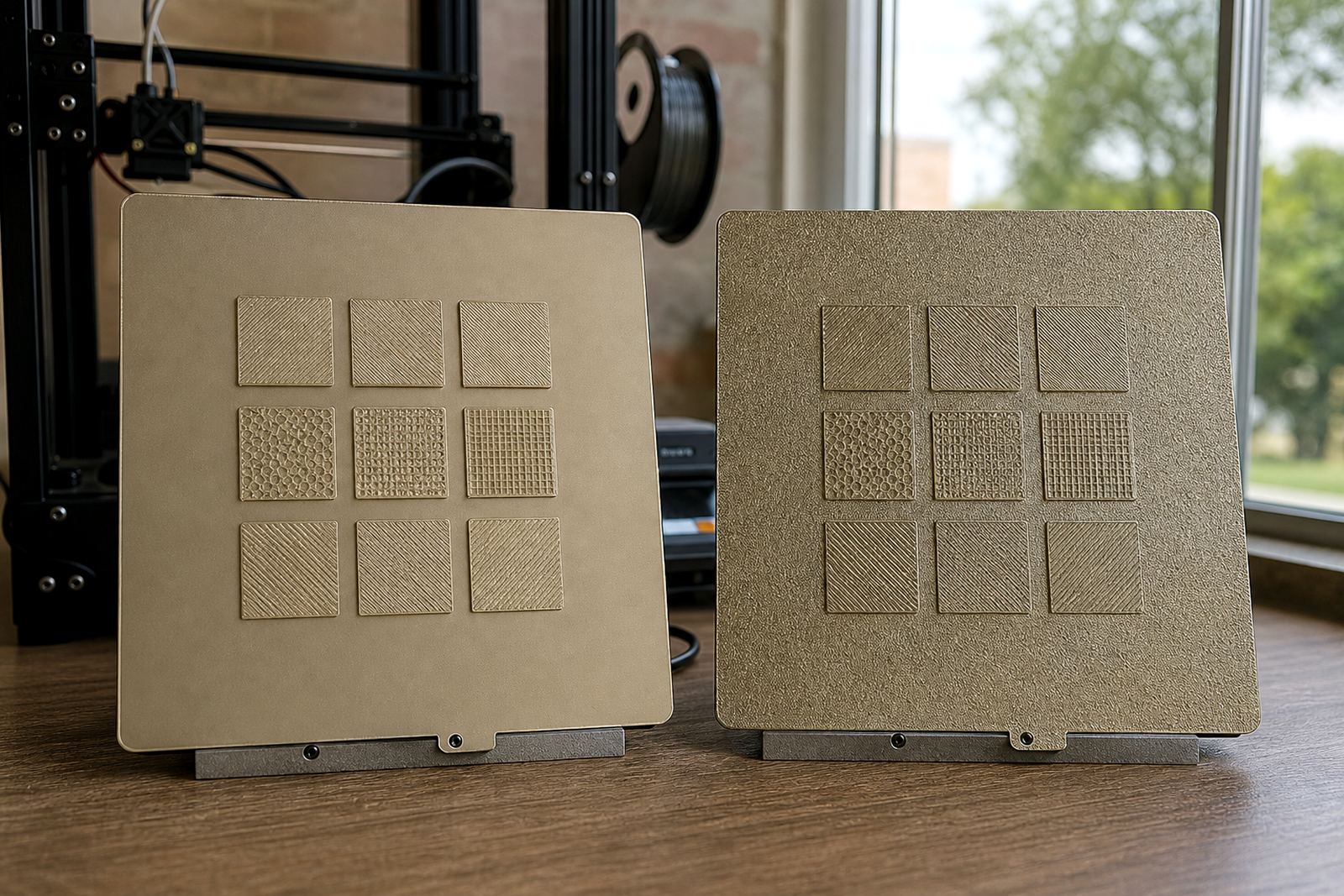
- Magnetic bases if your system uses removable surfaces
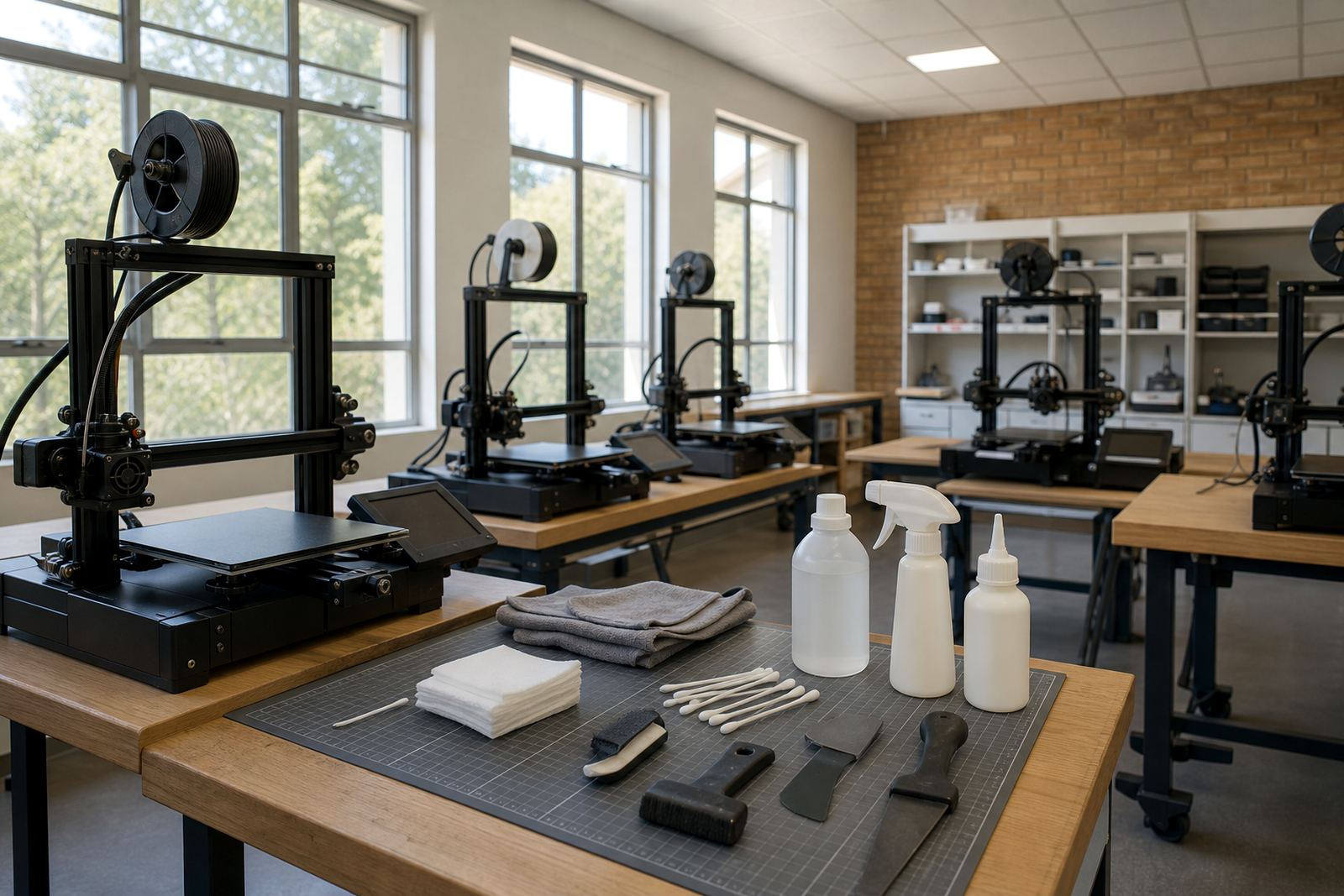
- Cleaning materials for oil, dust and glue residue
- Masking or handling labels so plates are not mixed up
- A simple note of which machine uses which size and surface
If you run several printers, keep the same size and surface type where possible. Standardising makes life easier for operators and reduces the chances of fitting the wrong plate in a rush. It also helps when you need to train a new staff member or a school technician who only comes in part time.
Match spare stock to your actual use, not the brochure
A plate that looks right on paper can still be a poor fit for real work. Some printers run hot beds all day. Others sit idle for long periods and then need a quick restart on Monday morning. Coastal humidity, dusty workshop floors and repeated heat cycling all change how surfaces behave over time.
For that reason, spare planning should follow your printing pattern, not just your printer model. A hobby user in Pretoria East may only need one backup plate. A Gauteng school doing weekly STEM projects may need two, so one can be cleaned while the other is in use. A Durban team near the coast may want extra care around surface storage because moisture and salt air can affect how cleanly parts release.
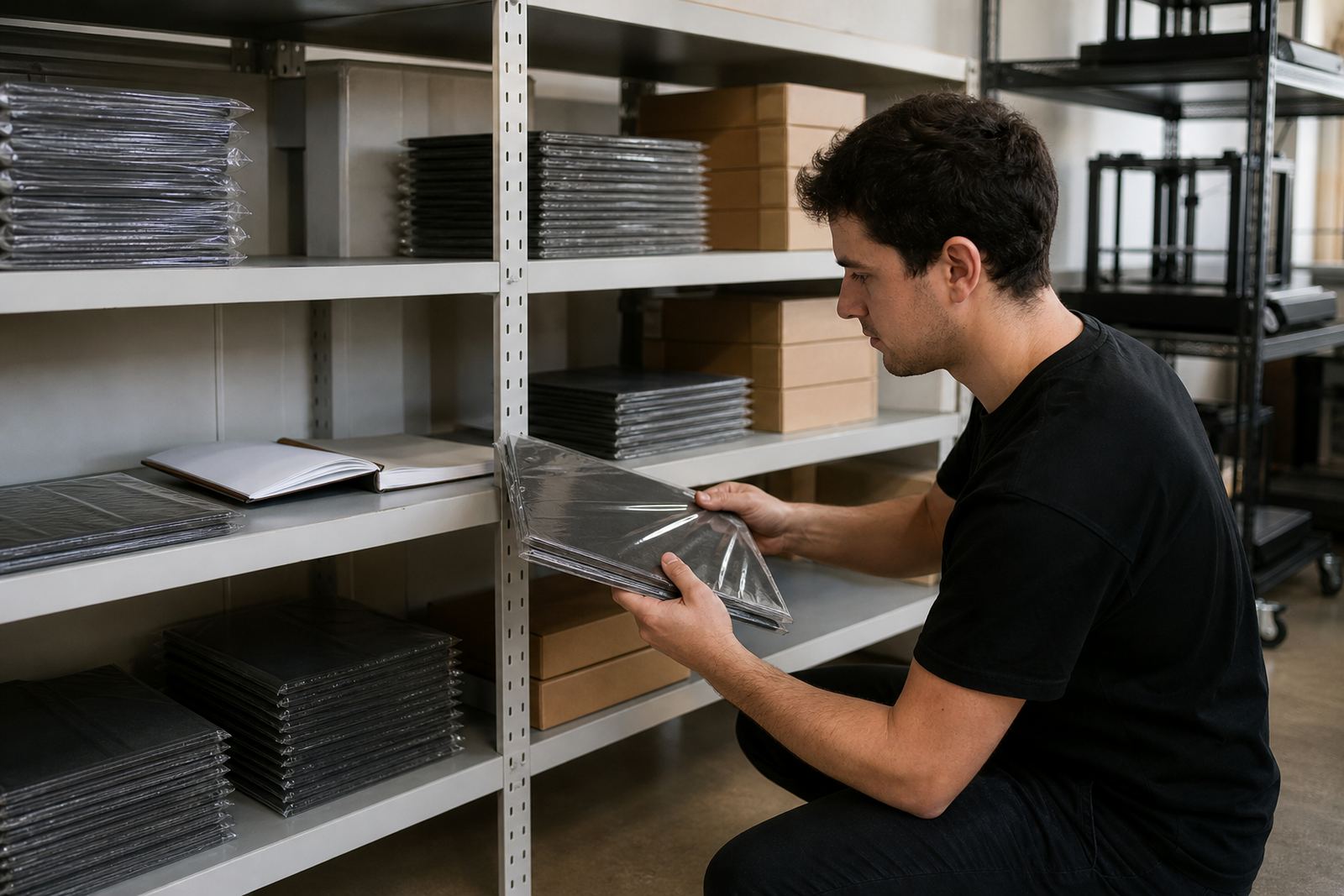
Keep the spare in a dry cabinet or sealed container if possible. Do not leave it loose on a bench where it can pick up dust, metal swarf or fingerprints. Those small marks can change adhesion enough to waste a first layer and in a print farm that wasted first layer is wasted time.
When to replace, refurbish or rotate a plate
Not every worn surface needs to be thrown out immediately. Some plates can be cleaned, refreshed or moved to lighter duty while a better surface goes back onto the main production machine. The key is to set a rule before the damage becomes a dispute between operators.
Use the same checks each time so decisions are fair and repeatable:
- Deep scratches that show through the working surface
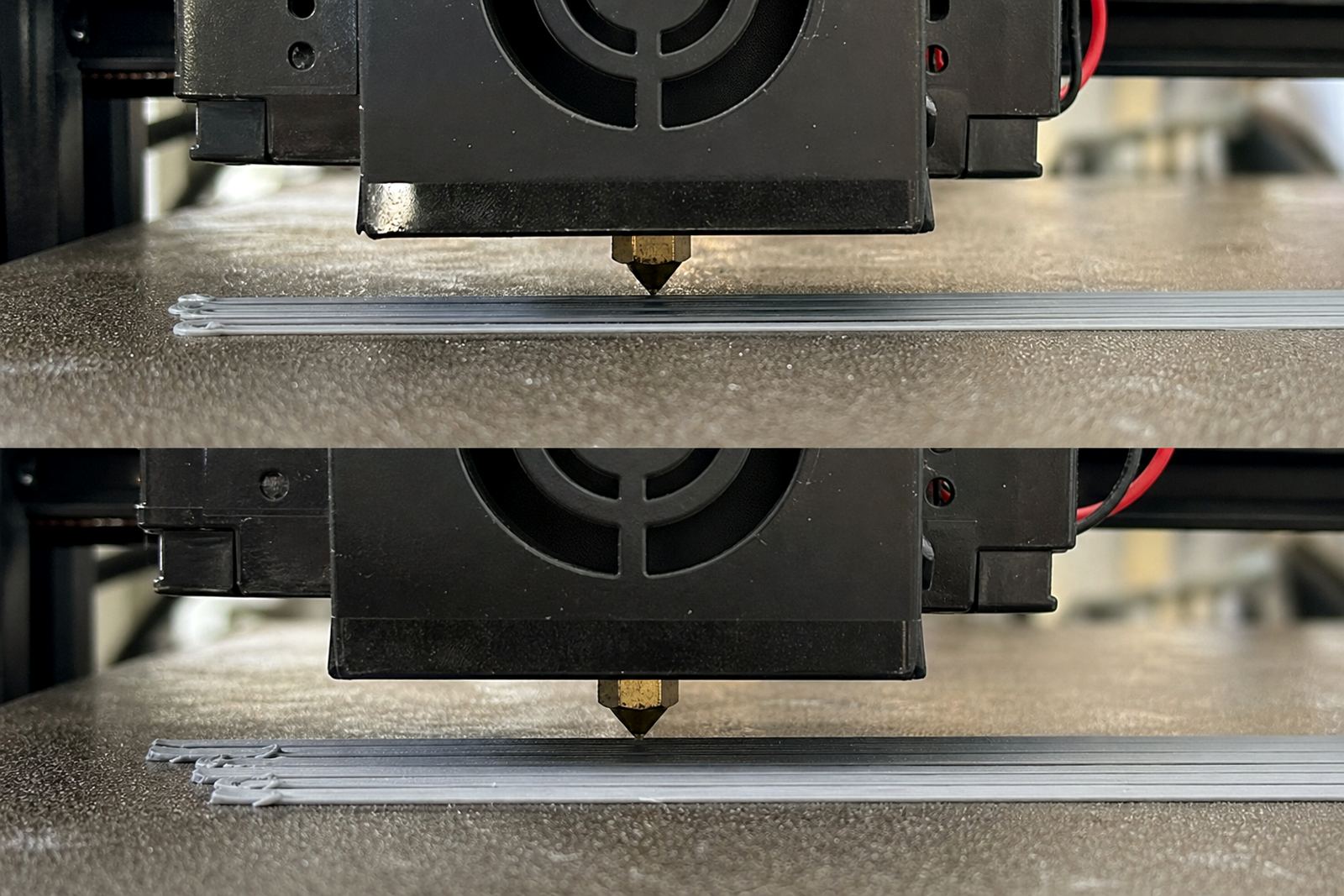
- Areas where prints no longer grip evenly
- Warping that affects bed flatness and first layer height
- Peeling edges on adhesive layers or PEI sheets
- Damage from tools, clips or overzealous cleaning
If a plate is still usable but not ideal for fine work, keep it for school demonstrations, test prints or rough prototypes. That way you extend the value of the part without risking important jobs. A rotation system like this also helps you spot a bad habit early, such as scraping too hard or not allowing the bed to cool before removal.
How spare planning helps schools and print farms stay organised
In a school lab, spares are about continuity. Lessons run on a timetable and learners cannot wait while one machine is taken apart. In a print farm, spares are about output. Every minute spent sorting a plate is a minute not producing parts for customers.
A simple spare register can save a lot of confusion. Keep it with the machine log and note when each plate was fitted, cleaned or retired. That is especially useful when several people share the same equipment. It also makes replacement planning easier because you can see patterns instead of guessing.
- Record the date a plate entered service
- Note which machine it came from and where it is stored
- Track cleaning methods that work best on each surface
- Mark damaged plates clearly so they are not reused by mistake
- Review usage every term or every production cycle
When teams do this well, they stop treating spare parts as emergency stock and start treating them as part of normal operations. That is where the real saving happens.
A Centurion example: keeping the queue moving after damage
Picture a small Centurion workshop running several printers for jigs and repeat parts. One plate gets a sharp nick during removal, and the next job in the queue is a tight tolerance bracket that needs a clean first layer. Without a spare, the operator has to stop, inspect the damage, clean the bed and hope the surface still gives reliable grip. That can cost a full afternoon.
With a spare plate ready, the swap takes a few minutes. The damaged plate is tagged for inspection, the replacement goes on, and the machine is back in use before the next batch is due. The team can then sort the damaged plate later, maybe after hours or during a quieter shift, instead of disrupting the whole day.
That kind of planning is not flashy but it is practical. It protects service levels, keeps staff calm and reduces the chance of rushed handling. In South Africa, where load-shedding and sudden schedule changes already complicate workshop work, having spares ready is just good housekeeping.
Build a spare strategy that fits your machine count
You do not need a store room full of parts. You need the right spare in the right place at the right time. Start with your most used printer, then work outward. If a machine runs every day, keep its spare within easy reach. If a machine is only used for special jobs, store the spare with the job notes and maintenance record.
Keep the approach simple:
- Identify the machines that cannot pause without delay
- Keep one matched spare for each of those machines
- Store plates flat, clean and labelled
- Review fit after any bed flatness check or surface refresh
- Plan replacement before the working surface fails completely
That is the practical side of keeping spares ready. It is less about overbuying and more about being prepared, so a worn plate or accidental damage does not take your whole setup offline.