
The real choice is not only holding the plate down
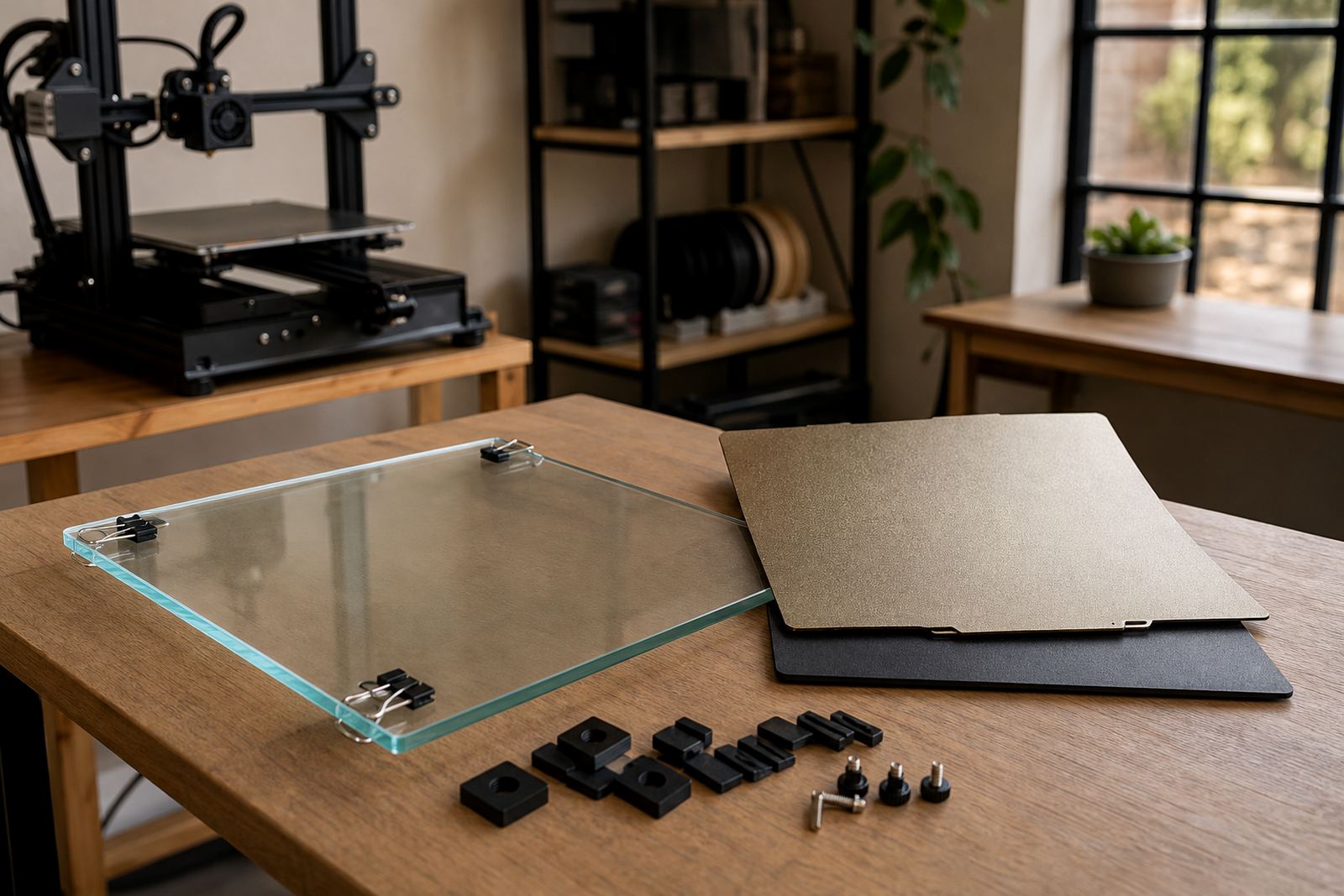
Clip systems are still useful where simplicity matters most. They suit printers that are not changed often and where the user wants a low-cost solution with few parts to replace. Schools often prefer this route because it is easy to explain to learners and there are fewer small pieces to misplace. For a machine that stays in one place and prints the same type of parts week after week, clips can be perfectly adequate.
That said, clips can get in the way. They may reduce usable bed area, especially on smaller machines. On some printers the clips sit close to the nozzle path or interfere with parts near the edges. If the plate needs to be removed often, clips also slow the process down. A bent clip or loose one can create a raised point and that is enough to spoil adhesion on the next job.
- Best for printers that stay in one setup for long periods
- Useful when budget is tight and bed changes are rare
- Common in classrooms and entry-level workshops
- Can be affected by clip placement and edge clearance
Why magnetic removable systems suit busy print farms
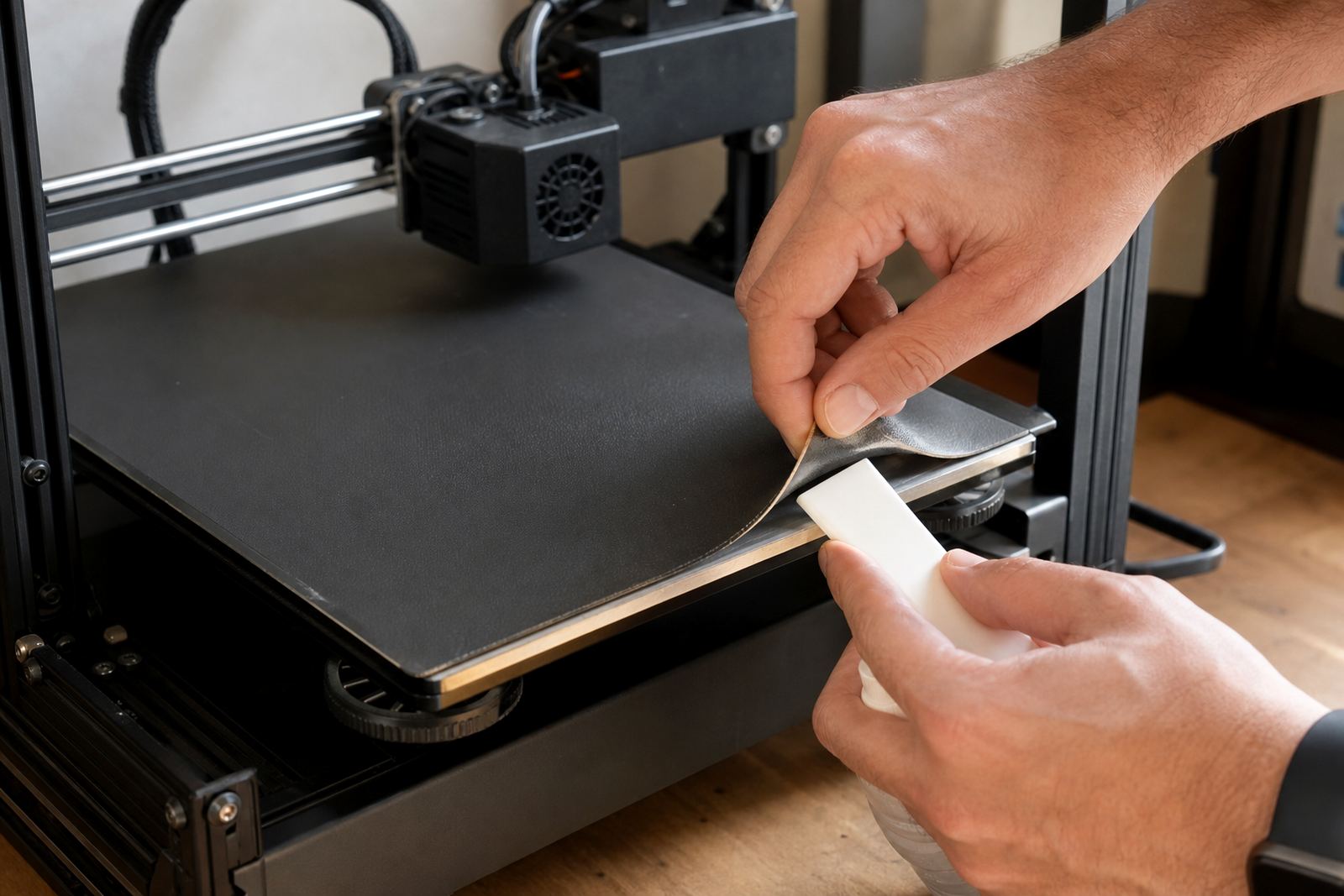
Magnetic removable beds are popular where throughput matters. If you run multiple printers, you want each machine to return to service quickly after part removal and surface cleaning. A removable plate makes that easier. Many operators in Johannesburg and Pretoria use this approach for short production runs, because it cuts handling time and helps keep the workflow steady.
The main advantage is repeatability. If the base is fitted correctly, the plate returns to the same position and you get more consistent first layers. That is helpful for farms producing replacement brackets, jigs and school lab parts where consistency matters more than novelty. It also makes surface refresh work simpler because you can remove the plate for cleaning rather than reaching over the frame.
There are limits though. The magnetic layer must be installed on a clean flat bed and it must be rated for the temperatures used. If the adhesive backing lifts or the magnet weakens over time, the whole system becomes unreliable. In hot rooms or on machines that run bed temperatures often above 100 °C, you need to check the fit regularly and not assume it will stay perfect forever.
- Faster part removal and quicker changeovers
- Helpful for farms, schools and small production teams
- Works best when fitted to a clean and flat heated bed
- Needs correct temperature rating for the application
Heat, flatness and first-layer confidence
Schools and training rooms usually benefit from a system that learners can understand without much supervision. Clip-mounted plates can work well here because the fit is visible and the setup is easy to explain. However, where staff want quicker turnaround and less handling, a magnetic system can reduce friction during practical sessions. The right answer depends on the age group, the printer model and how many people are using the machine each week.
For school lab setup, the real issue is usually not the surface alone but the process around it. If the bed is warped, if replacement plates are mixed up, or if the nozzle height changes from machine to machine, no surface will solve that. A good setup includes consistent plate size, a simple cleaning routine and clear guidance on when to replace a worn sheet.
- Keep one cleaning method for all machines in the room
- Label plates if different materials are used
- Show learners how to remove parts without forcing the plate
- Check that the bed and plate size match before fitting
A Centurion example: balancing speed and maintenance
In a small Centurion print room, the team may be running a mix of school samples, client prototypes and repeat parts for local makers. In that setting, the plate choice affects the whole day. A clip system might be fine on one machine used for occasional jobs, while the busier printers benefit from magnetic removables because they cut the time between prints. That mix is often the most practical answer.
What matters is planning the bed system around real use. If the machine runs hot parts all week, factor in surface refresh and replacement planning. If the printer moves between classrooms or collection points, choose a fitting method that stays secure during transport. If you need custom size cutting, make sure the final plate can still clear the clips, carriage and frame without rubbing.
For makers and farms across South Africa, the best setup is the one that stays easy to maintain. Not flashy, just reliable. When the surface is correct, the first layer sticks, the job starts cleanly and the printer gets on with the work.