
Why a build plate needs proper packing
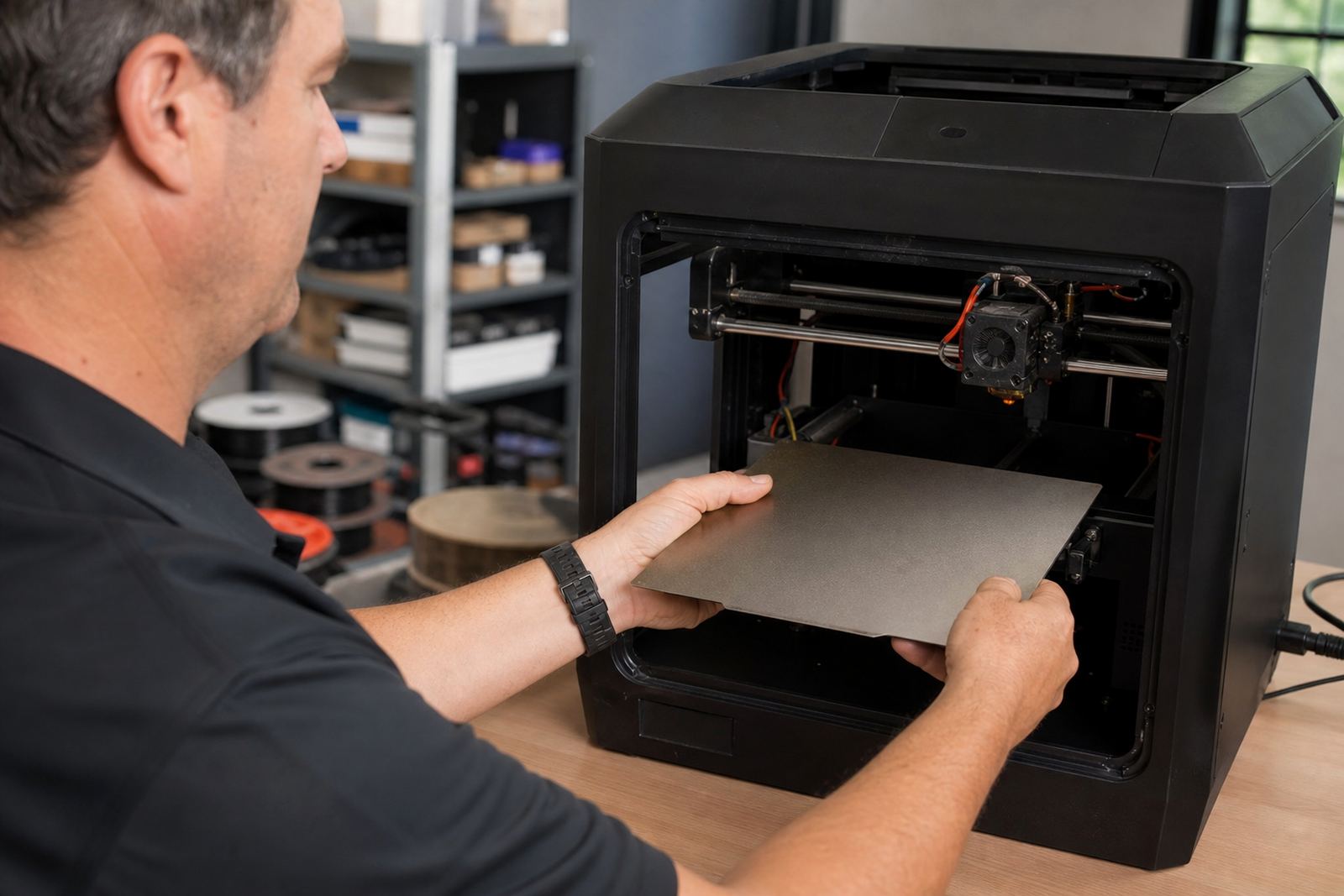
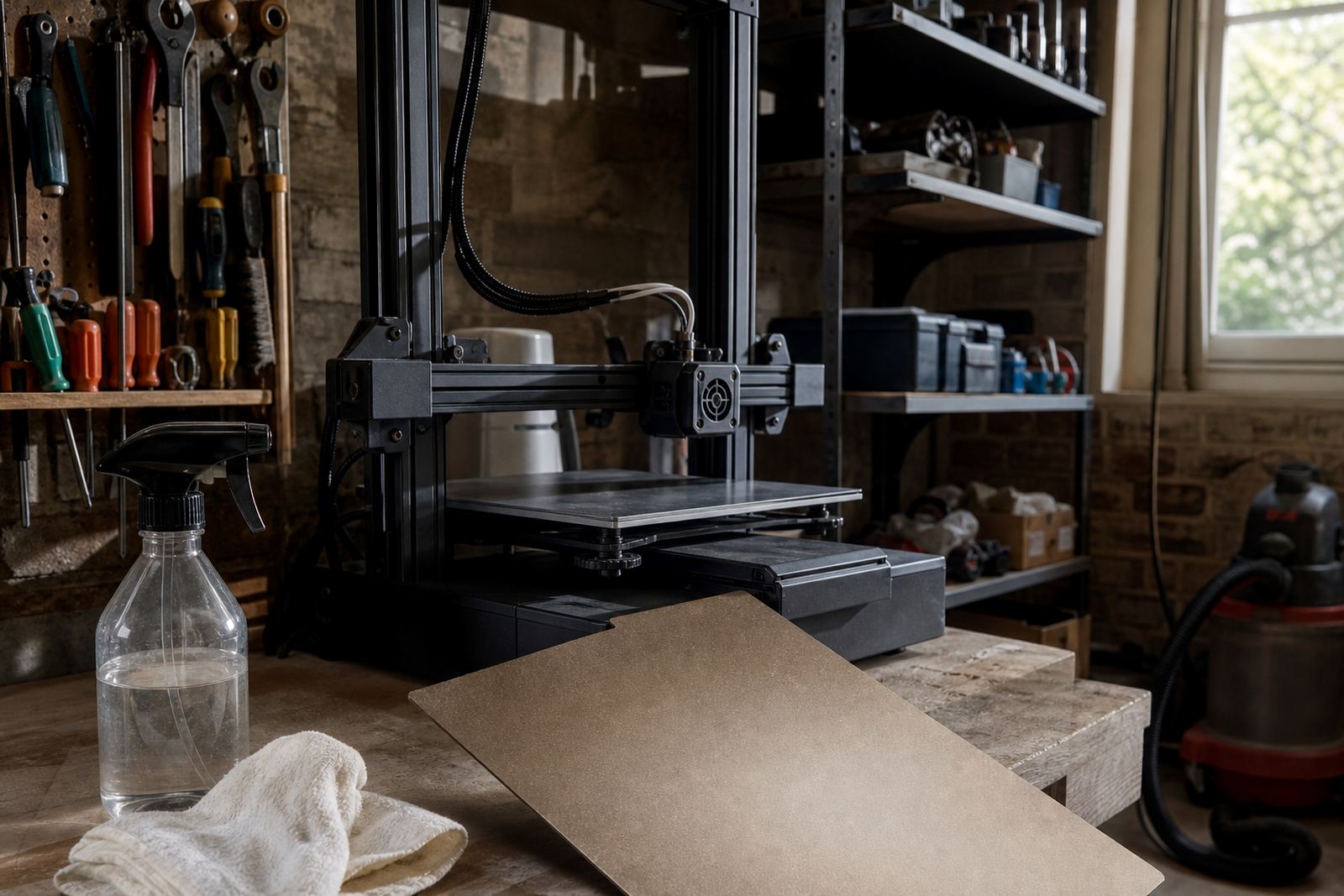
A 3D-printer build plate looks simple, but it can be ruined by a poor trip. Even a slight bend can affect first-layer consistency, and a scratched PEI surface can cause patchy adhesion or stubborn release. Once a plate is marked or warped, the printer starts asking for extra calibration time and more waste filament.
Good shipping starts with the surface itself. It should be kept clean, covered and supported so it does not flex inside the parcel. For glass, spring steel, aluminium or magnetic systems, the goal is the same: keep the plate flat, keep dust off it and stop it moving around in the box. That matters whether the order is going to a home workshop in Centurion or a school lab in Bloemfontein.
What packaging should do on a South African route
Local delivery can mean a short run across Pretoria or a longer trip from Gauteng to the coast. Parcels may sit in depots, move between vehicles, or get stacked with heavier cartons. Good packng should be designed for those conditions, not just for a shelf handover.
- Use a rigid outer carton that does not crush easily.
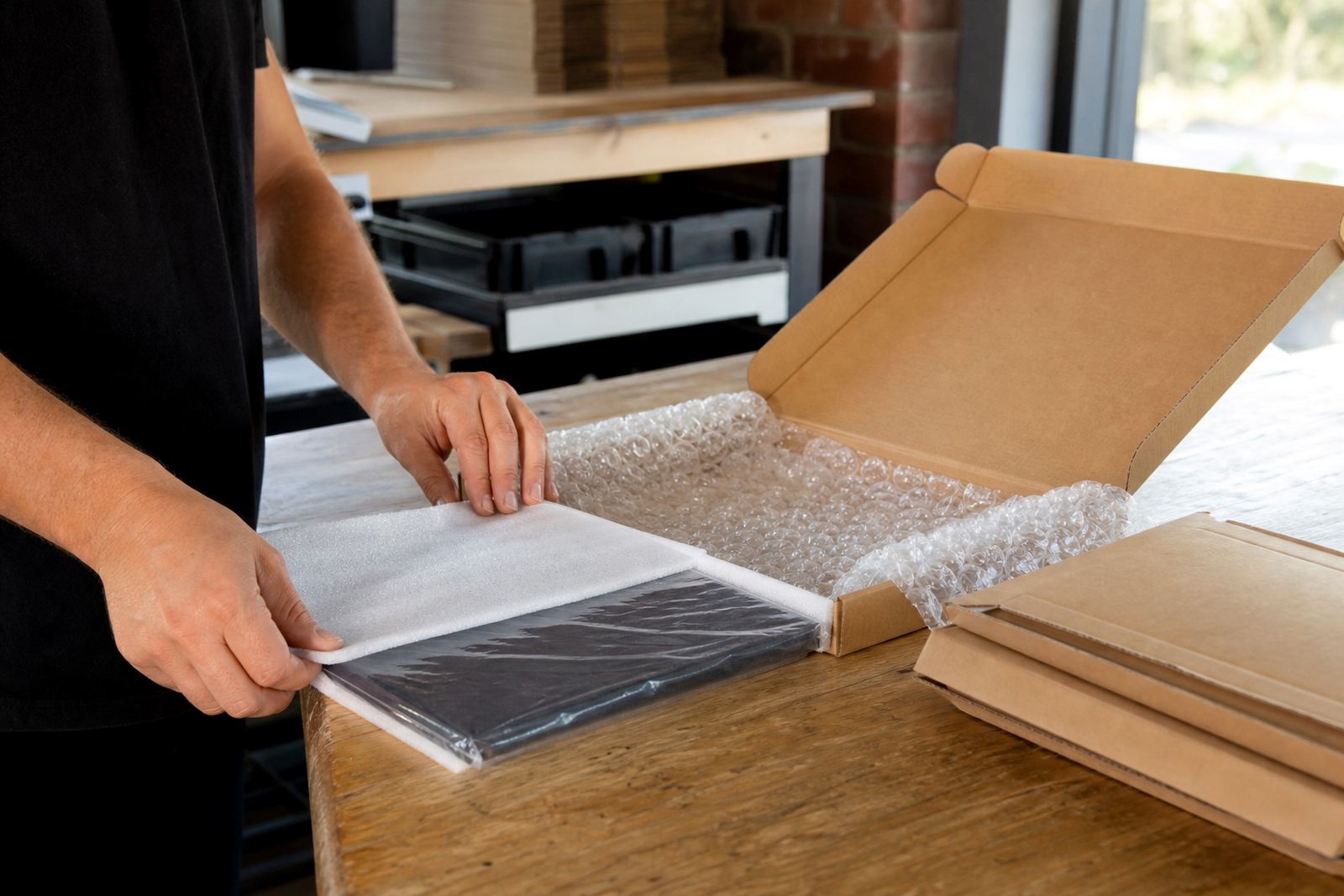
- Keep the plate flat with stiff board or foam both sides.
- Wrap the surface in a clean protective sleeve or film.
- Seal the edges so dust, moisture and grit do not get in.
- Keep magnets, clips and fittings in a separate bag so they do not scratch the face.
For Cape Town or Durban deliveries, moisture control matters as much as impact protection. Coastal humidity can leave marks on unprotected metal, especially if the parcel is opened late or stored for a few days before fitting.
How to ship PEI sheets without damaging the finish
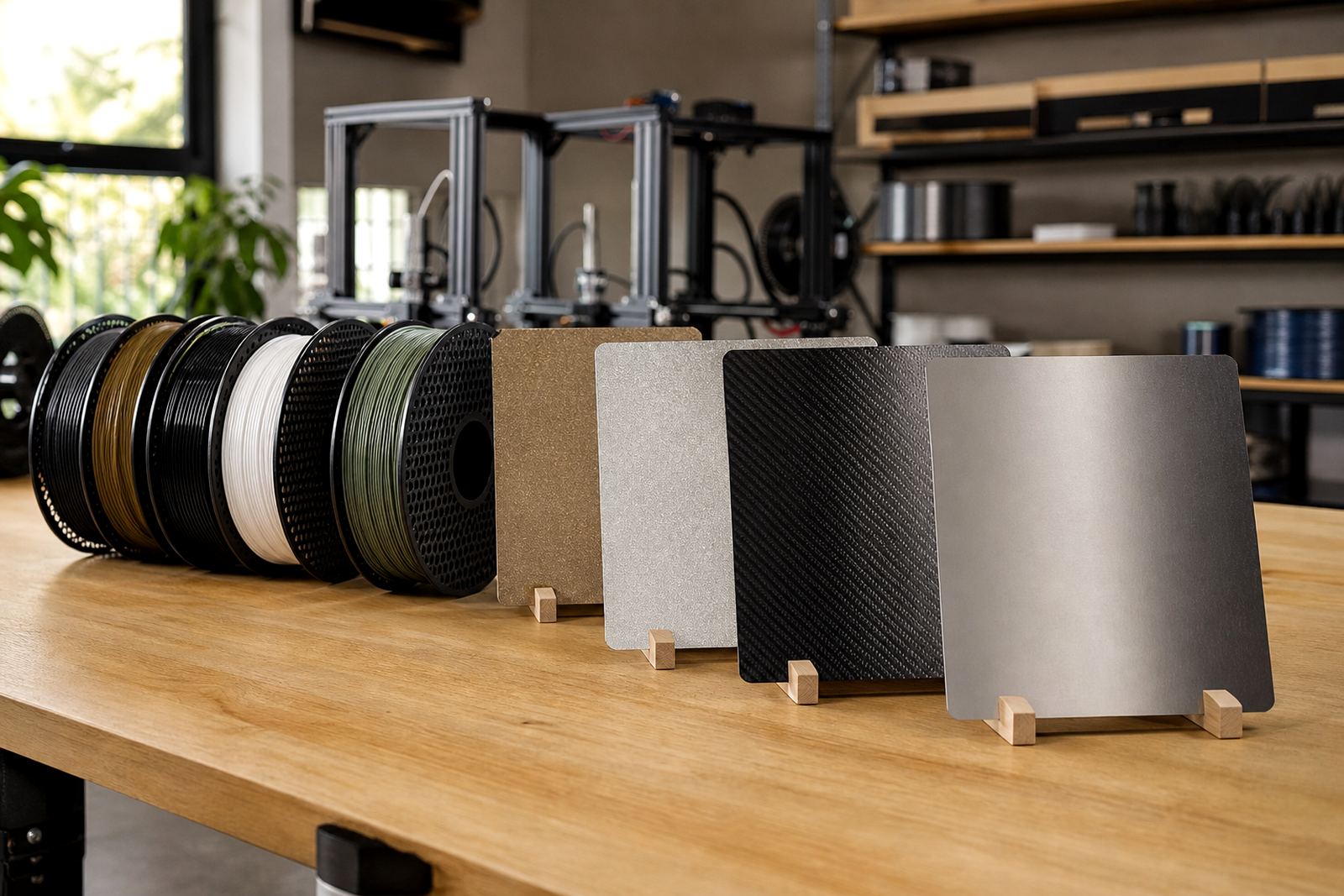
PEI sheets need extra care because the working surface is what the user sees first. Any crease, sharp bend or contaminated adhesive side can shorten the life of the sheet before it even reaches the printer. That is why sheets should be stored flat and packed with clean hands or gloves when needed.
If the sheet has adhesive backing, the liner must stay in place until installation. Once dust gets onto the adhesive, the bond can fail at the edges. That leads to lifting, bubbles and uneven contact across the bed. A clean flat pack is especially useful for schools and print farms where multiple beds are being fitted at once.
- Never roll a rigid sheet that is meant to stay flat.
- Separate adhesive parts from the print surface with release paper.
- Label the size clearly so the right plate reaches the right machine.
- Avoid loose staples, tape ends or sharp cutters inside the parcel.
What schools and print farms should ask for
Schools, makerspaces and production rooms usually need more than one plate at a time. In that setting, shipping is also about repeatability. If ten plates arrive and each one is wrapped differently, fitting time rises and mistakes follow. The better approach is standardised packng and clear labelling for each machine type.
A print farm in Johannesburg may need replacement plates on a regular schedule, while a school in Pretoria East may want spare beds for classes and maintenance days. In both cases, the receiving team should be able to match the plate size, surface type and fitting method without guesswork. That helps with stock control and reduces downtime when one machine is off line.
- Ask for size markings on every plate.
- Keep machine groups standardised where possible.
- Store spares in a dry cupboard, not on a concrete floor.
- Record which beds are in use, cleaned or due for replacement.
Flatness, edges and the risk of damage in transit
Many shipping problems only show up when the plate is installed. A plate can look fine in the box but arrive with a lifted corner, a bent edge or a slight twist. That is why proper packing should protect not just the face, but also the sides and mounting points. If a magnetic base is included, the full assembly must stay aligned from dispatch to delivery.
For aluminium plates, a corner knock can change how the bed sits on the carriage. For glass, a small impact can create a chip that becomes a crack later. For spring steel, a dent is enough to affect the snap-back feel and the quality of release. The safer rule is simple: if the box can flex, the plate can take a hit.
In practice, that means the outer carton should be the right size, with no voids that let the product slide. It also means the parcel should not be used as a catch-all for screws, clips or spares unless they are protected in a separate pouch.
A local example from dispatch to doorstep
Take a small order leaving Centurion for a makers group in Durban. The plate may start its trip in dry inland air, then spend time in a cooler coastal environment before fitting. If the packaging is loose, the surface can pick up dust, and moisture can settle on unprotected edges. By the time the team opens the box, they may need to wipe, inspect and recheck the bed before printing starts.
Now compare that with a well-packed shipment. The plate stays flat, the finish stays clean and the installer can fit it straight away. That saves time for the buyer and avoids the usual back-and-forth about adhesion problems that are really packaging problems. The difference is not fancy, just careful handling from the start.
For customers across Pretoria, Midrand, Cape Town, Durban, Bloemfontein and Gqeberha, shipping quality should feel consistent. The distance changes, but the standard does not.
What to check before you send or receive a plate
Before a plate leaves the workshop or lands on the bench, a short inspection helps catch most avoidable issues. This is especially useful when ordering for multiple printers or planning replacements ahead of busy teaching terms or production runs.
- Confirm the exact size and machine fit.
- Check the surface for scratches, fingerprints and dust.
- Make sure the plate is flat and corners are intact.
- Verify all fittings are present and packed separately.
- Keep the parcel dry, upright and away from heavy items.
A careful shipping process protects the product and the print schedule. It also makes installation easier, which is often the real goal. When a build plate arrives clean, flat and ready, the printer can get back to work with less trial and error.