
Start With A Clean, Repeatable Shift Hand-over
In a print farm, cleaning should not depend on who happened to be on duty that day. Use a written hand-over that says what was printed, which machines need attention, and which plates were removed, washed or stored. That way the next shift is not guessing whether a surface was handled properly or if a part failed because of a dirty bed.
Keep the first five minutes of every shift for a quick room walk-through. Check for loose scraps, failed prints on the floor, tools left on machines, and any plates with residue or chips along the edge. In Centurion and Pretoria East, where many teams run early morning and evening shifts, this small routine helps avoid lost time later in the day.
- Log each machine before the first print starts
- Clear loose stringing, purge blobs and broken parts
- Confirm plates are seated flat and clipped or fixed correctly
- Set aside any plate that needs a deeper clean or replacement
Daily Bed Care That Protects Adhesion
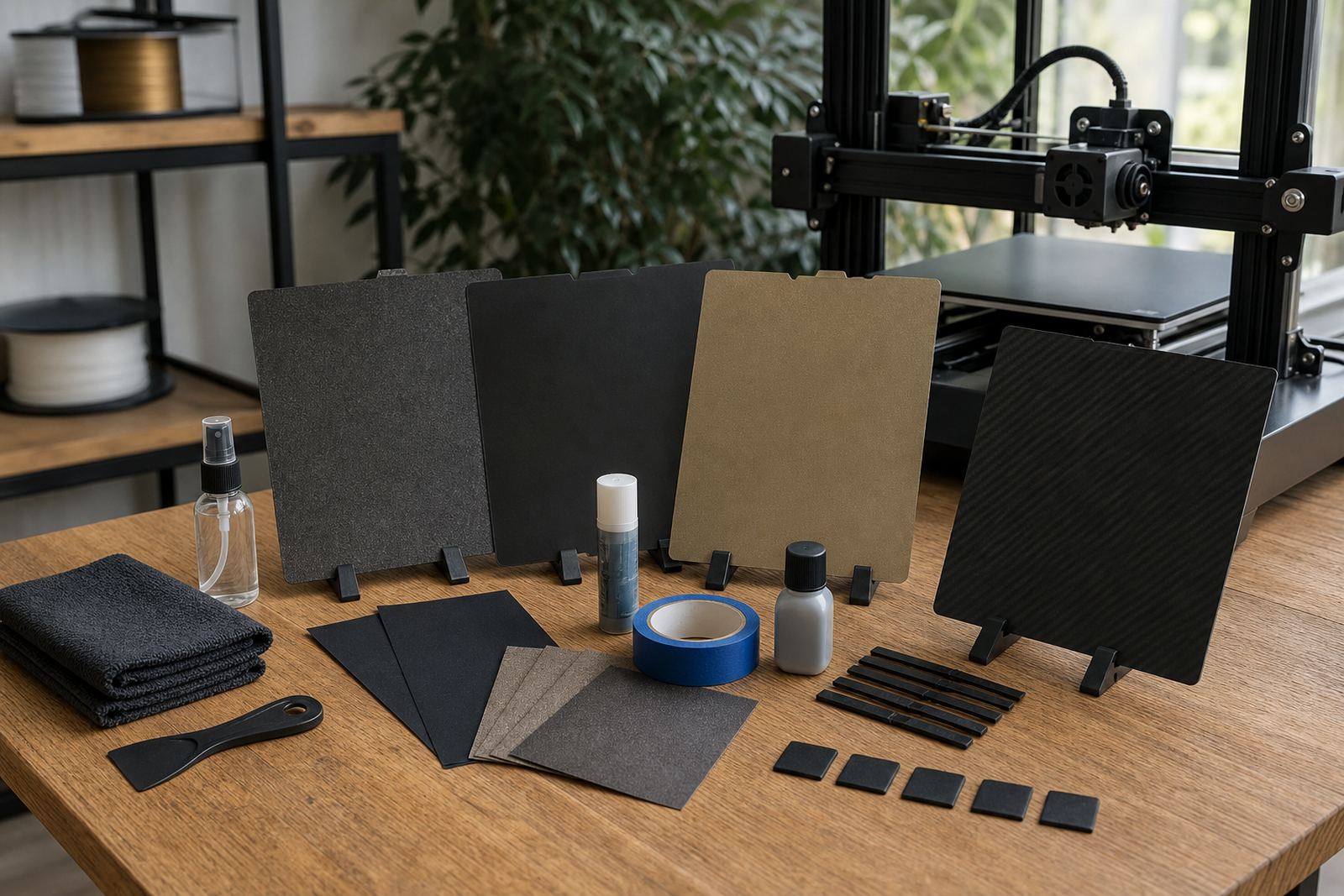
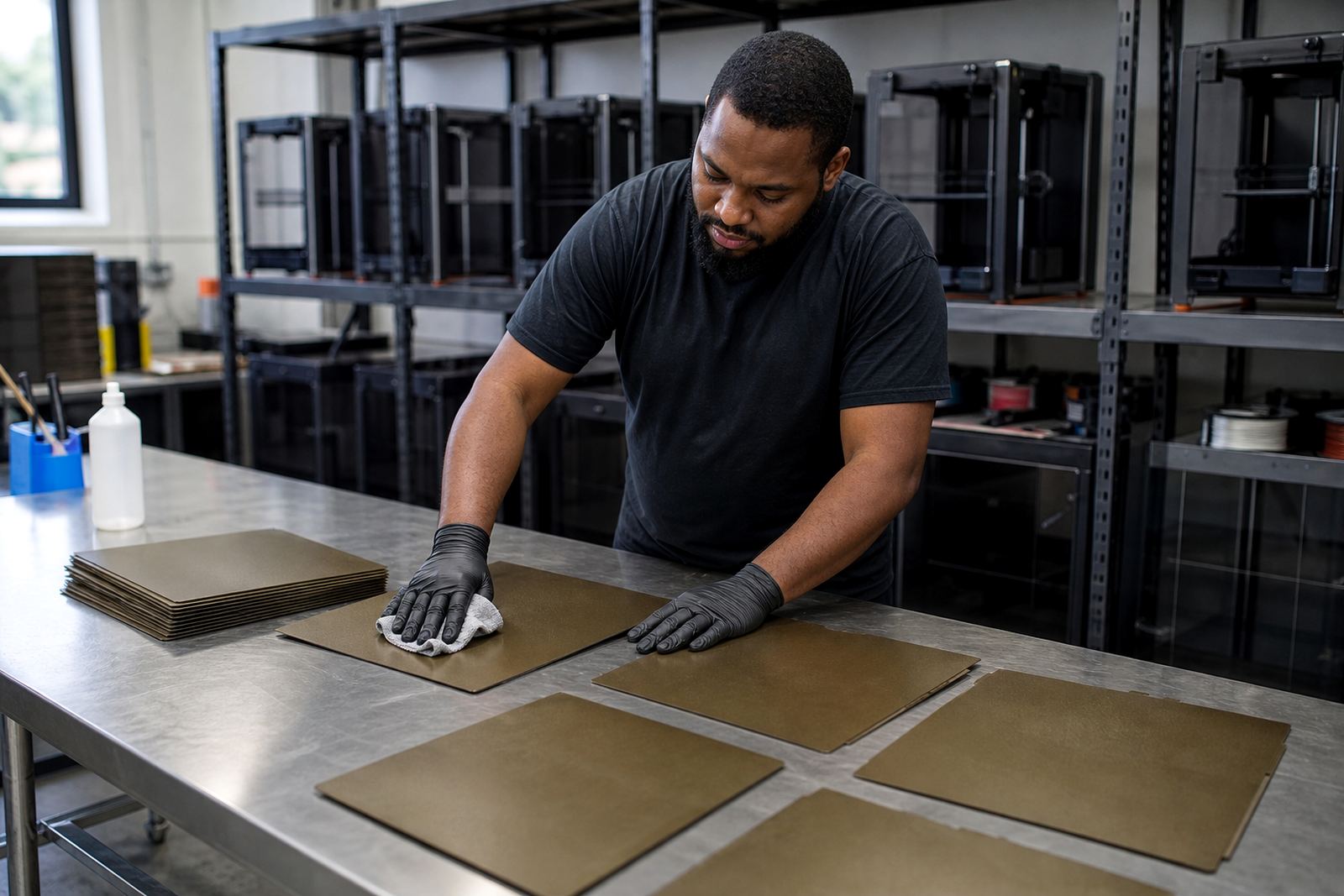
The build plate is the working surface, so it needs daily attention. Wipe it with a suitable cleaner before the first print and again after any job that leaves glue, skin oil or debris behind. A clean plate gives more predictable first layers and reduces the chance of a failed batch, which is especially important on long print runs in school labs and small production rooms.
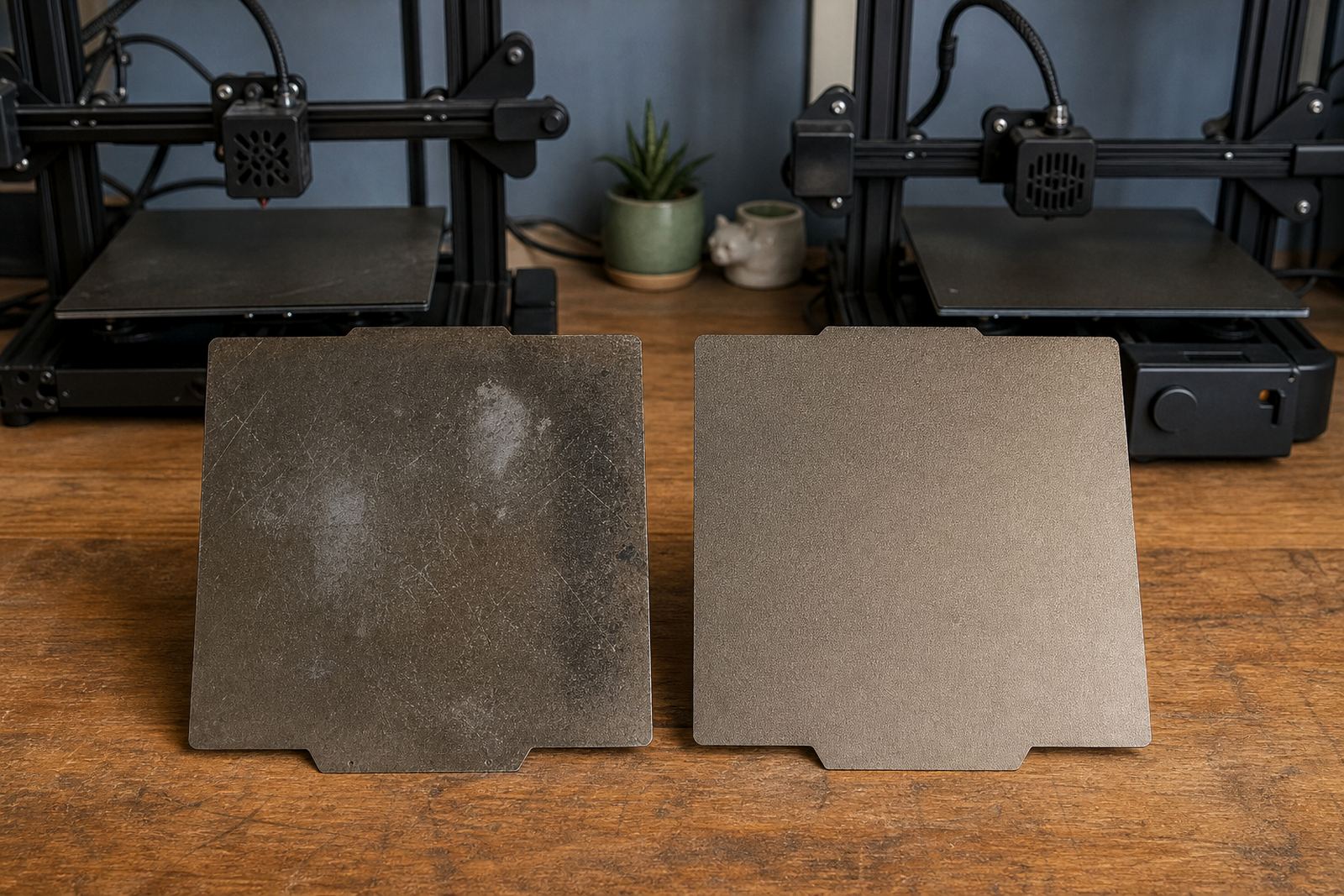
For PEI sheets, use light, even pressure and avoid harsh scrubbing that scratches the finish. If the surface starts to look shiny in the centre or patchy at the edges, do not wait until prints begin lifting. Mark the plate and move it to a lower-demand machine if needed. A few minutes now can save hours later, and the team wont be chasing bad first layers all afternoon.
- Remove filament bits and dust after every batch
- Check for glue build-up, fingerprints and leftover brim material
- Inspect corners for lifting, scuffs or heat marks
- Return each plate to the same machine or labelled storage slot
Weekly Deep Clean Without Stopping Production
Once a week, schedule a deeper clean on a rotating basis so not every machine is offline at once. Remove the plates, wipe the magnet base, check cable routes and clear any debris from around the bed carriage. If the room runs through load-shedding backup periods, this is a good time to tidy up before power returns and the queue restarts.
Do not forget the area around the printers. Dust on shelves, cardboard offcuts, resin spill bottles and loose filament tails all end up back on the machines if they are left where they are. In Gauteng, fine dust from open doors and workshop traffic can build up quickly, so a short weekly clean is better than a big rescue job after a month.
- Vacuum the floor under and behind each printer
- Clean fan guards, cable trays and control panel surrounds
- Check for warped plates or magnet areas that no longer sit true
- Separate damaged consumables from reusable stock
Keep Humidity, Heat And Dust From Undoing The Work
South African print rooms face different conditions depending on location. Coastal areas like Durban and Gqeberha deal with humidity, while inland rooms in Johannesburg and Bloemfontein often fight dust and dry air. Both can affect bed adhesion and the condition of PEI sheets if you ignore storage and handling.
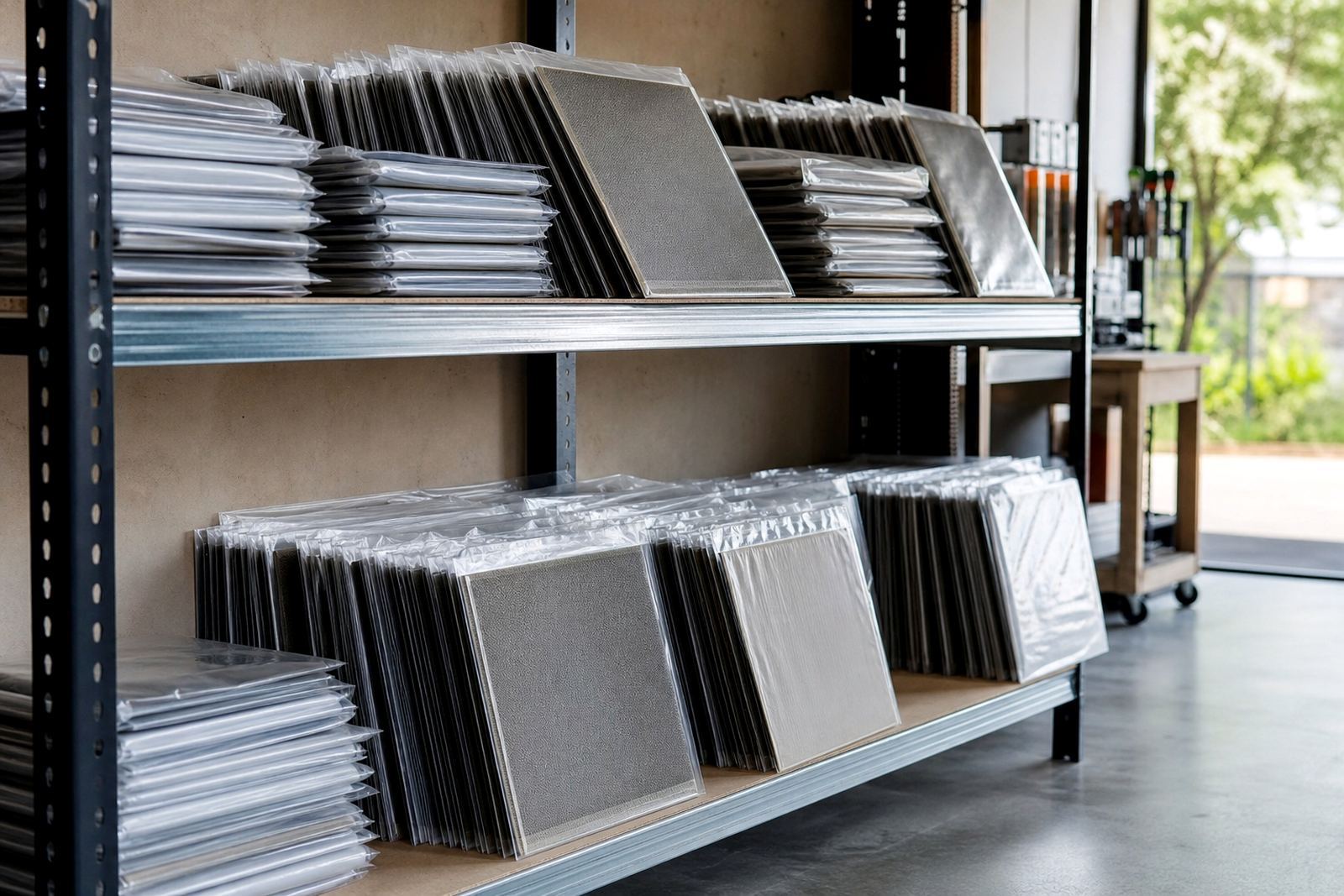
Store clean plates upright or flat in a dry area, away from loose coolant spray, lubricants and direct sun. If the room opens to a loading bay or workshop, cover plates between jobs so dust does not settle on the surface. A plate that looks clean enough by eye can still carry enough contamination to ruin the first layer, which is a common problem on busy farms with many operators. It sounds small but it changes the whole run.
- Keep spare plates in sleeves or on clean racks
- Avoid stacking dirty plates against clean ones
- Wipe hands before handling a fresh build surface
- Use local storage rules for flammables and cleaning agents
Standardise Cleaning Across A Multi-Machine Farm
When one operator uses soap and another uses solvent, results drift. Standardise the method across the farm so every printer gets the same treatment. Assign a cleaning type to each bed, for example quick wipe, full wash, or replacement check, and label the machine or plate accordingly. This helps when you are running school batches, client orders, and test prints at the same time.
A common approach is to pair each printer with a simple checklist. It should say what cleaner to use, how often to refresh the surface, and when the plate should be swapped out. In a larger Centurion workshop, this kind of discipline makes it easier to train new staff and keep output steady even when the team changes. It also reduces arguments about whether a bed was actually cleaned or just looked clean.
- Use one cleaning method per plate type
- Label plates for active use, spare use, or inspection
- Track rejections caused by poor first-layer adhesion
- Review the routine monthly and update it after failures
Train The Team To Spot Wear Before It Costs A Batch
Cleaning is only part of the job. People need to know what wear looks like. A good operator can spot a plate that has lost grip, a magnetic base that has shifted, or a surface that no longer releases parts cleanly. That is where short training sessions pay off, because the warning signs are often visible before the prints start failing.
In practice, teach the team to look for one thing at a time. First the surface, then the fit, then the result on the bed. If a part begins lifting at the same corner on more than one machine, the problem may be the plate, the fitment, or the print settings and not the model itself. Keep a simple record so the same fault does not keep coming back.
At LayerPad, we see this pattern across schools and print farms from Pretoria to Cape Town. The farms that stay tidy are not the ones with the fanciest kit, but the ones that follow the same routine every day and give each plate the attention it needs.