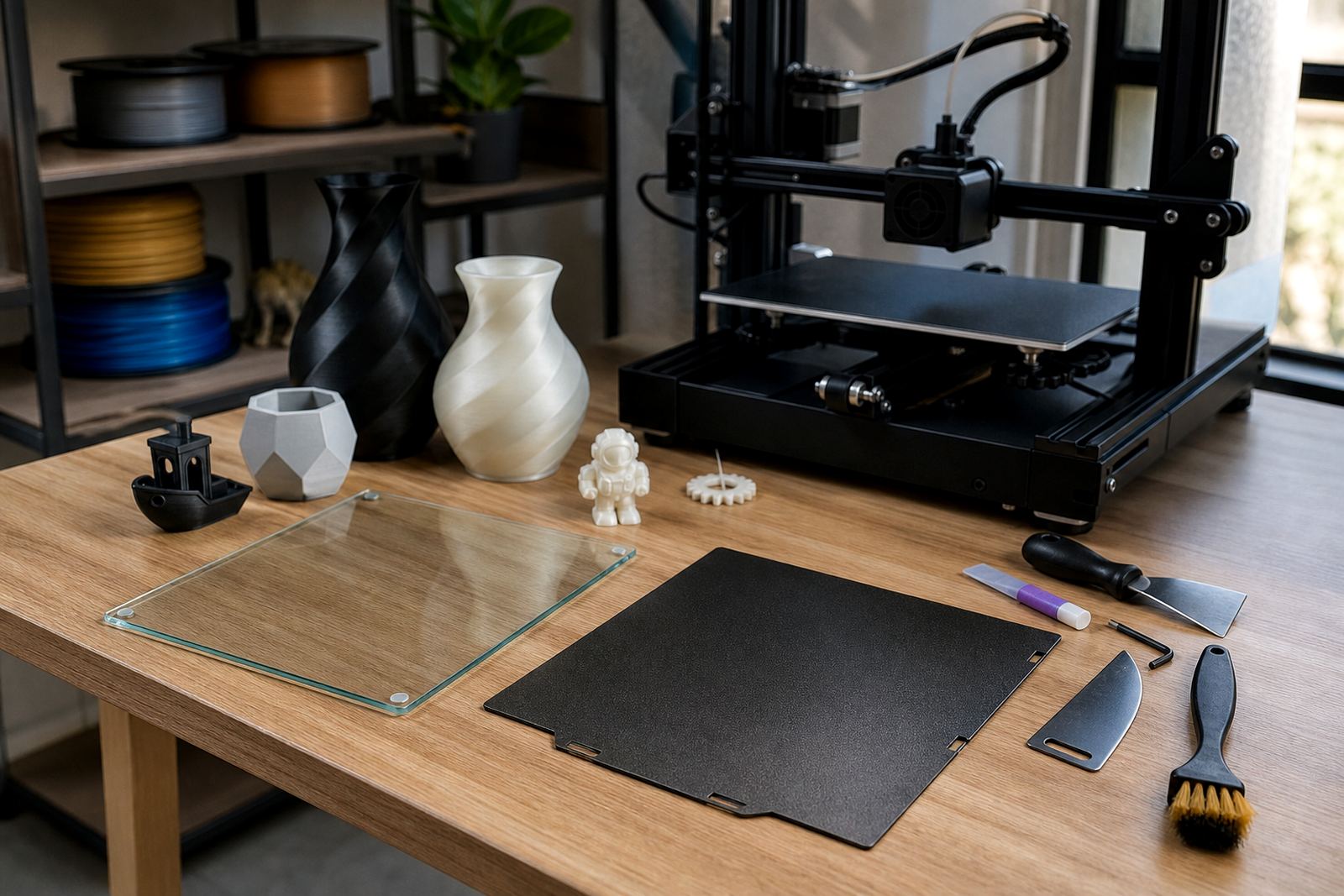

Why plate storage matters more than most people think
In a busy workshop, spare plates often get stacked on a shelf, leaned against a wall, or left on a bench near cutting tools. That is when warping, surface damage and contamination start. A plate that looks fine at first glance can still fail on the next print because the surface picked up dust, oil from hands, or a slight bend from poor storage.
South African conditions make this worse. In Gauteng the air can be dry and dusty, while coastal sites in Durban, Gqeberha and Cape Town deal with humidity and salt in the air. Both can affect how clean a plate stays and how well adhesives last. If the plate is stored properly, it holds its flatness and is easier to put back into service after load-shedding or a busy run of jobs.
- Keep spare plates in one dry, marked area
- Avoid stacking heavy objects on top of them
- Separate used plates from ready-to-fit stock
Keep plates flat and supported, not leaning at odd angles
The biggest mistake is leaning plates upright against a wall for weeks. Even a slight tilt can put pressure on one corner and cause a plate to sit out of square. Over time that affects bed contact and first-layer consistency. Flat storage is better, especially for larger build plates used on school machines and print farms.
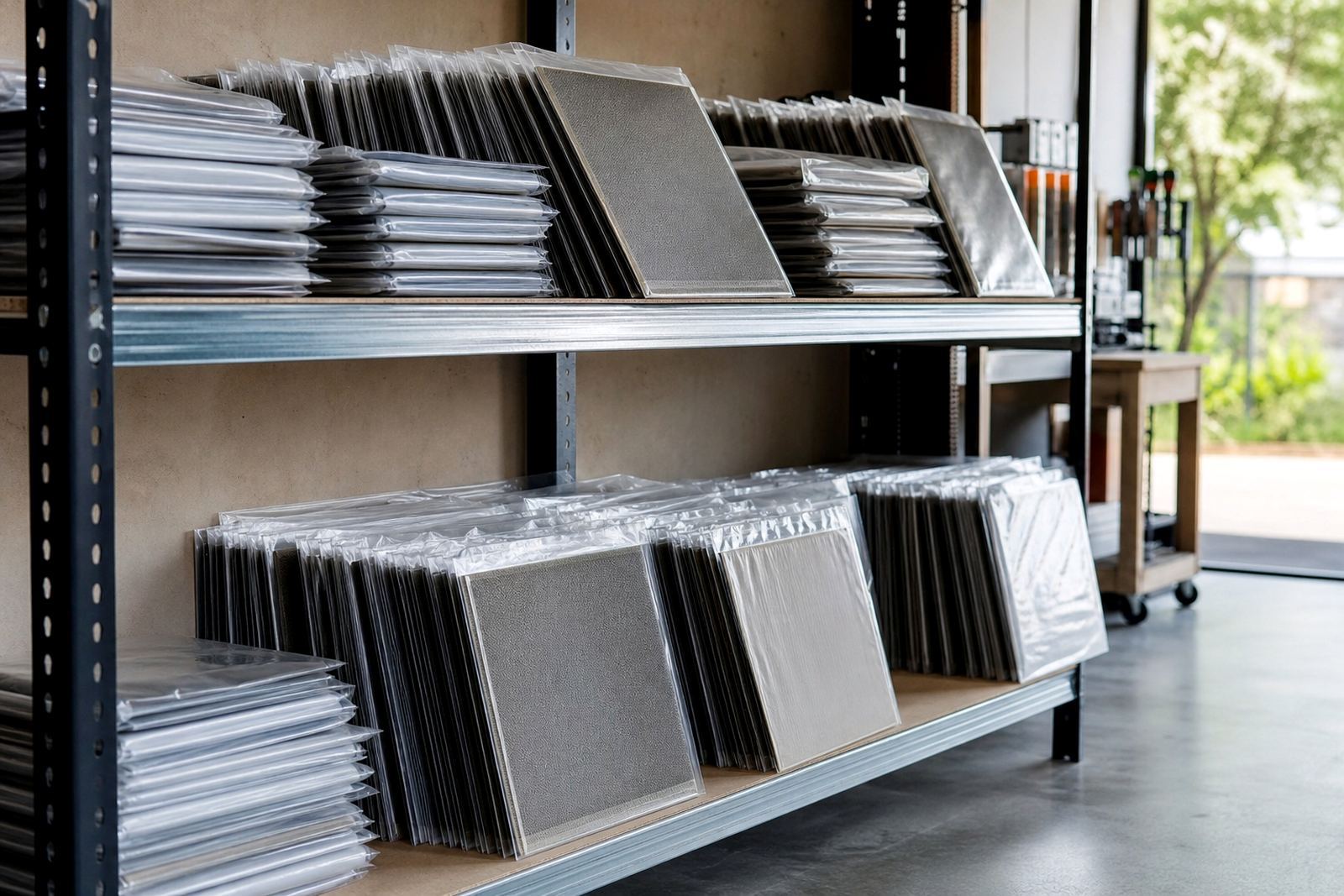
If you must store plates vertically, use a rack with full-length support so the plate cannot sag. For magnetic build surfaces, make sure the steel sheet is stored separately from sharp tools and loose screws. A thin protective sheet or clean separator between plates helps stop scratching and keeps the edges from chipping.
- Use a rack with full support along the length of the plate
- Keep magnetic sheets away from abrasive tools
- Label each plate size so staff can grab the right one quickly
Clean before storage so dirt does not become a permanent problem
Do not put away a plate covered in glue, oil or filament dust. Once those marks sit for a few days they become harder to remove and can leave high spots that show up in the next print. A simple wipe down after use is usually enough, provided the surface is cleaned with the right method for that material.
For most plates, a lint-free cloth and a suitable cleaner will remove fingerprints and residue. Let the plate dry fully before storing it. Moisture trapped in a cupboard or sealed container can lead to spotting, rust on exposed metal edges, or a dull patch on the print surface. That is especially true in coastal areas where humidity stays high for much of the year.
- Remove adhesive residue before it hardens
- Dry plates fully before packing them away
- Store clean cloths and cleaners near the plate station
Protect PEI and coated surfaces from scratches and dust
PEI sheets and other coated surfaces need a bit more care than plain metal plates. A single scratch from a loose nozzle tool or a rough stacking habit can leave a permanent mark on the surface. Once that happens, the print may still stick in one area and lift in another, which makes first layers less predictable.
Use interleaving sheets, soft sleeves or a dedicated storage folder for coated surfaces. Keep them away from sanding dust, swarf and cardboard cuttings. In a small studio or school lab, the storage area should be separate from general hardware bins. It does not need to be fancy, just clean and consistent.
- Never place coated plates face-to-face without a separator
- Keep tools and cutters out of the same drawer
- Use one clearly marked slot per plate size
Plan for quick changeovers in print farms and school labs
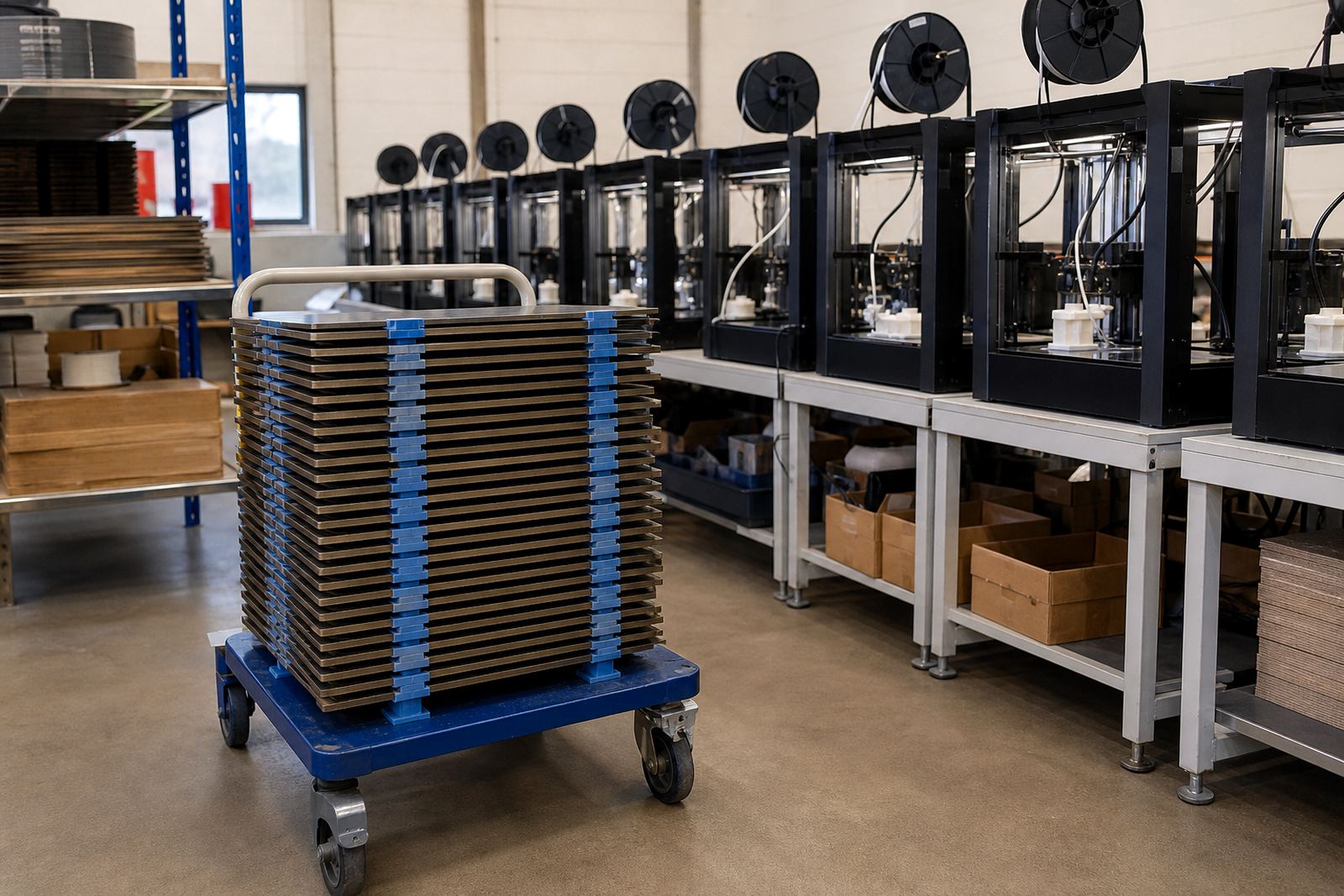
When a print farm is running several jobs a day, storage should support fast rotation. If the spare plate is hard to find, mixed up with used stock, or not clearly labelled, staff waste time and may fit the wrong size. Good storage is part of production control, not just housekeeping.
A simple numbering system works well. Mark each plate by machine, size, and surface type. Keep a note of the last use date, whether it needs a surface refresh, and if it is due for replacement. Schools often benefit from a central storage board near the printer area so learners and staff can see what is ready, what is out for cleaning, and what must not be used yet.
- Label plates by machine and surface type
- Record last use and cleaning status
- Keep ready stock separate from plates needing attention
Build a storage routine that works through power cuts and busy weeks
Load-shedding can interrupt a print job halfway through, which means the next shift may be dealing with a warm bed and a half-used plate. A proper routine helps the team reset quickly. Let the plate cool, remove residue, clean it, and place it back in its storage spot before the next round begins. Small habits like this save money and reduce damaged stock.
In Centurion and across Gauteng, many workshops run tight schedules between client orders and machine maintenance. A five-minute end-of-day storage routine can prevent a week of trouble later on. If plates are stored well, they stay flatter, cleaner and easier to fit when production picks up again after a power outage or a school holiday break.
- Cool, clean and store plates at the end of each shift
- Check for bends, scratches or worn edges before shelving
- Replace damaged separators and sleeves before they fail
When to retire a plate instead of storing it again
Not every plate should be kept as spare stock forever. If a plate has repeated adhesion issues, visible warp, worn coating or a damaged edge, storage will not fix it. At that point it becomes a risk to print quality and can waste filament on failed first layers.
A good rule is to inspect spare plates regularly, especially in farms where turnover is high. If the plate needs constant cleaning, still does not sit flat, or gives uneven release after cooling, set it aside for replacement planning. Keeping only usable stock in storage makes the whole system neater and more reliable. No point saving a plate that keeps causing trouble.
- Retire plates with recurring adhesion problems
- Watch for warp, deep scratches and coating wear
- Review spare stock before busy production periods