
Why plate rotation matters when every printer is busy
When a print farm is running from early morning to late at night, the build plate is not just a surface. It is a working tool that sees heat cycles, scraper marks, adhesive residue and repeated part removal. If the same plate stays on the same machine for weeks, small issues begin to show up in the first layer, especially on large jobs and repeated production runs.
Rotating plates is a simple habit with a big impact. It spreads wear across the fleet, gives each plate time to cool and be inspected, and helps you spot changes before they turn into failed prints. For farms in Centurion, Pretoria and Johannesburg, where rush jobs often compete with load-shedding windows, that kind of planning can save hours.
It also makes support easier. If a plate is clearly marked and logged, the team knows which machine used it last, what material was printed on it and whether it needs cleaning or replacement. That is far better than trying to guess why one bed keeps giving uneven adhesion while the others are fine.
What wear looks like on a busy plate
Wear does not always appear as a dramatic scratch. More often it starts with small changes in texture and grip. A plate may still look acceptable to the eye but begins to lose consistency at the edges, or parts lift on the same side every few runs. In a farm setting, this can be caused by repeated scraping, fingerprints, dust, or uneven heating from one machine to another.
Watch for these signs across your plate set:
- Patchy adhesion in the same areas on different prints
- Visible gloss spots where the surface has been overhandled
- Residue that keeps returning after normal cleaning
- Warped corners or a plate that no longer sits flat
- More frequent brim lifts, especially on longer jobs
A plate with these symptoms is not always finished, but it should move out of the main rotation until it has been checked. If the farm relies on school kits, engineering parts or repeat production pieces, a weak first layer can mean rework, lost material and delay on the dispatch bench.
A rotation system that works on the floor
The best rotation system is the one your team will actually use. Keep it simple. Number every plate, assign it to a printer and record when it was installed, cleaned and removed. Many farms in Gauteng use a basic clipboard or shared spreadsheet, and that is enough if it is updated daily.
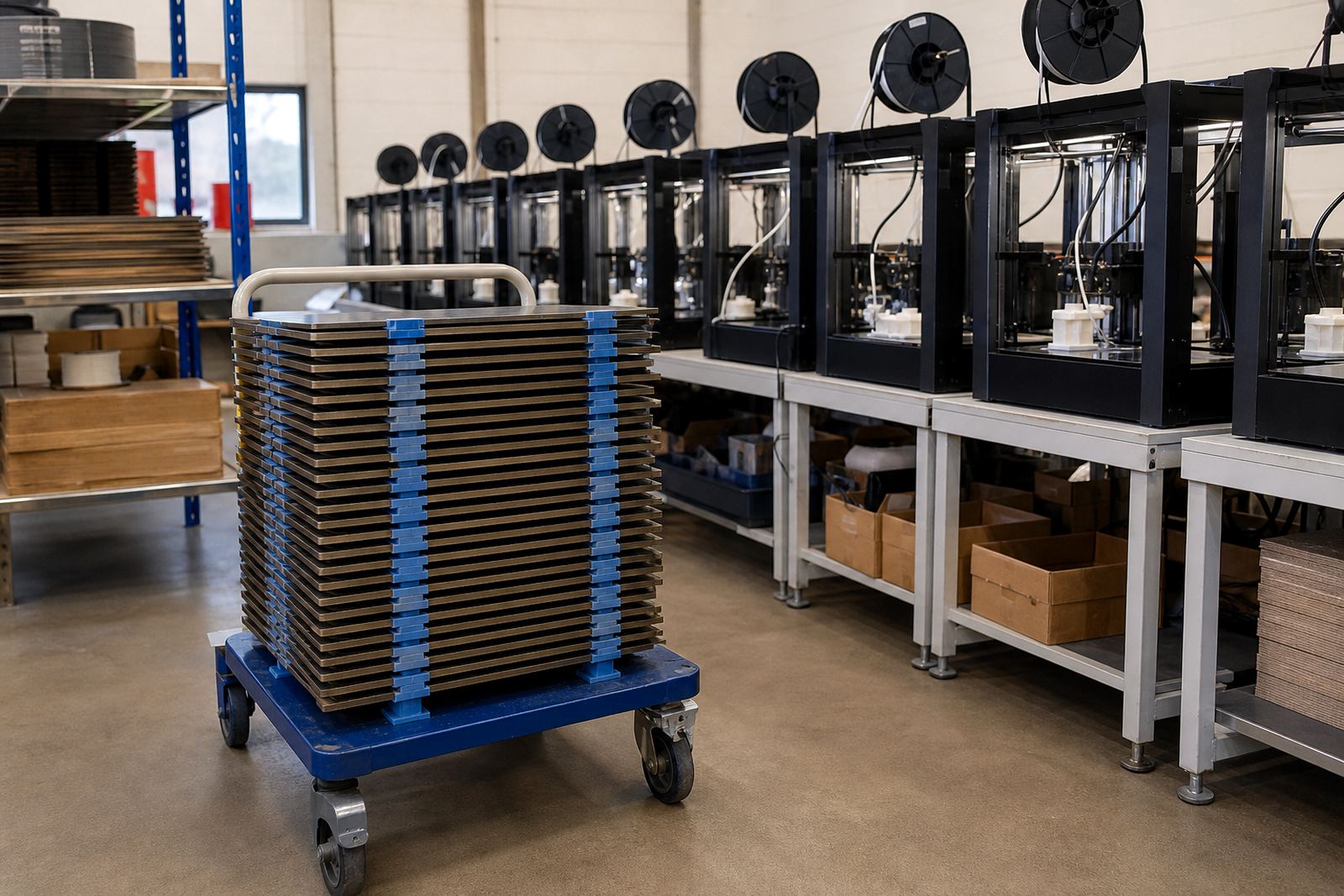
A useful cycle is to move plates between three states: active, rest and service. Active plates are on printers now. Rest plates are cleaned and cooling. Service plates are being checked for flatness, surface condition and magnetic base alignment. This gives the team a clear rhythm and helps prevent one plate being pushed too hard while another sits unused.
Good rotation also helps with material planning. If one batch of parts is being printed in PLA, while another runs in PETG or ABS, you can match plate condition to material needs. That means less guesswork and fewer surprises when jobs change suddenly after a power cut or a late client update.
- Label each plate with an ID that matches the printer log
- Record the last material used and any adhesive applied
- Move plates out of service after a set number of runs or if wear appears
- Keep one spare plate per machine where possible
Tracking wear across machines, not just on one plate
Print farms often look at each machine on its own, but plate wear should be tracked across the whole set. One printer may run hotter, another may have a bed that needs levelling, and a third may be used for overnight batches with less supervision. Over time these differences show up in the plates. Without tracking, the problem gets blamed on slicer settings when the real issue is surface condition.
A simple wear sheet can note the printer number, plate ID, material, job type and any faults seen at removal. After a few weeks a pattern becomes clear. You may find that the same printer causes edge wear because it is used for larger parts, or that certain jobs need a fresh surface every few cycles. That information is practical and it saves money.
For a school lab in Pretoria East, for example, the team may have six printers sharing four plates. If each plate is rotated and logged, learners can print reliably without one or two beds carrying all the load. The same approach works in a Midrand dispatch point or a larger Johannesburg farm where the day shift and night shift do not always hand over the same way.
Cleaning, storage and handling between runs
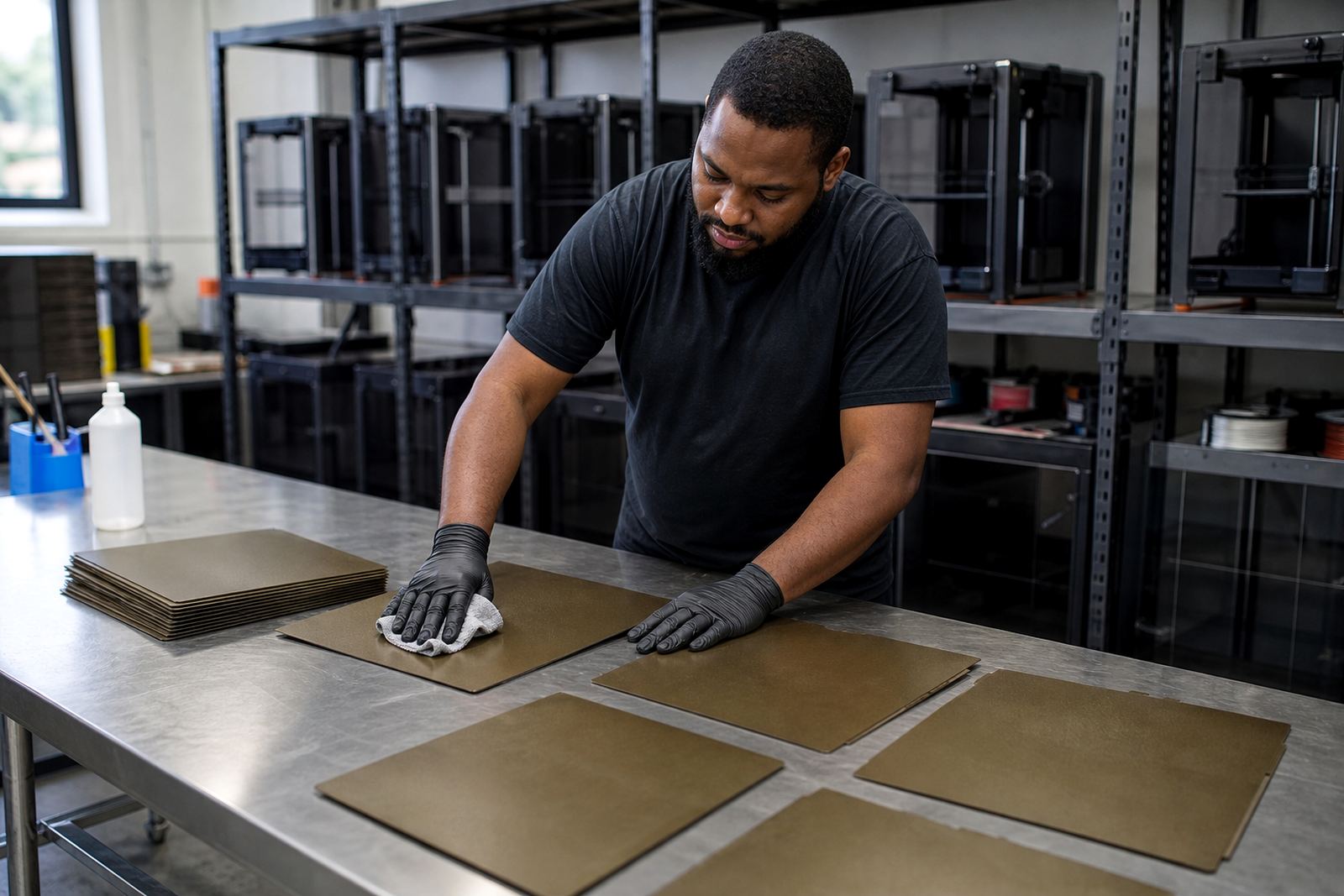
Rotation only works if the plates are handled properly between jobs. A plate taken off a warm machine should be allowed to cool before cleaning, otherwise residue can smear and the surface gets damaged. Use the right cleaning method for the plate material and avoid harsh tools that scratch or glaze the finish.
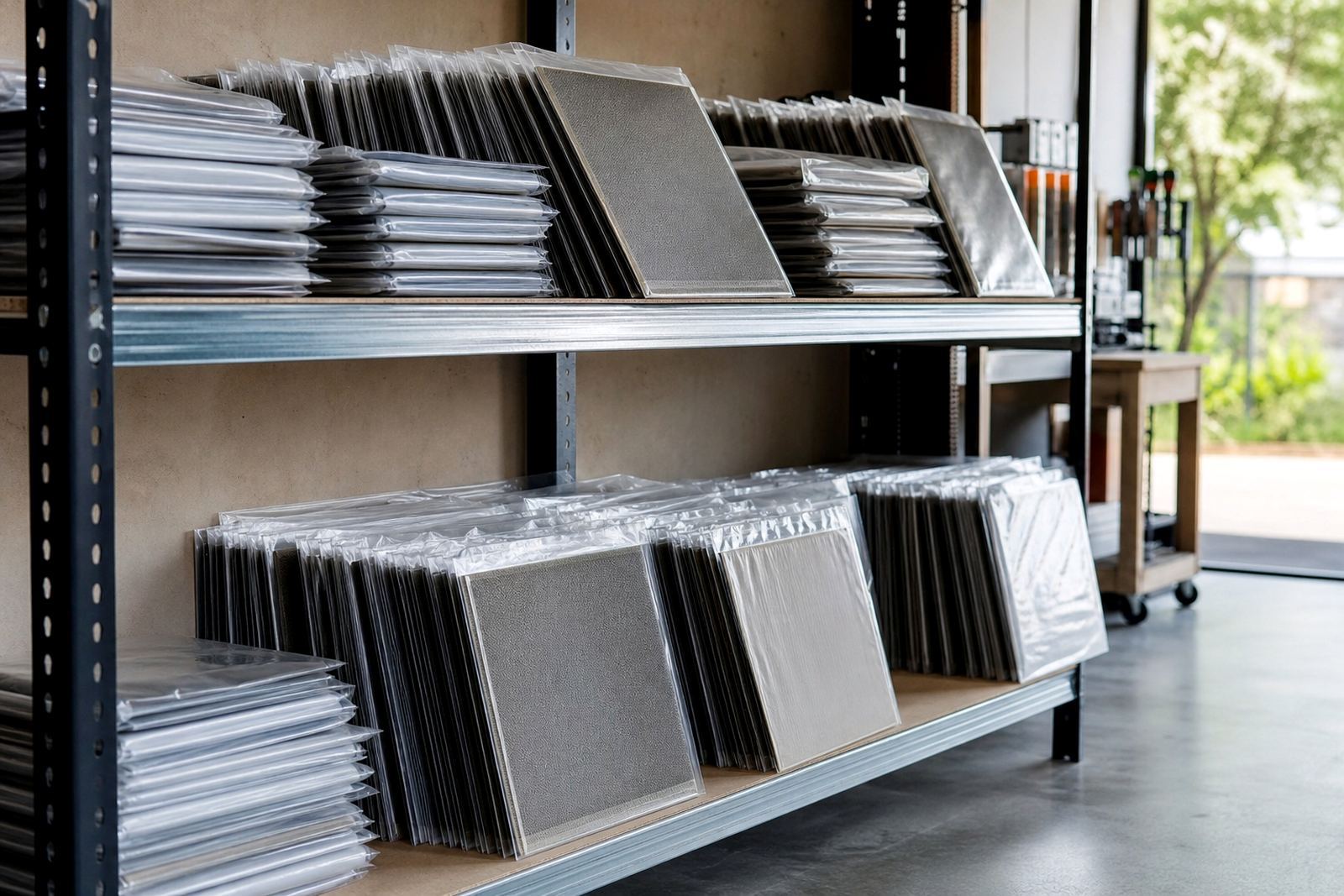
Storage matters too. Keep spare plates flat, dry and away from dust. In coastal areas like Durban and Gqeberha, humidity can affect storage and make contamination return faster, so sealed racks or clean cabinets help. In dry inland workshops, static and dust are often the bigger issue.
When handling plates, train staff to hold them by the edges and avoid touching the print area. It sounds basic, but fingerprints are a common reason for poor adhesion on the next run. A careful routine keeps the surface predictable and reduces the need for emergency fixes when a deadline is close.
- Let the plate cool before wiping or washing
- Use clean, lint free cloths where suitable
- Store spare plates flat and labelled
- Do not stack dirty plates on clean ones
When to replace or reassign a plate
Not every worn plate needs to be thrown out at once. Some can move into lighter duty, such as short test prints, training use or lower risk materials. Others should be replaced because they no longer give a stable first layer no matter how carefully they are cleaned. The decision should be based on repeat performance, not hope.
As a rule, replace or retire a plate when wear becomes visible across most of the surface, when flatness is no longer reliable, or when the same print fails repeatedly despite correct settings. If a plate has been scraped badly or the coating has changed texture in patches, it will keep causing trouble. That is especially true on print farms that run long batches and cannot afford stop-start troubleshooting.
Farm managers should also plan for stock levels. Keeping a few ready spare plates on hand is cheaper than losing production time while waiting for a replacement. For teams that handle school lab setup, repeat orders or multi machine production, that spare stock becomes part of the operating plan rather than an afterthought.
A practical example from a Gauteng print farm
A Centurion farm running eight machines started logging plate use after noticing that two printers kept failing on first layer adhesion. At first the team changed bed temperatures and relevelled the machines, but the issue remained. Once the plates were numbered and rotated, it became clear that the same two plates had been used for the hardest jobs for weeks without rest.
The fix was not complicated. The farm moved to a three stage rotation, assigned one spare plate per pair of printers and added a weekly flatness check. Failures dropped, cleaning time became more predictable and the team could plan around load-shedding blocks with less panic. The biggest gain was consistency: the same job started producing the same finish across different machines.
That is the real value of plate rotation. It is not about more paperwork for the sake of it. It is about making the first layer a controlled part of production, so the whole farm works with less waste and fewer surprises.