
When an old printer is still worth saving
Many schools, makers and small print farms in South Africa have at least one printer that still moves, heats and extrudes but no longer gives repeatable results. The first instinct is often to blame the frame or the electronics, yet bed surface wear is one of the most common reasons an older machine starts failing. A scratched plate, tired magnet, warped surface or badly fitted sheet can turn a workable printer into a frustrating one.
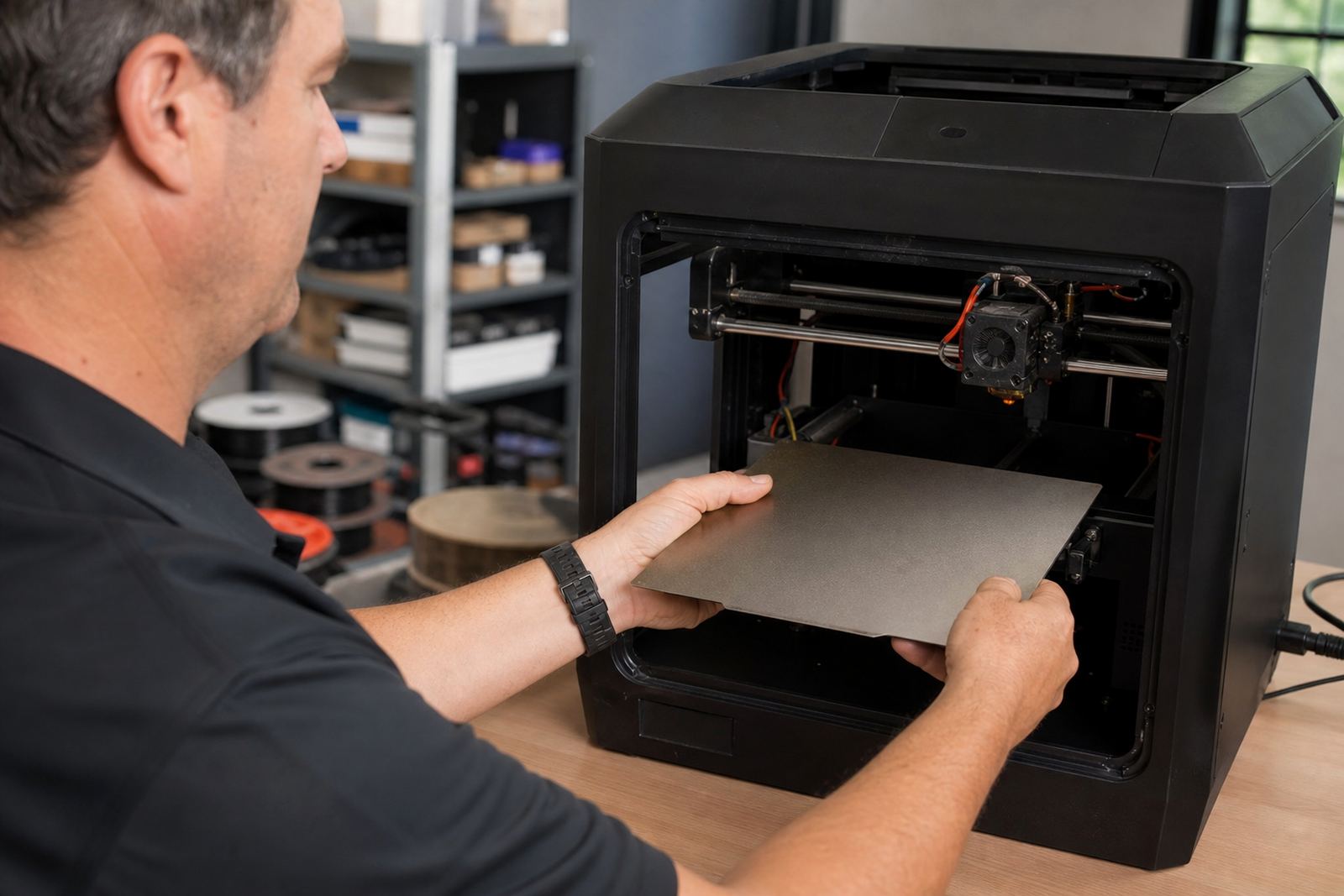
That is where a proper surface refresh helps. If the machine is mechanically sound, there is usually value in replacing the build plate surface, checking flatness and setting up adhesion correctly. It is a practical option for clients in Centurion, Pretoria, Johannesburg, Cape Town and beyond, especially where budgets are tight and equipment must keep earning its place on the bench.
What usually goes wrong on ageing build plates
Old printers often fail at the first layer, and the signs are usually easy to spot. Corners lift, filament lays down in streaks, or the nozzle seems to drag across one side of the bed. In humid coastal areas like Durban and Gqeberha, grime and moisture can make adhesion problems worse. In drier inland workshops, dust and repeated scraping can be just as bad.
The bed itself may no longer be the issue alone. A magnet that has lost grip, a PEI sheet that has been overheated, or a plate that has been cleaned with the wrong solvent can all change how the first layer behaves. We also see machines where a simple adjustment of nozzle height and bed tramming solves more than a new hotend ever would.
- Worn or damaged build surface
- Uneven bed or loose mounting points
- Weak magnetic base on older machines
- Improper cleaning products leaving residue
- First-layer settings copied from another printer without checking
Why PEI sheets and flatness checks matter
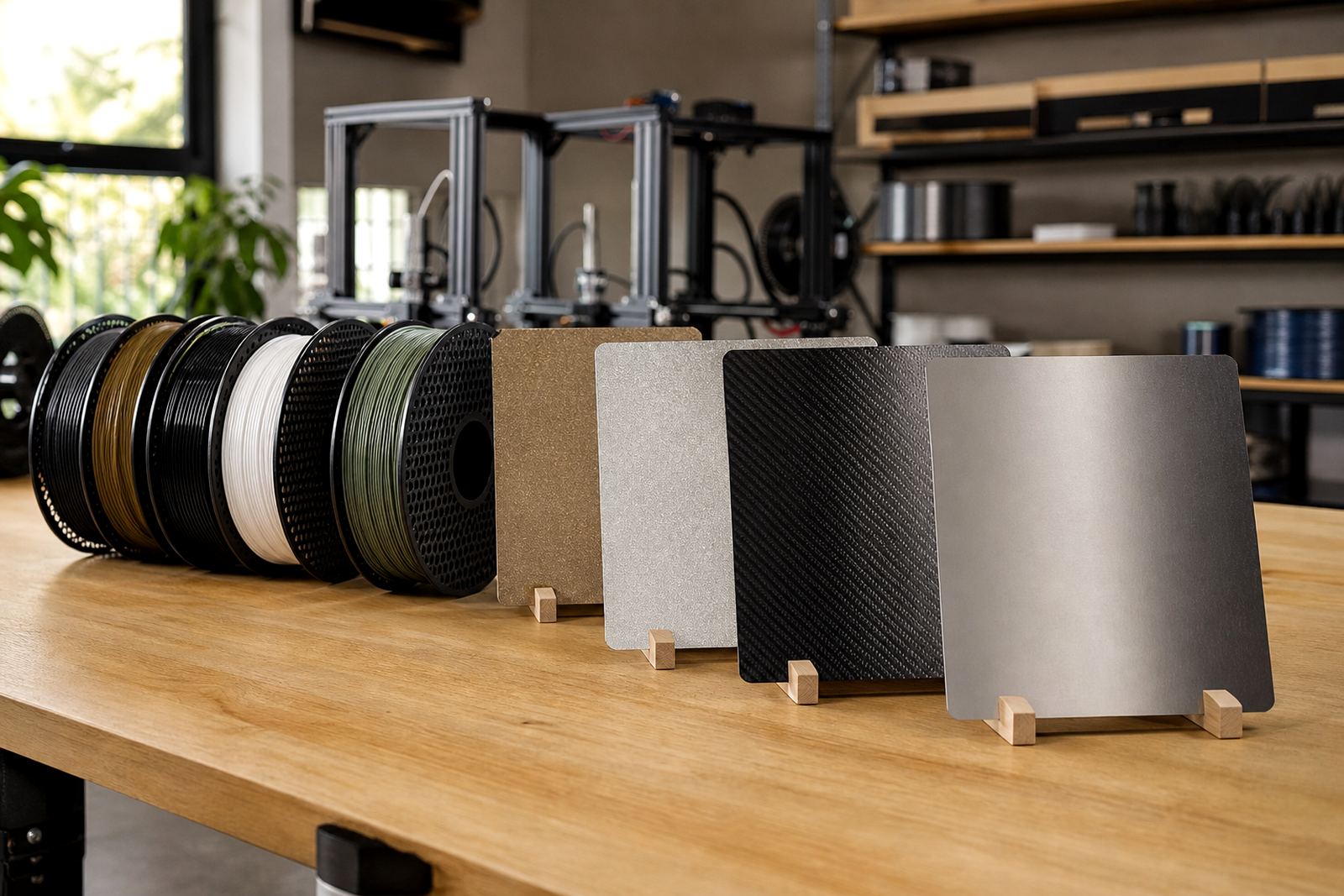
PEI remains a practical choice for many printers because it gives a reliable balance of grip and release, especially when fitted properly. On an older machine, fitting a fresh PEI sheet can do more than improve adhesion. It can also reduce the time spent reprinting failed parts and help the operator trust the machine again. That matters in busy settings where a printer may be used for classroom projects in the morning and client work in the afternoon.
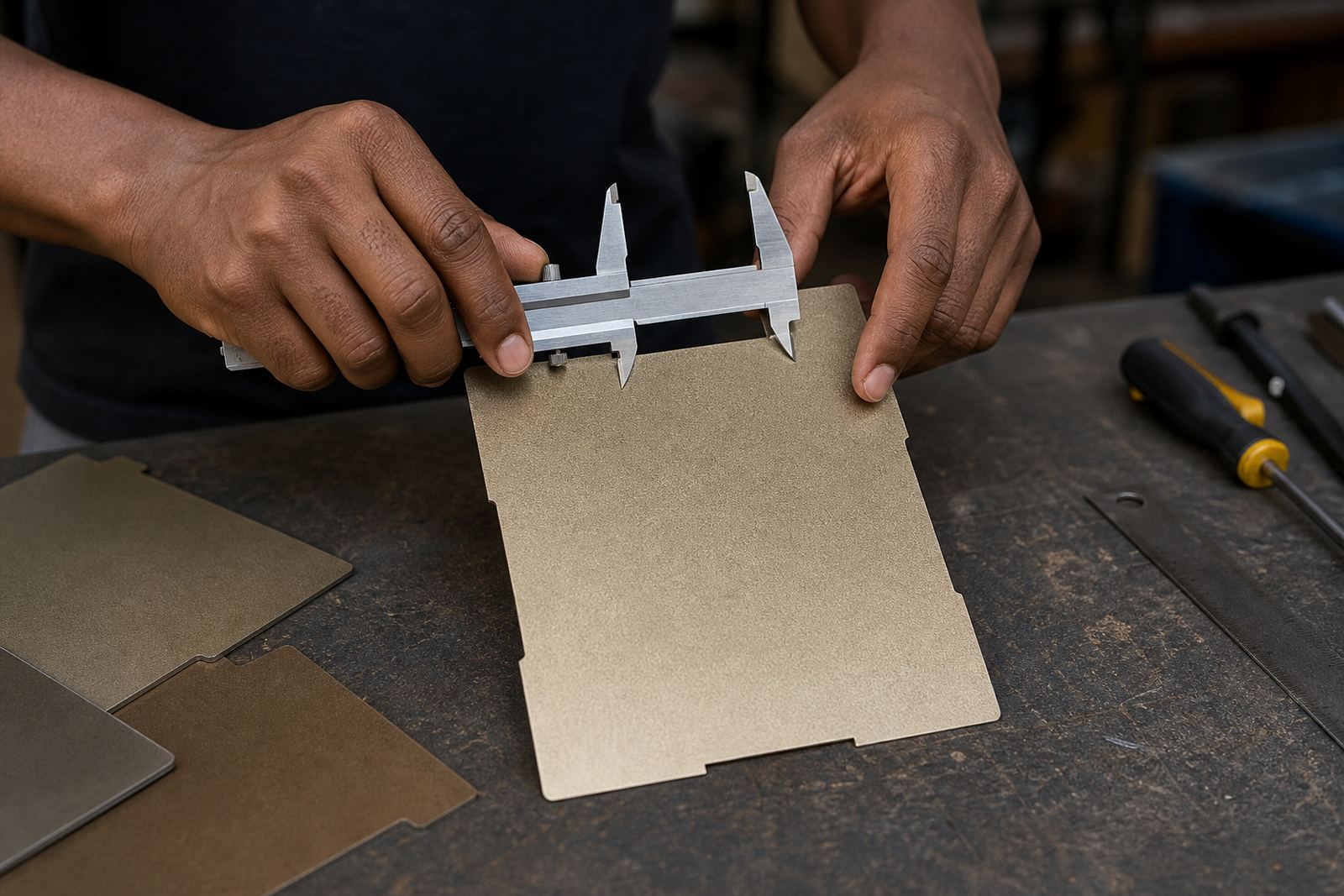
A bed flatness check is just as important. If the surface is high in one area and low in another, the first layer will never be consistent no matter how carefully the slicer is set. A good check can reveal whether the problem is the plate, the carriage, or the mounting system. Sometimes the fix is a new surface, sometimes it is a magnet replacement, and sometimes it is simply a proper re-level and service.
- Fresh PEI improves first-layer grip on many materials
- Flatness checks reduce guesswork and wasted filament
- Better surface contact helps on long prints that run overnight during load-shedding
- Consistent adhesion is vital for print farms where one failed plate can delay several jobs
A local repair approach that saves time and material
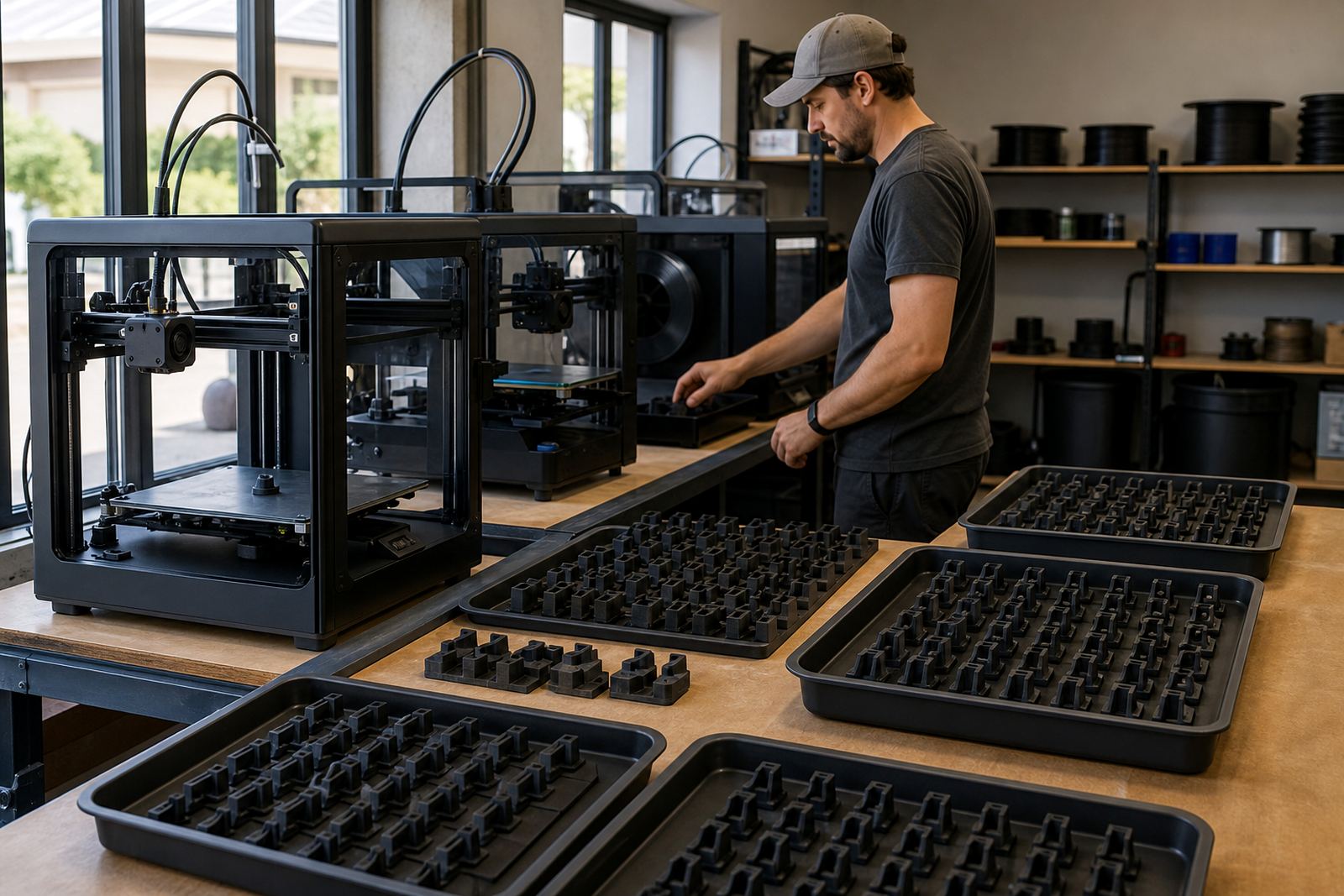
A Centurion workshop recently brought in several older printers from a small education lab. The machines were still mechanically sound, but each one had different first-layer faults. One had a tired magnetic base, another had a scratched sheet, and another had a plate that was slightly bowed. Instead of replacing the printers, the team refreshed the beds, checked the mounting and set each machine up for the material it was actually running.
The result was not glamorous, but it was useful. Prints stopped lifting at the corners, less filament was wasted, and the staff no longer had to stand over the machines for the first hour of every job. That kind of practical recovery is often the better spend, particularly for schools and small businesses that need dependable output without buying a new fleet.
How to tell if a printer needs rescue or replacement
Not every old printer should be saved, but many can be. The key is to look at the full picture instead of the age alone. If the frame is sound, the axes move cleanly and the heated bed still reaches temperature, then a bed refresh and setup review may be enough. If the machine has serious electrical faults or repeated heater failures, replacement may make more sense.
For owners trying to decide, we usually suggest starting with the parts that affect the first layer most. That means the surface, the mount, the magnet and the calibration. Once those are known, it becomes easier to judge whether the rest of the machine is worth keeping in service.
- Check whether the bed heats evenly
- Inspect the plate for scratches, warping or contamination
- Test magnetic hold on the build system
- Review nozzle height and first-layer settings
- Look at the cost of repair versus the cost of downtime
Keeping older printers useful in South African conditions
South African workshops have their own conditions to deal with, from dusty inland spaces to salty air near the coast and power interruptions that can stop a print mid-job. Older machines can still perform well, but only if they are looked after with that reality in mind. Bed surfaces should be cleaned properly, not just wiped over once in a while. Magnetic bases should be checked after repeated heat cycles. School labs should also train learners on correct removal tools, because one hard scrape can shorten the life of a good plate.
It also helps to standardise the setup across a small group of machines. When several printers use the same type of surface and the same bed care routine, support gets simpler. Faults are easier to isolate, replacement planning is clearer, and consumables are easier to keep on hand. That is why a lot of print farms and school labs move toward a common bed setup rather than leaving each printer to its own habits.
Old printers do not need to become scrap because the first layer has gone bad. In many cases, the fix is a new surface, a proper fitting and a careful reset of the bed. Done well, that can put a machine back into steady service for a long time still.