
The lab brief from Durban
The client was a training lab in Durban, serving learners and staff who needed repeatable 3D printing results across several machines. The main problem was inconsistency: different build surfaces, different wear levels, and different habits from one operator to the next. That meant one printer would behave, while the next needed extra glue, extra cleaning or a fresh level check before every run.
The brief was simple on paper but not in practice. They wanted a single surface standard that could work across a mixed printer pool, hold up in daily use, and make support easier for the team on site. Durban’s humidity was also a factor, so the solution had to keep adhesion steady without turning every bed prep into a separate science project.
What we found on site
We started with a bed flatness check and a surface review on each machine. Several beds were serviceable, but the surfaces varied too much for a teaching space where different users were swapping between printers. A few beds had wear at the centre, one had a warped magnetic base, and another had a coating that was already patchy from repeated cleaning.
- Mixed surfaces across the lab made first layer results hard to teach.
- Some beds needed manual workarounds before every print.
- The team had no single cleaning routine or replacement plan.
- Users were wasting time adjusting settings for each machine.
That kind of setup can work in a one-off hobby corner, but not in a shared lab where the goal is to teach process and not troubleshoot every afternoon.
The standard we fitted
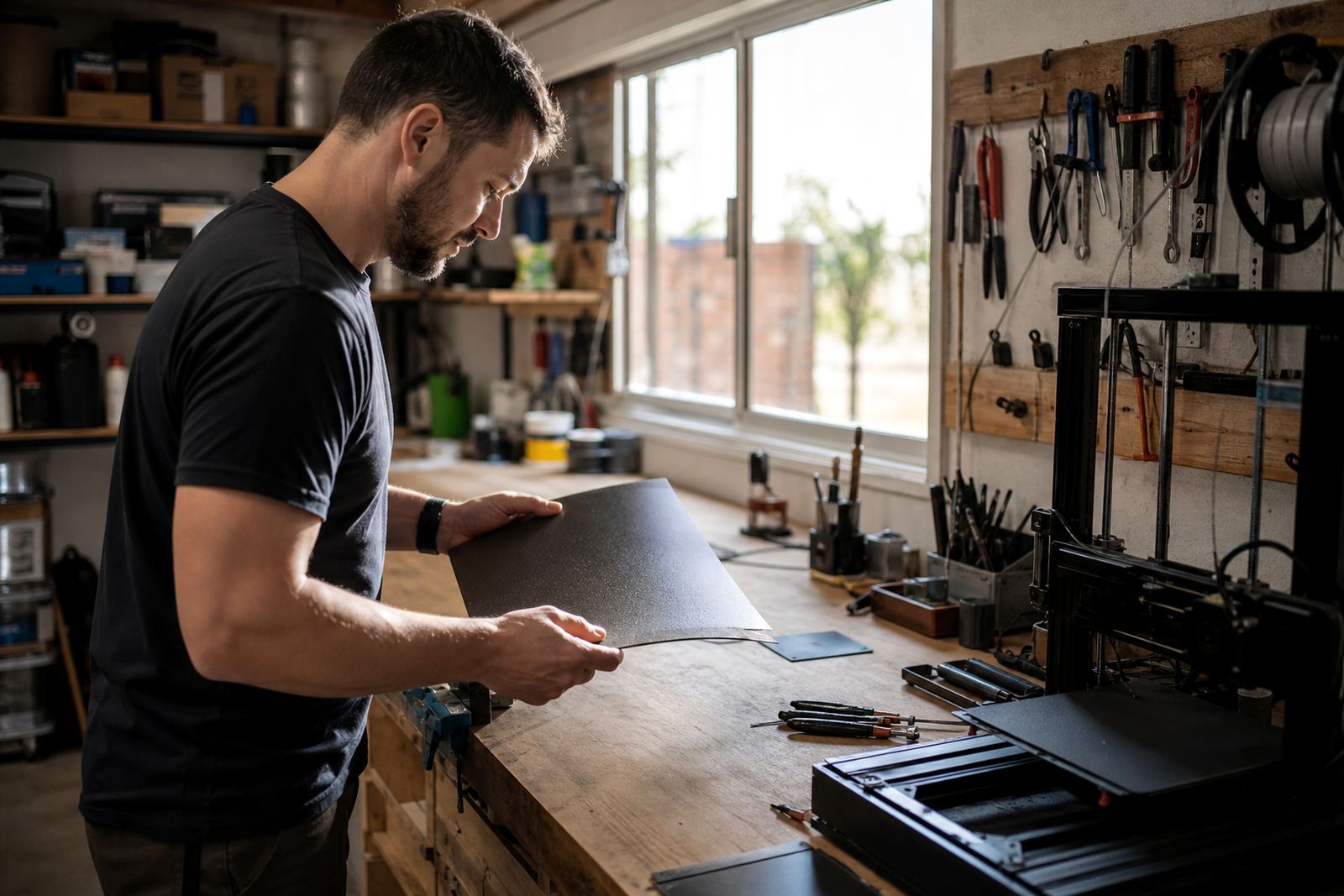
We supplied and fitted a consistent bed setup built around high-quality 3D printer build plates and PEI sheets sized to match each machine. Where needed, we added magnetic base fitting so the plates could be removed and replaced without fuss. We also checked the installation alignment so the sheets sat flat and did not lift at the corners.
- PEI sheet fitting for a consistent print surface
- Magnetic base fitting where the original bed allowed it
- Custom size cutting for machines with non-standard beds
- Replacement planning for worn or damaged surfaces
The goal was not just better adhesion. It was a setup the team could repeat, explain and maintain after we left.
How the work was done in two weeks
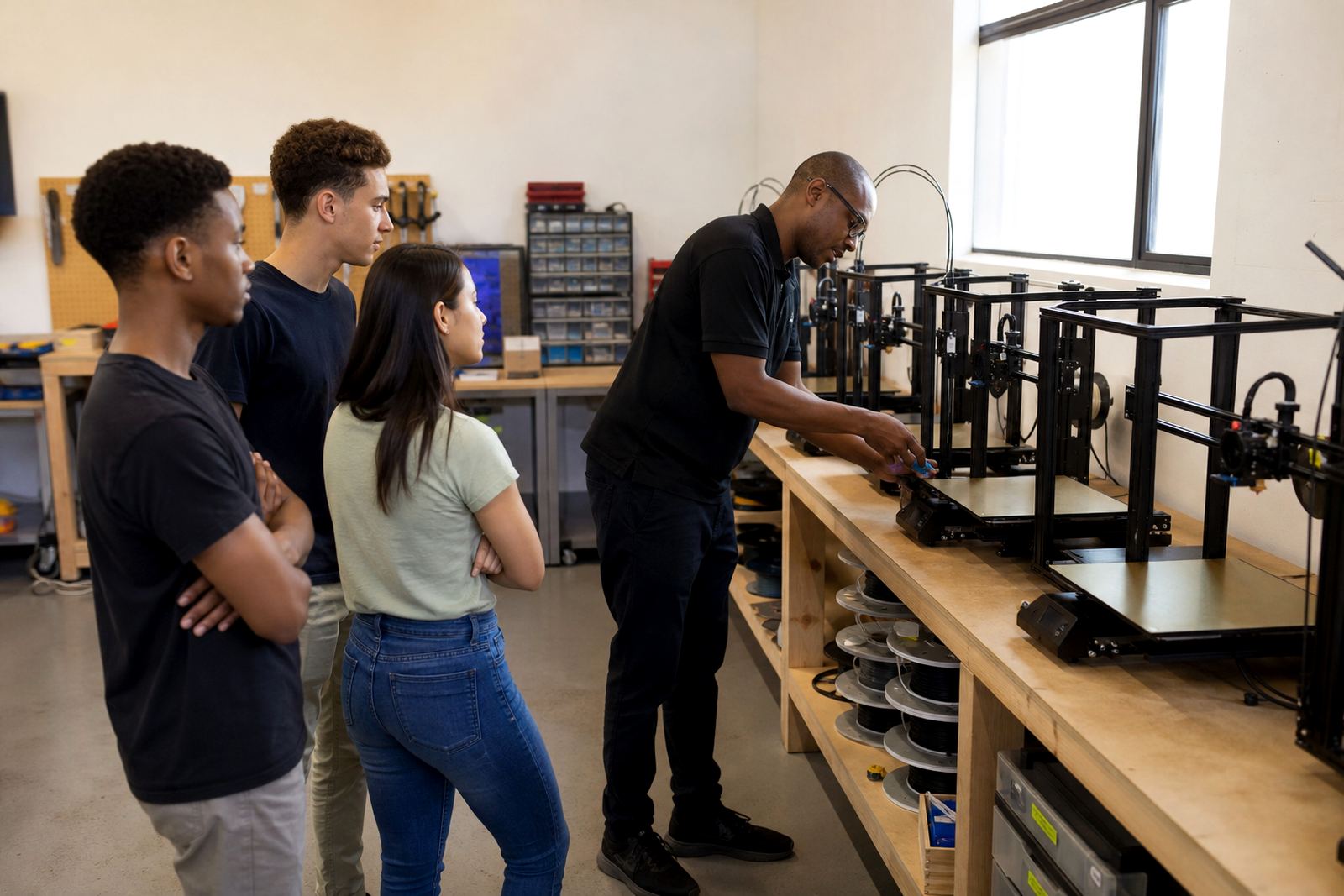
The project ran over two weeks. Week one covered assessment, measurements and the first round of fittings. Week two was used for the remaining printers, final checks and support training with the lab team. Because the lab could not shut down for long, we worked in stages so at least part of the room stayed usable while the upgrades were happening.
We also spent time on bed care training, since the nicest surface in the world will still give trouble if it is cleaned with the wrong product or scraped too hard. A few small changes made a big difference, including keeping the beds free of dust and teaching users when to refresh the surface rather than forcing another print through a tired plate.
Results for the teaching team
Once the standard setup was in place, the lab had fewer first layer failures and much less confusion between machines. Staff could give the same prep instructions for every printer, which made lessons shorter and support simpler. The team also noticed that bed prep time dropped because there was no longer a different routine for each unit.
- More consistent first layer adhesion across the lab
- Less time spent on printer-by-printer troubleshooting
- Cleaner handover between staff and learners
- Easier spare-part planning for future wear
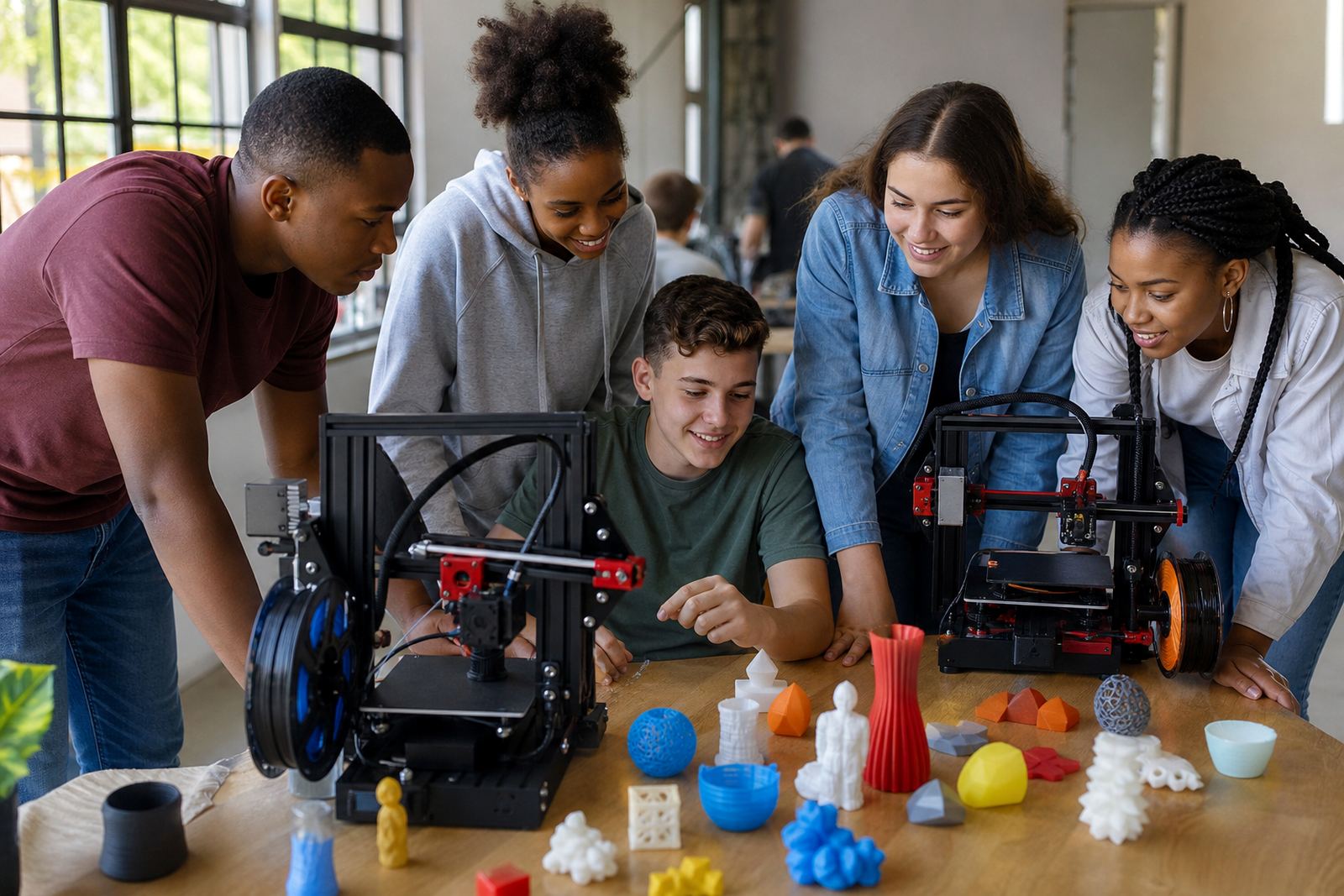
For a training room, that consistency matters. Learners can focus on slicing, calibration and design, rather than asking why the next machine behaves differently.
What we would do again
If we were doing the same job again, we would still begin with a full bed flatness check and a clear standard for the entire lab. That approach lets the client see which machines need only a fresh surface and which ones need more serious attention before the next term starts. It also keeps the budget under control because you are not replacing parts that still have useful life left in them.
We would also keep the staged rollout. In a busy Durban lab, it helps to have printers back in service as quickly as possible. The combination of measurement, fitting and simple training gave the client a result they can manage long term, without calling for help every time a plate starts to wear.
Why standardising helped this lab
This project showed how much time a shared workspace can lose when every printer has its own surface habits. Standardising the build plates and PEI sheets gave the lab one way of working, one way of cleaning, and one way of checking for wear. That made the room easier to run for staff and easier to learn in for students.
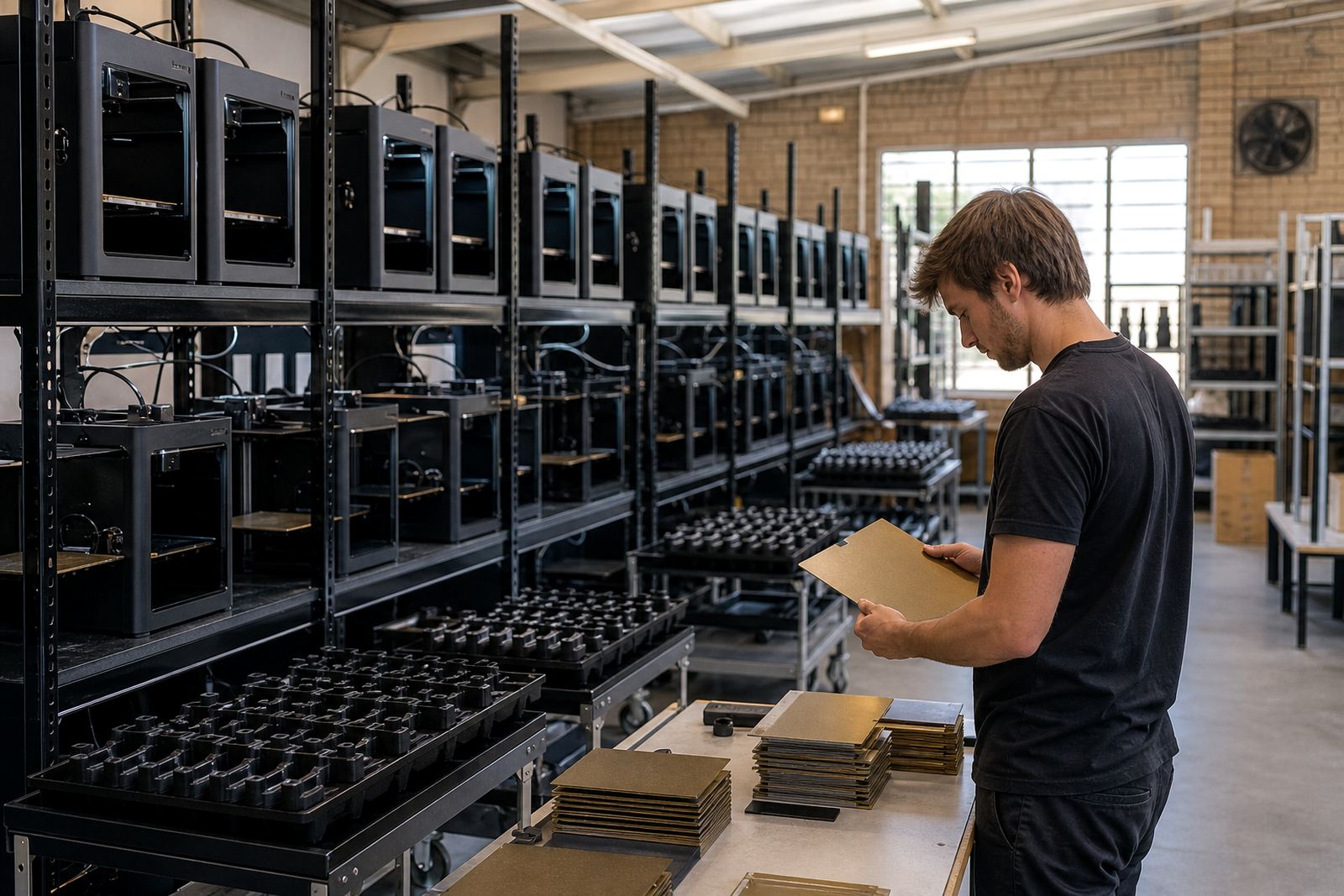
For schools, maker spaces and print farms across South Africa, that is often the real win. Not a flashy upgrade, just fewer surprises, fewer bad first layers and a setup that holds up through daily use. In Durban especially, where humidity and heavy use can show up quickly, a consistent bed system makes a practical difference from the first week onward.
Key facts
| Project type | Training lab upgrade for 3D printer bed standardisation |
|---|---|
| Location | Durban, KwaZulu-Natal |
| Timeline | 2 weeks |
| Scope | 12 printers standardised across the lab |
| Products used | Build plates, PEI sheets and magnetic bases |
| Services included | Plate installation, bed flatness check, surface refresh and training |