
A Midrand fleet that needed less variation
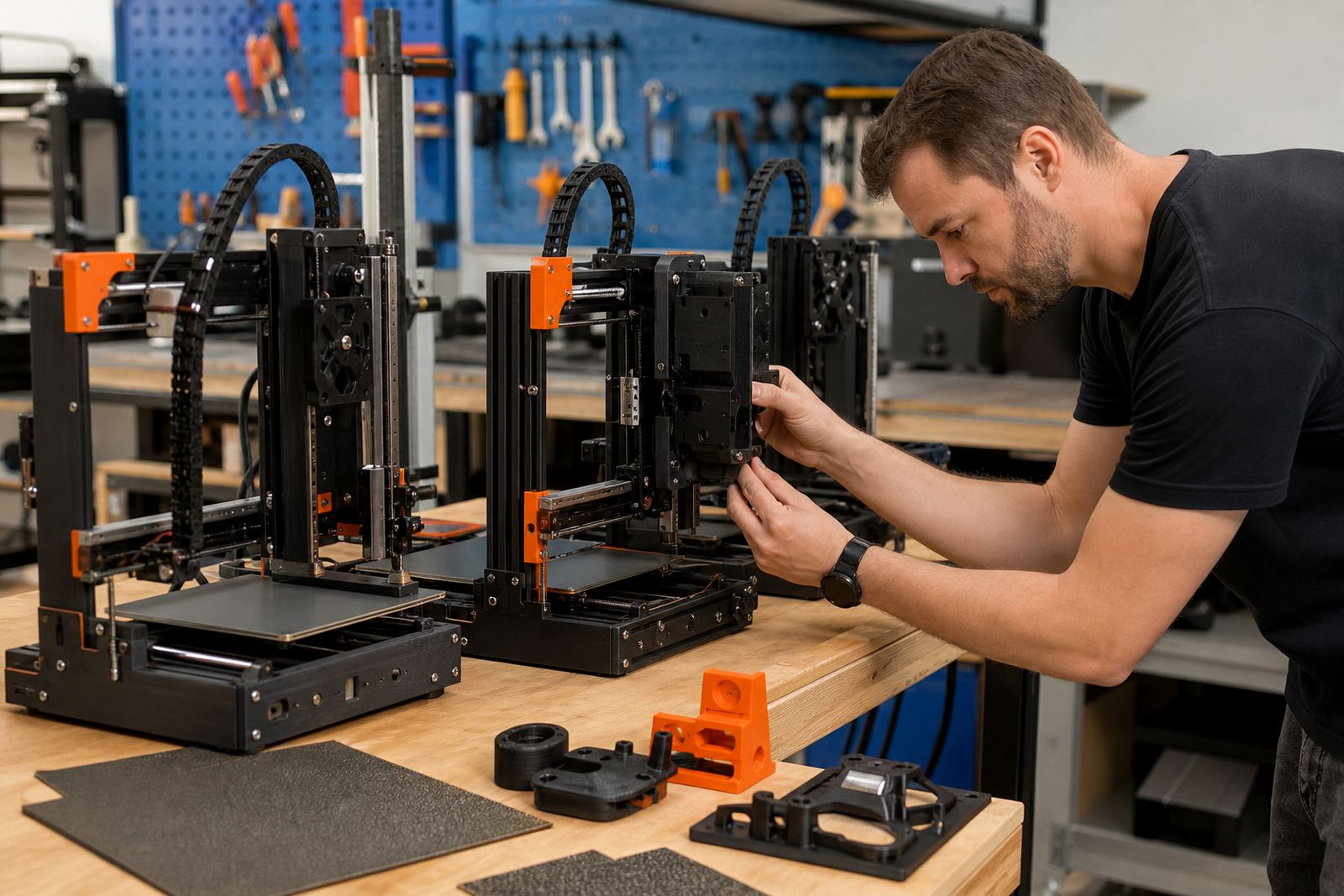
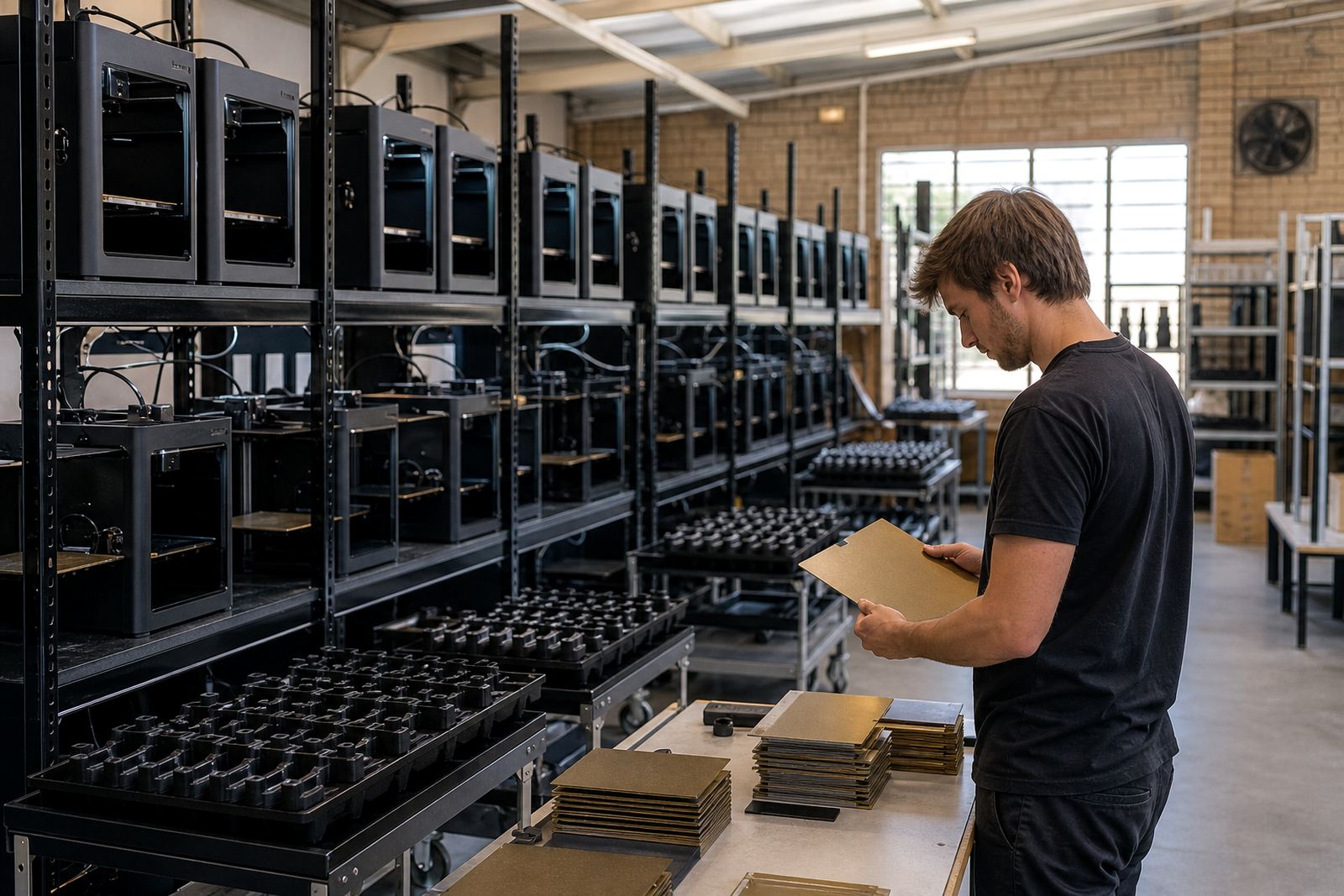
This project came from a busy print farm in Midrand, Gauteng that was running a mixed group of benchtop FDM printers for repeat production work. The team was dealing with small differences in plate size, inconsistent first layers and varying cleaning habits between operators, which led to wasted prints and avoidable rework.
The brief was clear: standardise the build plates, bring the bed surfaces onto one care routine, and set up a practical process that could hold up during long shifts, power interruptions and quick turnaround jobs. The site also needed something that could be taught easily to new staff without slowing output.
- Location: Midrand, Gauteng
- Client type: print farm and production workshop
- Fleet size: multiple printers running daily
- Main issue: inconsistent adhesion and surface wear
What was getting in the way of clean first layers
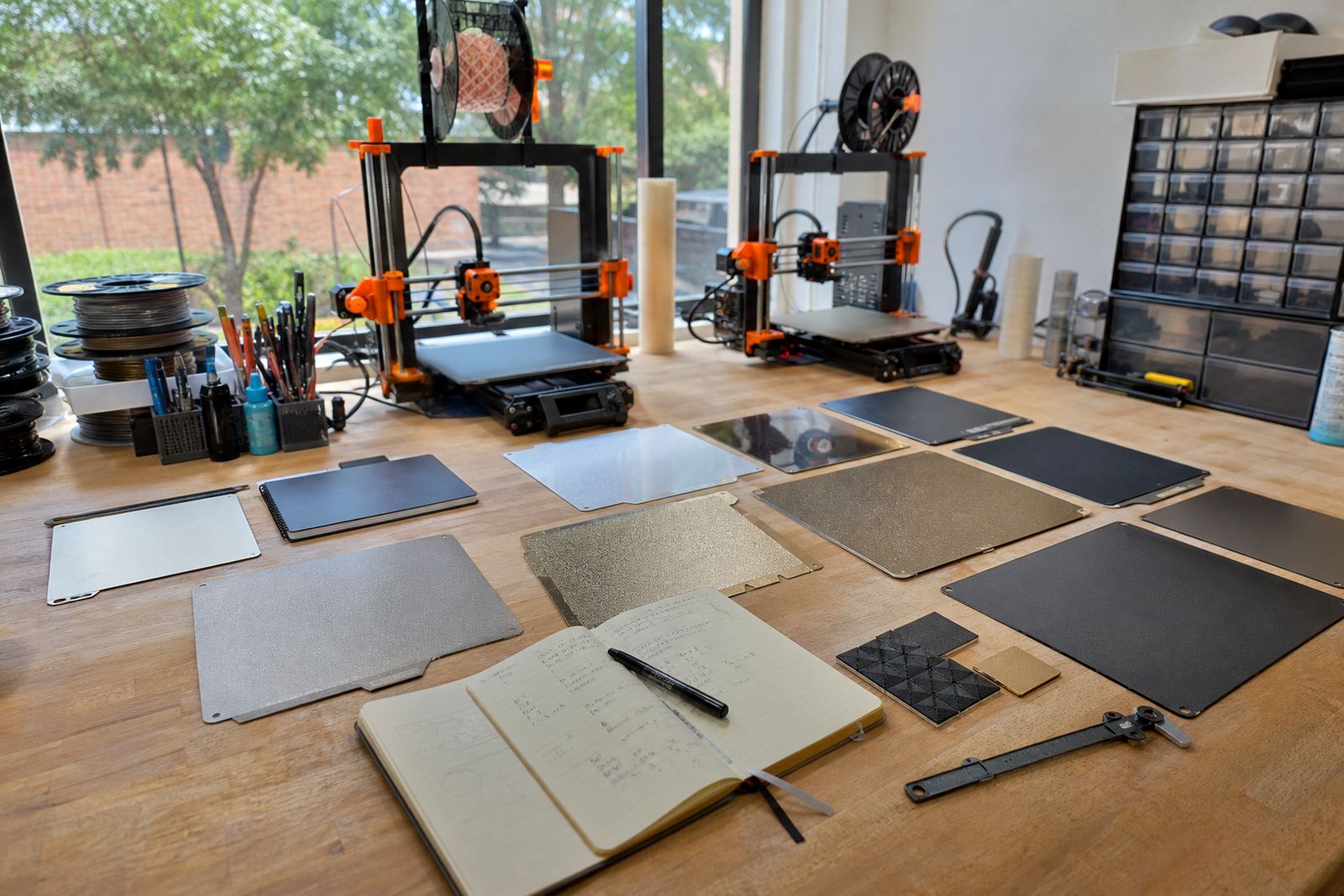
Like many growing print farms, the site had picked up machines and spare plates over time. Some beds were slightly different in size, a few surfaces had been cleaned with the wrong products, and some operators were checking flatness while others were not. That meant one printer might hold a part well, while the one next to it lifted corners on the same file.
There were also practical South African conditions to work around. The team wanted surfaces that could handle daily use in a warm production room, plus the dust and humidity that come with an open industrial setting. During load shedding, hotends and beds would cool and recover in different ways so the surface needed to be forgiving and consistent, not fussy.
- Mixed plate sizes across the fleet
- Different cleaning habits between shifts
- Uneven adhesion from machine to machine
- Need for a simple training routine
The plate and surface package we put in place
We supplied and fitted a matched set of build plates and PEI surfaces sized to the machines in use, then checked each bed for flatness before final placement. Where needed, we fitted magnetic bases and refreshed worn surfaces so the print farm could move to one standard across the floor. We also set out a replacement plan so the team knew when to rotate a plate, when to clean it and when to retire it.
The work was handled in stages over 2 weeks so the farm could keep producing. We did not ask them to stop the line. Instead, we worked around active printers, moved the weaker surfaces out first and brought the new standard in as each machine became available.
- Plate sizes matched to the printer group
- PEI sheet fitting for even adhesion
- Magnetic base fitting where required
- Bed flatness check before final setup
Keeping the farm running while the changes went in
The client could not afford a long shutdown, so the sequence mattered. We started with the highest-volume machines, then moved through the rest of the fleet in batches. This kept the farm active while giving the operators time to learn the new surface care steps. A few beds needed light preparation before fitting and one or two required rechecking after the first test prints, which is normal on a busy site.
We also ran adhesion troubleshooting on sample parts, because the farm wanted a process that would suit both small utility prints and larger flat parts. By the end of the second week, the operators had a clear routine for cleaning, checking and reusing each plate. That reduced guesswork and made shift handovers easier.
- Delivery and fitting completed in 2 weeks
- Rolling installation with no full shutdown
- Test prints used to confirm adhesion
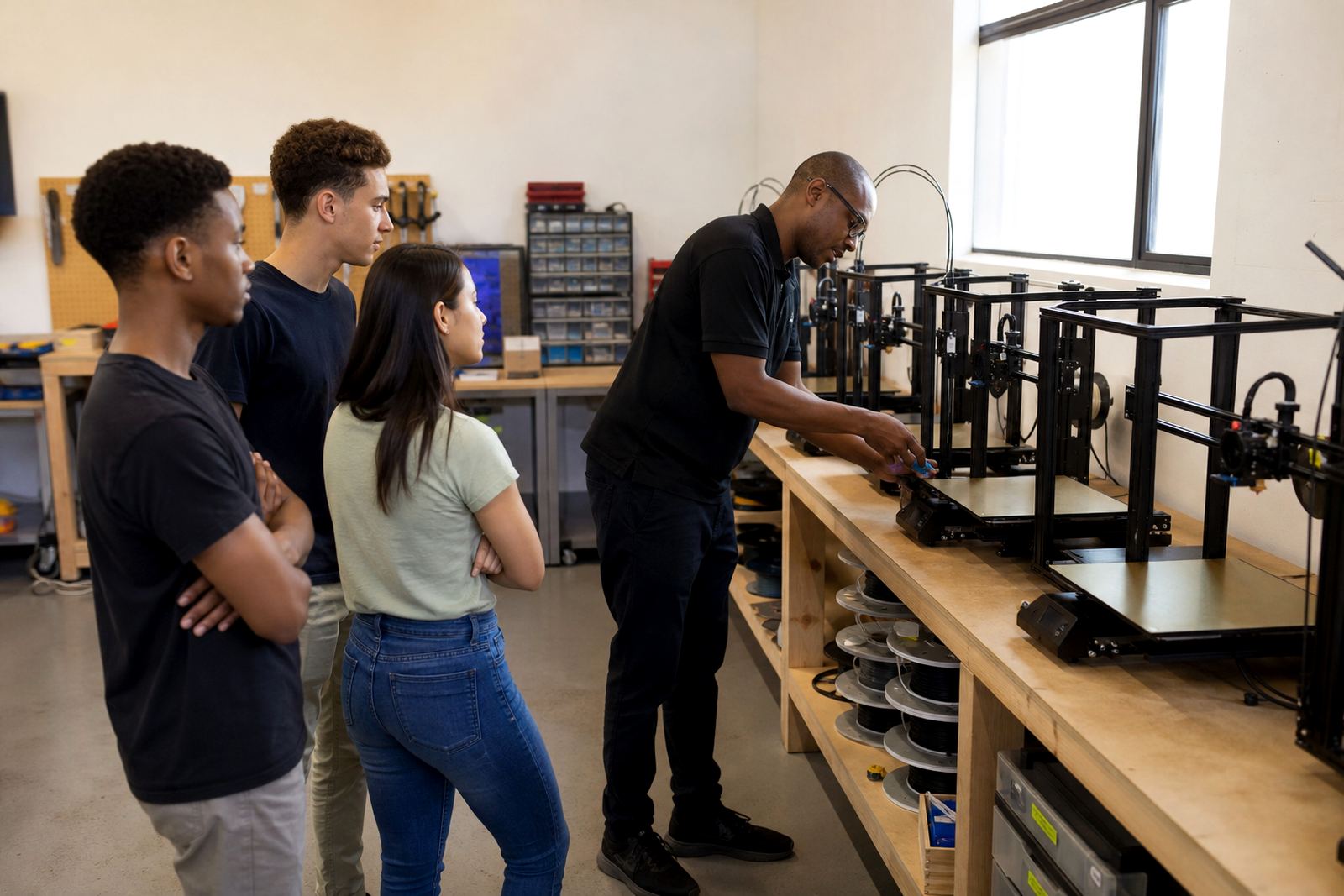
- Operator handover done on site
Results the team could measure quickly
Once the plates were standardised, the farm saw fewer first layer failures and less time spent on repeated bed preparation. Operators could swap plates between matched machines with much less adjustment, and the cleaning routine became consistent across shifts. That made the whole setup easier to manage and helped the team keep production moving during busy periods.
The client also found that replacement planning was easier once there was one clear standard. Instead of reacting to failures one printer at a time, they could budget for consumables in batches and keep spare surfaces on hand. For a print farm, that kind of planning saves time as well as material.
- Fewer adhesion-related rejects
- More consistent first layers across the fleet
- Faster plate swaps between matched printers
- Better control over consumables and spares
What we would repeat on the next fleet standardising job
If we were doing this again on another Midrand or Johannesburg print farm, we would still start with plate matching, bed flatness and a plain cleaning routine. Those three things do most of the heavy lifting. Once the basics are right, it becomes much easier to train staff, cut down on waste and keep the printers running through long production days.
We would also keep the process staged. In a working farm, there is no value in forcing a full changeover when the team can achieve the same result in batches. That approach suits schools, makerspaces and production rooms alike, especially where there are different operators, different shifts and the odd power cut thrown in.
- Start with measured plate matching
- Check flatness before fitting
- Use one cleaning method across all shifts
- Phase the work so output keeps moving
Key facts
| Project type | Print farm standardising and adhesion support |
|---|---|
| Town | Midrand, Gauteng |
| Timeline | 2 weeks |
| Scope | Plate installation, PEI sheet fitting, magnetic base fitting, flatness checks |
| Fleet context | Multi-printer production setup with repeated daily use |
| Outcome | More consistent adhesion and simpler surface care |