
Kempton Park workshop with older machines to keep in service
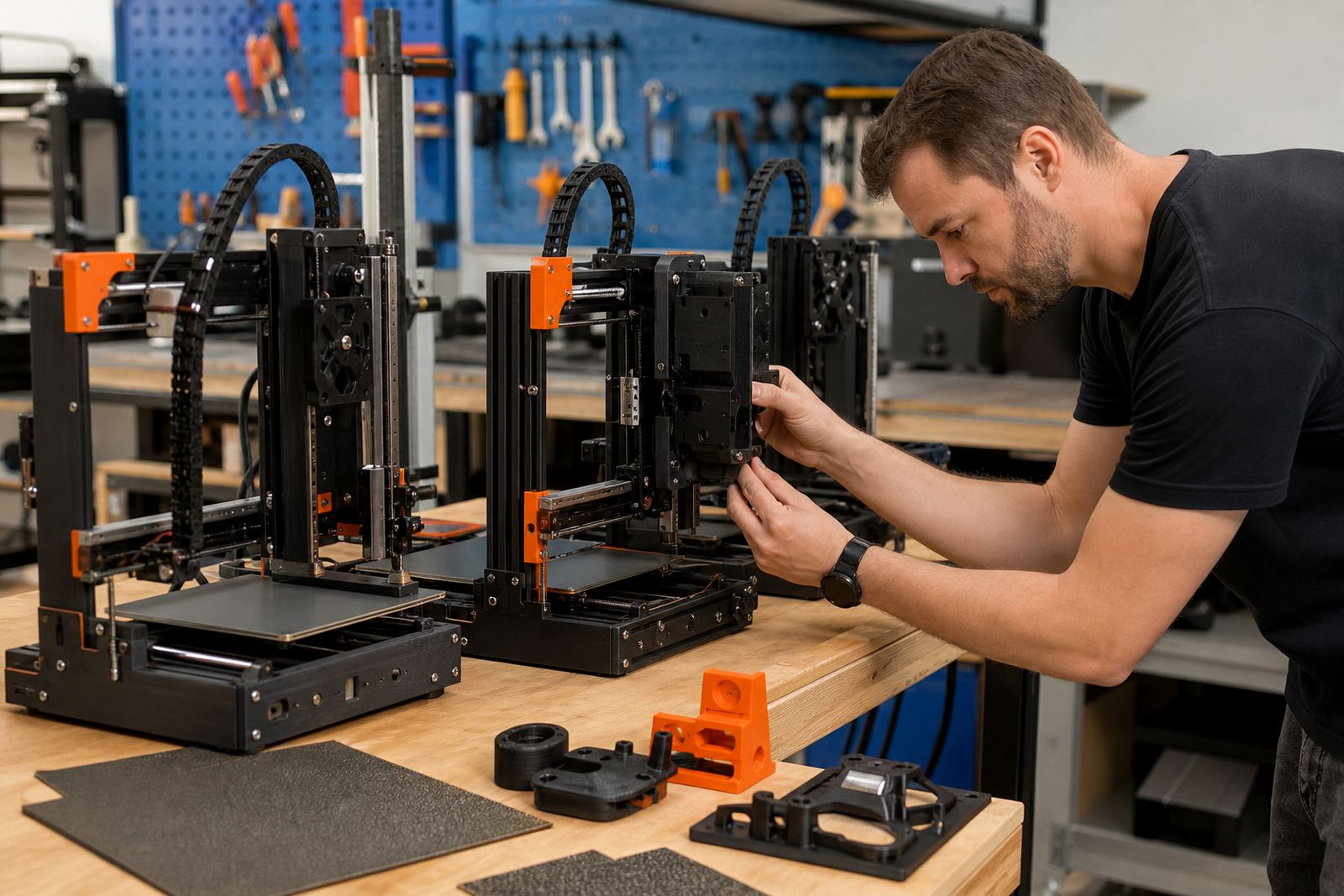
The client was a repair workshop in Kempton Park serving makers, small manufacturers and walk-in customers who relied on older 3D printers for parts, prototypes and short production runs. Many of the machines were still mechanically sound, but their original build surfaces were worn, inconsistent or no longer easy to replace in standard sizes.
The brief was straightforward: help the team keep those printers in active service without forcing an early machine replacement. They needed build plates that could be fitted quickly, held up to regular use, and matched the actual bed sizes on hand rather than only the sizes listed on paper. The workshop also wanted a cleaner handover process for repairs, so each machine could leave with predictable first-layer behaviour and less operator guesswork.
Because the shop handled mixed brands and mixed ages of equipment, the solution had to be practical. Some beds had minor warping, some used magnetic bases already and others needed a fresh adhesion layer. The team also had to keep working around load-shedding windows and a full repair queue, so nothing could be fussy or slow to install.
What made the job tricky for the repair team
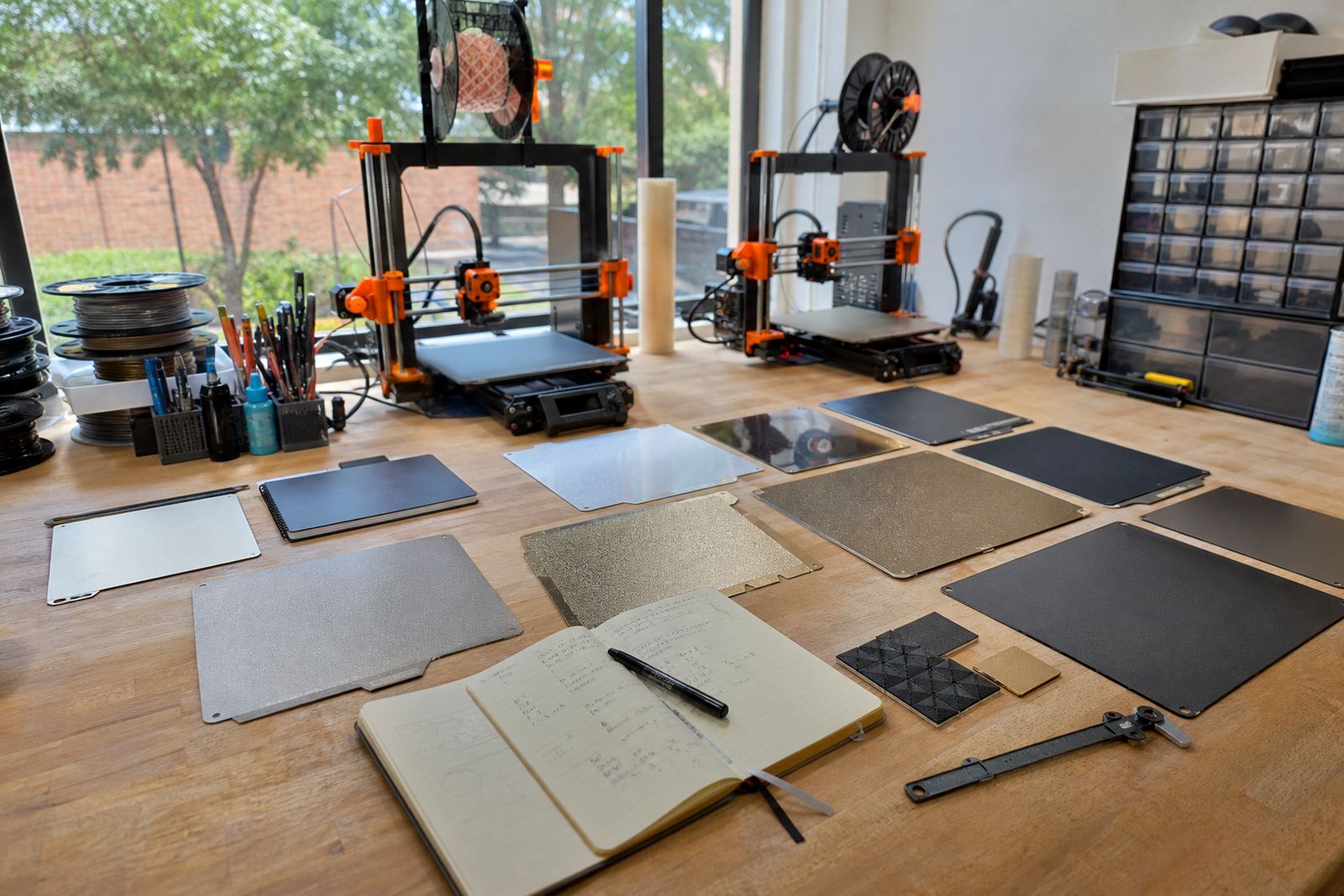
The biggest challenge was not the print material itself, it was the combination of age, use and inconsistency across the fleet. Several machines had different plate dimensions, some with rounded corners or non-standard clip points. A few beds were flat enough for service, but the old surfaces had lost grip and were causing failed first layers, lifting edges and extra cleaning time.
There was also the usual workshop pressure. The team could not afford long machine downtime while waiting for a generic part to arrive, and they could not spend time trimming materials by hand on every job. In a repair setting, one slow step multiplies quickly across the bench. They needed repeatable sizing, quick fitting and a simple way to standardise the result across multiple machines.
- Mixed bed sizes across older printers
- Worn surfaces causing poor first-layer grip
- Limited time for manual trimming and rework
- Need to keep machines in circulation, not on the shelf
Custom-cut plates and adhesion support supplied
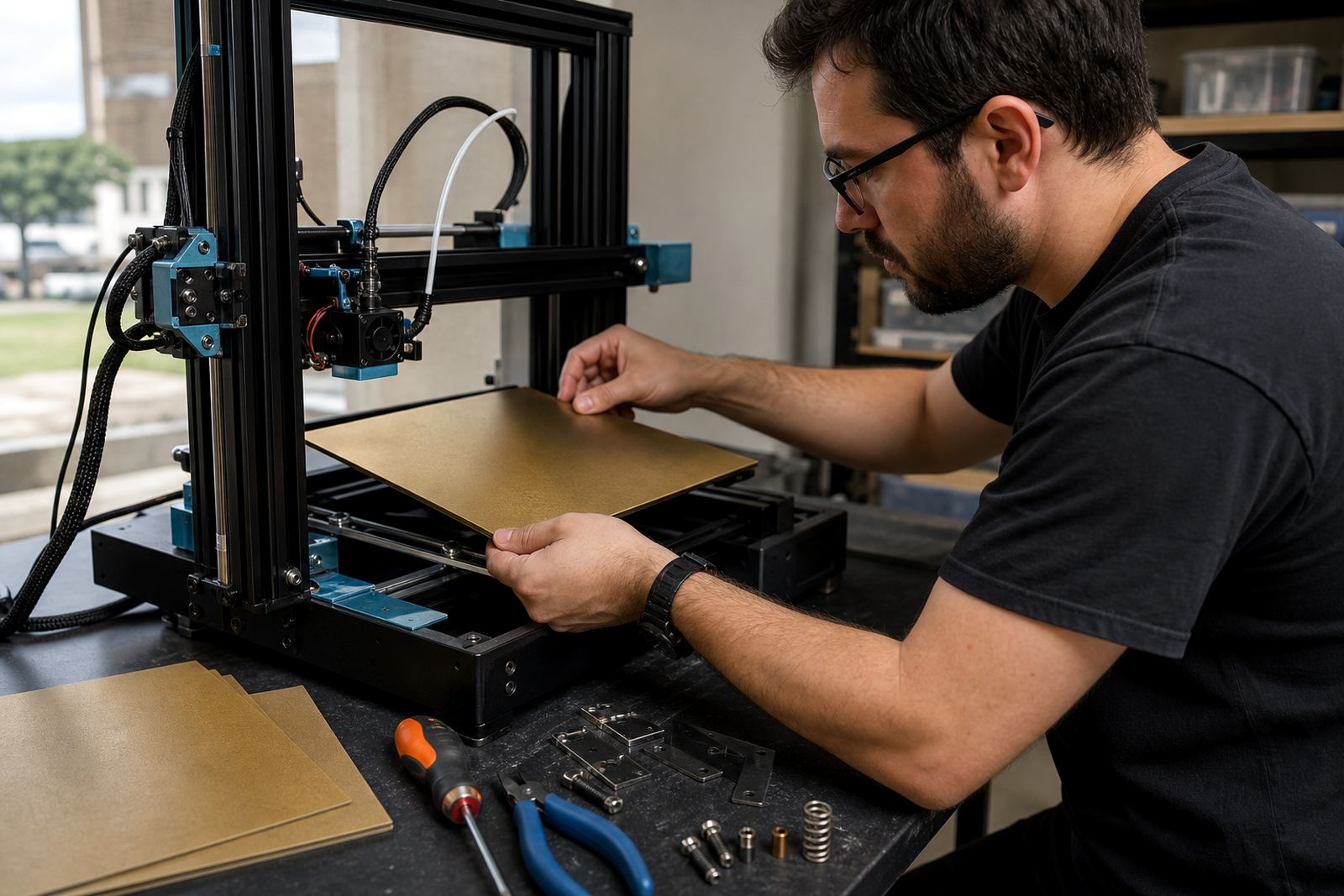
We measured the beds and supplied custom-cut build plates to suit the printers already in the workshop. The key was matching the actual usable surface, including the edges and mounting points, so the plates could be fitted properly without forcing the operators to compromise on alignment. Where needed, we paired the plates with PEI sheets and magnetic base fitting to improve repeatability and make surface changes quicker during future maintenance.
The workshop also asked for practical guidance on bed preparation. We carried out bed flatness checks, surface refresh work and basic adhesion troubleshooting on the problem units. In a few cases we recommended replacement planning rather than repeated patching, especially where the bed itself had become too uneven for consistent results. That saved the repair team from wasting time on plates that would never quite sit right.
For the busier machines, we standardised the approach so each operator had the same setup notes. That included plate orientation, cleaning routine and temperature handling. It sounds simple, but in a repair shop it makes a real differnce when different staff members are handing over the same machine.
- Custom size cutting for non-standard printer beds
- PEI sheet fitting for better part release and grip
- Magnetic base fitting where quick changeovers were needed
- Bed flatness check and surface refresh on worn units
Timeline from first inspection to fitted plates
The project ran over three weeks. Week one covered inspection, measurement and agreement on which printers were worth repairing and which needed a different plan. Week two focused on cutting, fitting and setting the correct build surface for each unit. Week three was used for testing, operator handover and a final round of adjustments on the machines that needed a small extra tweak after first use.
Because the client was in Kempton Park and the workshop could not pause its entire operation, we worked in a sequence that kept their queue moving. Machines returned to service in batches, not all at once. That allowed the team to keep taking repair jobs while we completed the fitment and checked the first layer on the more temperamental beds.
The result was a faster turnaround than the workshop had been managing with improvised surfaces and repeated trial runs. It also reduced the number of times a repaired printer had to come back to the bench for the same adhesion issue.
Results the workshop could use immediately
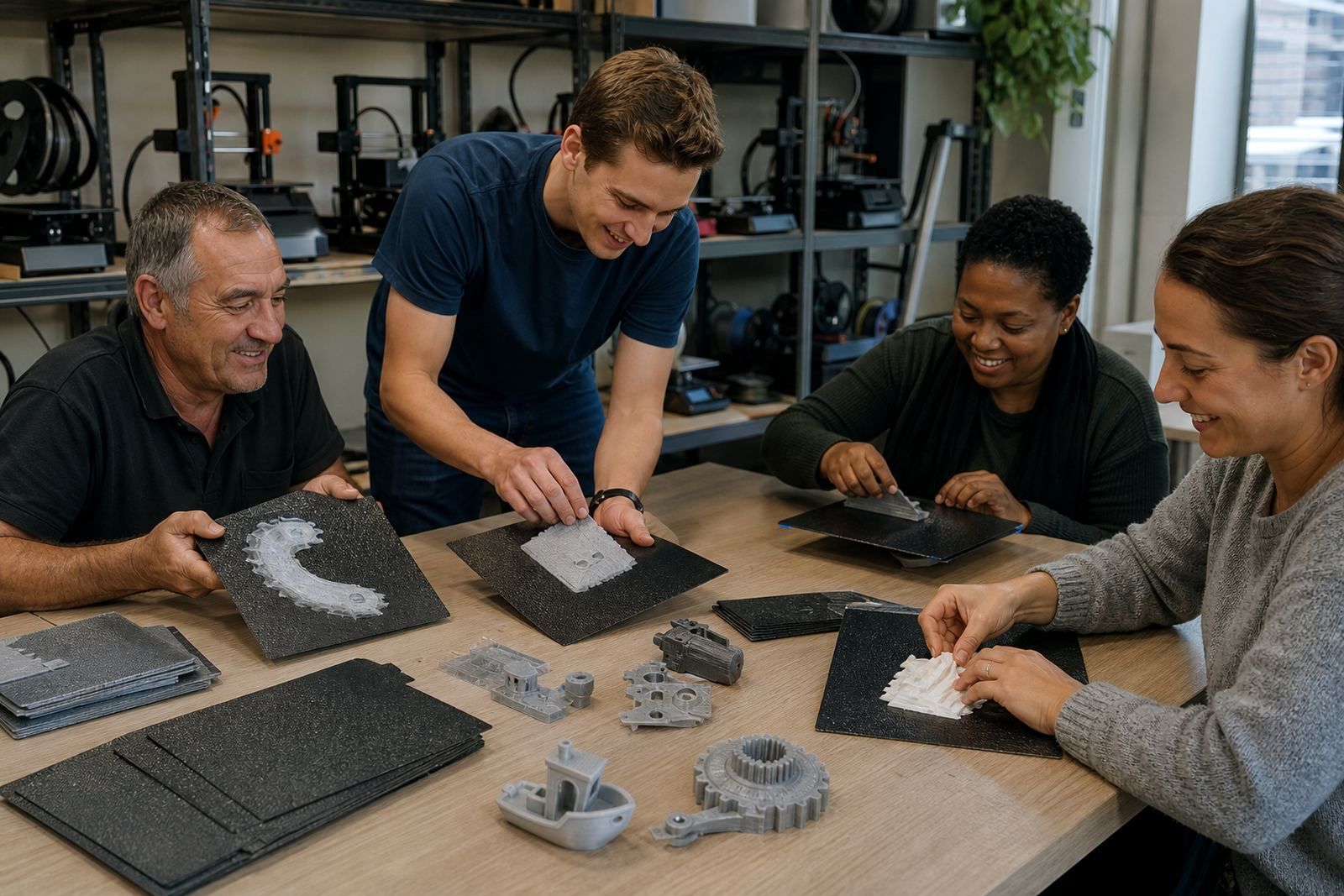
Once fitted, the custom plates gave the workshop a more stable base for daily repair work. First-layer failures dropped, especially on printers that had previously been running with tired surfaces or poorly matched mats. The operators reported fewer edge lifts and less cleaning between jobs, which made the workshop smoother to run during busy periods.
The benefit was not only print quality. The team also gained a repeatable system for future repairs. Instead of treating each older printer as a one-off problem, they now had a clearer method for checking the bed, choosing the right surface and deciding when a machine was ready for service. That helped them keep older equipment earning its keep instead of sitting idle.
- More predictable first layers on repaired machines
- Less operator time spent on rework and manual adjustment
- Better use of older printers already in the workshop
- Clearer servicing notes for future maintenance
What we would repeat on similar repair jobs
If we were doing the same type of job again, we would take the same measured approach: inspect first, standardise second and only then fit the final surface. Repair workshops often try to solve adhesion problems with one quick fix, but older machines usually need a proper bed check before the best answer becomes clear.
We would also keep the process flexible enough to handle mixed equipment. In Kempton Park, as in many South African workshops, the real challenge is rarely one model or one size. It is a mixture of machines, different users and a schedule that has to keep moving even when the power flickers or the next repair job is already waiting. The right plate and the right fitting process can save a lot of unnecessary frustration.
For this client, the practical result was simple: more printers back in service, less waste and a repair bench that could carry on without constant patch-up work. That is exactly the sort of outcome a workshop needs when older machines still have useful life left in them.
Key facts
| Project location | Kempton Park, Gauteng |
|---|---|
| Client type | Repair workshop serving mixed 3D printer users |
| Project duration | 3 weeks |
| Main supply | Custom-cut build plates and PEI sheet fitting |
| Support work | Bed flatness check, surface refresh, adhesion troubleshooting |
| Outcome | Older machines kept in active service with fewer first-layer failures |