
A busy Randburg makerspace with shared printers
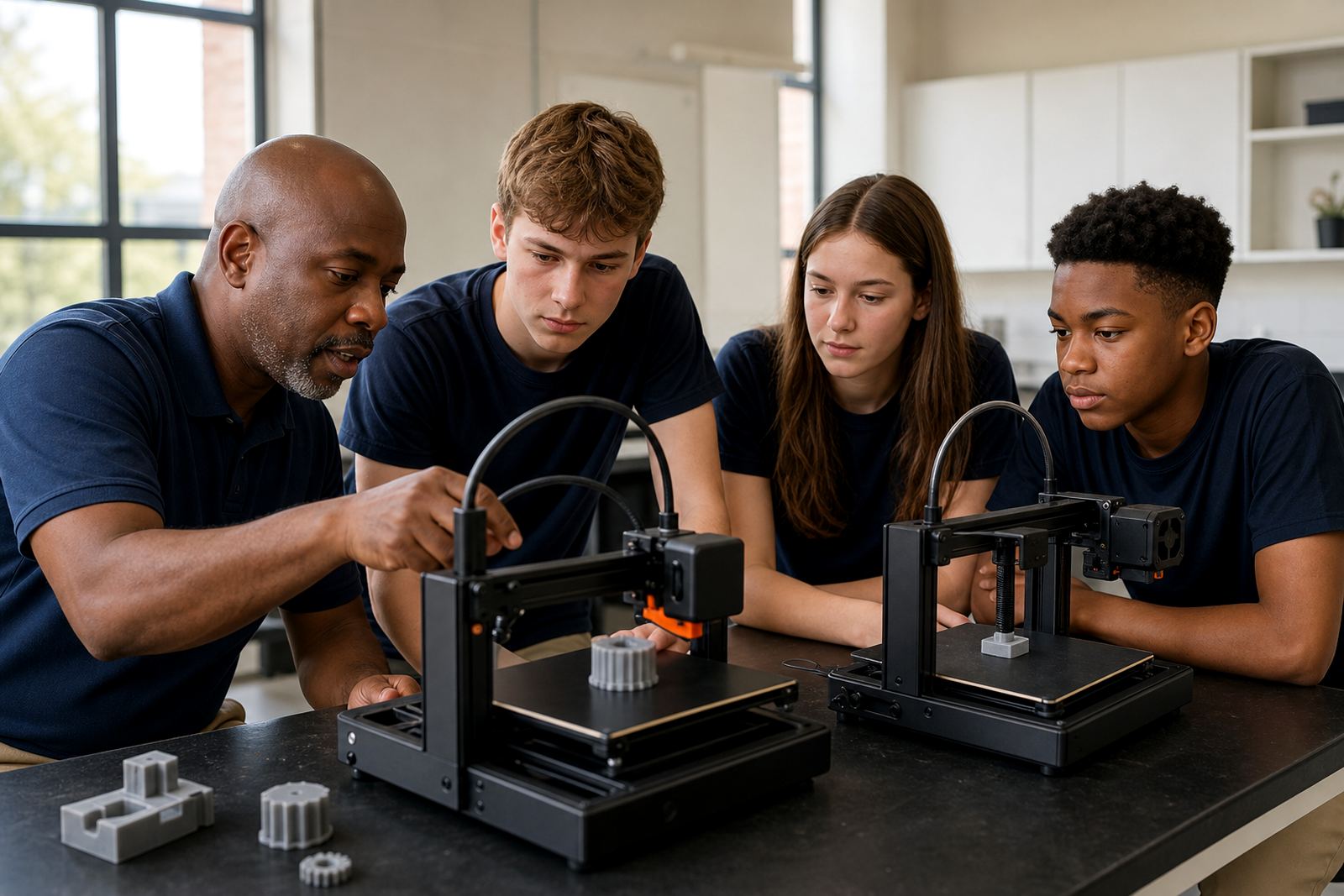
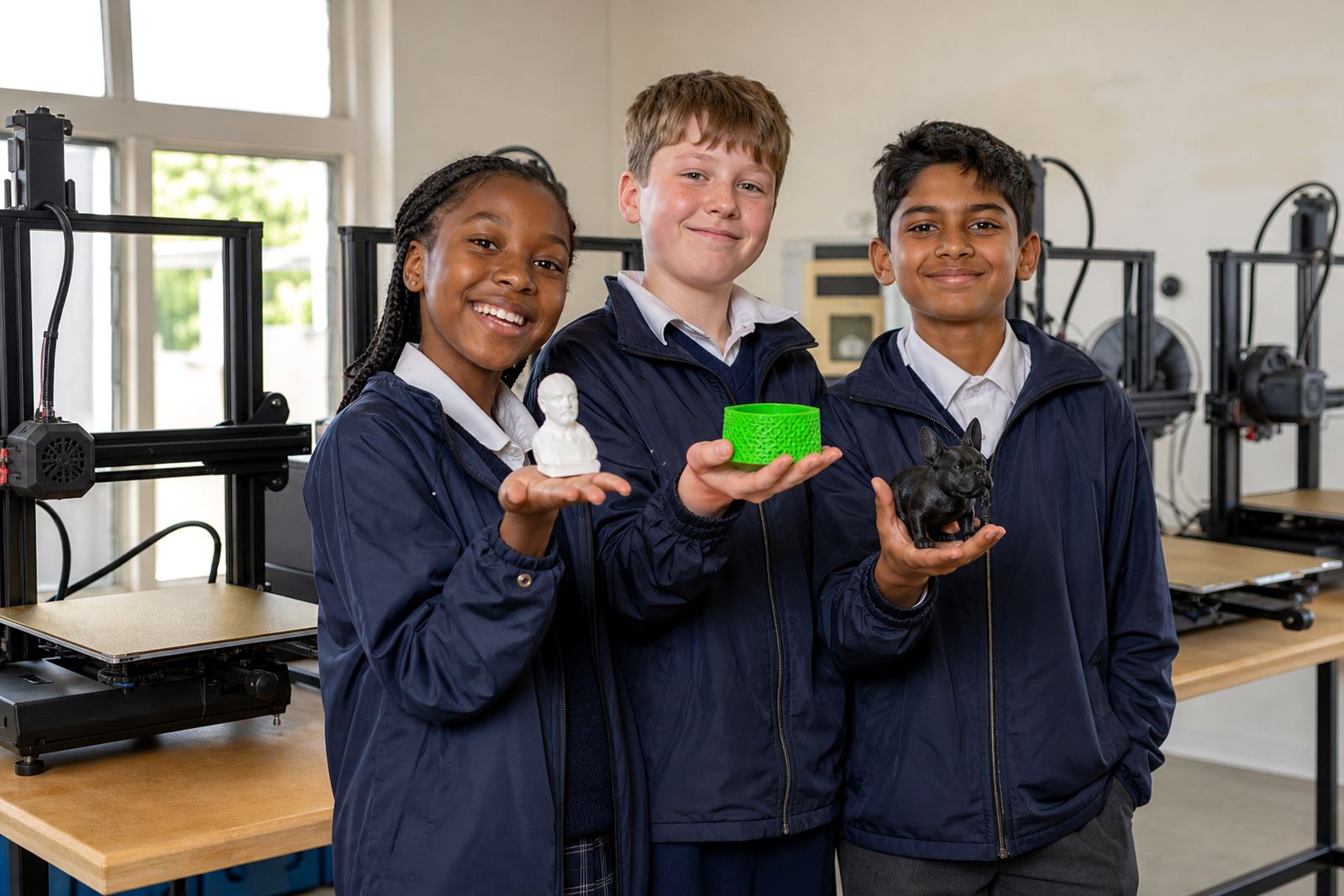
This project came from a community makerspace in Randburg, where the printers are used by different people every day, from first time hobbyists to more experienced users running repeat jobs for parts, signage and prototypes. The team needed a surface that would stay consistent across many operators and a wide mix of materials, with less time spent scraping, cleaning and re-levelling between jobs.
The brief was simple on paper but strict in practice: improve first-layer consistency, reduce failed starts, and choose a surface that could cope with frequent use on a shared machine set. The site also needed something practical for a South African environment, where power interruptions, dust and high summer heat can all affect print results. In a shared room, if one plate slips or one machine is fussy, the whole queue slows down. That was the pain point.
- Client type: community makerspace
- Location: Randburg, Gauteng
- Use case: mixed users, mixed filament, daily turnaround
- Goal: less downtime and steadier bed adhesion
The brief and the limits on site
We started by checking the machines already on the floor and the way they were being used. The makerspace had several printers in regular rotation, with operators swapping between small education jobs and larger workshop pieces. That meant the build surfaces had to be forgiving, durable and easy to explain to new users. It also meant the team could not afford a solution that needed special handling every few prints.
The main constraints were time, user turnover and temperature variation. Some jobs ran back to back, so the beds had to recover quickly. Others were started after the room had sat idle during load-shedding, when temperatures and ambient conditions were not ideal. Randburg is not coastal, but dust from open doors and foot traffic still affects adhesion if a surface is handled too much. We also had to keep the process straightforward enough for casual users, because a makerspace is only useful when the equipment is easy to trust.
- Multiple users sharing each machine
- Frequent filament changes across PLA, PETG and flexible material
- Need for simple cleaning between sessions
- Limited tolerance for downtime during classes and member bookings
What we supplied and fitted
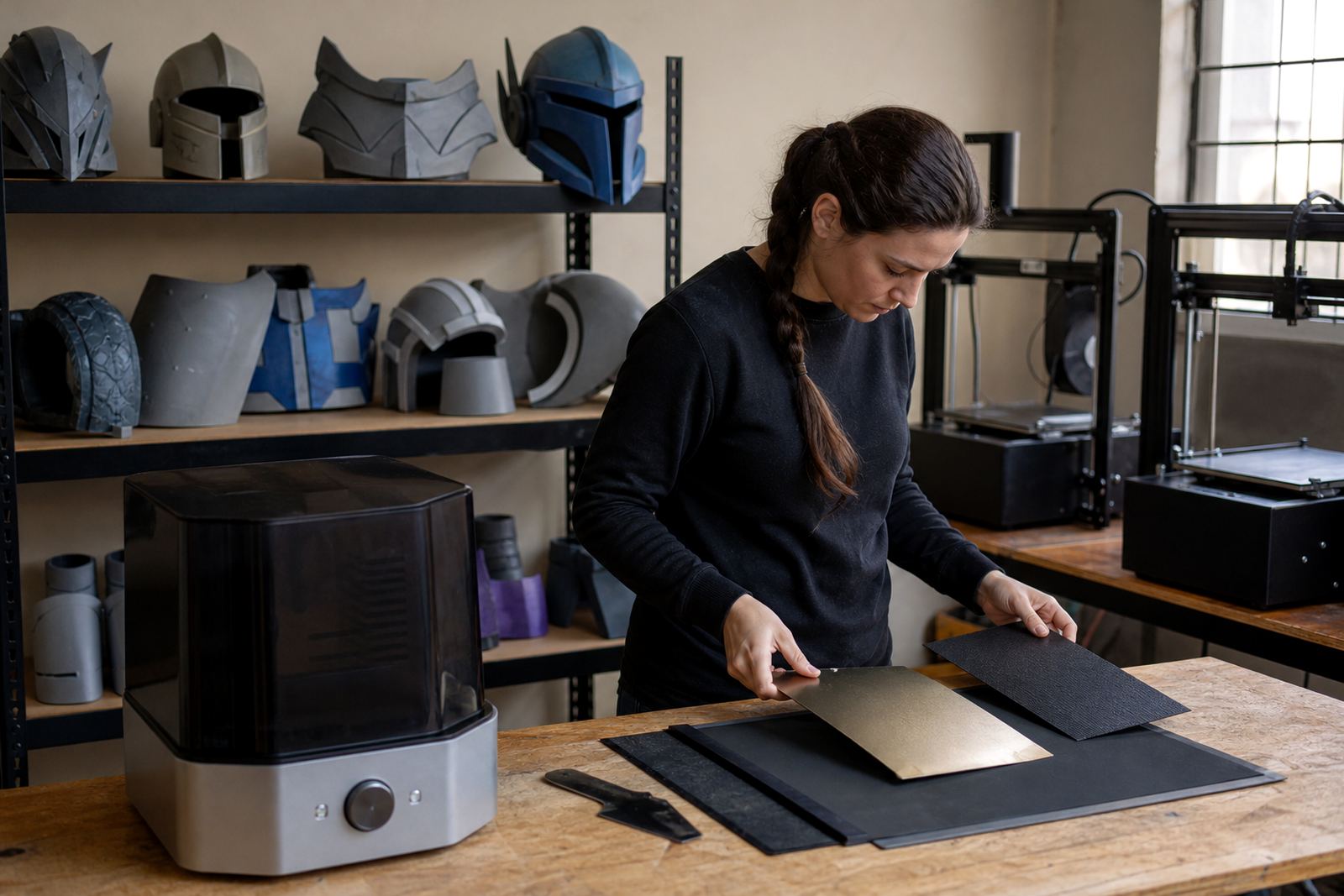
We supplied durable textured build plates sized to suit the printer beds in use, along with fitting support and guidance on setup. The textured finish was chosen for dependable grip on the first layer and a cleaner release once parts had cooled. For a shared space, that matters because it gives predictable results without asking every user to learn a different trick for each material.
The plates were paired with practical bed-adhesion advice, including surface preparation, temperature settings and when to use a light cleaning routine rather than heavy scraping. We also checked the mounting and alignment on the machines we handled, because a good plate on a bad bed still gives trouble. In one case, a slight offset on the bed surface was enough to throw off a print edge, so we corrected that before handing the machine back. It sounds small, but those small fixes save a lot of frustration later.
- Textured build plates for repeatable first-layer grip
- Fitting support for the printers in active use
- Bed flatness checks before final handover
- Simple care guidance for staff and members
Specs that mattered for this installation
The makerspace needed surfaces that could cover a wide range of print jobs without constant replacement. We matched the plates to the machine sizes on site and kept the setup focused on everyday use, not specialised one-off tuning. The key was durability and practical consistency, not fancy extras.
For the technicians and facilitators, the useful details were the plate surface, thickness, mount style and ease of removal. For the users, the main issue was whether the first layer would stick cleanly at the start of a print and release without damage after cooling. That is what makes a shared printers room work well over months, not just on day one.
- Surface type: textured adhesion surface
- Use case: mixed materials and shared access
- Fitment: sized for the printers in service
- Maintenance: wipe clean, cool release, low fuss handling
Timeline from first check to handover
The full job ran over two weeks. Week one covered inspection, measurements and confirming the print mix the makerspace was running most often. That let us choose the right plates and sort out any bed issues before the new surfaces went on. Week two covered fitting, test prints and a short training session for the team managing the room.
We used the test stage to check adhesion on common materials and to make sure the printers were not needing extra tape, glue or repeated retries. One of the nice things about a properly set textured plate is that the workflow becomes more consistent very quickly. New users need fewer corrections, and the experienced users get a steadier starting point. By the end of the second week, the staff had a clear routine for cleaning, preheating and resetting the beds between users.
- Week 1: site check, measurements and surface selection
- Week 2: fitting, tests and user handover
- Test prints used to confirm first-layer grip and release
- Routine created for shared use across the room
Results in a shared-print environment
After the change, the makerspace had fewer failed starts and less time spent reworking the first layer. That made a clear difference in a room where several people may be waiting on the same printer. The team reported that the surfaces were easier to keep in service between sessions, and the prints were more predictable across different operators. In a place like Randburg, where one afternoon can include school groups, hobby users and a small batch job, predictability is what keeps the room calm.
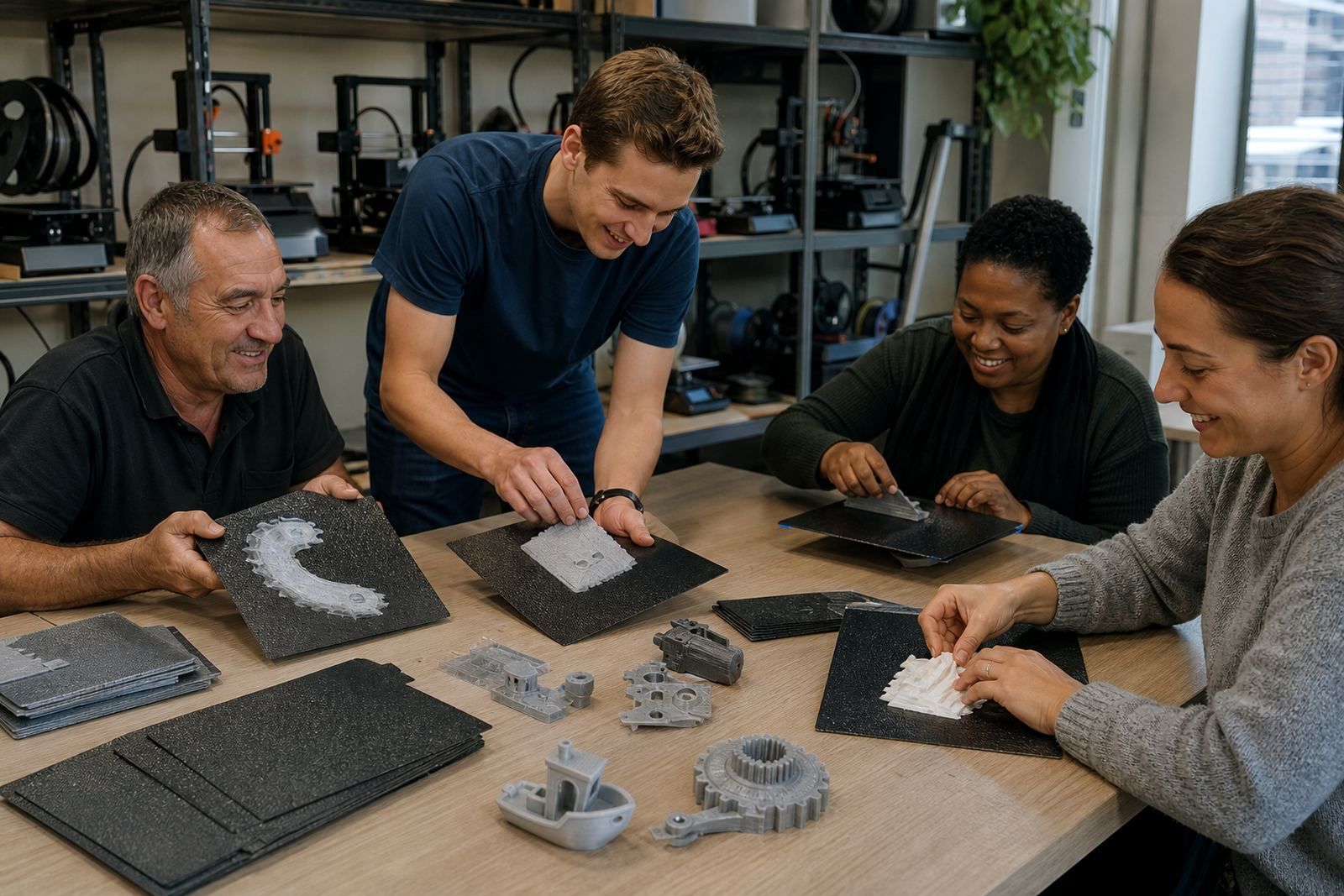
The textured plates also helped with changeovers. Parts released more cleanly after cooling, so staff did not have to force removal and risk damaging the surface. That kept the plates in better shape and reduced the need for rushed replacements. We also found that the makerspace could standardise settings more easily across their printers, which matters when multiple people are learning on the same equipment. Less guesswork, fewer stoppages, better use of the room.
What we would repeat on the next makerspace job
If we were doing the same job again, we would still start with the users and the print mix, not just the machine model. That is the part that usually decides whether a bed surface works in a busy shared space. A makerspace is different from a home printer or a one person workshop, because the habits, handling and cleaning routines are all over the place. The solution has to cope with that.
We would also repeat the short training handover, because that gives the team a simple way to keep the plates in good shape. A quick wipe, the right temperature and a sensible cooling routine go a long way. For a makerspace, that practical discipline matters more than gimmicks. It keeps the printers earning their space, and it keeps members focused on making rather than fixing.
- Start with user habits and print mix
- Check bed flatness before fitting new surfaces
- Give staff a short cleaning and reset routine
- Standardise settings where possible across shared printers
Key facts
| Project location | Randburg, Gauteng |
|---|---|
| Client type | Community makerspace |
| Surface supplied | Durable textured build plates |
| Typical materials | PLA, PETG and flexible filament |
| Project timeline | 2 weeks |
| Key outcome | More consistent first layers and faster changeovers |