
What We Check When Adhesion Goes Wrong
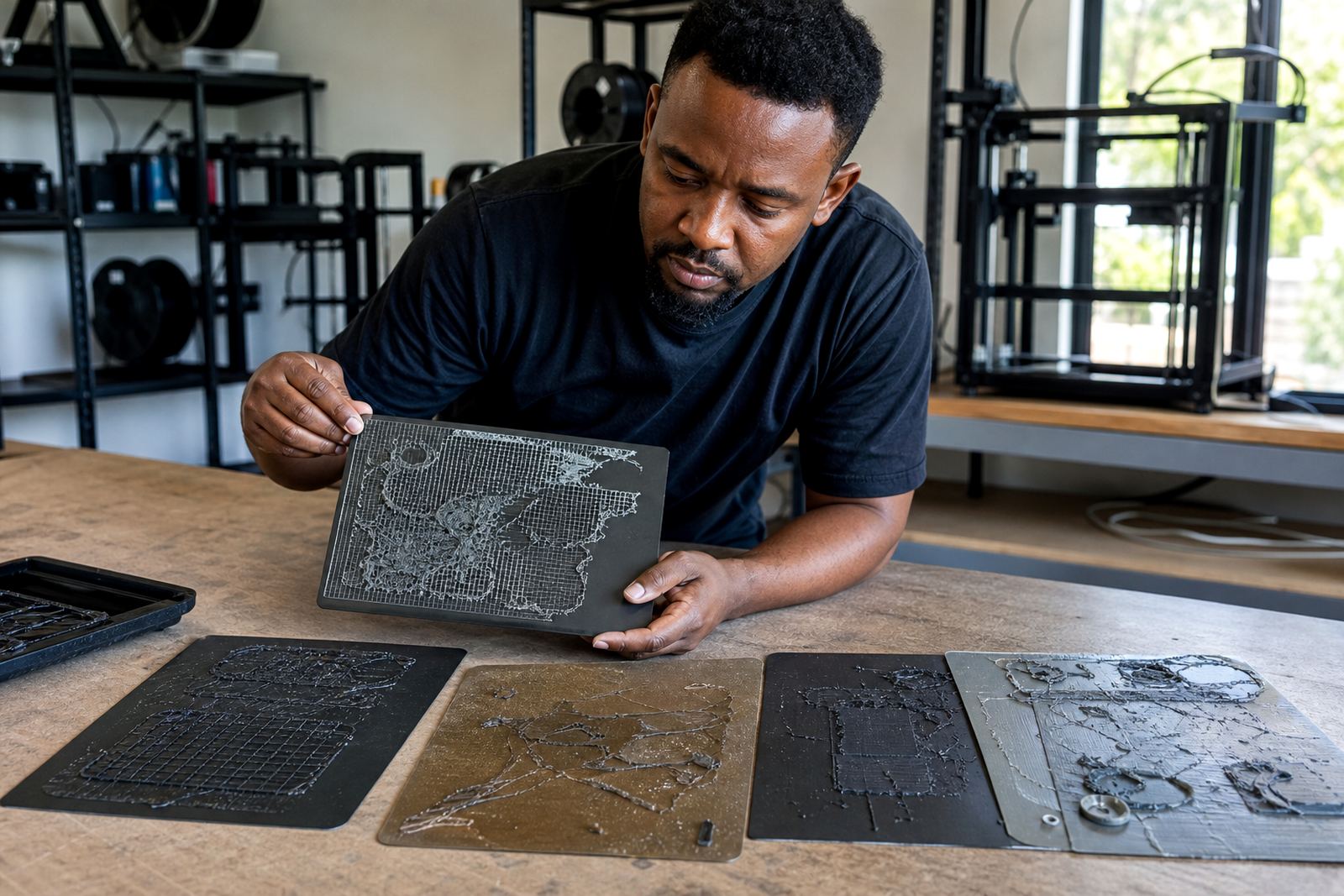
Our service is intended to give you a clear cause, not guesswork. We start with the printed result and work backwards to identify where the adhesion chain is breaking down. That can mean a quick adjustment, or a combination of plate cleaning, fit correction and first-layer tuning. We do not treat every printer the same because a school lab machine, a farm printer running 24/7 and a home unit in Centurion all behave differently.
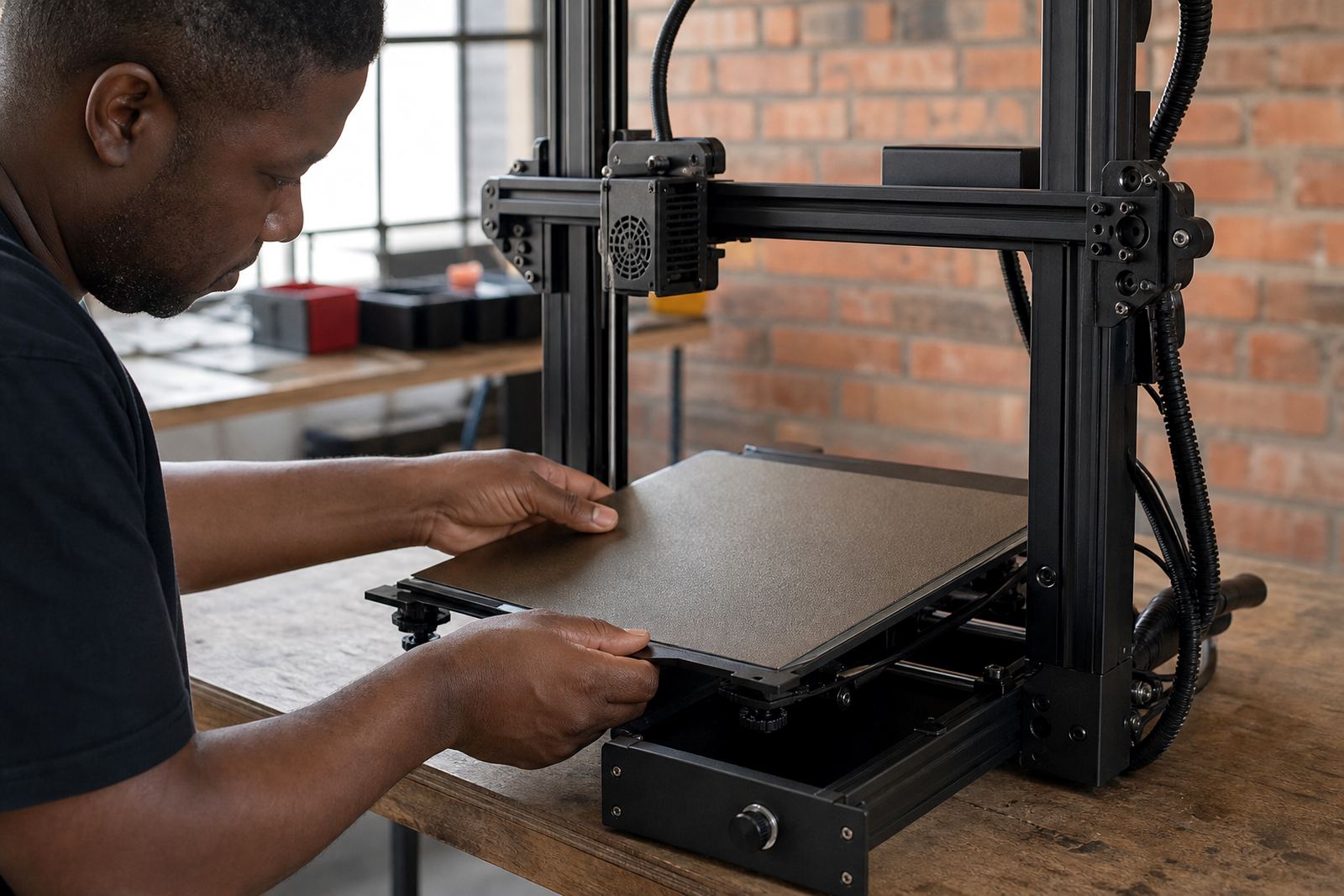
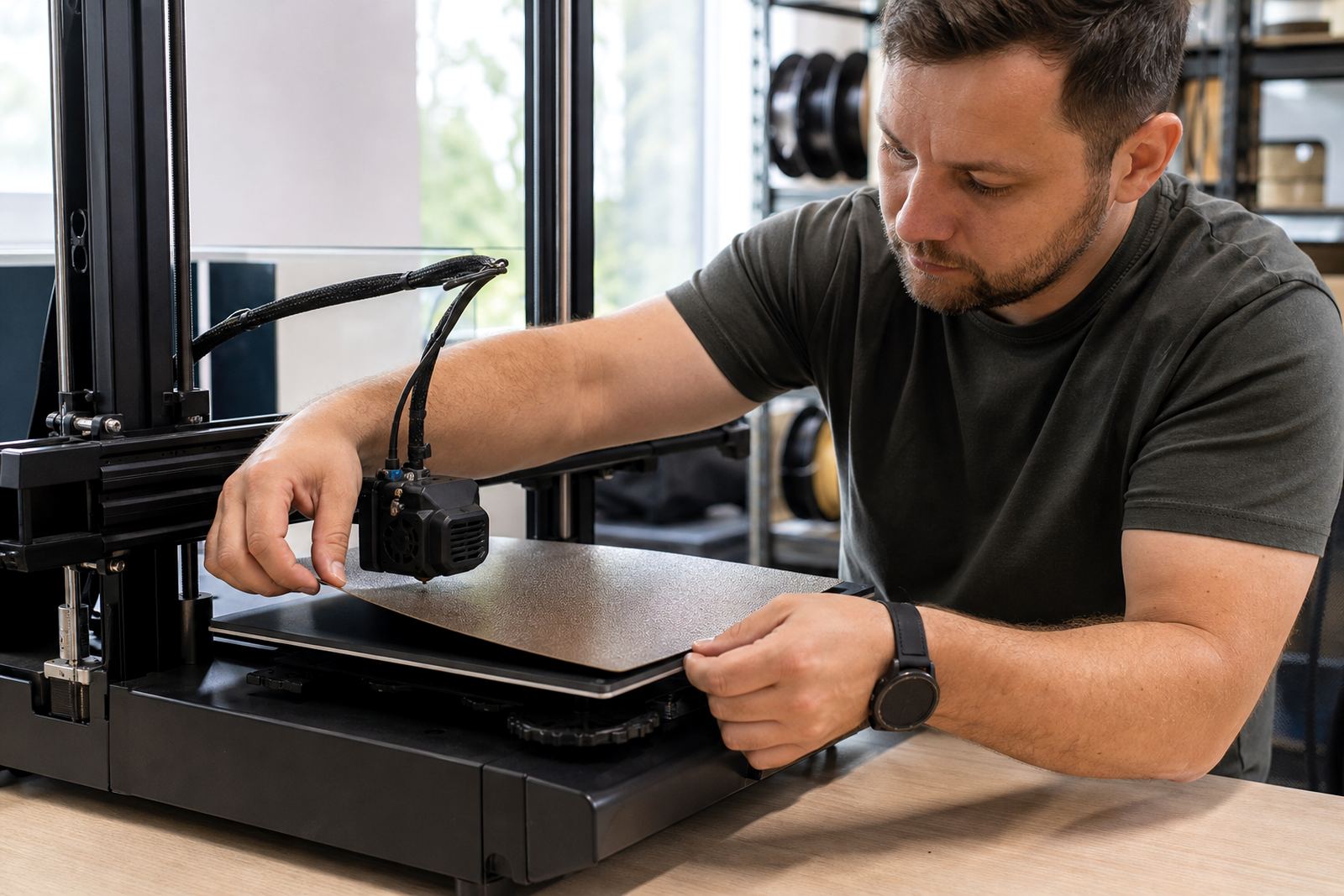
Where needed, we recommend the right surface type and maintenance interval for your materials. A smooth PEI sheet used for detailed PLA work needs different care from a textured plate used for bigger functional parts. If the plate is still serviceable, we will say so. If replacement is the better call, we will explain why and keep the recommendation practical.
- Build plate surface inspection and wear check
- Bed flatness and contact pattern review
- Nozzle-to-bed first layer assessment
- Material-specific adhesion guidance
- Cleaning and handling advice for ongoing use
Step-by-Step Troubleshooting Process
Most troubleshooting jobs are turned around quickly because adhesion faults are usually urgent. In Centurion collections and Pretoria East support cases, we aim to assess the issue fast and return clear next steps. For dispatch areas such as Midrand, Johannesburg, Cape Town, Durban and Bloemfontein, we work around practical transport timing and the urgency of the print queue.
Turnaround depends on what the plate and printer need. A basic inspection and adjustment can be handled quickly, while a full replacement planning job or farm standardising task may take longer. If parts are required, we will tell you upfront and keep the lead time realistic. We do not over promise. If a bed flatness check or custom size cutting is needed, that is built into the timeline from the start.
- Minor adhesion checks: same day or next working day where practical
- Standard troubleshooting: usually within 1 to 3 working days
- Multi-machine farm standardising: by appointment
- Replacement planning and custom work: quoted with clear lead times
Pricing That Matches the Job
Good adhesion depends on regular upkeep. For active printers, we usually recommend a plate check every 2 to 4 weeks, with more frequent cleaning if the machine is used daily or if multiple operators handle it. In humid coastal areas, plates may need more consistent care because moisture and surface contamination can affect grip. In dusty workshops and schools, fingerprints and debris are often the real problem.
As a rule, clean the plate when grip starts to change, not only when a print fails. Recheck first-layer behaviour after nozzle swaps, bed changes or relocation of the printer. If a machine moves between rooms or survives a power cut and restart, it is worth confirming the bed is still level and the plate still seats properly. A small routine saves a lot of wasted filament and frustration, no use waiting until the print fails at hour six.
- Daily wipe for high-use machines
- Weekly inspection for wear and edge lift
- 2 to 4 week full adhesion review for busy setups
- Immediate check after hardware changes or failed prints
Who This Service Helps Most
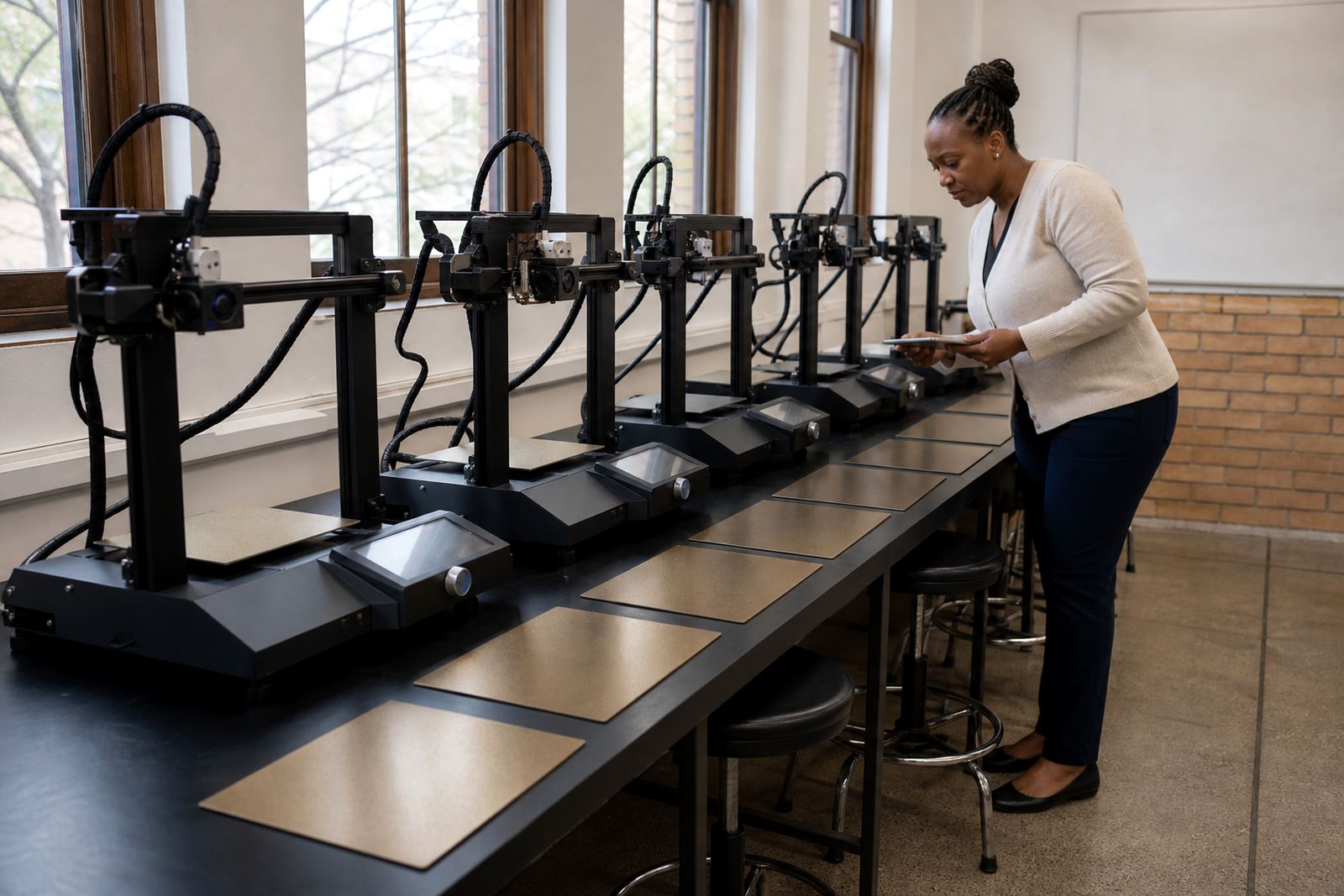
This service is useful for hobbyists who are tired of lifting corners, schools that need reliable class time printing, and production teams that cannot afford repeated rejects. It is also valuable where different materials are being used on the same machine, because one profile does not suit everything. PLA may behave on one plate while PETG needs a different surface approach and release strategy.
We support clients across Centurion, Pretoria, Johannesburg, Cape Town, Durban, Bloemfontein and Gqeberha, with the same practical focus on getting the first layer right. If your prints are failing before they really start, we can help identify whether the issue is the plate, the fitting, the settings or the process around them. The fix is usually more manageable than people expect once the root cause is clear.
Key facts
| Service area | Centurion, Pretoria, Johannesburg, Cape Town, Durban, Bloemfontein and Gqeberha |
|---|---|
| Typical plate sizes checked | From small hobby plates up to 300 x 300 mm and larger custom formats |
| Common materials reviewed | PLA, PETG, ABS and similar 3D printing materials |
| Focus faults | Warping, poor grip, over-adhesion and inconsistent first layers |
| Maintenance interval | Every 2 to 4 weeks for active use, sooner for heavy production |
| Turnaround | Same day to 3 working days depending on the job |