
What Plate Installation Covers
Our plate installation service is for anyone replacing a worn build surface, upgrading to a PEI sheet, or setting up a fresh bed system on a new printer. We work on heated beds, magnetic bases and removable plate setups, and we make sure the parts sit square, level and ready for use. The aim is simple, get you printing with less waste and fewer first-layer problems.
We handle installs for single machines and small fleets, with the same care whether the printer is used in a classroom, a workshop or a busy print room. In Gauteng humidity and coastal air can both affect surface grip, so we check the surface condition, adhesive bond and bed movement before we hand the machine back.
- New build plate fitting and alignment
- PEI sheet fitting on suitable plate systems
- Magnetic base fitting for removable plates
- Bed flatness check before first use
- Surface refresh where the old layer is still serviceable
How We Prepare the Printer Before Fitting
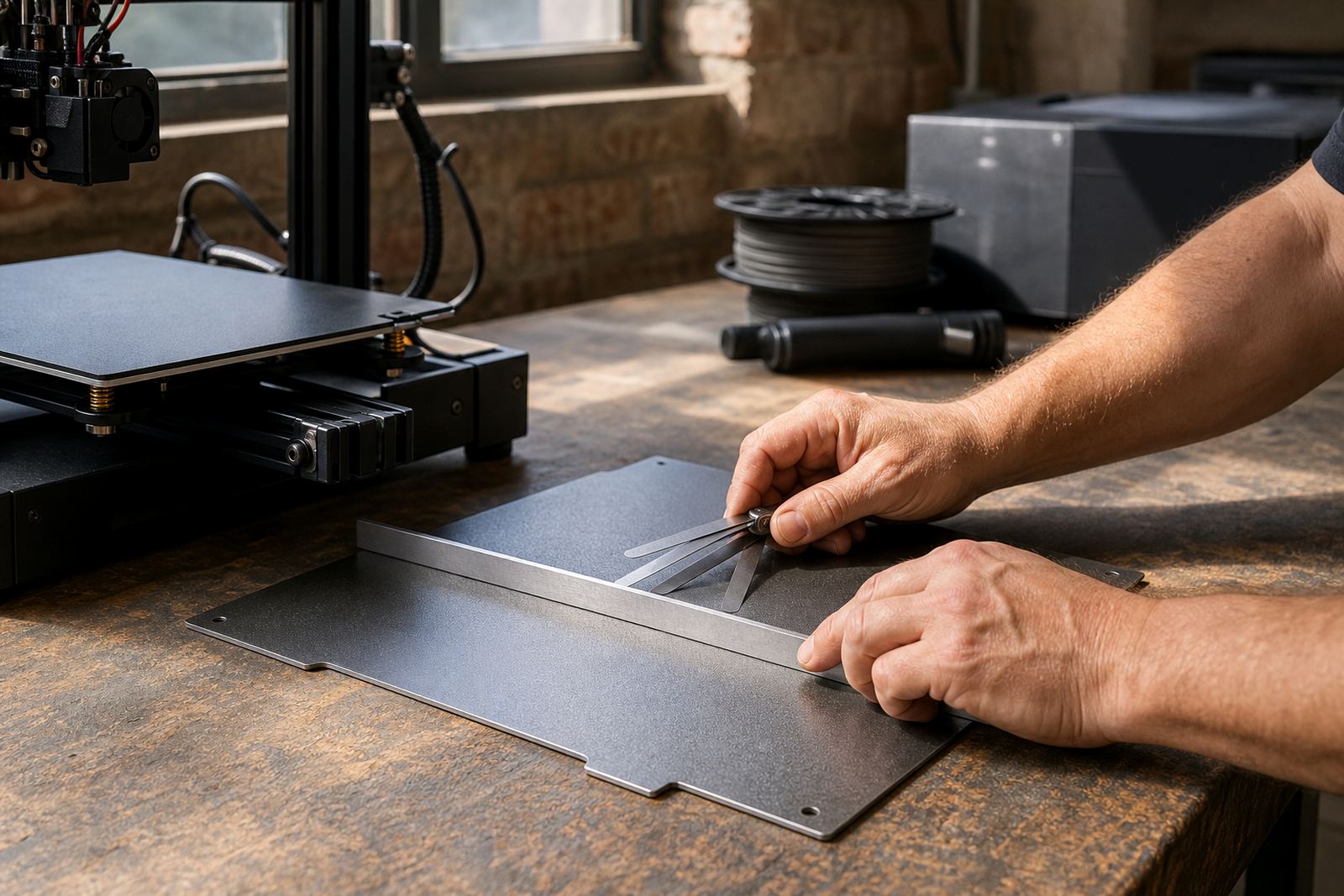
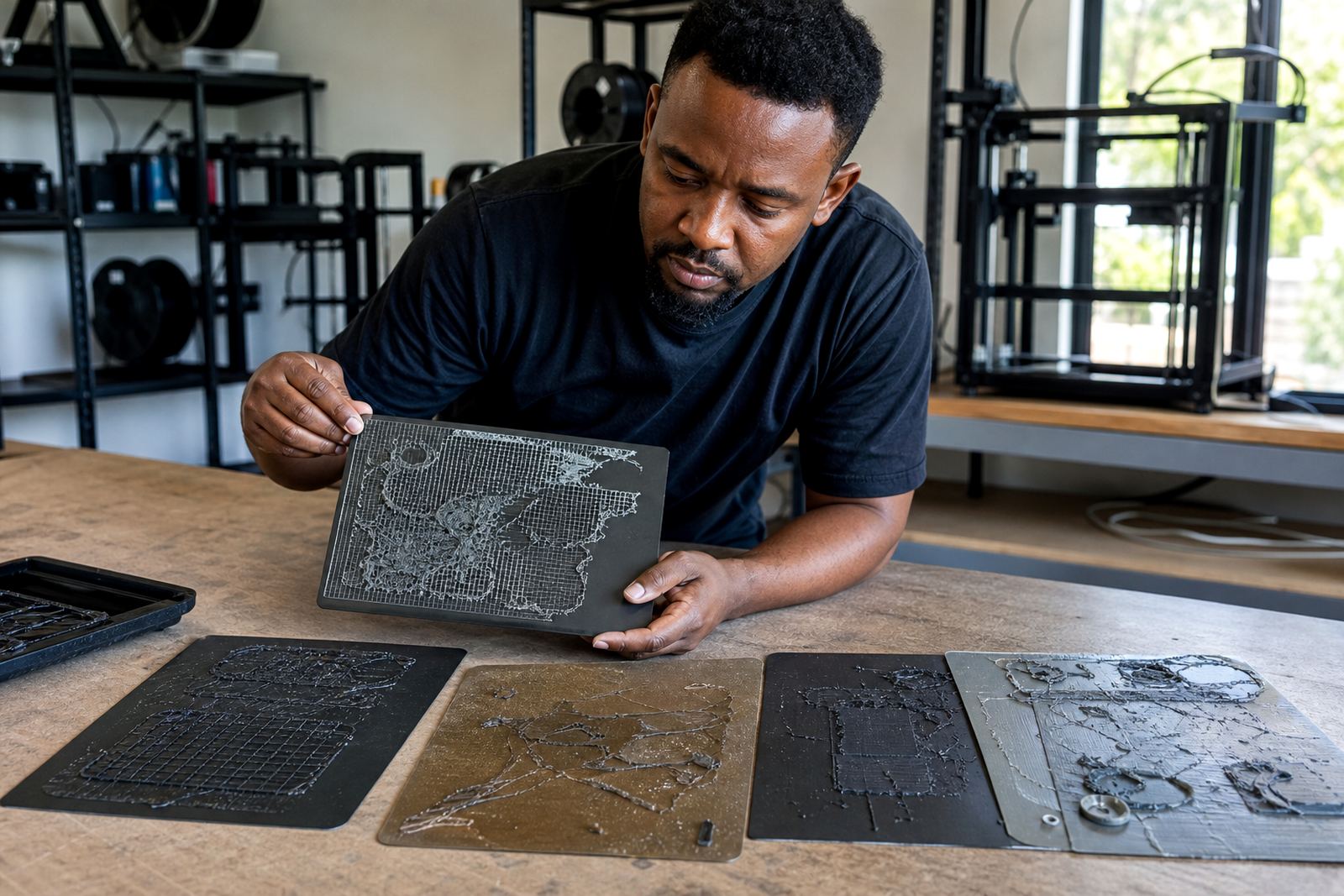
Before any fitting starts, we inspect the bed, frame area and mounting points. We check for warping, old adhesive residue, lifted corners and signs of heat damage. If the printer has been used hard, especially in a print farm or school lab, we look for uneven wear that could cause a poor first layer later on.
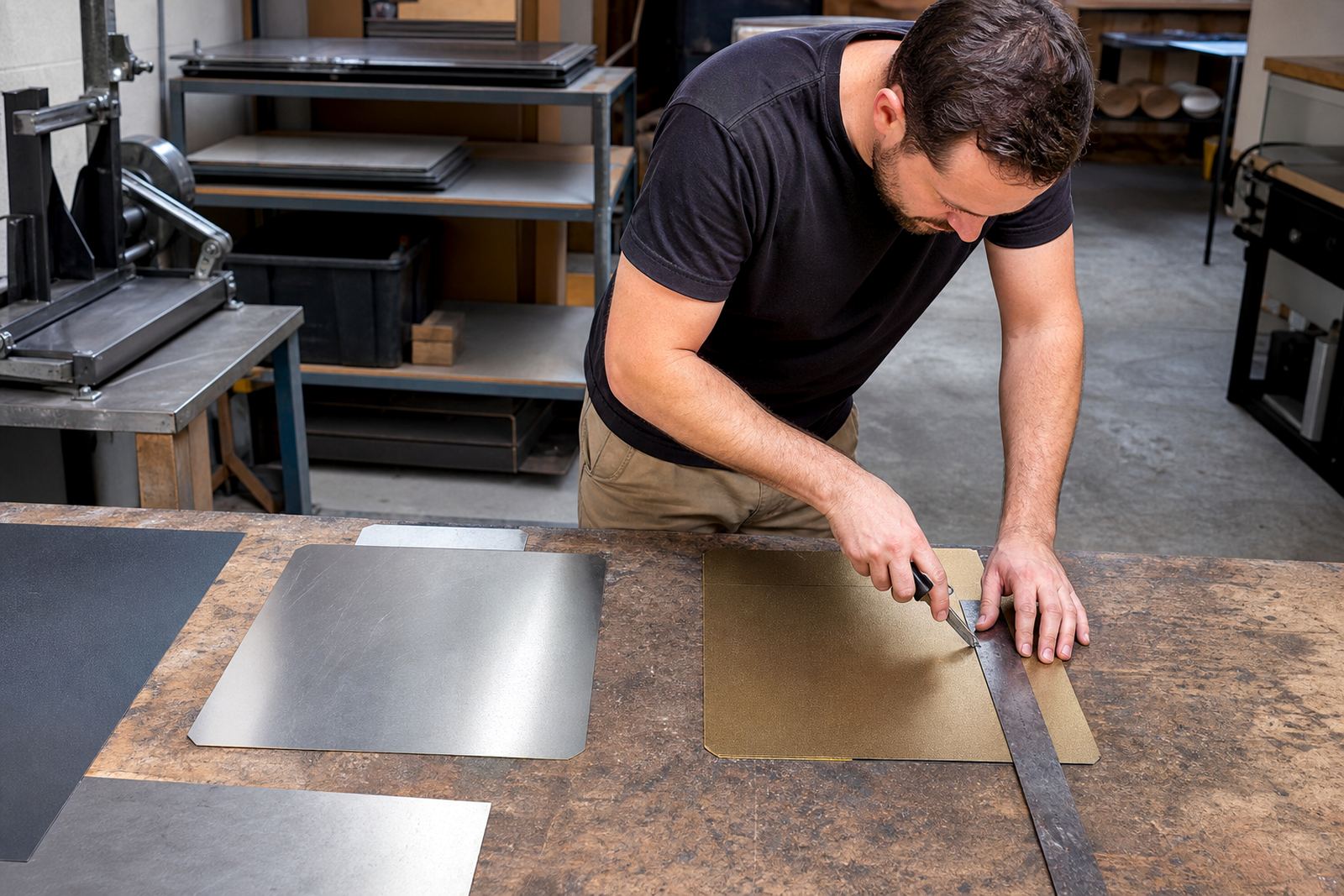
We also confirm the plate size, thickness and clearance so the new surface does not interfere with clips, sensors or carriage movement. Typical plate sizes we fit include 235 x 235 mm, 256 x 256 mm, 300 x 300 mm and custom cuts for non-standard machines. If needed, we mark out the contact points and prepare the bed for a clean bond before anything is attached.
- Visual inspection of bed, frame and mounting points
- Removal of dust, grease and old adhesive
- Measurement of plate size and usable print area
- Check of probe clearance and edge travel
- Confirmation of the right adhesive or magnetic layer
Step by Step Fitting and Alignment
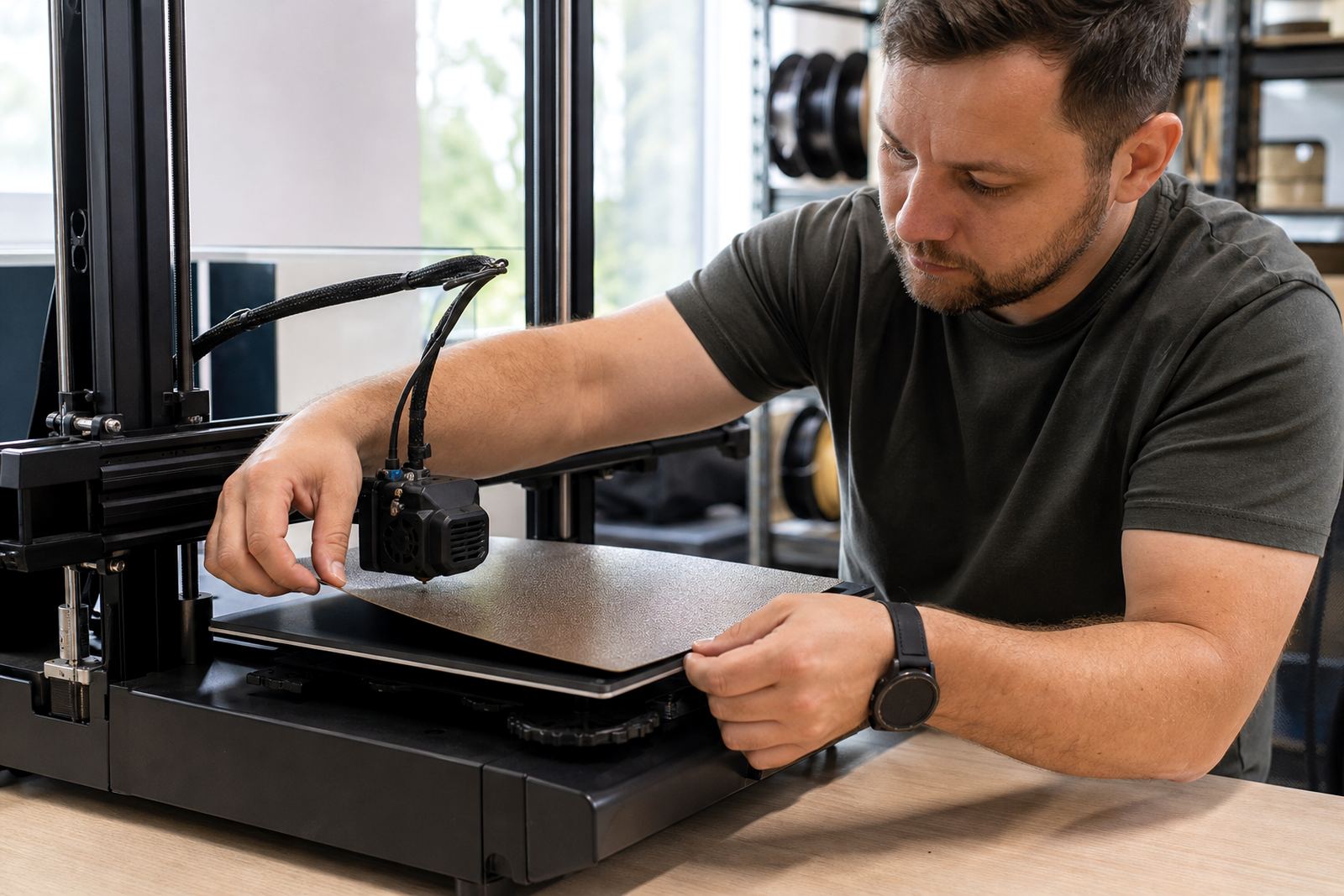
Once the prep work is done, we fit the plate system in a controlled sequence. The bed is cleaned, the base layer is positioned, and the final build surface is aligned from edge to edge so the print area stays true. On magnetic systems we check full contact across the bed, because a weak centre bond or lifted corner can spoil the first layer within minutes.
After fitting, we run a short test routine. This includes a home position check, a nozzle to surface gap check and a first-layer test where needed. If the machine uses clips or guides, we make sure they do not interfere with the printable area. Small printers and larger farm machines get the same process, just scaled to the bed size and use case.
We do not rush this stage. A plate can look straight at a glance but still sit a fraction out, and that is enough to cause edge lift, drag marks or a patchy bottom layer. That is why we check twice before the handover.
Turnaround Times for Single Machines and Fleet Jobs
For a single machine, plate installation is usually handled in a short booking slot once the correct parts are on hand. In most cases the work can be completed same day or by the next working day, depending on the printer model and whether any prep is needed on the bed itself. If a bed flatness correction or custom cut is required, we give a clear time estimate before we start.
For schools, makerspaces and print farms, we can plan the work in batches so the downtime stays low. That is useful when several machines need standardising at once, or when you are replacing surfaces across a lab before a new term. Where collection or dispatch is needed through our Centurion, Pretoria East, Midrand or Johannesburg coverage points, we schedule around the route and the number of units.
- Single printer fitting: same day or next working day in many cases
- Batch installs: planned by machine count and prep needed
- Custom cutting: added time for measuring and finishing
- Large site work: booked in a sequence to reduce downtime
Pricing Approach and What Affects the Quote
We price plate installation according to the machine size, the type of surface being fitted, and the condition of the existing bed. A simple like for like replacement costs less than a full rebuild with magnetic base fitting, bed correction and surface refresh. If the printer needs a custom cut or extra preparation, that is included in the quote so there are no surprises.
For schools and print farms, we can quote per machine or as a grouped job, which often works out better when several units are being standardised. We also factor in the age of the printer, the state of the current adhesive and whether the job needs additional calibration time. We keep the pricing practical and clear, so you know what you are paying for before work begins.
Where possible, we will advise if a plate can be re-used or if replacement is the better choice. In some cases a worn surface is only part of the problem, and it helps to know that before spending money on a new fitting.
Care After Installation and Service Intervals
Once the plate is installed, proper care makes a big difference to adhesion and surface life. We show you how to clean the plate, how to avoid damage from sharp tools and when to re-check the bond. In humid coastal areas and dusty workshop spaces, regular maintenance matters even more because residue can build up faster than expected.
For most users, we suggest a quick inspection every 2 to 4 weeks, with a deeper check every 3 to 6 months depending on print volume. Print farms and school labs with daily use may need more frequent checks, especially after long load-shedding cycles when beds cool and heat repeatedly. If you notice lifting corners, poor grip or uneven first layers, it is worth booking a service sooner rather than later.
- Weekly wipe-down with a suitable cleaner or approved method
- 2 to 4 week inspection for wear, lift and residue
- 3 to 6 month service check for busy machines
- Earlier review after heavy use or a failed first layer run
Who Uses This Service Most
Plate installation is a strong fit for beginners who want a better start with their first printer, but it is just as useful for experienced users who need consistent results across multiple machines. We often fit plates for makers who print functional parts, schools that need reliable classroom equipment, and production teams that want fewer rejects and less handling time between jobs.
Because we work from Centurion and support customers across Pretoria, Johannesburg, Cape Town, Durban, Bloemfontein and Gqeberha, we understand the practical needs of South African users. That means proper sizing, sensible turnaround and advice that fits real workshop conditions, not just ideal lab conditions.
Whether you are replacing a tired surface or setting up a new printer from scratch, the goal stays the same: a plate that sits correctly, grips properly and gives you a better first layer from the start.
Key facts
| Supported plate sizes | 235 x 235 mm, 256 x 256 mm, 300 x 300 mm and custom sizes |
|---|---|
| Compatibility | Heated beds, magnetic bases and removable plate systems |
| Typical turnaround | Same day or next working day for many single-unit jobs |
| Service areas | Centurion, Pretoria, Johannesburg, Cape Town, Durban, Bloemfontein and Gqeberha |
| Maintenance interval | Quick inspection every 2 to 4 weeks, deeper check every 3 to 6 months |
| Best for | Home makers, schools, print farms and small production teams |