
Cut-to-Size for Machines That Do Not Use Standard Beds
Not every printer lands on a common bed size. Some units use awkward dimensions, some have non-standard corner clearances, and some are set up with special fixtures for production parts, school projects or prototype runs. Custom size cutting gives you a plate that fits properly, sits flat and uses the full usable print area without forcing you to trim at home.
We cut build plates and PEI sheets for replacement beds, upgraded printers, test rigs and special-purpose machines. That includes sizes for compact benchtop printers, large-format beds, enclosed machines and print farm units where consistency matters more than making do with an off-size sheet. In Gauteng and coastal areas alike, a good fit helps reduce lifting at the corners, uneven first layers and wasted material from poor bed contact.
The service suits both first-time users and experienced operators. If a machine has been modified, if a magnet base was added later, or if a school needs several identical plates for different labs, we can cut to the required dimensions and keep the finish clean for direct fitting.
What the Service Includes
Custom cutting is more than trimming a sheet and sending it on. We look at the full bed stack so the finished plate matches the machine properly, including the visible print area, the carrier surface underneath, and the way the plate will be held in place during heating and cooling cycles.
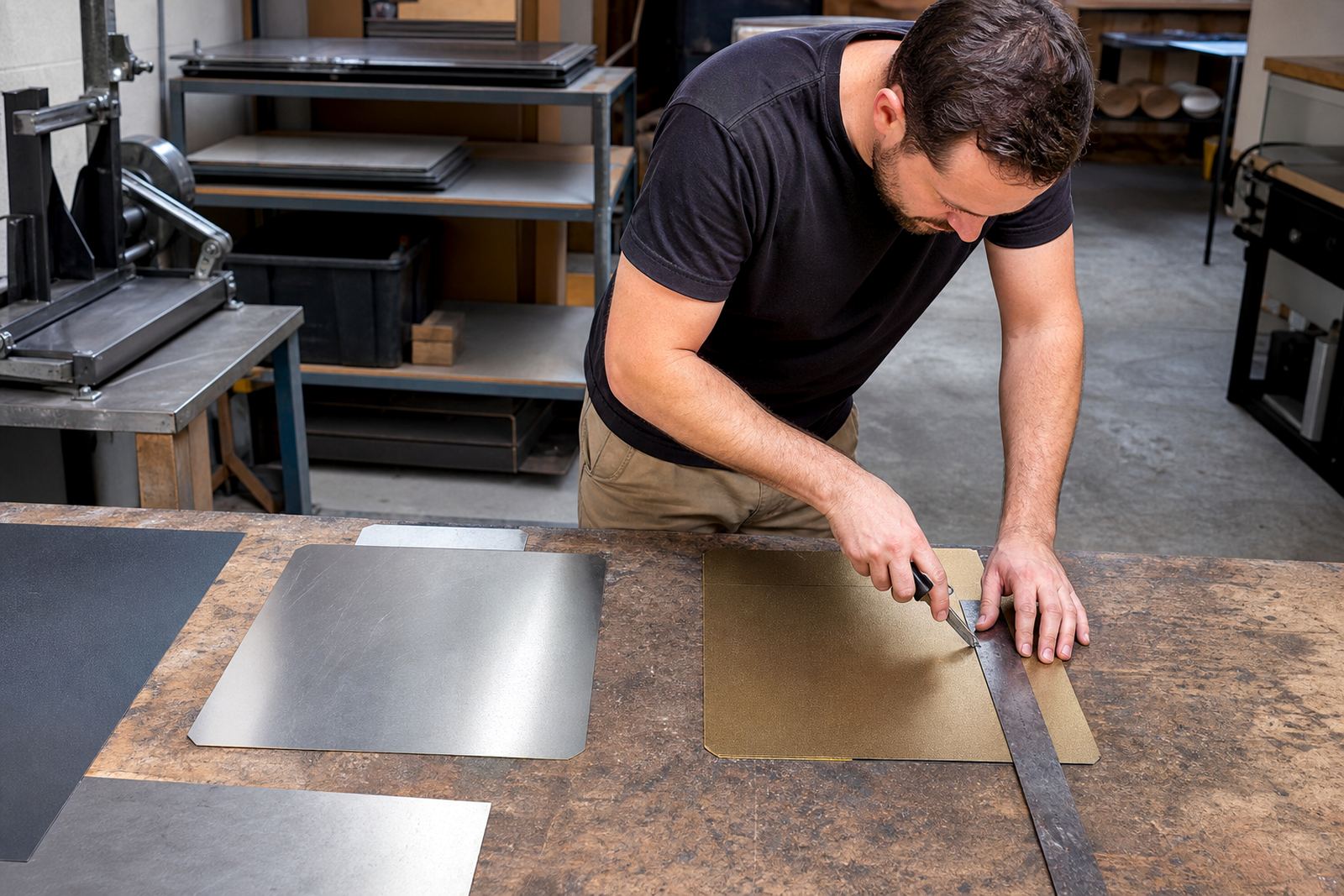
- Measured cutting to the required width and length
- Corner trimming where a machine needs relief for clips, screws or guide points
- Optional matching for PEI sheet and magnetic base layers
- Edge clean-up so the sheet sits neat and does not snag during handling
- Advice on whether the bed needs a fresh surface, flatness check or replacement plan
- Support for single units, school sets and print farm batches
We can also cut for different material stack-ups, including spring steel plates, adhesive-backed PEI sheets and magnetic base sections. If the printer is used in a dusty workshop or a warmer room with load-shedding interruptions, we can advise on the most suitable surface choice for reliable adhesion and day-to-day handling.
How We Measure, Cut and Check the Fit
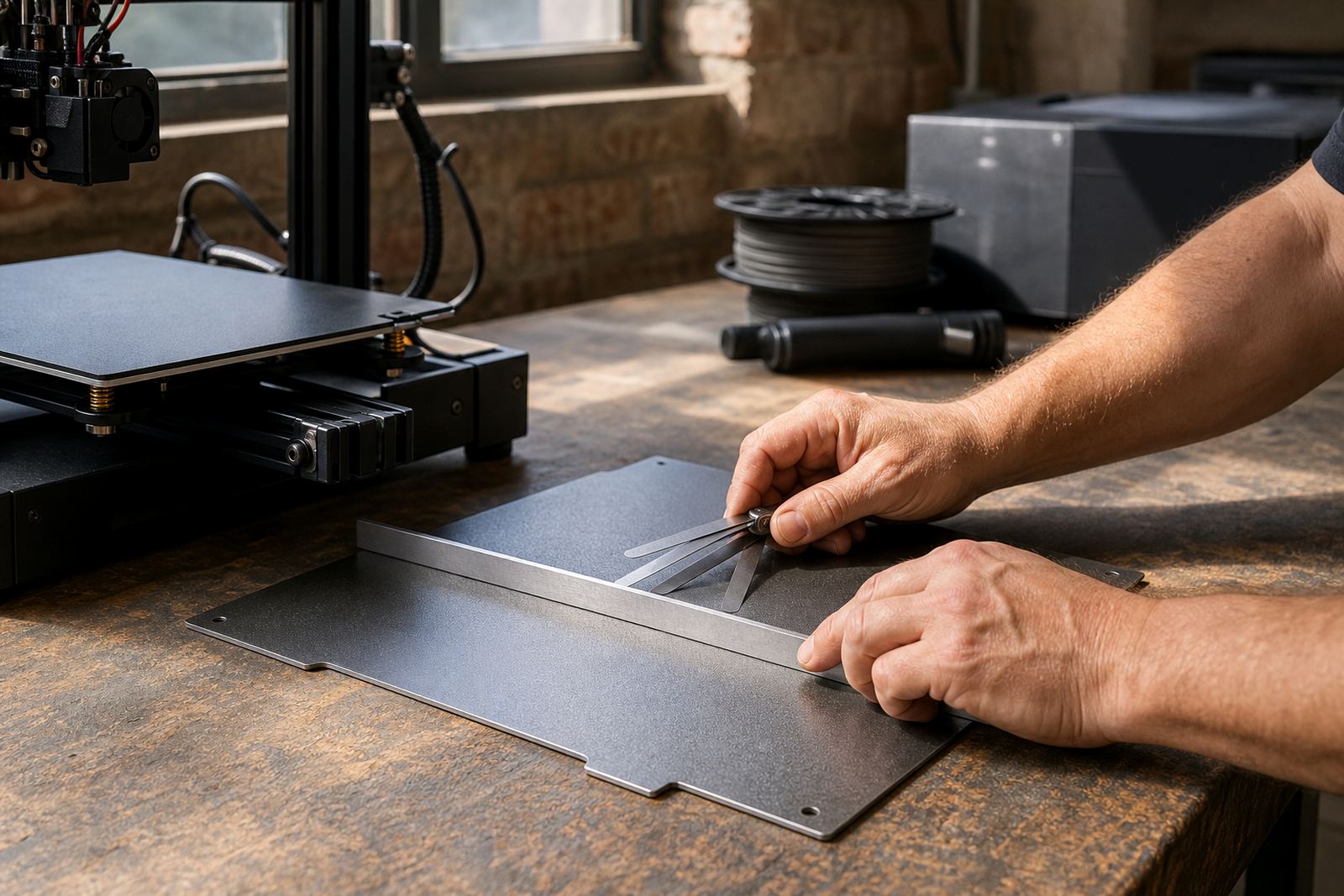
The process starts with accurate measurements from the machine bed, not just the advertised printer size. Many beds lose a few millimetres to brackets, screws, rounded edges or frame interference, so we work from the actual usable area. That avoids the common problem of a plate that is technically the right size but awkward in practice.
- Confirm the printer model or send the bed dimensions from edge to edge
- Note any cut-outs, magnets, screw heads or clip points
- Confirm whether the cut is for the top plate only or for a full layered setup
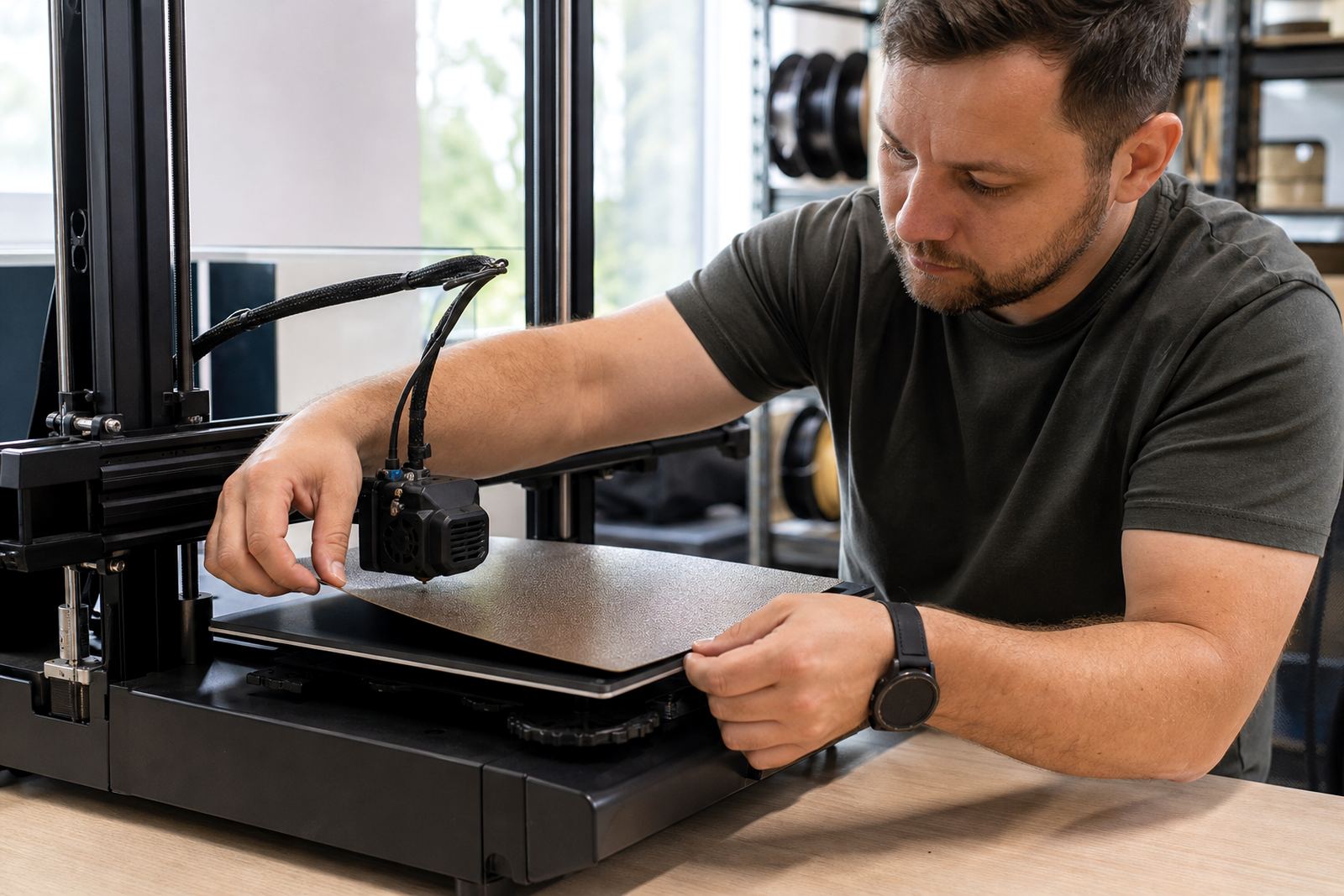
- Cut to the required spec and check the corners, edges and fit
- Prepare the order for collection in Centurion or dispatch to your area
If a client is unsure, we can help by comparing the measured bed against the usable print area and suggesting a practical cut size. For schools and farms, that step saves time because every printer does not need to be measured from scratch if the units are the same make and setup.
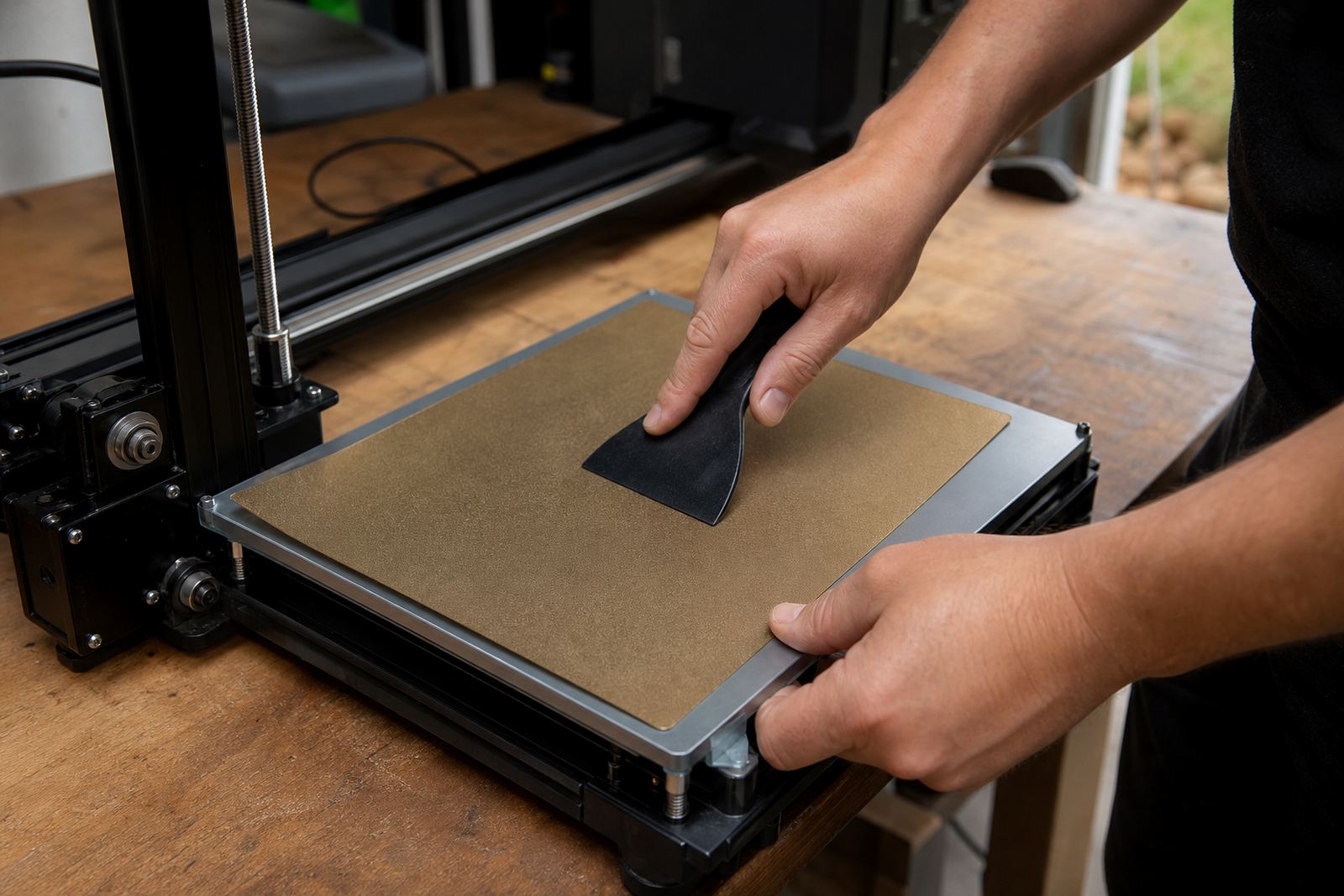
We also look at maintenance needs while measuring. If the original plate is warped, the base has lost grip or the surface has wear marks from repeated use, it may make sense to combine custom cutting with a surface refresh or replacement planning so the printer returns to service properly.
Turnaround, Pricing and Batch Orders
Turnaround depends on the size, material and quantity. A single cut plate is usually quicker than a mixed batch with different dimensions, corner relief or layered fitment. For repeat orders, we keep the size record on file so the same spec can be produced again without starting over each time.
Pricing is based on the material selected, the overall dimensions, the amount of cutting needed and whether extra matching work is required for magnetic bases or PEI sheet fitting. Larger sheets and tighter tolerances need more handling, so the quote reflects the actual labour and material used rather than a flat one-size-fits-all rate.
For schools, print farms and makerspaces, batch pricing is often the most practical route. If several machines use the same bed size, one measurement set can cover the lot. That makes replacement planning easier and keeps spares on hand for busy periods, exam projects or production runs where downtime is costly.
Collection and dispatch are handled through our Centurion base and coverage areas including Pretoria East, Midrand, Johannesburg, Cape Town, Durban, Bloemfontein and Gqeberha. Where clients need several plates sent together, we pack them to protect the cut edges and keep the sheets clean during transit.
Keeping Cut Surfaces in Good Condition
A cut plate still needs normal care, especially where machines run daily or sit in rooms that heat up and cool down often. Good maintenance keeps the fit neat and the surface working the way it should. In humid coastal conditions, careful handling matters even more because moisture can affect storage and reduce consistency if plates are left open or dirty.
- Wipe the plate with a suitable cleaner before each major print run
- Store spares flat and away from dust and direct sunlight
- Check for edge wear after repeated removal and fitting
- Inspect magnet hold and flatness every few months on active machines
- Replace worn surfaces before first-layer problems become regular
For active home users, a check every 3 to 6 months is usually enough. For school labs and print farms, monthly inspection is a safer habit, especially when several operators use the same equipment. If the printer sees daily use, or if the plate is removed often for part release, plan on shorter service intervals and keep a spare on site.
Where Custom Cutting Helps Most
Custom size cutting is useful wherever the machine setup is not standard or the print job calls for a specific fit. That includes modified printers, educational labs, small production lines, replacement plates for older units and special fixtures used for jigs, test pieces or repeatable part runs. It is also a practical option when a customer wants one setup standardised across a small fleet so every machine uses the same handling routine.
Our team works with makers, schools and print farms that need a practical solution rather than a guess. Mpho van der Merwe and the team in Centurion support the order from first measurement through to fitting advice, with Johan on technical sales and Thabo on production support. That means you are not left wondering whether the cut will fit the printer, the magnet layer or the way the bed moves under heat.
If you need a clean cut, a repeatable size, and a plate that is ready for real use, custom cutting is the right place to start. It saves time, improves fit and keeps the printer working with less fiddling on the bench.
Key facts
| Cut sizes | Made to the measured bed area, including corner relief and special clearances |
|---|---|
| Material options | Build plates, PEI sheets and layered fitments with magnetic bases |
| Typical use cases | Unusual printers, upgrades, school labs, print farms and special fixtures |
| Order types | Single units, repeat batches and standardised sets for multiple machines |
| Turnaround | Depends on size, quantity and material, with repeat specs faster on re-order |
| Maintenance interval | Inspect every 3 to 6 months for hobby use, monthly for busy labs and farms |