
What PEI Sheet Fitting Covers
PEI sheet fitting is more than sticking a sheet onto a plate and hoping for the best. A good fit depends on clean preparation, accurate trimming, pressure during bonding and the right method for the base material. LayerPad fits PEI sheets for printers used in homes, classrooms, maker spaces and production rooms, with an eye on reliable first-layer grip and tidy edges.
Our fitting service is suitable for spring steel plates, aluminium build plates and magnetic systems where the surface is intended to be replaceable. We check the plate size, the sheet thickness and the intended print bed temperature before starting, because a sheet that is too large, too thin or badly aligned can curl at the corners or trap air in the centre.
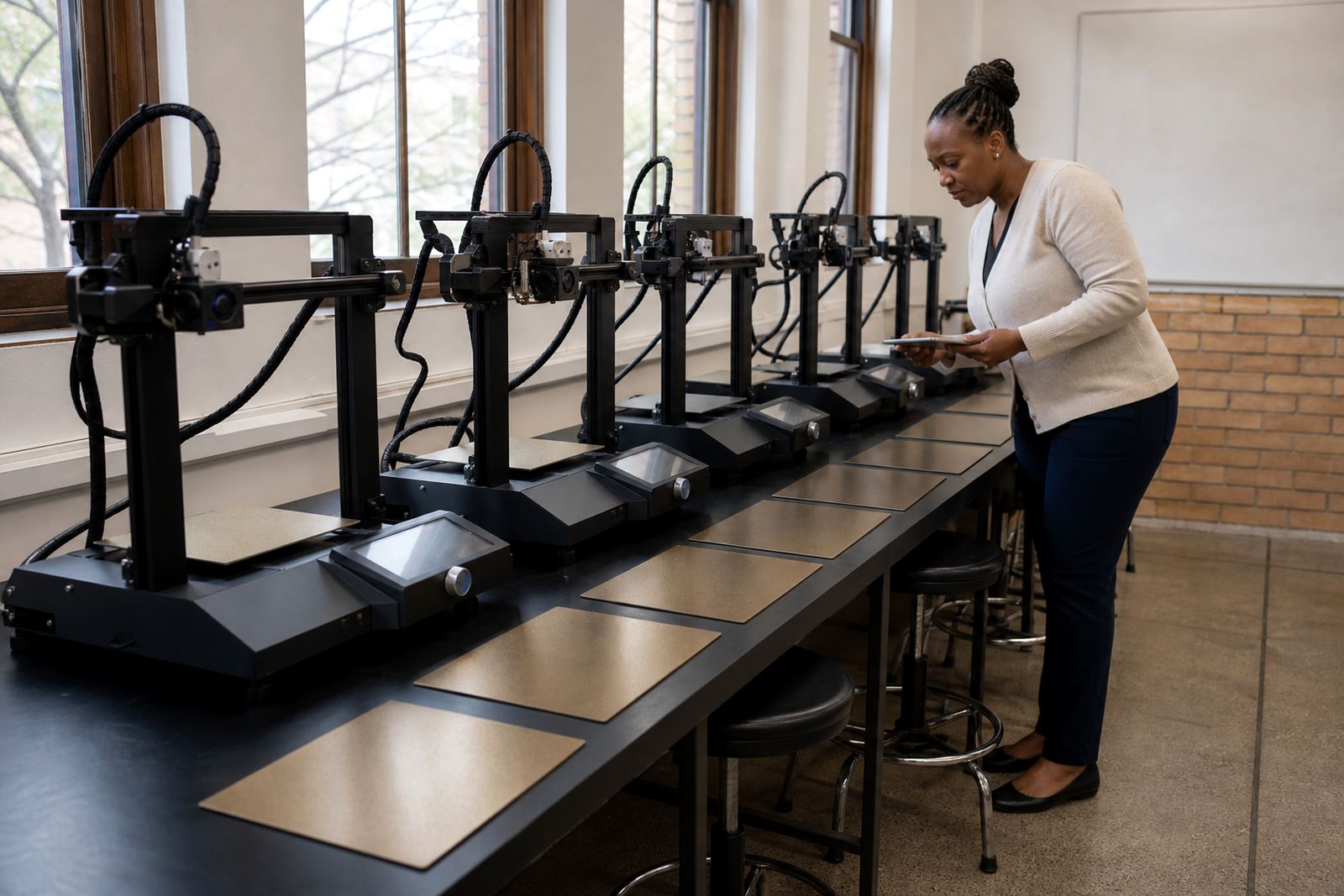
- Standard sheet fitting for common bed sizes from compact hobby printers to larger format machines
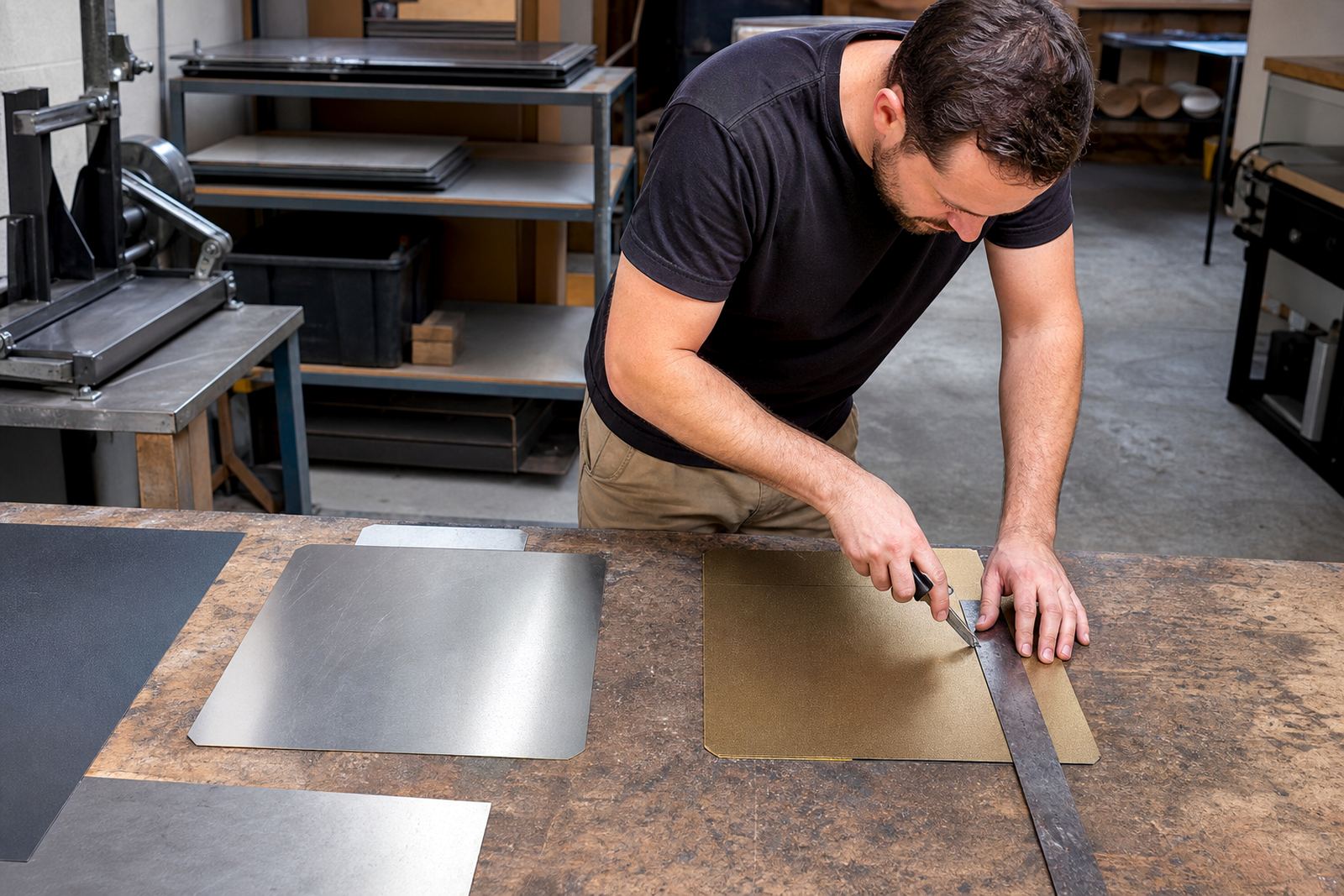
- Neat edge trimming for square, round and chamfered plates
- Surface cleaning and de-greasing before bonding
- Alignment for single sided and double sided PEI surfaces
Materials, Sizes and Fit Specs
We work with smooth and textured PEI sheets, depending on the print finish and release behaviour you want. Smooth sheets are often preferred for cleaner bottom layers, while textured surfaces can help with release and hide small bed marks. The right choice also depends on filament type, bed temperature and how often the plate is removed for part release or changeovers.
Typical sheet fitting is available for build plate sizes from 120 x 120 mm up to 500 x 500 mm, with custom cutting for non-standard machines and school lab setups. Sheet thickness, adhesive type and magnetic base compatibility are checked against the plate so the finished fit sits flat and stays steady under repeated heating cycles. In coastal areas like Durban and Gqeberha, humidity can affect adhesion prep, so we handle surfaces a bit more carefully and allow for proper curing time.
- Common sizes: 120 x 120 mm, 220 x 220 mm, 256 x 256 mm, 300 x 300 mm, 350 x 350 mm, 500 x 500 mm
- Sheet options: smooth PEI, textured PEI and replacement overlays
- Compatible with heated beds used for PLA, PETG, ABS and similar common materials
- Suitable for magnetic flex plates and fixed plate systems
How We Fit the Sheet, Step by Step
Every fitting job starts with a quick check of the plate surface, the edges and the heat history of the machine. If the bed is warped, scratched or contaminated, the sheet will never sit properly. That is why we do a bed flatness check where needed, then clean the surface thoroughly before we place the new sheet.
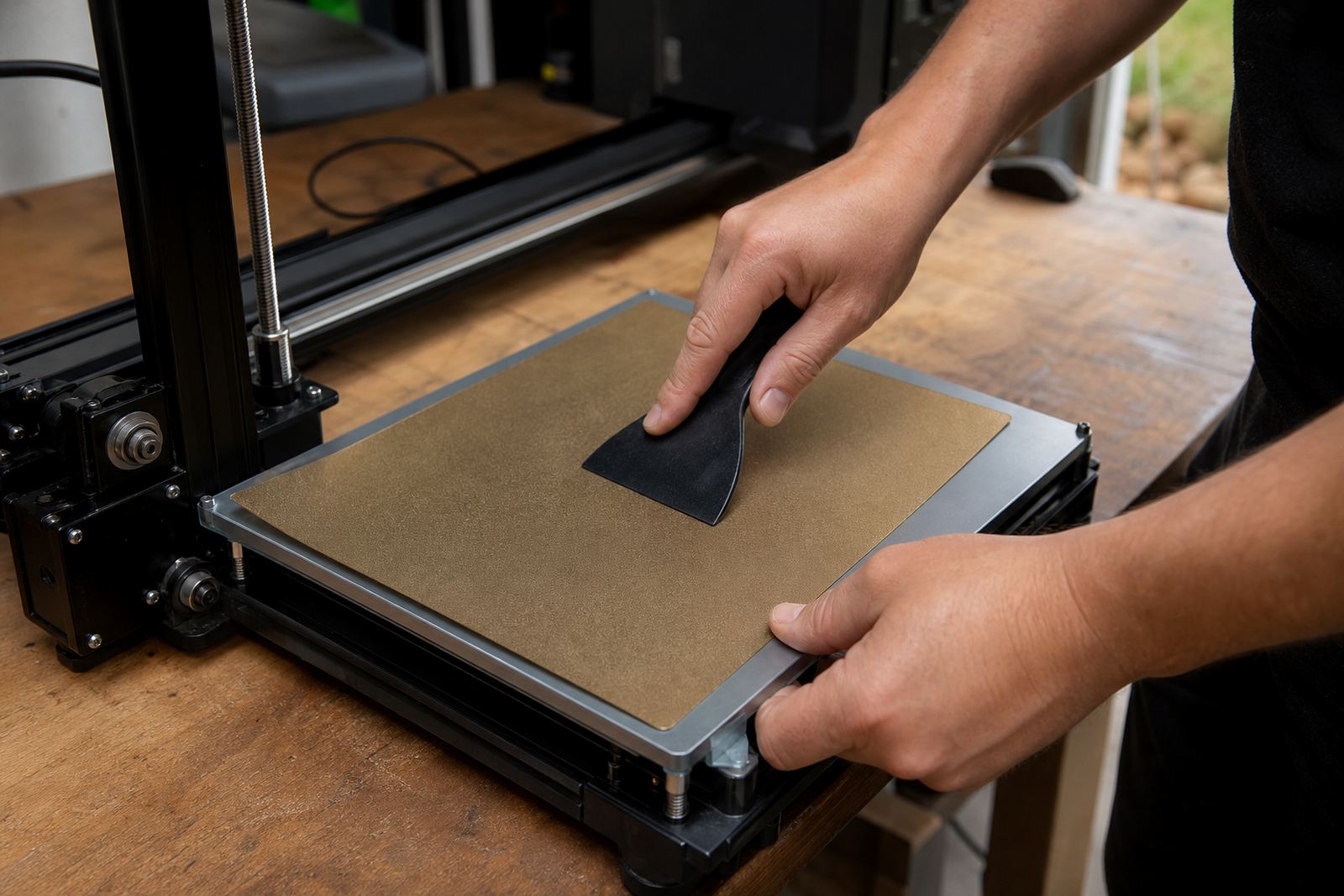
The fitting process is practical and methodical. We position the sheet, confirm alignment against the plate corners or radius, then bond it under controlled pressure to avoid bubbles. Once the sheet is seated, we trim any overhangs and inspect the edge line so it does not catch during installation or cleaning. If the base uses a magnetic layer, we check that the pull strength and contact are still even across the bed.
- Initial inspection and size verification
- Degreasing and dust removal
- Alignment and tack placement
- Pressure fitting and bubble check
- Edge trimming and final inspection
When a Fresh PEI Surface Is Due
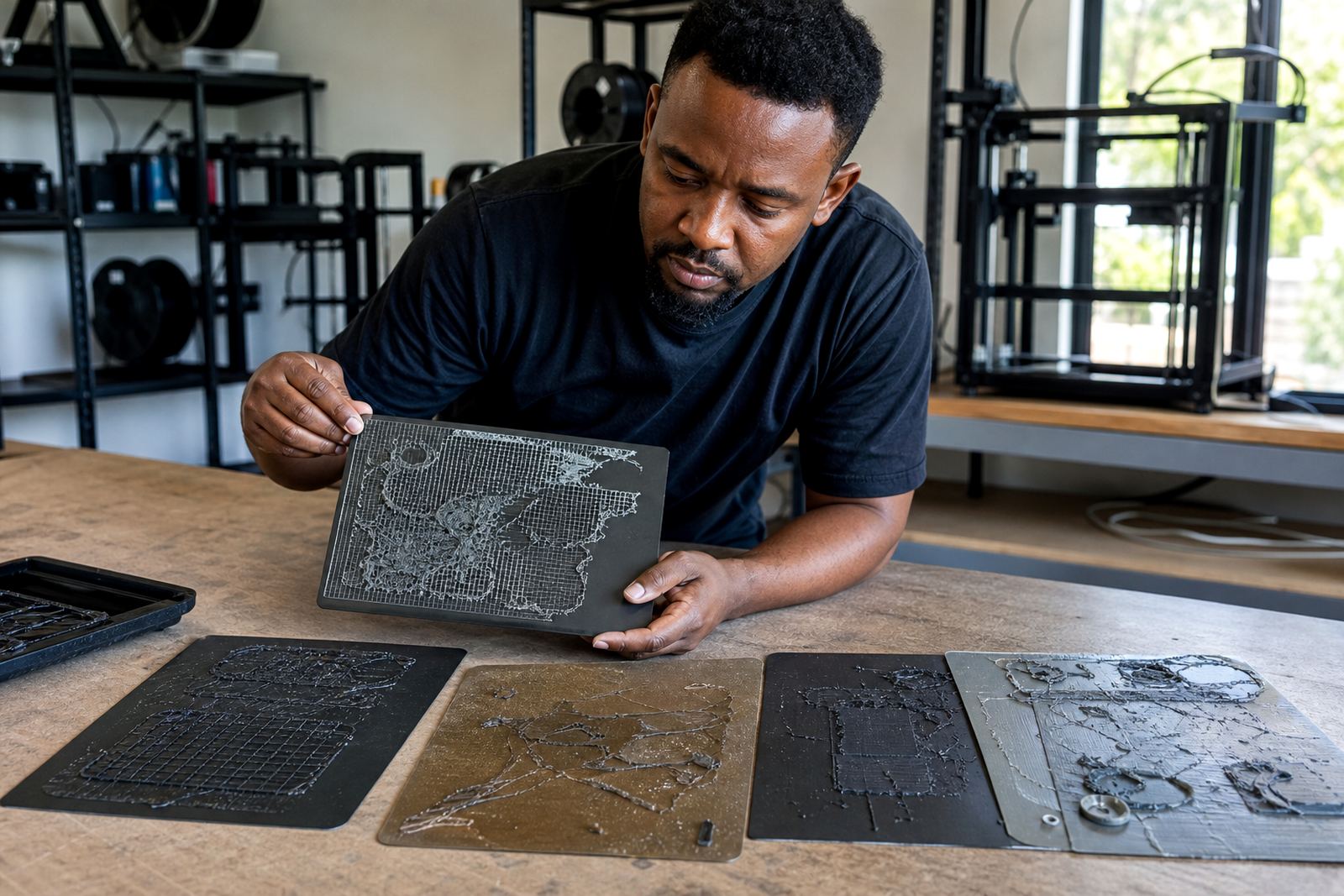
PEI is durable, but it does wear. If you are seeing inconsistent first layers, shiny worn spots, lifted corners or prints that start well in one area and fail in another, the surface may be due for replacement or refresh. In many cases the issue is not the slicer or the filament, it is the top layer on the bed or the way it was fitted in the first place.
For busy users, a replacement interval of 6 to 18 months is common, depending on temperature cycles, scraper use and how often the bed is cleaned. Schools and print farms often need more frequent checks because the beds are used by different operators. If you are running large batches in Johannesburg or Pretoria East, it helps to schedule maintenance before the sheet fails mid run. That small bit of planning saves a lot of wasted material.
- Visible bubbling or edge lift
- Reduced grip after cleaning
- Uneven wear across the print area
- Damage from tools, glue residue or over-heating
Turnaround for Centurion and Nationwide Jobs
Turnaround depends on plate size, quantity and whether the machine needs extra prep work. Simple PEI sheet fitting jobs can often be handled quickly for Centurion collection, while school labs, print farms and multi-unit orders may need more time for matching, cutting and inspection. We also plan around local supply and transport realities, so if you are dispatching from Midrand or receiving stock in Cape Town, we can sequence the work to fit your schedule.
Most standard fitting jobs are completed within 1 to 3 working days after intake, with larger batches or custom cuts taking a little longer. If the plate needs a flatness check, magnetic base fitting or a surface refresh first, we will allow additional time and explain the order of work. The goal is not to rush a sheet onto a bed, but to deliver a surface that behaves properly from the first print.
We support customers through the enquiry form on our contact page, then confirm the best route for collection, dispatch or regional coverage. That includes Pretoria East Support, Johannesburg Coverage, Durban Coverage, Bloemfontein Coverage, Gqeberha Coverage and Centurion Collection.
Pricing Approach and Maintenance Planning
Pricing is based on plate size, sheet type, the amount of trimming required and whether the job needs extra preparation work. A standard fit on a common bed is priced differently from a custom cut for an unusual frame or a batch of plates for a school lab. If you need repeat work for a print farm, we can plan a maintenance cycle so the cost stays predictable instead of becoming an emergency expense.
We prefer clear pricing ranges rather than vague allowances. If a plate is straightforward, the quote is straightforward. If it needs bed flatness correction, magnetic alignment or multiple sheets matched to one setup, we quote it as a full job so there are no surprises later. For frequent users, maintenance intervals can be grouped with cleaning, replacement planning and consumables supply to keep downtime low.
- Single plate fitting and replacement pricing
- Batch pricing for schools and print farms
- Custom cut pricing for non-standard beds
- Planned maintenance for regular users
Key facts
| Sheet types | Smooth PEI, textured PEI and replacement overlays |
|---|---|
| Common plate sizes | 120 x 120 mm to 500 x 500 mm |
| Compatible beds | Spring steel, aluminium and magnetic flex systems |
| Typical turnaround | 1 to 3 working days for standard jobs |
| Maintenance interval | Usually 6 to 18 months, depending on use |
| Coverage | Centurion, Pretoria, Johannesburg, Cape Town, Durban, Bloemfontein and Gqeberha |