
Standard sizes that suit a working farm
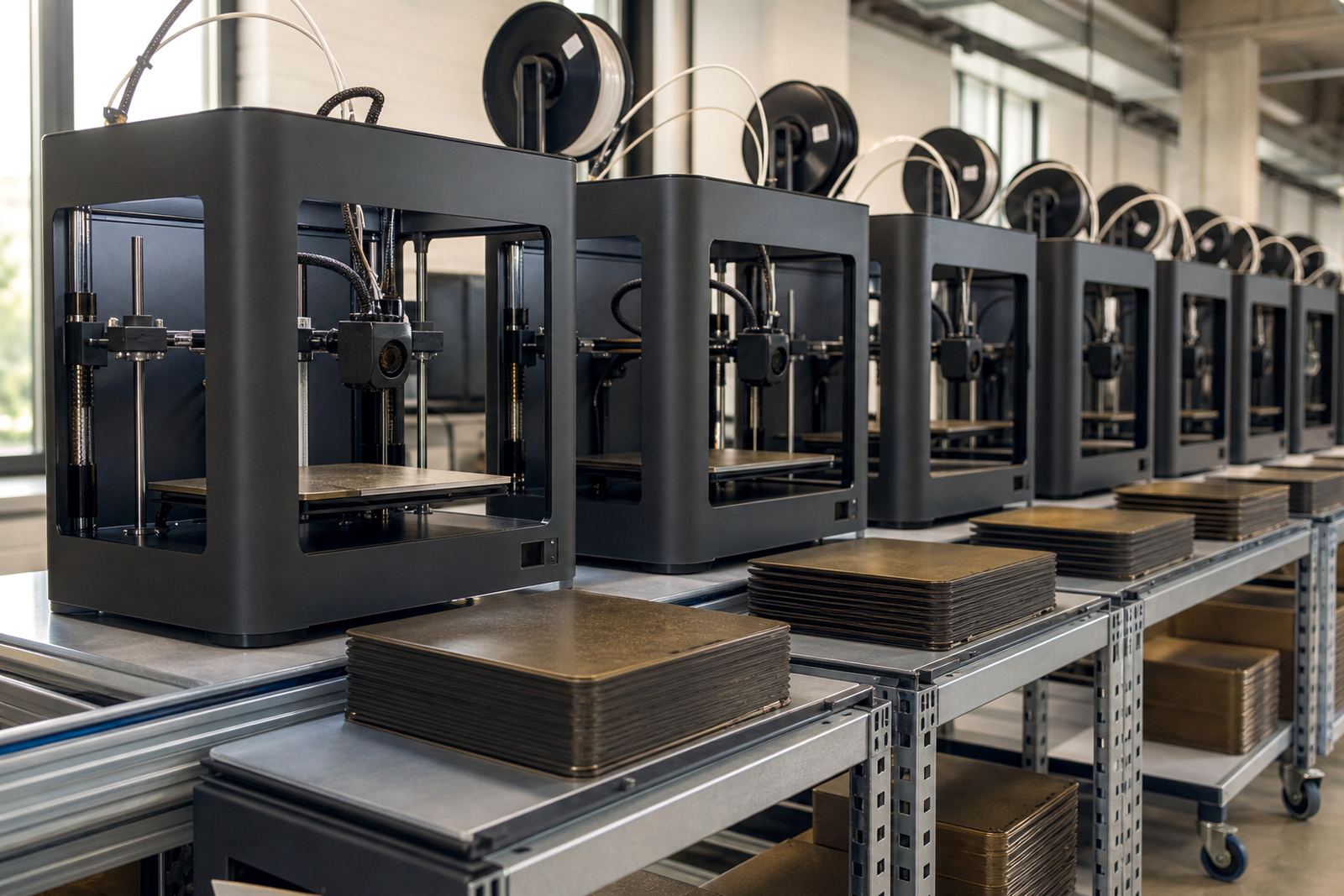
Our farm standardising service is for print rooms running multiple machines, whether that is ten units in a school lab or a larger production floor in Centurion, Johannesburg or Cape Town. We look at the beds you already run, the parts that wear fastest, and the sizes that make the most sense to keep in stock. The aim is simple: fewer variations, fewer mistakes, and easier support when a printer goes down.
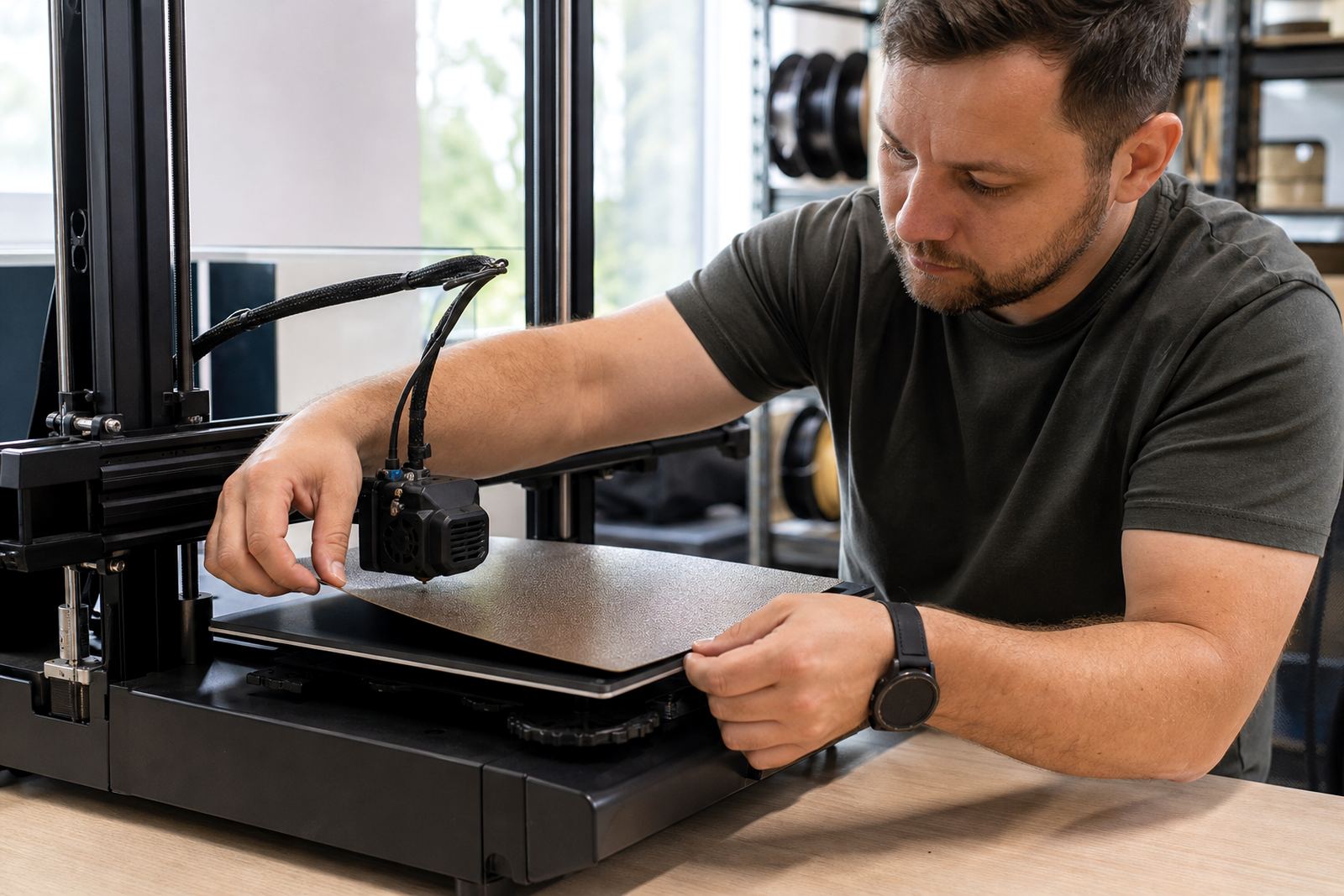
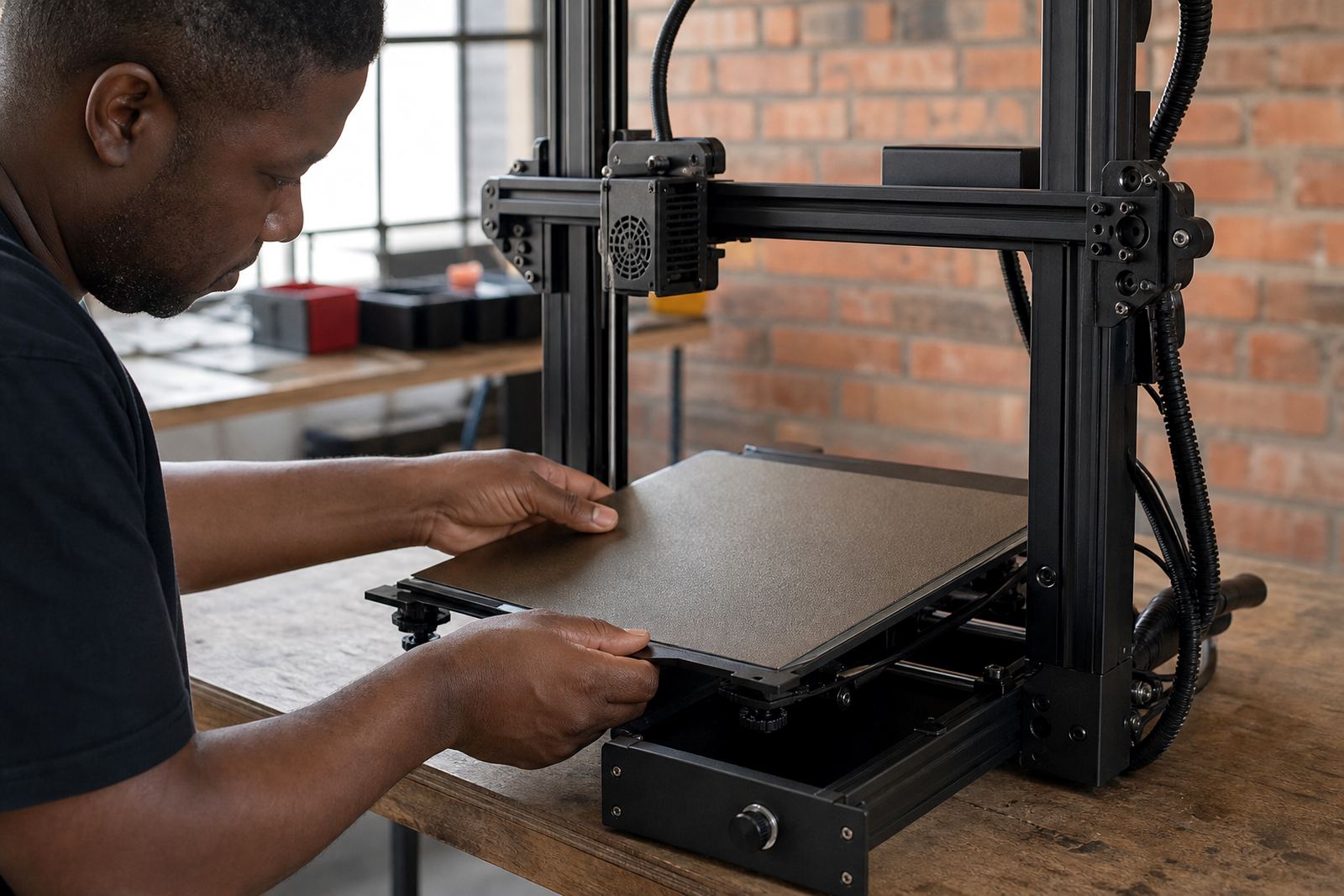
We work with common build plate dimensions, magnetic bases, PEI sheets and adhesion surfaces, then help you settle on a small number of standard formats. That makes it easier for staff to swap plates, log consumables, and keep the right spares on hand even during load-shedding or busy production periods.
- Matched build plate dimensions for grouped machines
- Compatible magnetic base and sheet combinations
- Surface choice based on materials used most often
- Standard labelling for quick identification
What is included in the standardising process
We start with a practical review of your fleet, not a theory exercise. The check covers bed size, existing plate condition, flatness, attachment method and the materials you print most often. From there we recommend a standard set of plates and bed products that are easier to replace and simpler to support over time. If your operation runs different printer types we can group them into sensible families instead of forcing one size across everything.
- Fleet review and machine grouping
- Bed flatness check on sample units or the full fleet
- Surface condition and adhesion review
- Recommendation for standard plate sizes and sheet types
- Consumable plan for replacement stock and backups
Where needed, we also assist with custom size cutting so odd beds do not create a one-off support problem later. That matters in schools and shared maker spaces where the team changes often and the same setup has to be explained more than once.
How the rollout works
The process is kept straightforward so your team can start using the standard setup without a long shutdown. After the initial review, we confirm the chosen plate format, sheet type and fitting method. Then we plan the changeover in batches so you are not taking every printer offline at once. In many farms the first batch is used to prove the standard before the rest are converted.
- Review the current fleet and print demands
- Confirm the plate and surface standard
- Fit or supply the new bed products in batches
- Label machines and spares for easy issue control
- Train operators on handling and basic care
For farms in Pretoria East, Midrand and Johannesburg we can often align the rollout with your own maintenance window. Coastal sites like Cape Town, Durban or Gqeberha sometimes need extra attention to storage and surface care because humidity can affect adhesion and corrosion over time.
Turnaround times and pricing approach
Turnaround depends on how many printers you are standardising and whether the beds need fitting, cutting or replacement planning. Small fleets can often be assessed and supplied quickly, while larger farms usually move in planned batches. If the job needs a more detailed flatness check or repeat visits, we will map that out before work starts so you know what to expect.
Our pricing is based on the actual scope of the job, not a one-size-fits-all rate. That means the quote reflects the number of machines, the plate format, the type of surface, and any fitting or training required. If you only need supply, the price is different from a full fleet standardising exercise. It keeps things fair and easier to budget for month to month.
- Scoping quote based on fleet size and variation
- Separate pricing for supply only or full fitting
- Clear allowance for custom cutting or repeat visits
- Options for phased rollout where budget is spread out
Maintenance intervals that keep the standard working
Once your farm is standardised, the next win is keeping it that way. We normally recommend a routine check every three to six months, depending on print volume, operator turnover and the materials in use. High-volume farms may need earlier replacement of worn sheets or magnetic bases, while quieter labs can usually run longer between refreshes. If you print abrasive materials, check more often because wear appears faster.
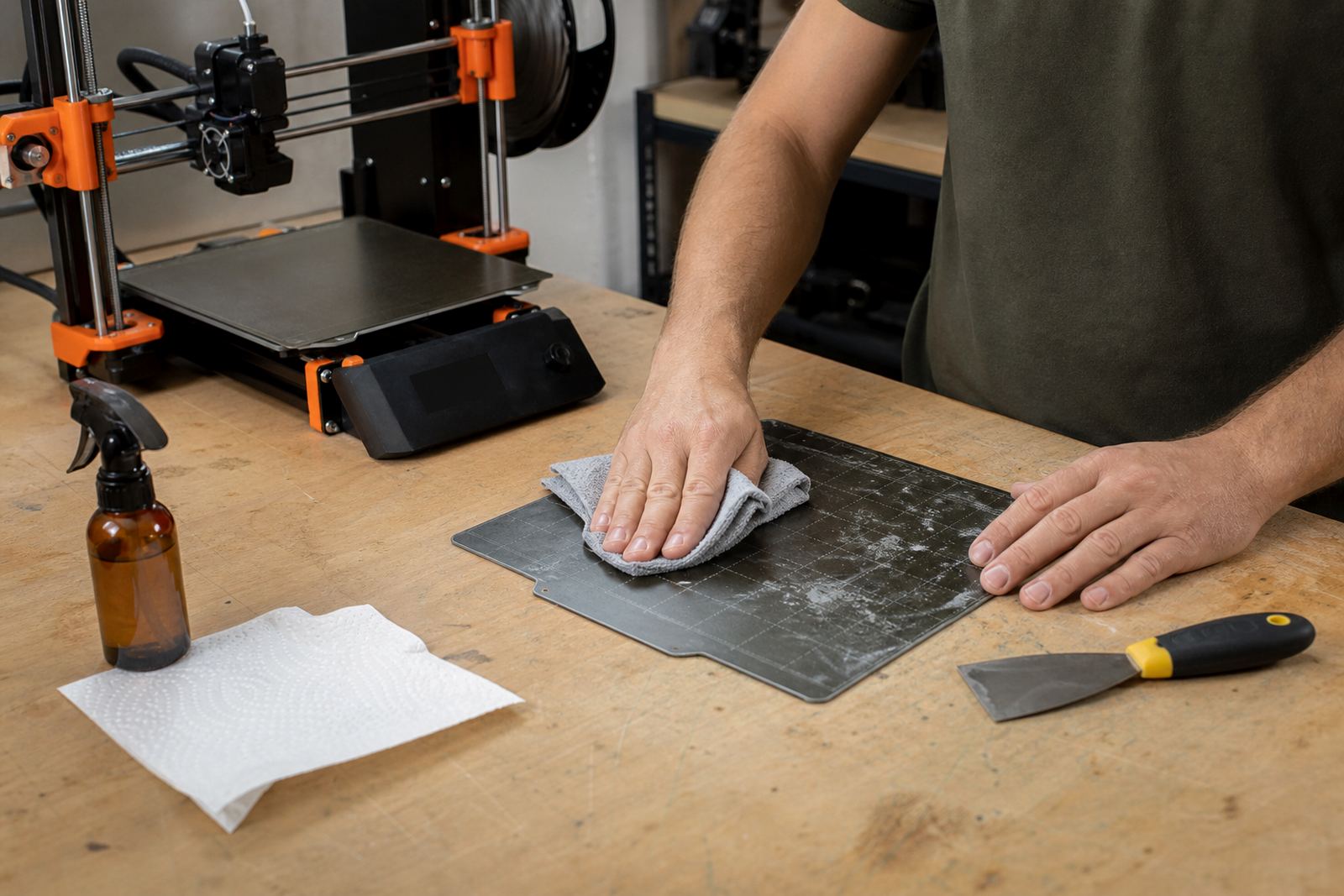
Good maintenance saves time during busy periods and helps avoid the small failures that slow down a whole queue. That includes cleaning the plate properly, checking for warping, replacing damaged sheets before they fail, and keeping spare sets stored flat and clean. A little routine care now prevents repeat downtime later.
- 3 to 6 month review cycle for most farms
- Earlier checks for high-volume or abrasive material use
- Surface refresh when adhesion starts to drop
- Replacement planning for worn plates and bases
Who benefits most from a standardised setup
This service is useful for print farms, schools, engineering labs, prototyping rooms and reseller support teams that need predictable parts and predictable results. Standardising reduces confusion when different operators handle the same machine, and it makes stockholding far easier because fewer plate sizes and sheet types need to be kept on the shelf. For businesses supporting customers across South Africa, that can mean faster issue resolution and fewer emergency orders.
LayerPad works from Centurion and supports clients across Pretoria, Johannesburg, Cape Town, Durban and Bloemfontein through the contact page enquiry form. If your current setup is a mix of bed sizes, mixed surfaces, and too many spare parts, standardising it will make the whole operation easier to manage.
Key facts
| Typical plate sizes | Common 220 x 220 mm, 235 x 235 mm, 250 x 250 mm and custom formats |
|---|---|
| Surface options | PEI sheet, magnetic base and other bed adhesion surfaces |
| Recommended review interval | Every 3 to 6 months, or sooner for high-volume farms |
| Service focus | Fleet grouping, supply planning, fitting and operator training |
| Turnaround | Depends on fleet size, fitting needs and custom cutting |
| Coverage | Centurion base with support across major South African centres |