
What Surface Refresh Covers
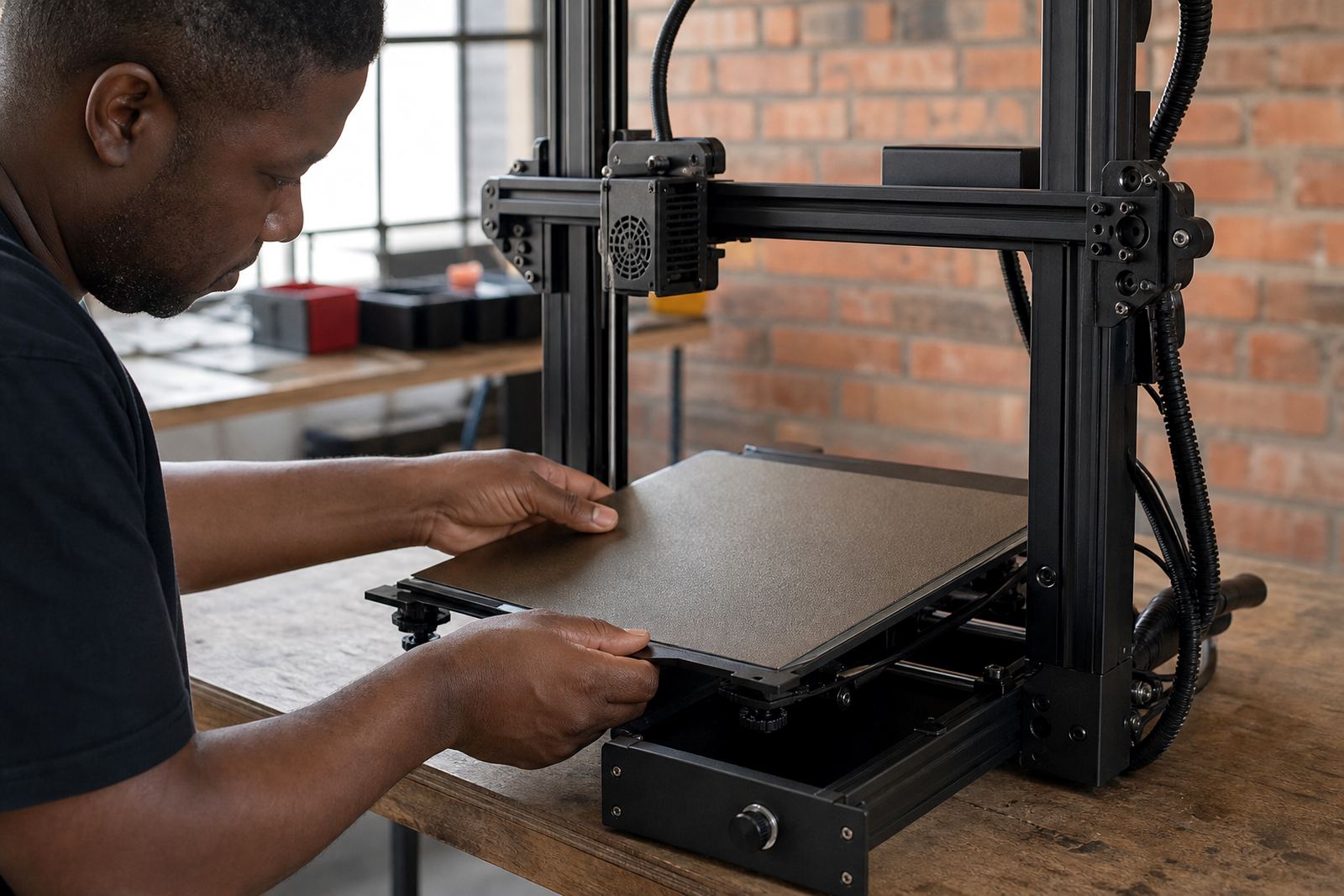
Surface refresh is for build plates that have lost grip through normal wear, light scoring, filament residue or repeated cleaning with the wrong products. We inspect the surface first, then clean and recondition where the plate still has enough life left to justify the work. That can save money, reduce downtime and keep a print farm or school lab running without waiting for a full replacement.
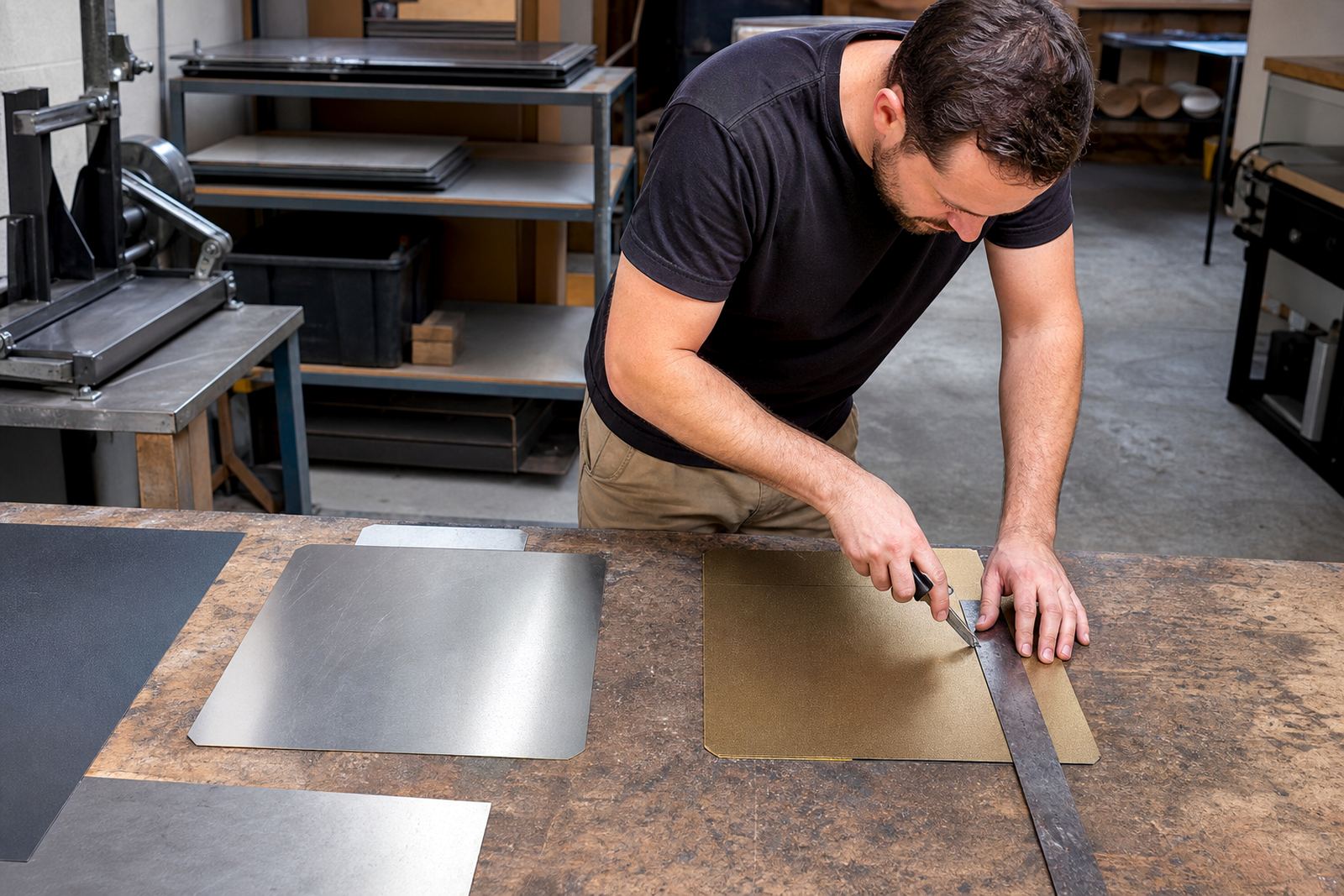
The service is suitable for common flat build plates, magnetic flex plates and PEI surfaces used on benchtop and mid-sized printers. We work with plates from small hobby machines up to larger format systems, including common sizes such as 220 x 220 mm, 235 x 235 mm, 256 x 256 mm and 300 x 300 mm. If the coating is badly lifted, the plate is bent or the base is warped, we will say so plainly and guide you towards replacement instead.
- Light contamination removal and surface cleaning
- Assessment of wear, scuffing and adhesion loss
- Reconditioning of usable build surfaces where possible
- Edge and corner inspection for lifting or damage
- Advice on whether refresh or replacement makes better sense
How We Work Through the Plate
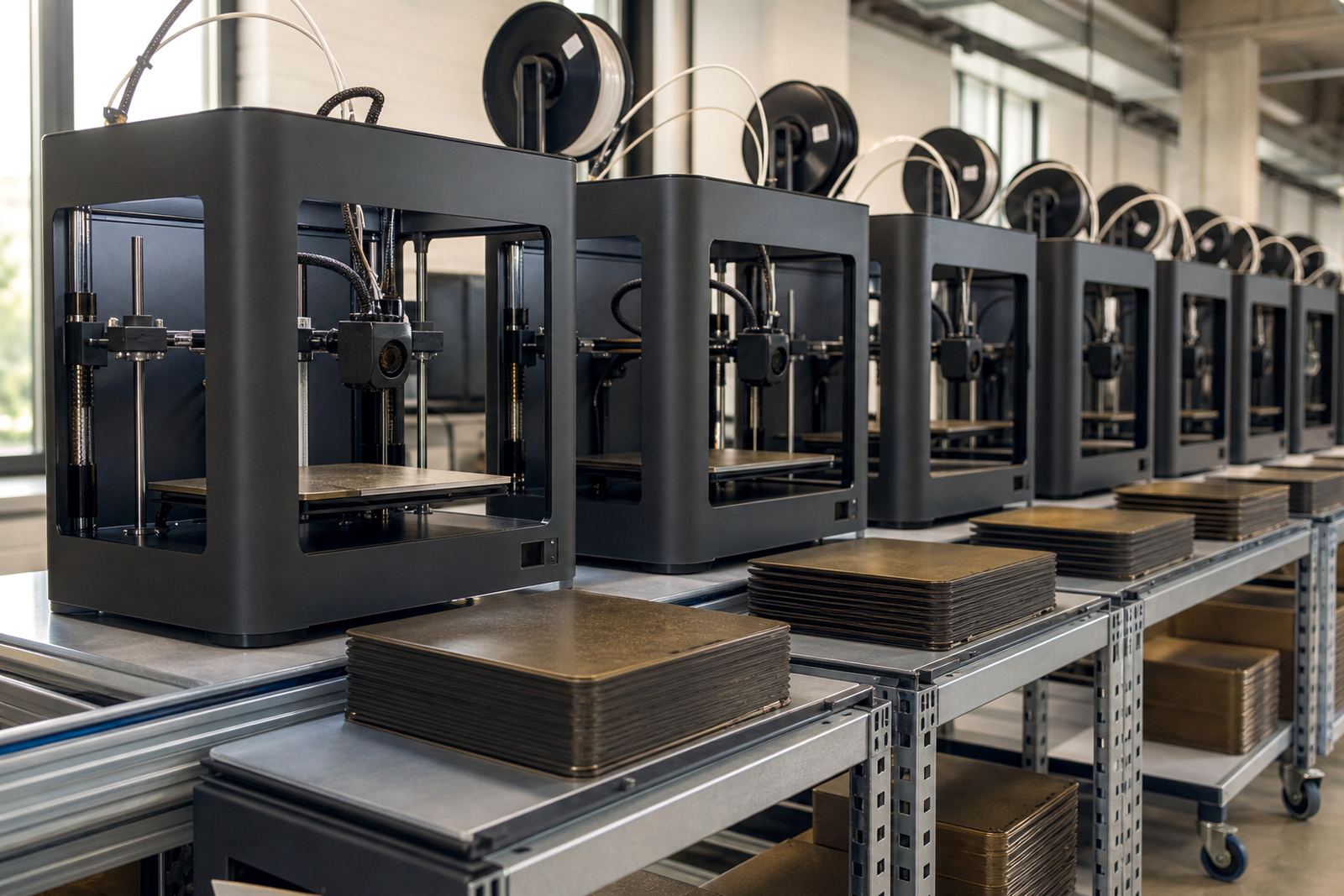
We start with an intake check, because the same problem can come from different causes. A plate may be oily from repeated handling, glazed from heat cycling, or simply past its useful life. Once we know what we are dealing with, we follow the least invasive option that still gives a proper result. That matters for schools, makerspaces and print farms where each plate has to keep earning its keep.
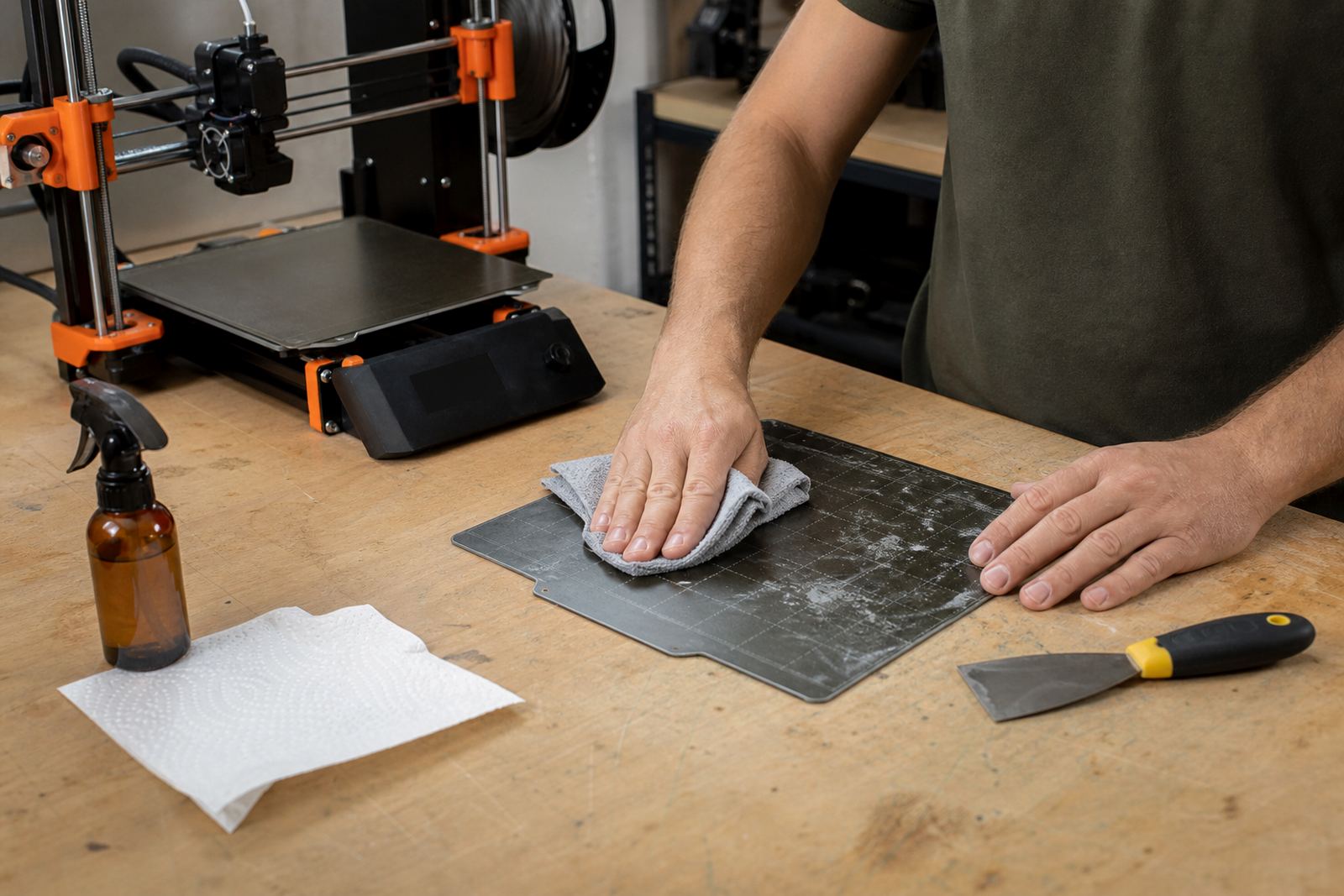
Typical steps include a careful clean using suitable materials, drying, surface inspection under good light, and a check for flatness issues that may affect first-layer contact. If the plate uses a removable surface layer, we look at bond quality and whether the existing layer is still safe to keep in service. We also note any hot spots, edge damage, or signs of lifting at the corners.
- Step 1: Receipt and visual inspection
- Step 2: Clean-down and residue removal
- Step 3: Surface condition check and flatness review
- Step 4: Reconditioning where the surface still qualifies
- Step 5: Return notes with maintenance guidance
Typical Turnaround for Centurion and Beyond
Most refresh jobs move quickly, especially when the plate only needs cleaning and light reconditioning. Straightforward pieces can often be handled within a short local turnaround, while larger batches for print farms or school labs may take longer depending on quantity and condition. If you are sending plates from Pretoria, Midrand, Johannesburg, Cape Town, Durban or Bloemfontein, we will confirm the expected timing once we have seen the job list.
We understand that load-shedding, shipping and teaching timetables can all disrupt a print schedule. That is why we try to keep the process practical and predictable. If your production depends on certain plate sizes or you need a staggered return for multiple printers, we can plan the work in batches. It helps avoid a complete halt in printing, especially during exam periods or busy farm runs.
- Small single-plate jobs: usually quicker to complete
- Batch work: planned per quantity and condition
- Urgent jobs: subject to current workload and parts on hand
- Collection and dispatch arranged through our Centurion base
Pricing Built Around Condition, Not Guesswork
Surface refresh pricing depends on the size of the plate, the material type and how much work is needed to bring it back into service. A lightly contaminated sheet takes less time than a plate with heat damage, coating loss or warped edges. We do not quote a flat rate before seeing the item because that often leads to the wrong outcome for the customer.
Our approach is simple: if the surface can be restored safely, we price the work against the value of extending its life. If it cannot be restored properly, we say so and help you plan the next step. This is especially useful for schools and print farms managing a mix of older and newer equipment, where replacement budgets need to be handled carefully.
- Quoted after inspection of the actual plate
- Price varies by size, material and wear level
- Batch pricing can apply to multiple plates
- Replacement advice included where refresh is not worthwhile
When a Refresh Is the Right Call
Not every bad first layer means the plate is finished. In many cases, adhesion issues come from built-up residue, fingerprints, cleaning product build-up or a surface that has simply been used hard for months. A refresh is usually worth considering when the base is still flat and the coating has not lifted across large areas. It is a useful middle step before replacement, and it can help avoid unnecessary spending.
We often recommend surface refresh for hobbyists who print regularly, schools running regular lab sessions and small farms producing repeat parts. It is also useful in coastal areas where humidity can change how some surfaces behave, or in workshops where dust and handling marks are common. If you are seeing first-layer variation from one part of the bed to another, that is often a sign the surface needs attention not just the slicer settings.
- Useful for residue, glazing and moderate wear
- Best when the plate is still flat and intact
- Good option before moving to full replacement
- Helps reduce first-layer failures caused by surface condition
Keeping the Surface in Service for Longer
Once a build surface has been refreshed, maintenance matters. Simple habits such as using the correct cleaning method, letting the bed cool before removal and avoiding harsh scraping will go a long way. If a printer is used daily, a check every few weeks is sensible. For lighter use, a monthly inspection may be enough. In school labs or farms with high throughput, it is worth setting a proper maintenance interval and recording it.
We can also advise on care routines during bed adhesion training or as part of a replacement plan. That may include correct cleaning frequency, handling during changeovers and when to stop trying to rescue a surface that has reached the end of its usable life. It saves time and keeps prints more consistent, which is what most users want in the end.
- Clean only with suitable products for the surface type
- Inspect after heavy use or whenever adhesion changes
- Set monthly or weekly checks based on print volume
- Replace the plate when coating loss becomes widespread