
A Better Start for Home 3D Printing
If you print at home, you know the small things matter most. A bed that is slightly out, a plate that loses grip, or a surface that needs constant scraping can turn a simple print into a long evening of rework. LayerPad supplies build plates, PEI sheets and bed adhesion products that suit home users who want fewer failed starts and more time making parts they can use.
Many hobby makers in Centurion, Pretoria, Johannesburg and Cape Town use one machine for model parts, brackets, cosplay pieces, gadgets and repair jobs. The right surface helps with all of it. Our team works with printers in family homes, garages and shared maker spaces, so the advice stays practical and easy to follow.
Typical Home Setup And What It Needs
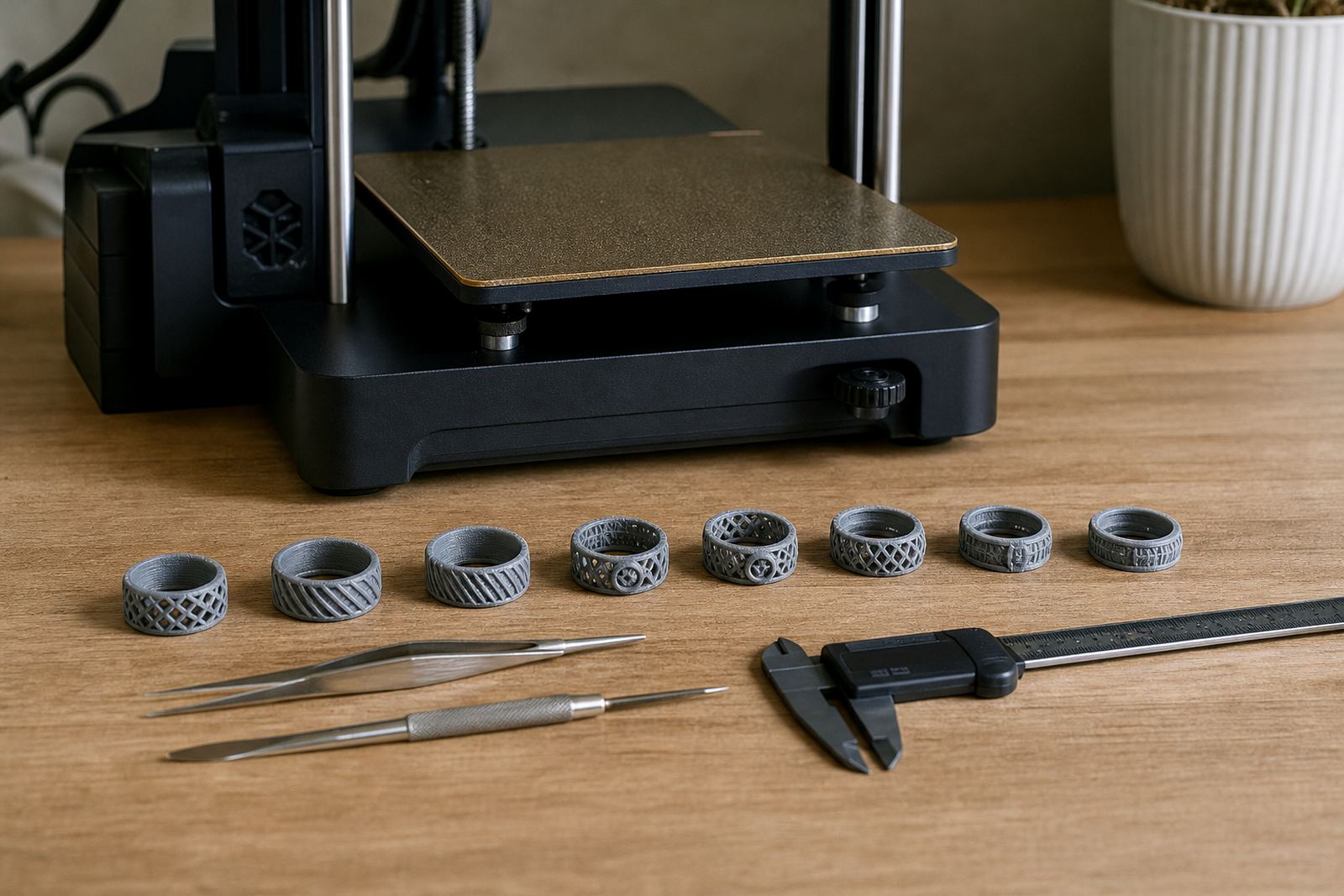
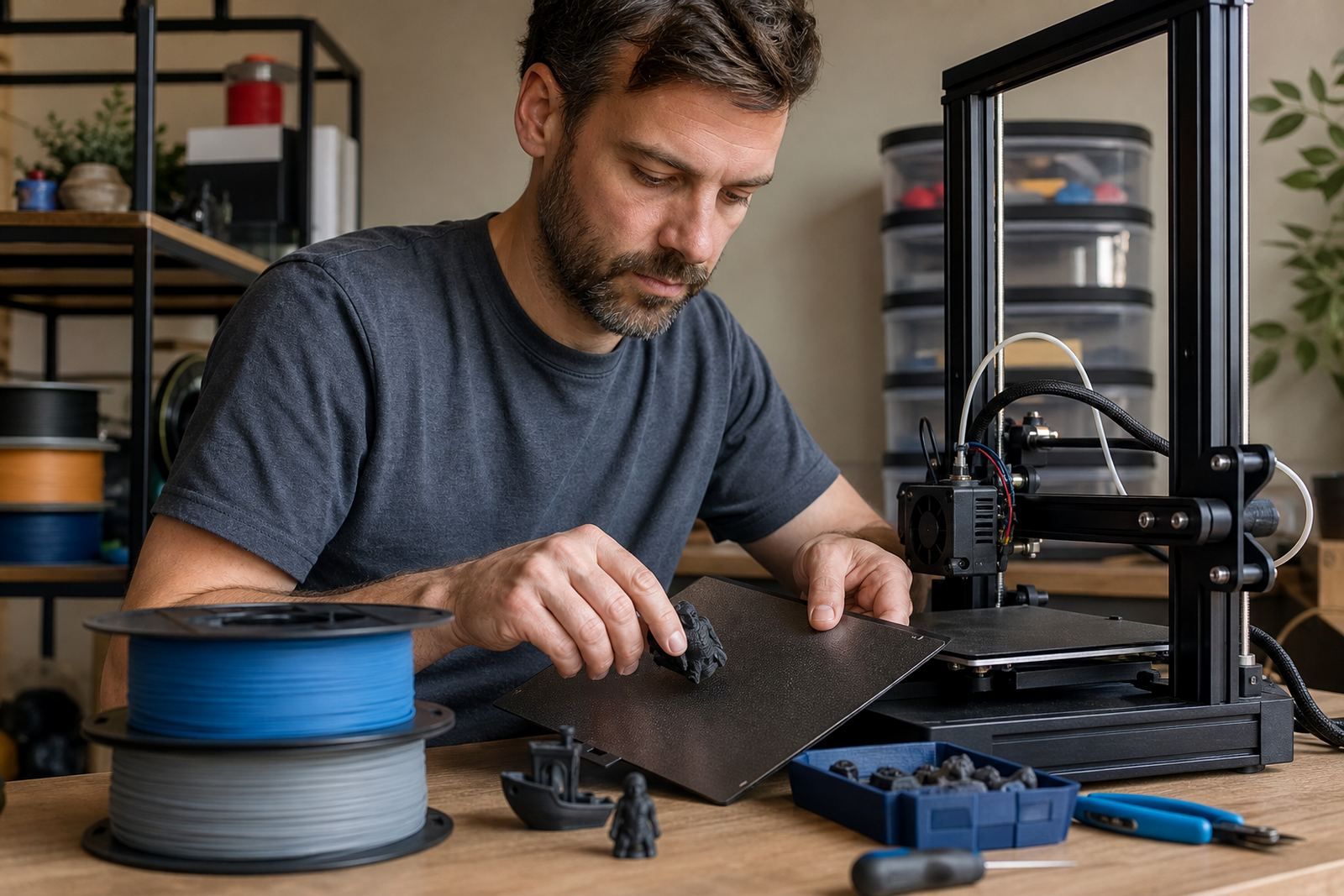
A hobby setup usually includes a single FDM printer, a spare nozzle or two, a scraper, calipers and a few different filaments. The bed may be glass, spring steel or a magnetic base, depending on the machine. For many users, a smooth or textured PEI sheet is the simplest upgrade because it gives better first layer grip and easier part release once the bed cools.
- Small beds for compact printers, often used for test parts and miniatures.
- Medium beds for everyday prints, jigs, phone holders and small repair pieces.
- Larger beds for helmets, storage parts and school projects done at home.
- Magnetic bases where fast plate removal matters, especially for regular printing.
If you print in a room that gets warm during load-shedding or in a coastal area with humidity, the surface choice can make a real difference. A plate that behaves well in winter in Bloemfontein may still need a different prep routine in Durban.
Planning The Bed Area Before You Order
Before choosing a plate, measure the usable bed area rather than only the machine name. Some printers have clips, probes or frame edges that reduce the true print zone by a few millimetres. That matters when you are ordering a custom size or moving from glass to a flexible sheet. We help hobby users check dimensions, fitment and edge clearance so the new surface sits properly and does not interfere with the toolhead.
A tidy layout also helps. Keep glue, cleaning fluid, spare sheets and tools close to the printer but away from heat and dust. If the printer sits on a shelf in a bedroom, study or garage, make sure the machine has room to cool down and that the plate can be removed without knocking nearby items over. It sounds simple, but this saves a lot of hassle later.
Common Mistakes That Waste Time And Filament
Most home printing problems are not caused by the model file. They are caused by bed prep, poor levelling or using the wrong surface for the material. A good plate will not fix every issue, but it gives you a more reliable base to work from. For beginners and experienced makers alike, the aim is repeatable first layers, not endless guesswork.
- Using the wrong cleaning method and leaving oil from fingers on the sheet.
- Running the nozzle too close, which can scar the surface and cause rough edges.
- Skipping a bed flatness check after moving the printer or changing the base.
- Mixing different adhesion products without testing one change at a time.
- Choosing a plate size that is slightly off and then fighting alignment every print.
When a print keeps lifting on one corner, the issue is often bed flatness, not just adhesion. A quick check saves filament and time. If the surface is worn, scratched or coated unevenly, a refresh may be cheaper than replacing the whole setup.
Budget Ranges For Hobby Makers In Rand
Most home users want a sensible spend, not a full workshop bill. For a basic improvement, a hobby maker can often sort out the bed surface and adhesion for around R350 to R900. That may cover a replacement PEI sheet, cleaning supplies and a simple adhesive aid for tricky filaments. If you need a full magnetic base fitment or a custom cut plate, budget more like R900 to R1 800 depending on size and machine type.
For print farms or shared home setups with several machines, the cost can go higher, especially if each printer needs matching plates and standardised care products. Even so, the cost of a few failed starts every week soon adds up. A steadier bed surface often pays for itself through saved filament and fewer late night reprints.
Support For Makers Across South Africa
LayerPad supplies hobby makers from Centurion, Pretoria East, Midrand, Johannesburg, Cape Town, Durban, Bloemfontein and Gqeberha. If you are collecting in Centurion or asking for delivery to another town, we can help with the right plate, fitting advice and replacement planning. Our team also supports schools, home labs and small print farms that need a cleaner way to manage bed surfaces across several printers.
For users who want a steadier routine, we also assist with surface refresh, adhesion troubleshooting, bed care training and consumables supply. That means less trial and error, and more prints that start where they should.
What To Ask Before You Place An Order
If you are not sure what to choose, start with a few practical questions. What is the printer model, what is the bed size, which filaments do you use most often and do you need a removable plate? Those answers usually point to the best fit. We can then guide you on installation, magnetic base fitting and whether a standard size will work or a custom cut is safer.
Home printing should be enjoyable, not a fight with the first layer every time. When the bed is sorted properly, the rest of the process becomes much easier and you spend less time adjusting and more time making parts that actually get used.