
What university print rooms usually need
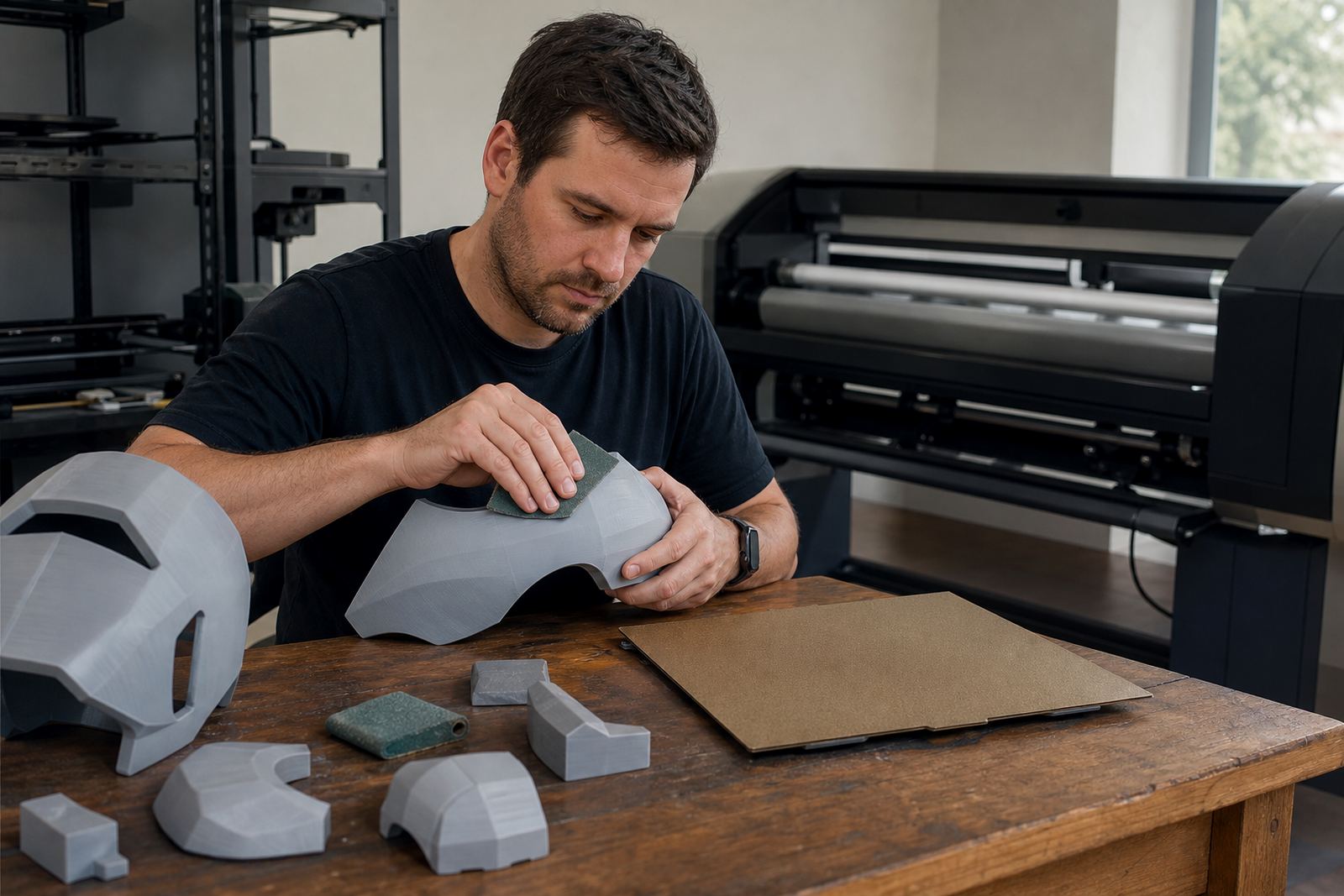
In a faculty setting, a 3D printer is rarely used for one job only. One day it is a prototype bracket for engineering, the next it is a form tool for design, then a replacement part for a lab setup. That mix puts real pressure on the build surface, especially when different students use the same machine and each one expects a clean first layer without spending half the evening re-levelling the bed.
We work with faculties that run small teaching labs and larger shared print spaces. The common need is simple: a surface that grips well during the print, releases cleanly when the part cools, and stays consistent over repeated use. For university teams in Pretoria, Johannesburg, Cape Town, Durban, Bloemfontein and Gqeberha, that consistency matters just as much as the printer itself.
- Fused deposition printers for labs and project rooms
- Build plates for mixed student use
- PEI sheets for better first-layer grip and easier release
- Bed adhesion products for difficult geometries and tall parts
A practical equipment mix for teaching and research
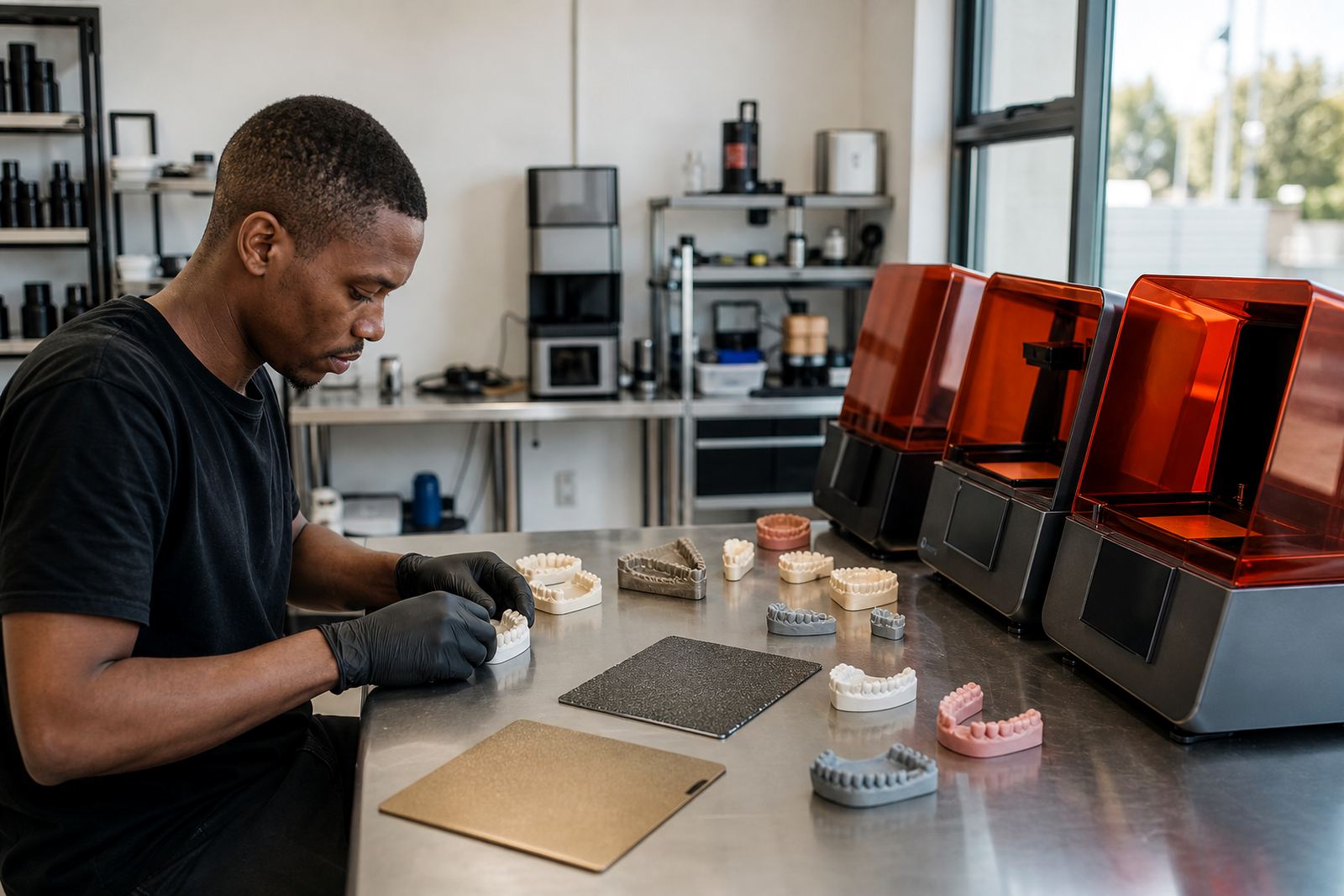
Most faculties do not need the same setup across every printer. A good plan is to match the surface to the type of work being done. For simple classroom printing, a standard plate with a well-kept surface may be enough. For engineering, product design or biomedical prototyping, PEI sheets are often the better choice because they handle repeat prints and a wide range of materials more reliably.
In many cases the best result comes from pairing a magnetic base with a removable top plate. That makes maintenance easier and lets technicians swap surfaces without taking a machine out of service for long. If your lab has printers in a hotter room or near a window, or in a coastal campus where humidity can affect storage, it is worth keeping spare plates sealed and dry between uses. Load-shedding also means you want a setup that comes back to work quickly after a power cut, with no extra fiddling.
- Standard build plates for everyday student projects
- Double-sided or textured PEI for more consistent adhesion
- Magnetic bases for faster changeovers between classes
- Cleaning wipes, scrapers and surface refresh products for routine care
Layout planning for shared lab spaces
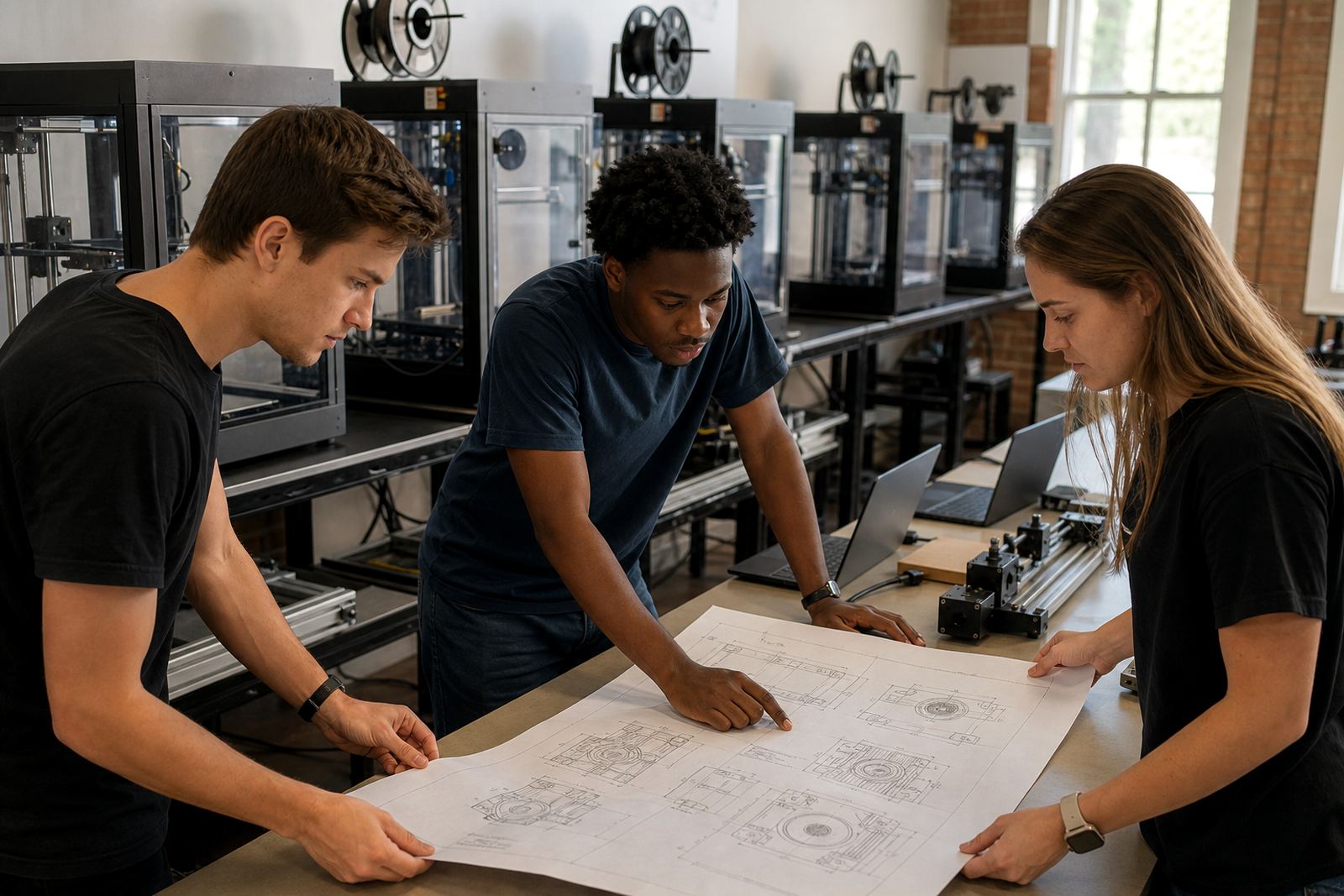
University print rooms work best when the layout supports supervision and fast turnaround. Keep printers close enough for one technician or tutor to monitor them, but leave enough space for students to remove parts safely and clean the plates without crowding the machine. If your faculty runs evening access, label each printer clearly and keep one station for cleaning, one for pre-checks and one for post-print inspection.
It also helps to standardise the surfaces across a set of printers where possible. When every machine uses a different plate, the support team spends more time explaining settings and less time helping students get prints out on time. A standardised set-up also makes it easier to budget for replacements, because you can plan the same consumables across multiple labs instead of buying one-off parts at the last minute.
- Keep a clear zone for bed cleaning and part removal
- Store spare sheets flat and dry in labelled sleeves
- Use the same surface type on similar printers where possible
- Record which materials work best on each plate
Common mistakes that slow down student projects
Most print failures in a faculty setting are not caused by the printer itself. They come from worn surfaces, poor cleaning or trying to print the wrong material on the wrong plate. Another common problem is expecting one build surface to solve every job. That usually leads to lifting corners, stuck parts or damage when students force removal before the plate has cooled.
We also see labs keep using sheets long after the coating has become tired. It may still look fine, but the first layer no longer behaves the way it should. In a busy teaching term that is enough to waste filament, time and patience. A quick bed flatness check before a new intake of students can save a lot of trouble later, and so can basic adhesion troubleshooting when a printer starts behaving oddly.
- Using the same worn sheet for every material
- Skipping cleaning between print jobs
- Not checking bed flatness after transport or maintenance
- Removing parts too early while the plate is still warm
Budget ranges for faculty planning
For most universities, the right budget depends on the number of printers, how often they are used and whether the faculty needs standard plates or more specialised PEI surfaces. As a rough guide, a basic replacement plate for a teaching printer may sit in the low hundreds of Rand, while higher-spec PEI sheets and magnetic fitting setups can move into the mid-hundreds or more per unit. Custom cutting, larger formats and repeated replacements will add to the total.
A small teaching lab can often be kept going with a modest consumables budget, while a shared print farm or multi-department lab should plan for ongoing surface refresh and replacement planning through the year. It is better to set aside a maintenance allowance than to wait until half the fleet has poor adhesion and students are queuing with urgent submissions.
- Basic build plate replacement: often from about R200 to R500 per unit
- PEI sheet fitting and magnetic base setup: often from about R450 to R1 200 per unit
- Custom size cutting and standardisation projects: priced per machine set or lab batch
- Consumables and training: best planned as a recurring term budget
Support for labs, classes and project deadlines
LayerPad works with faculties that need practical help, not theory. That means plate installation, PEI sheet fitting, magnetic base fitting, custom size cutting and training for staff and student assistants. We also help with farm standardising when a department has grown from a few printers into a proper shared resource. If your lab needs a quick surface refresh before a project review or end of term demo, that is usually where the pressure shows up first.
For departments based in Centurion, Pretoria East, Midrand or Johannesburg, collection and support can be arranged through the relevant area. We also serve universities and training facilities in Cape Town, Durban, Bloemfontein and Gqeberha through our wider coverage. If your team needs a new setup or a fix for repeated first-layer failure, the enquiry form on our contact page is the best place to start.
- Plate installation and PEI sheet fitting
- Bed flatness checks and adhesion troubleshooting
- Replacement planning for busy teaching cycles
- School and faculty lab setup support