
Why training labs need dependable print surfaces
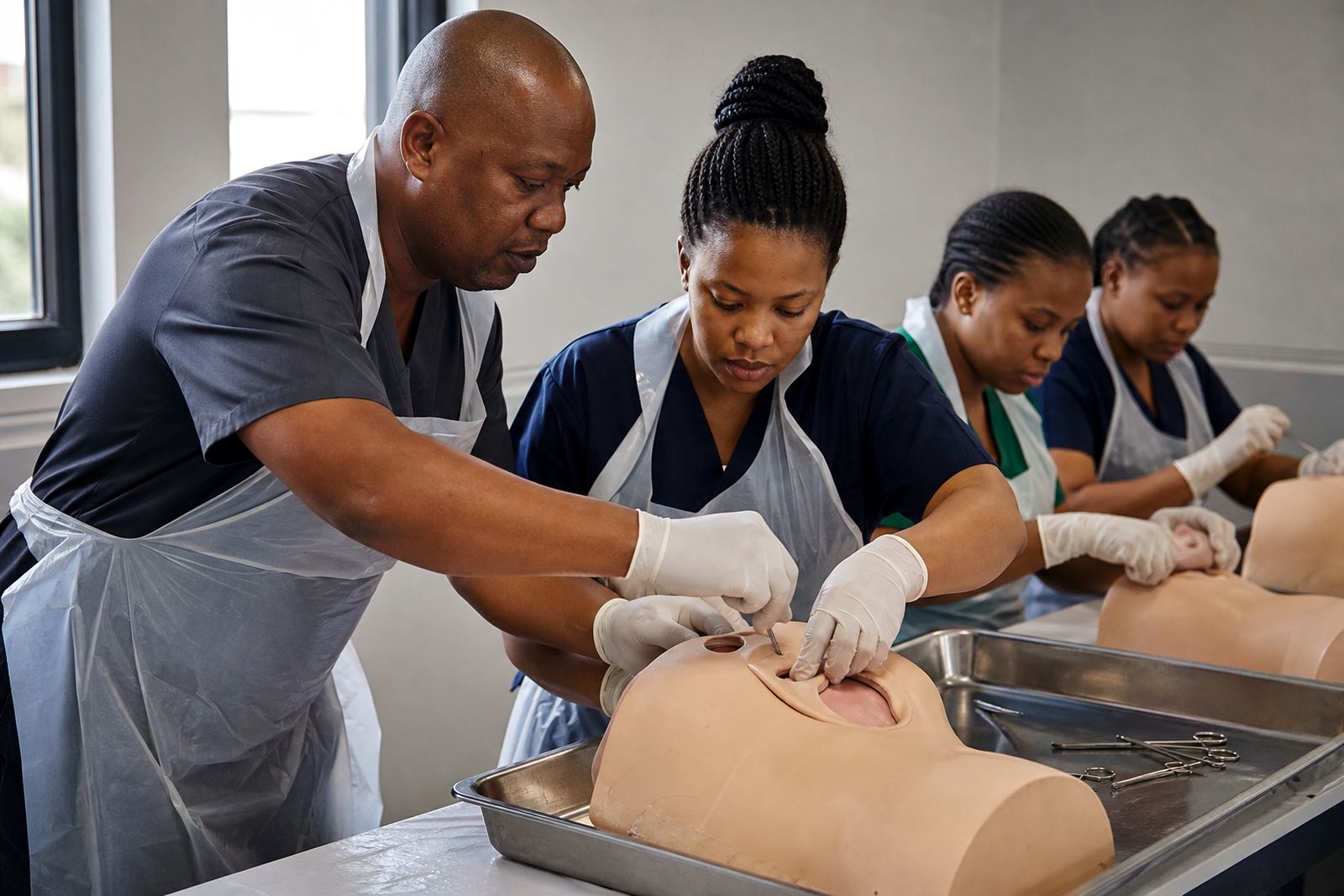
Medical training teams often print the same models again and again: skull sections, vertebrae, organ parts, joint models, and small practice pieces used in anatomy lessons or skills labs. When a surface is not flat or the adhesion is uneven, the print starts to lift at the corners, the first layer fails, and the whole schedule slips. In a training room that runs on tight timetables, that means wasted filament and a backlog of repeat jobs.
LayerPad works with schools, universities and private training centres that need stable surfaces for repeated use. A good build plate does more than help the first layer stick. It also helps teams remove parts cleanly, move from one job to the next, and keep the machine ready for the next student group. For labs in Gauteng, the Highveld dry air can help with some materials, while coastal humidity in Durban or Gqeberha can make bed prep more sensitive, so the right surface matters.
For many training teams, the goal is not fancy finishes. It is dependable results, easy cleanup, and fewer reprints when a class is waiting.
Typical equipment set for medical teaching prints
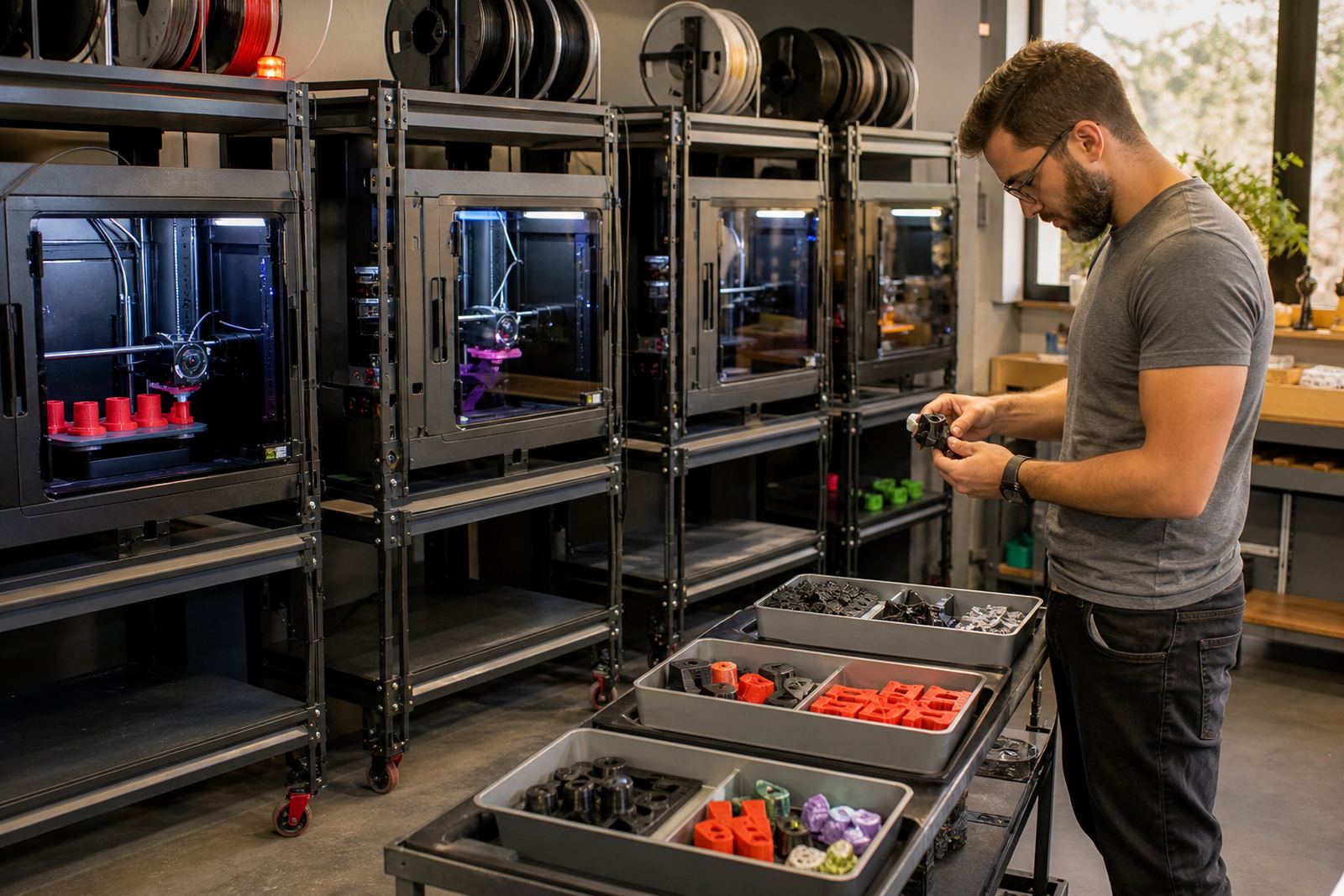
A basic training lab usually runs a small mixed fleet rather than one large machine type. Some teams have one or two printers in a resource room, while larger campuses or print farms may run several machines across multiple departments. The bed size and surface type should match the models being produced, especially when parts need to be printed in batches for multiple students.
- FDM printers used for anatomy parts, lab aids and simple jigs
- Spring steel or rigid build plates for quick removal and repeat use
- PEI sheets for broad material compatibility and even first-layer grip
- Magnetic bases where plates need fast swaps between jobs
- Adhesion helpers for difficult corners or taller parts
- Bed cleaning supplies and simple care tools for daily maintenance
For teaching environments, the practical mix often includes one reliable general-purpose surface and one backup plate for higher-wear jobs. If a lab prints many flat sections or wide anatomical bases, a flatter, well supported plate can reduce edge lift and save time on post-print cleanup.
Layout and planning for classrooms, labs and print rooms
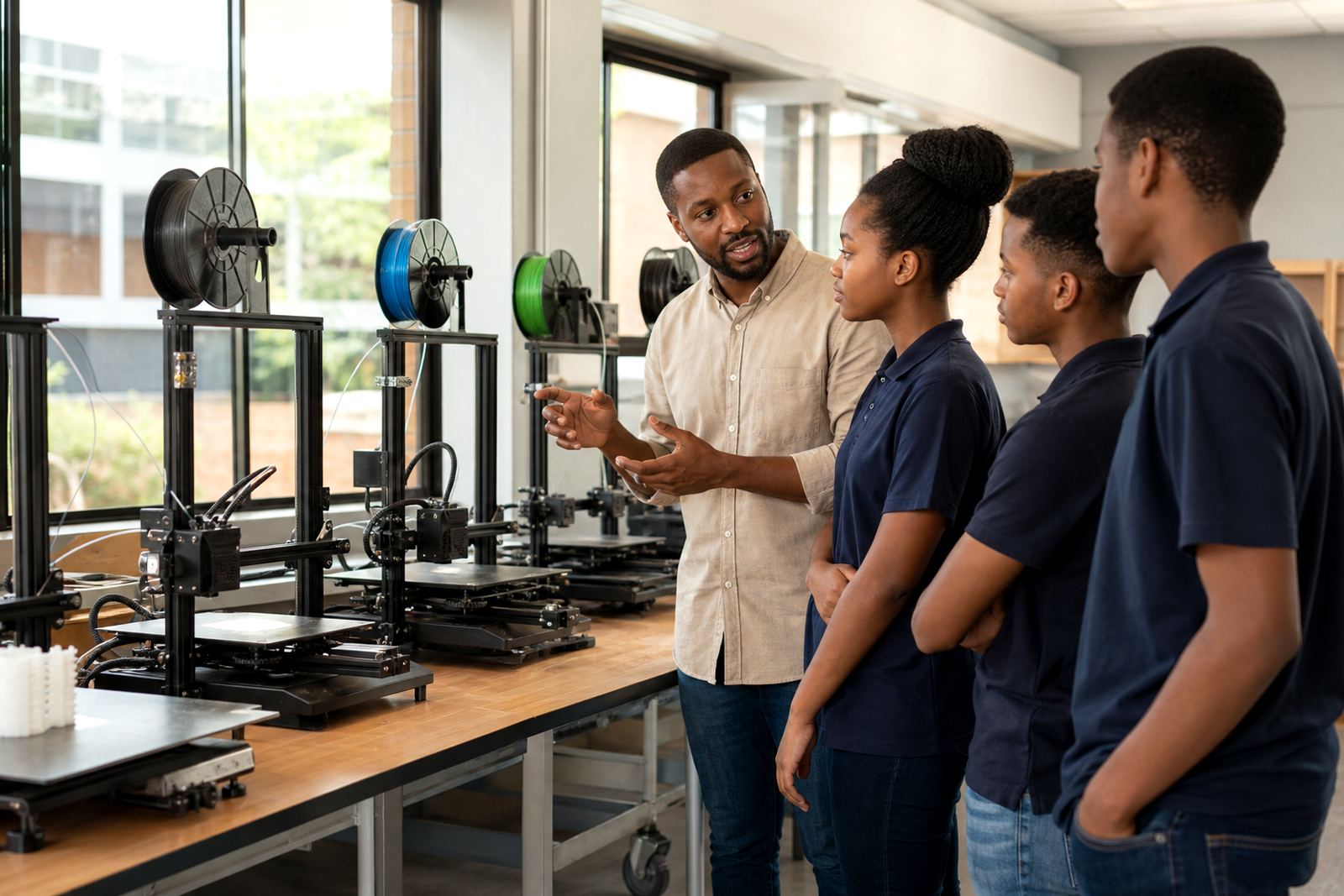
Medical training spaces work best when the printer area is organised for repeatable use. Keep the machines on a level bench with enough room for plate removal, part cooling, and inspection. If the room is used by students, set a clear flow from print start to part collection so nobody reaches across hot surfaces or disturbs a running machine. In busy labs, a simple tray or rack for labelled build plates can cut mix-ups.
LayerPad often advises teams to think through the whole process before ordering surfaces. That includes the printer model, the size of the largest part, the number of weekly prints, and whether the room is used for one department or shared across several. In schools and universities, shared spaces also need simple rules for who cleans the plate, who checks the first layer, and who signs off the machine before the next batch starts.
Where load-shedding is part of the day, some training teams keep a small job queue and print shorter parts first when power windows are uncertain. That reduces waste and helps staff keep urgent teaching models moving.
Common mistakes that lead to failed training prints
Most problems in medical training print rooms come from rushed setup rather than the model itself. A plate that is not clean, a warped surface, or a bad height setting can ruin a batch of parts that were meant for class use. The same happens when teams switch between materials without adjusting temperature or release method. If one printer is used by several staff members, small habits matter even more.
- Skipping the flatness check after plate changes or machine movement
- Using a worn surface long after it has lost grip
- Mixing cleaning products that leave residue on PEI
- Printing teaching aids too close to the bed edge
- Removing parts while the plate is still too hot or too cold
- Not planning for replacement plates when the lab gets busier
A common issue in training labs is trying to get one surface to do every job. If the team prints both small delicate parts and larger flat sections, it may need separate plate setups. That is often cheaper than repeated failures and emergency reprints.
Budget ranges for medical training teams
Budgets vary by room size, printer count, and how often the team prints. A small classroom setup with one or two printers might only need a new build plate and a sheet of PEI, while a larger skills lab or print farm may need several plates, fitting work, and standardised replacements across machines. Costs also depend on whether the team needs custom cutting or a magnetic base fitted.
As a practical guide, a basic plate refresh for a small training room can start from about R450 to R1,200 per printer, depending on the surface and size. A more complete setup with PEI sheet fitting and a magnetic base can run from around R1,500 to R3,500 per machine. For multi-printer labs, standardising surfaces across the room may sit in the R5,000 to R20,000 range, especially if the team wants replacement planning and bed flatness checks done at the same time.
For schools and universities in Pretoria, Johannesburg, Cape Town, Durban and Bloemfontein, it usually pays to budget for a spare plate set. That keeps teaching going if one surface is damaged or if a machine needs maintenance during term time.
What support helps training teams stay consistent
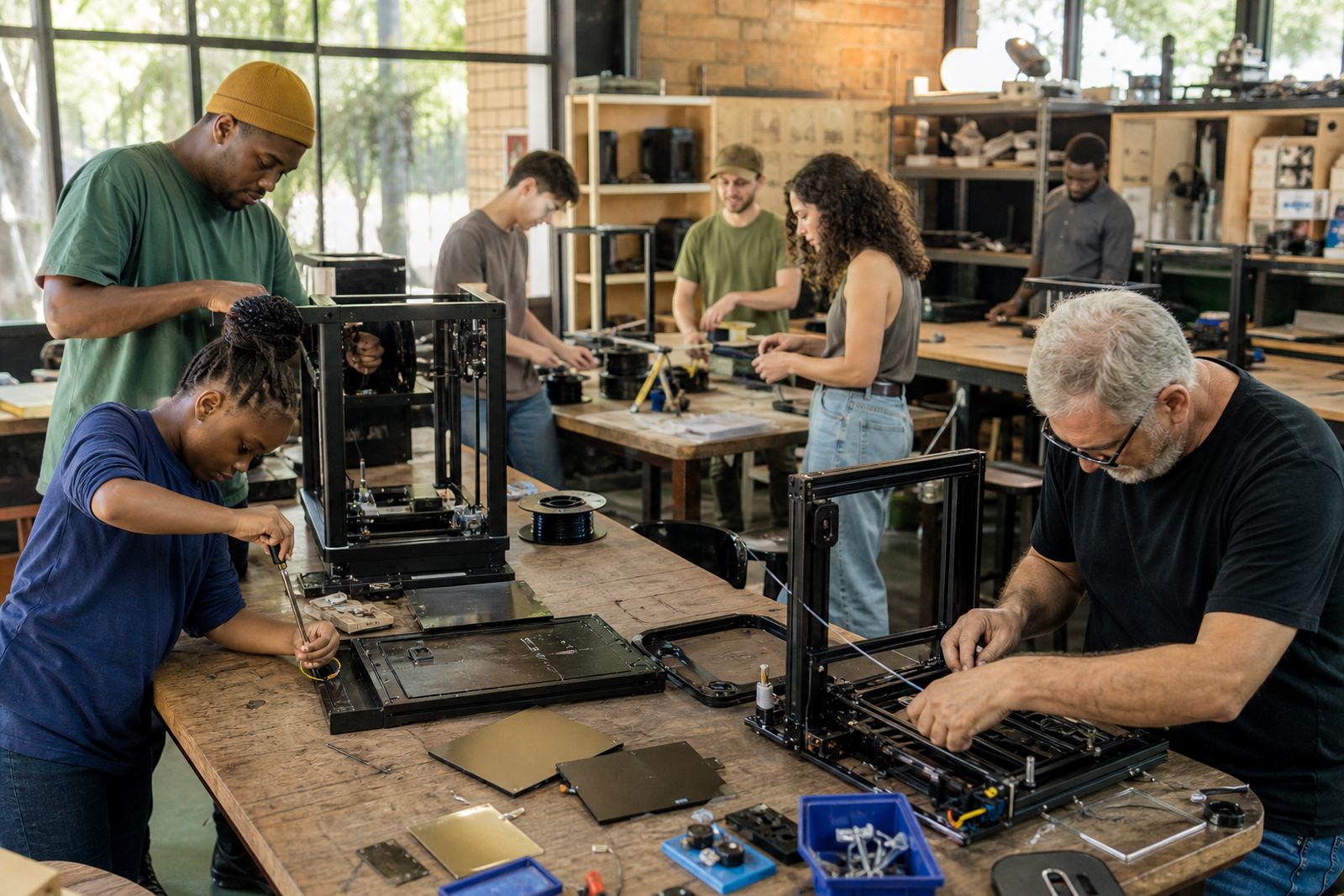
Training teams need surfaces that are easy to explain, easy to maintain, and easy to replace. That is why support matters as much as the plate itself. LayerPad helps with plate installation, PEI sheet fitting, magnetic base fitting, surface refresh, custom size cutting, bed flatness checks, and bed care training. For campuses and labs that run a number of printers, farm standardising can make future ordering much simpler.
Clients across South Africa reach LayerPad through the enquiry form on the contact page, including teams in Centurion, Pretoria East, Midrand, Johannesburg, Cape Town, Durban, Bloemfontein and Gqeberha. Whether the setup is a teaching room, a shared lab, or a small print farm supporting anatomy classes, the goal stays the same: reliable adhesion, clean release and less time spent redoing work.
For medical training teams, that consistency is what keeps the next class on track.