

What school labs need from a print surface
Choosing the right setup for a classroom or club room
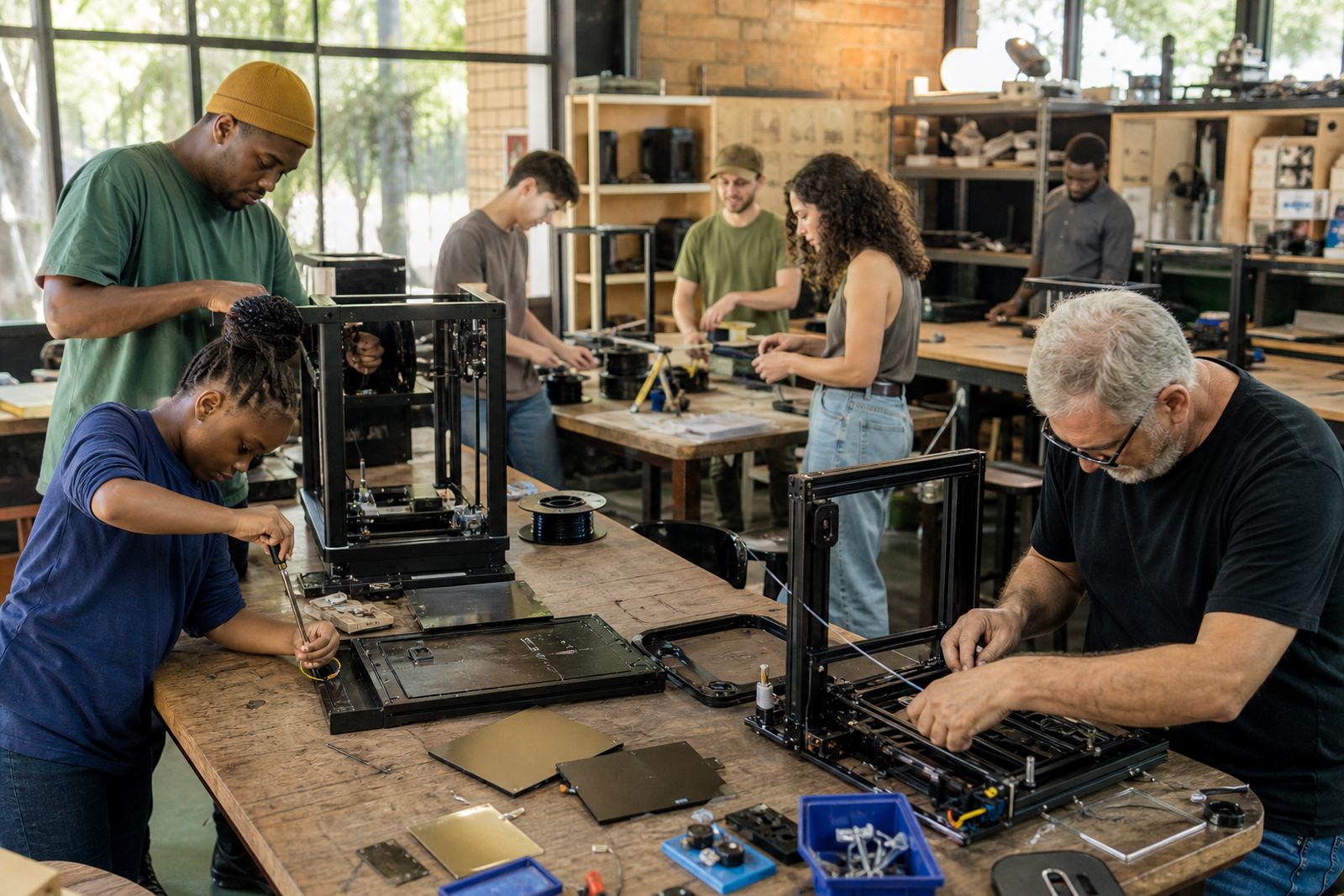
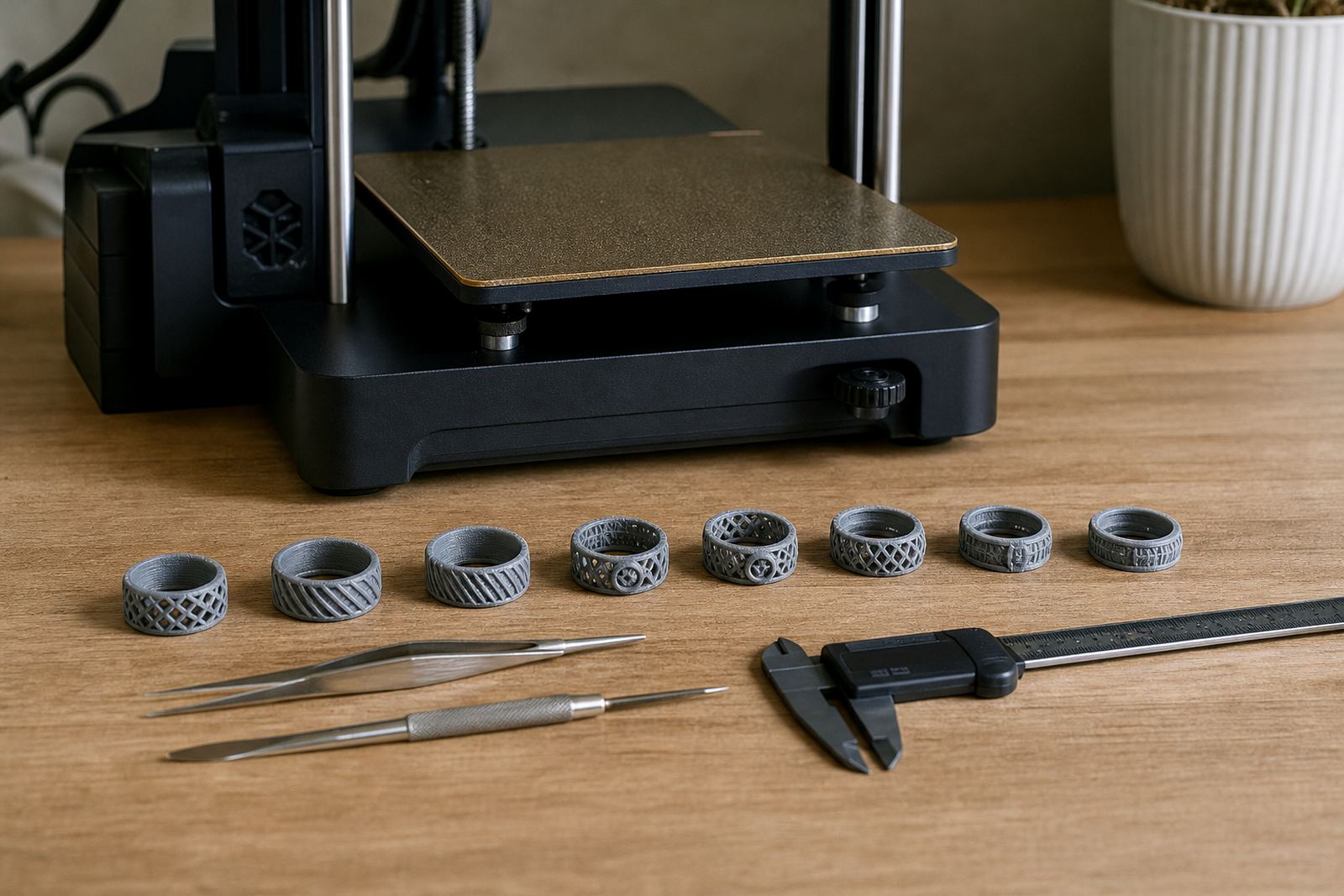
A school lab usually starts with a small group of reliable printers rather than a large mixed fleet. For that reason, it helps to choose one surface system and apply it across the room. That makes training easier for staff, lowers the chance of setup errors and keeps spare parts simpler to stock. A magnetic base can also help where teachers need to swap plates fast between classes, as long as the bed is level and the printer frame is in good condition.
LayerPad works with schools that need straightforward planning advice before they buy or refit equipment. We can help with plate sizing, fitting methods and the practical questions around where printers should sit in the room. Leave enough space for cooling, cable access and safe handling of hot parts. Avoid putting machines directly beside open windows in dusty areas or near sinks where moisture can build up.
- Keep printers on sturdy tables with enough room for plate removal
- Use clear lab labels so each machine has the same start-up steps
- Store spare sheets flat, away from heat and direct sunlight
- Allow for cleaning and inspection between sessions, not just printing time
- Plan one teacher or technician to oversee adhesion checks and first layers
Budget ranges schools can plan around
School budgets vary widely, but it helps to think in ranges rather than one fixed figure. A small classroom setup with a few printers and basic adhesion support can start from around R1 500 to R4 000 for surface items and consumables, depending on bed size and how many machines need attention. A more active lab with multiple printers, spare plates and standardised fittings can move into the R5 000 to R15 000 range.
For schools that want to standardise a whole room or add after-school production capacity, the budget may be higher once installation, fitting checks and replacement planning are included. The key is to avoid buying one-off pieces that do not match the rest of the fleet. It is usually better to set a common format early, then hold a small spare stock for breakages or wear.
On the cost side, PEI sheets and quality plates often pay back through fewer failed prints and less teacher time spent on troubleshooting. In some schools, the biggest saving is not the material cost at all but the reduced downtime when load-shedding interrupts a session and the machine has to restart cleanly later. A surface that is simple to recover can save the whole lesson.
Support for school labs across South Africa
LayerPad supports schools in Centurion, Pretoria East, Midrand, Johannesburg, Cape Town, Durban, Bloemfontein and Gqeberha through enquiry-based assistance and practical supply planning. That includes surface refresh work, replacement planning, farm standardising and school lab setup advice. For schools with several sites, it is useful to keep the same surface standard across all branches so learners get the same results regardless of location.
Whether the lab is being set up for technology classes, robotics, entrepreneurship or a maker programme, the aim stays the same: easy care, repeatable use and fewer interruptions. If you need help choosing plates or planning a room for shared use, start with your printer models, bed sizes and weekly print volume. From there it becomes much easier to match the right surface and keep the lab running well, even when the schedule is full and the power is not.